
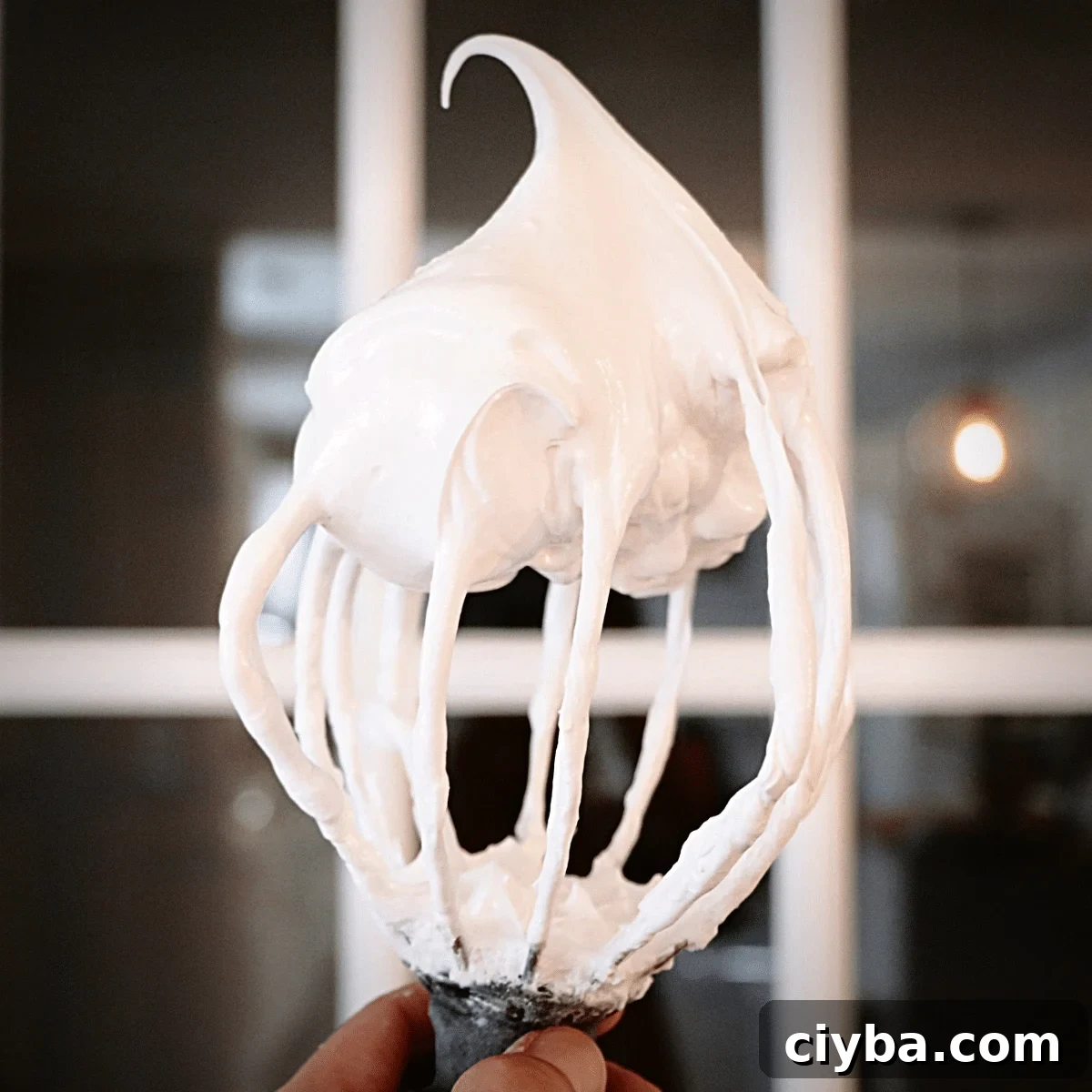
Everyone can feel intimidated making Italian meringue for the first time. Don’t worry — this guide walks you through clear steps and essential tips to make a glossy, stable, and fluffy Italian meringue at home.
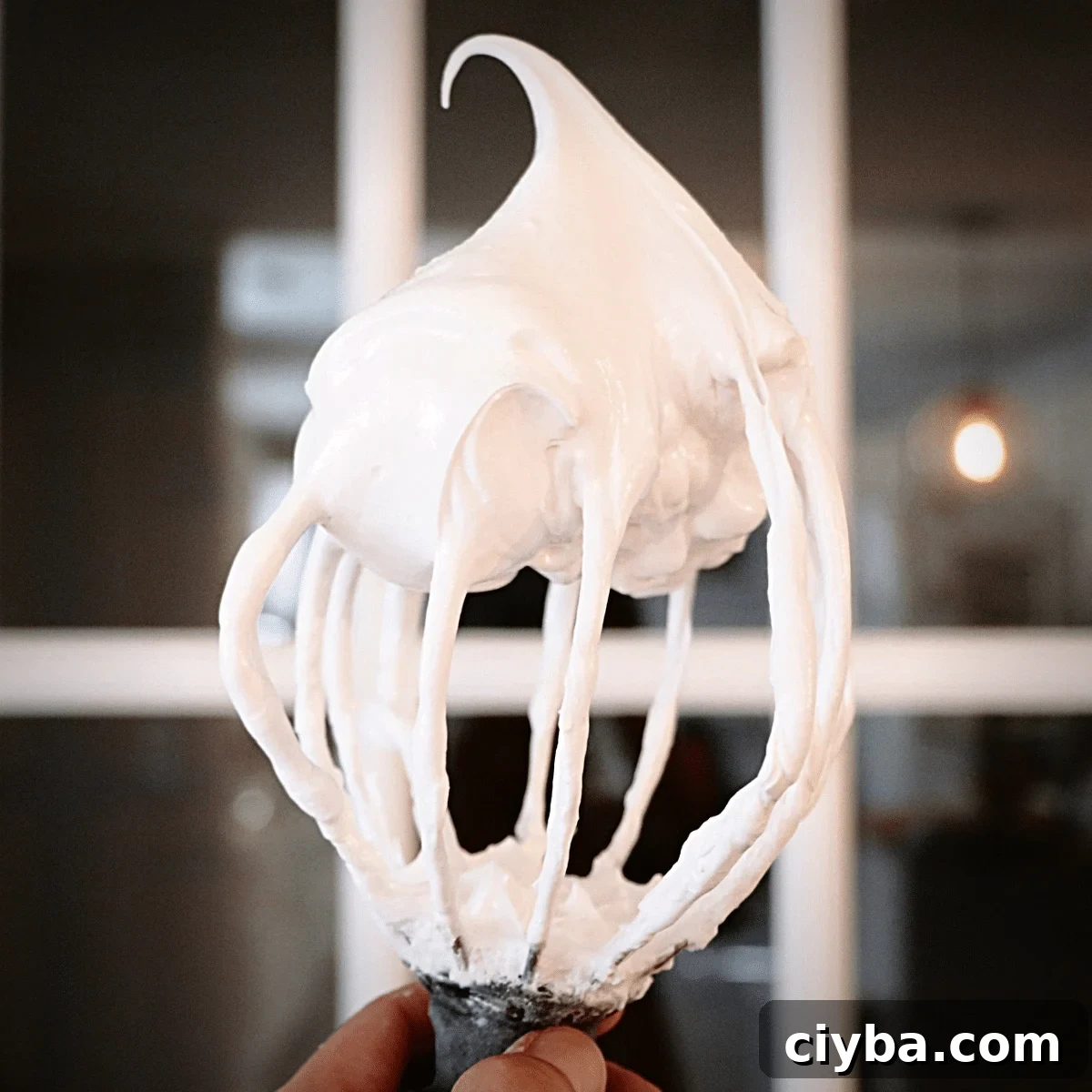
What is Italian Meringue?
Italian meringue is made by adding hot sugar syrup to whipped egg whites. Heating the sugar syrup while incorporating it into whipped whites stabilizes the proteins, producing a meringue that holds shape well and stays glossy. Italian meringue is used for buttercreams, mousses, pies, tarts, and meringue cookies where stability and shine are important.
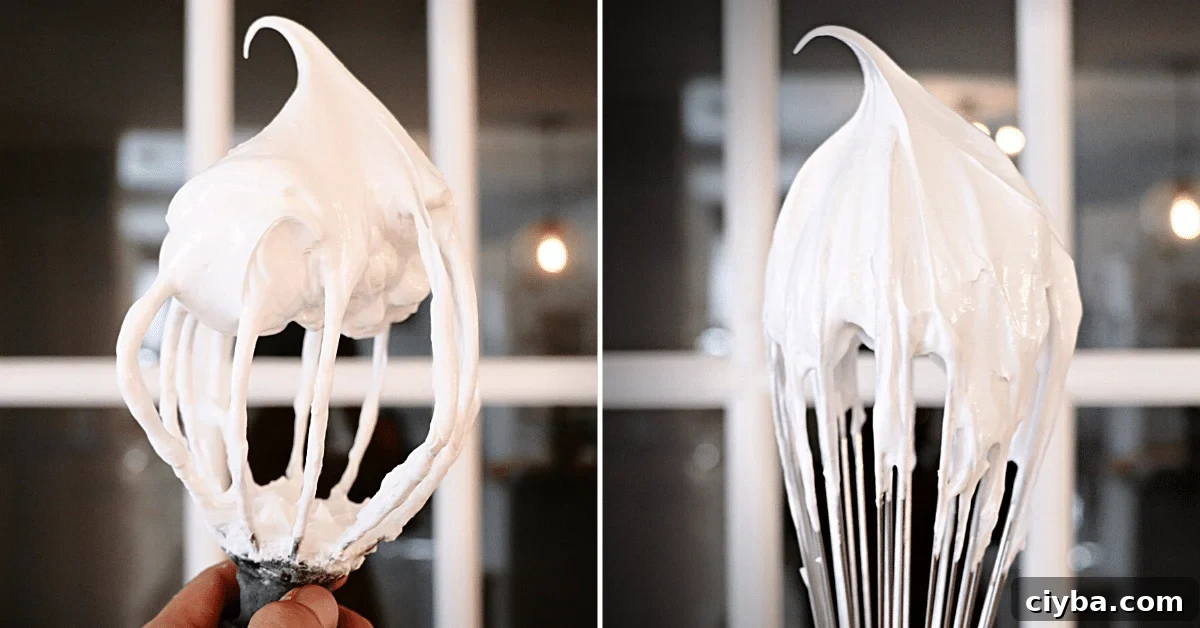
How is Italian meringue different from French meringue?
French meringue is simply whipped egg whites and sugar without cooking. It’s easier to make but much less stable than Italian meringue, so it’s better suited for baked meringue cookies, soufflés, and batters where immediate baking stabilizes the foam.
Video: Watch How To Make Italian Meringue
Follow the step-by-step video tutorial to see the technique in real time and learn precise timing for whipping and pouring the hot syrup.
3 Simple Ingredients
- Egg whites: Use clean, yolk-free whites. Oils and fat prevent proper whipping; pasteurized eggs reduce food safety concerns.
- Granulated sugar: Regular white sugar or caster sugar works best to create a smooth syrup.
- Water: Combined with sugar to make the hot syrup that stabilizes the foam.
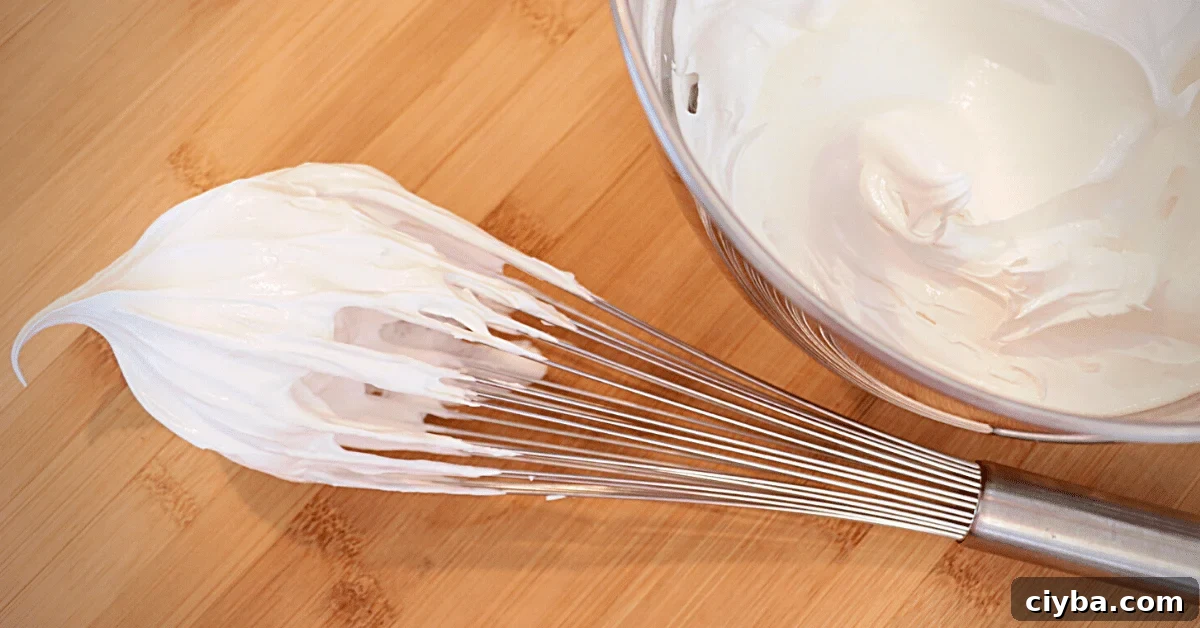
10 Key Tips for Perfect Italian Meringue
Tip 1. Ensure all tools are completely dry and clean
Even traces of oil or grease will prevent egg whites from reaching full volume. Separate eggs carefully and wipe bowls and beaters to remove any residue.
Tip 2. Whip to a fluffy stage before adding syrup
Start with a light, airy meringue before introducing hot syrup. If the whites are under-whipped they won’t support the syrup; if over-whipped they can split. Begin at low speed and increase gradually to time the final peaks with the syrup temperature.
Tip 3. Make sure all sugar is wet before heating
Coating the sugar with water prevents dry pockets that can cause uneven cooking and crystallization. Use a pastry brush dipped in water to wash down any sugar on the pot sides.
Tip 4. Avoid stirring or disturbing the syrup while it heats
Stirring or touching the syrup exposes it to air and can trigger crystallization. Let it heat undisturbed until it begins to thicken, then swirl gently near the end for an accurate temperature reading.
Tip 5. Heat syrup to about 244°F (118°C)
Aim for 244°F (118°C) for a reliably stable, stiff meringue. Slightly lower (around 242.6°F / 117°C) yields softer peaks, while higher (around 246°F / 119°C) gives a firmer but riskier texture. Use a thermometer for consistency.
Tip 6. Use the hot syrup immediately
Syrup thickens and becomes sticky as it cools. Pour it into the meringue within seconds of removing it from the heat for best incorporation.
Tip 7. Add syrup slowly from the side while mixing at high speed
Pouring along the bowl’s side lets the whisk catch and disperse the syrup evenly. Avoid streaming syrup directly onto the whisk head, which can splash or pool at the bottom.
Tip 8. Continue whipping at high speed after adding syrup
Keep the mixer running to aerate the warm mixture and produce a light, glossy texture. The bowl will feel hot initially—this is normal as the syrup is integrated.
Tip 9. Stop whipping when the meringue cools to room temperature
Continue whipping until the bowl and meringue feel close to room temperature. Over-whipping once cooled will collapse air and reduce volume; stop when it’s slightly warm to the touch and glossy.
Tip 10. Use it immediately
Italian meringue is best used right after making. It firms and loses flexibility if left standing, and attempting to rewhip a set meringue rarely restores its original texture.
4 Steps to Make Italian Meringue
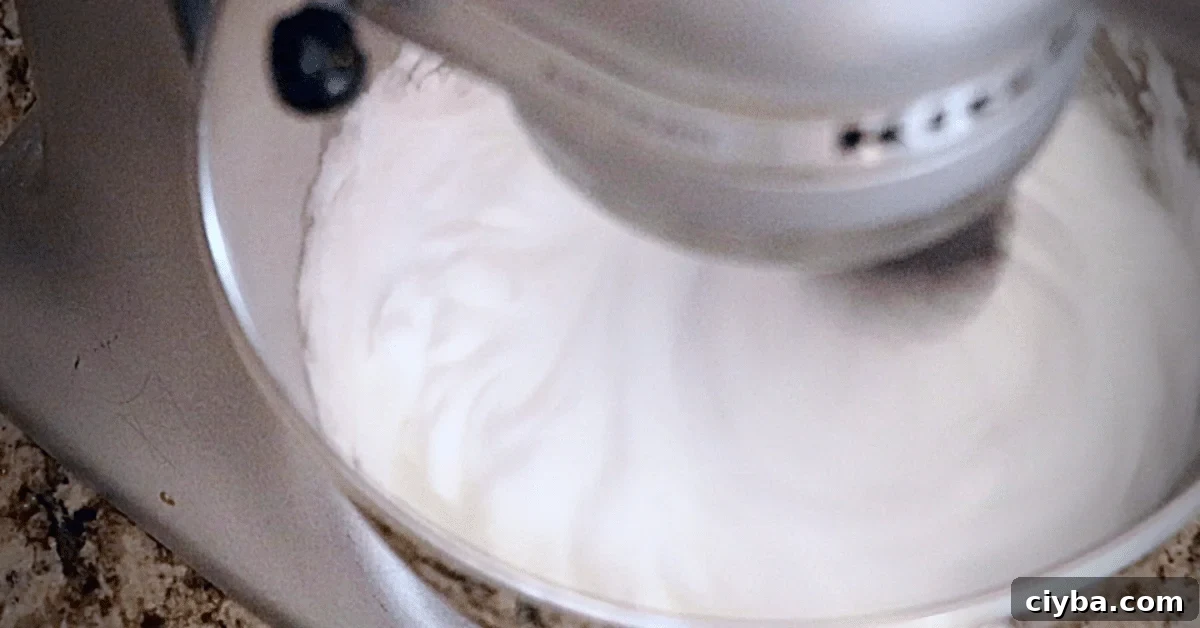
- Whip egg whites: In a stand mixer fitted with a whisk, whip egg whites to a fluffy, soft-to-medium peak stage. Start low and increase speed to time the final peaks with the syrup.
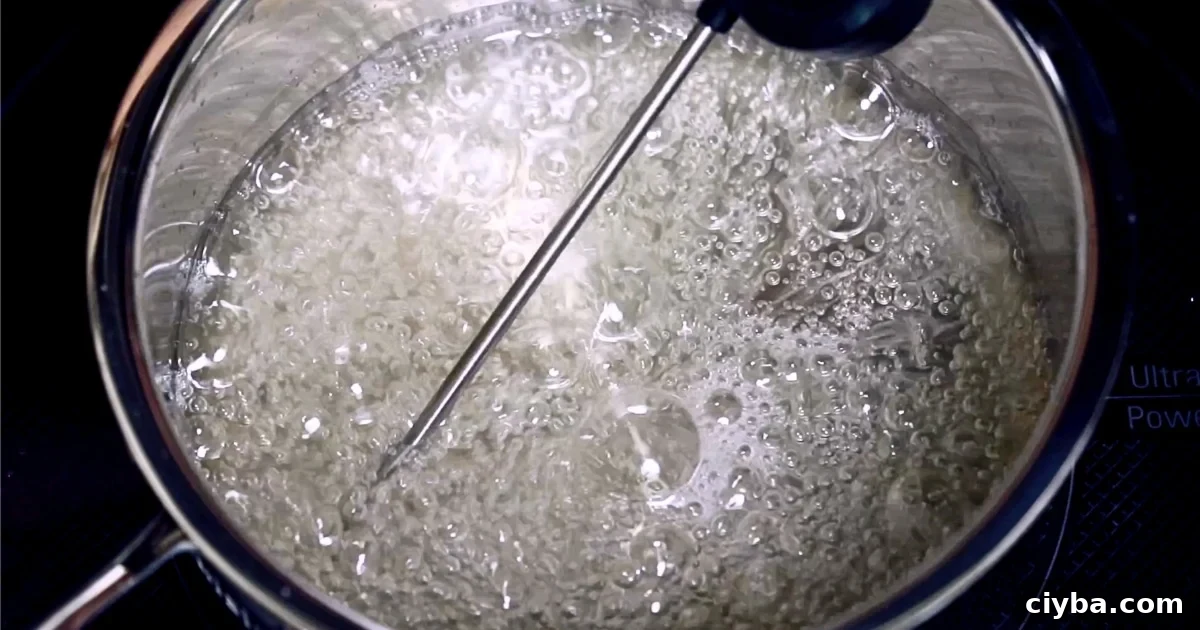
- Make the hot sugar syrup: Combine sugar and water in a small saucepan and ensure all sugar is wetted. Heat over medium until the syrup reaches about 244°F (118°C). Brush down sugar on the pot sides with a wet pastry brush to prevent crystallization. Do not stir constantly; swirl near the end and remove from heat immediately at target temperature.
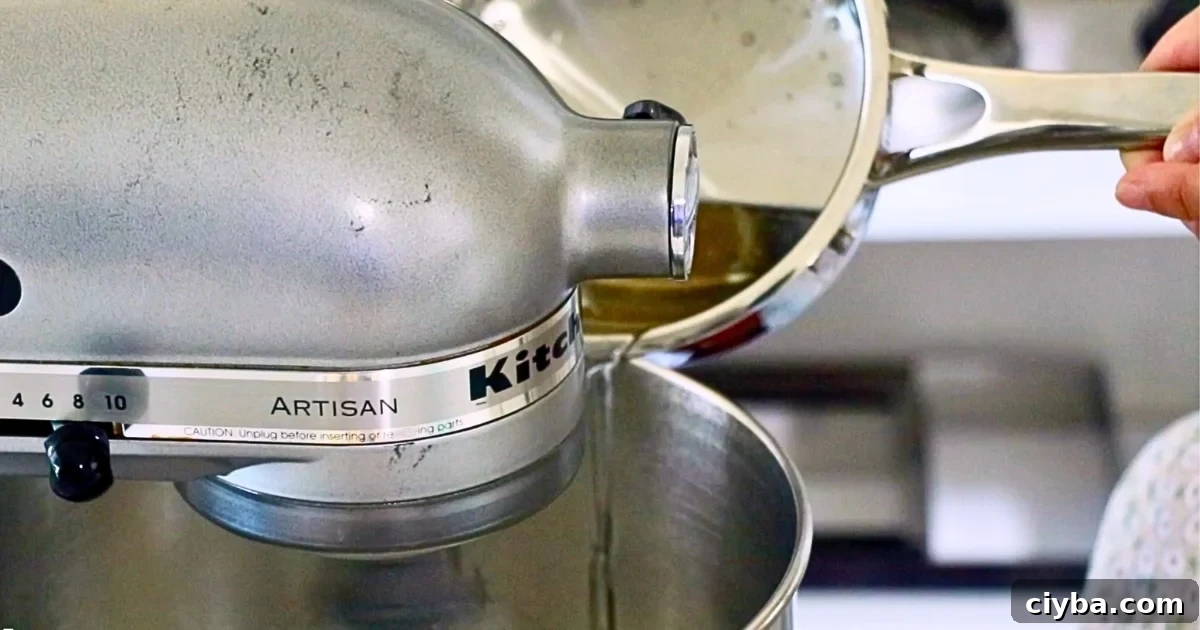
- Incorporate the hot syrup: With the mixer on high, pour the hot syrup slowly down the side of the bowl so the whisk can catch and evenly distribute it into the whites.
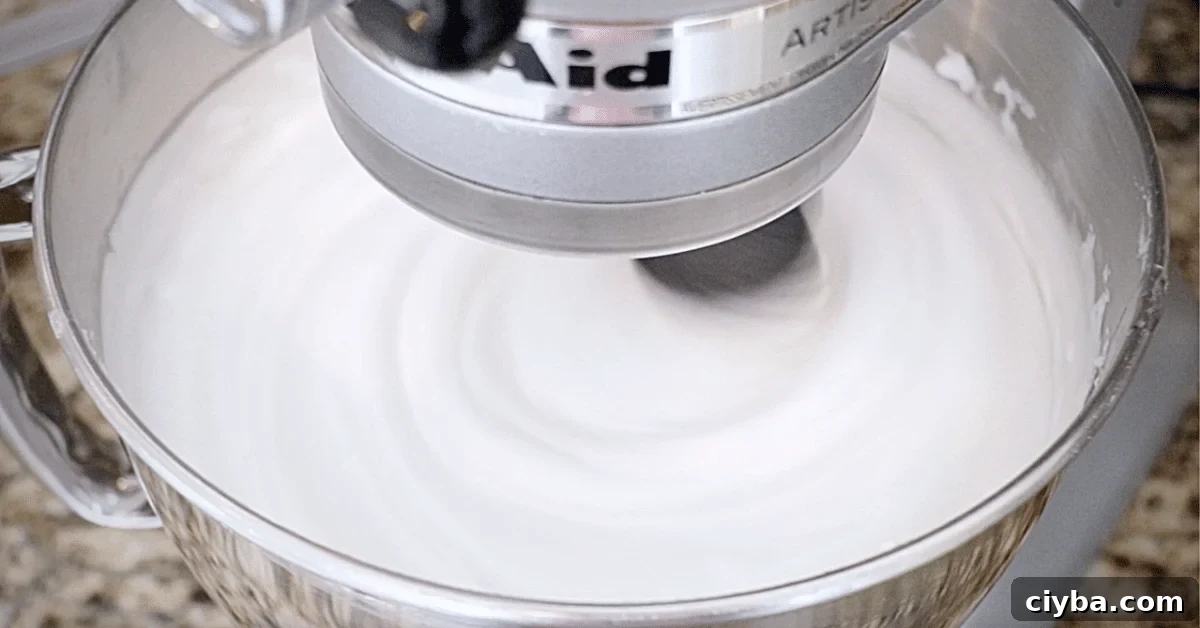
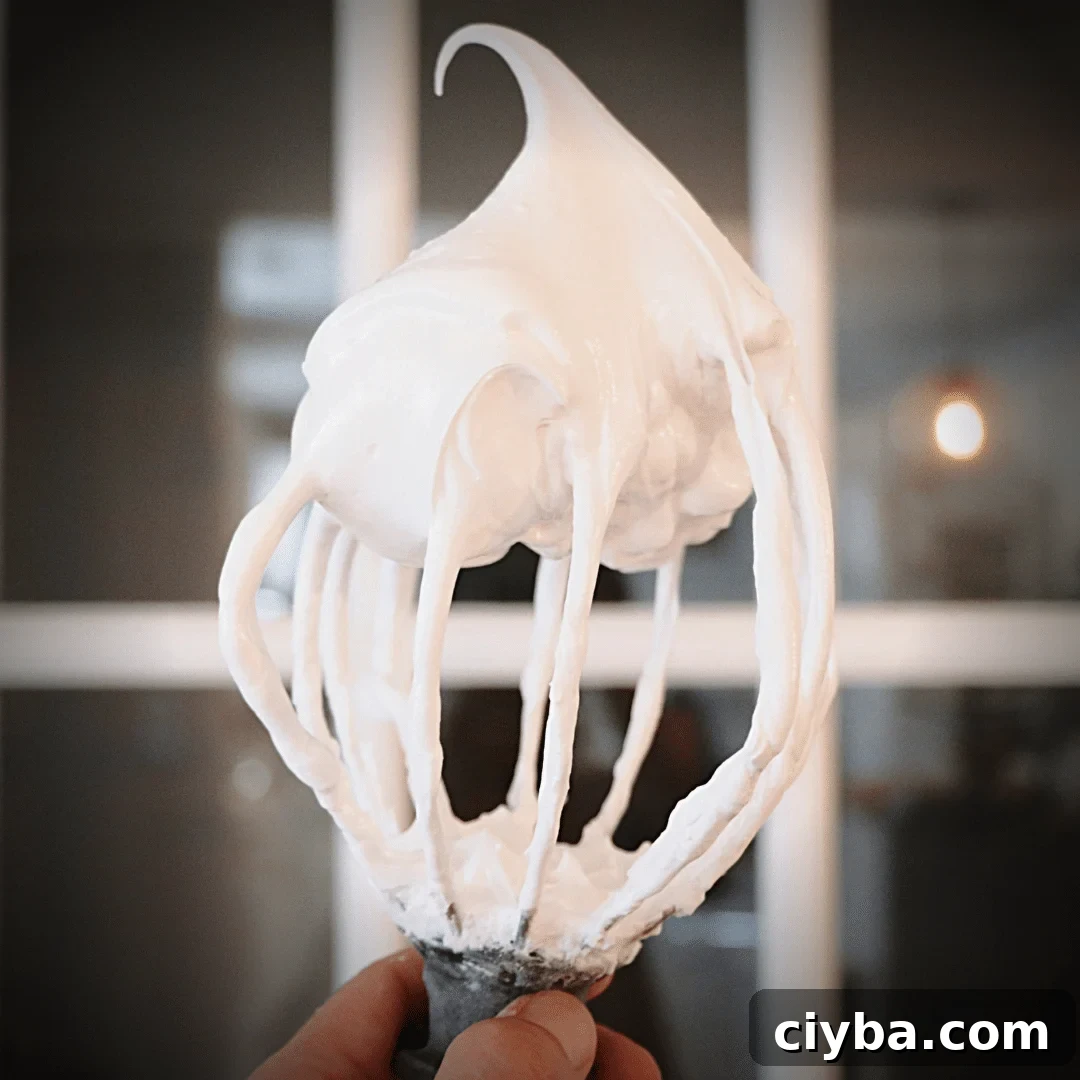
- Finish whipping: Continue at high speed until the bowl cools. Reduce speed as the meringue becomes warm, then medium-low as it nears room temperature. Stop when it is cool to the touch and holds glossy peaks.
Troubleshooting
Italian meringue is straightforward when you know the key pitfalls. Here are common problems and quick fixes.
Meringue is too loose
Possible causes:
- Whites were under-whipped before adding syrup.
- Syrup temperature was too low.
- Over-whipping after adding syrup, causing collapse.
- Oil, grease, or contaminants on tools or ingredients.
Meringue is grainy
Possible cause: Syrup was overheated and crystallized into coarse sugar grains instead of dissolving smoothly.
Meringue has collapsed
Possible causes:
- Whipping resumed after the meringue had cooled completely, causing air loss.
- Meringue stood too long before use and lost structure.
Uses for Italian Meringue
Italian meringue is versatile and stable. Use it for:
- Italian meringue buttercream: Folded into butter to make a shiny, stable frosting.
- Meringue tarts and pies: A classic finish for lemon meringue pie or tarts.
- Mousses: Light, airy mousses benefit from the stable foam.
- Cake frosting and baked Alaska: Pipe or spread, then torch for caramelized peaks.
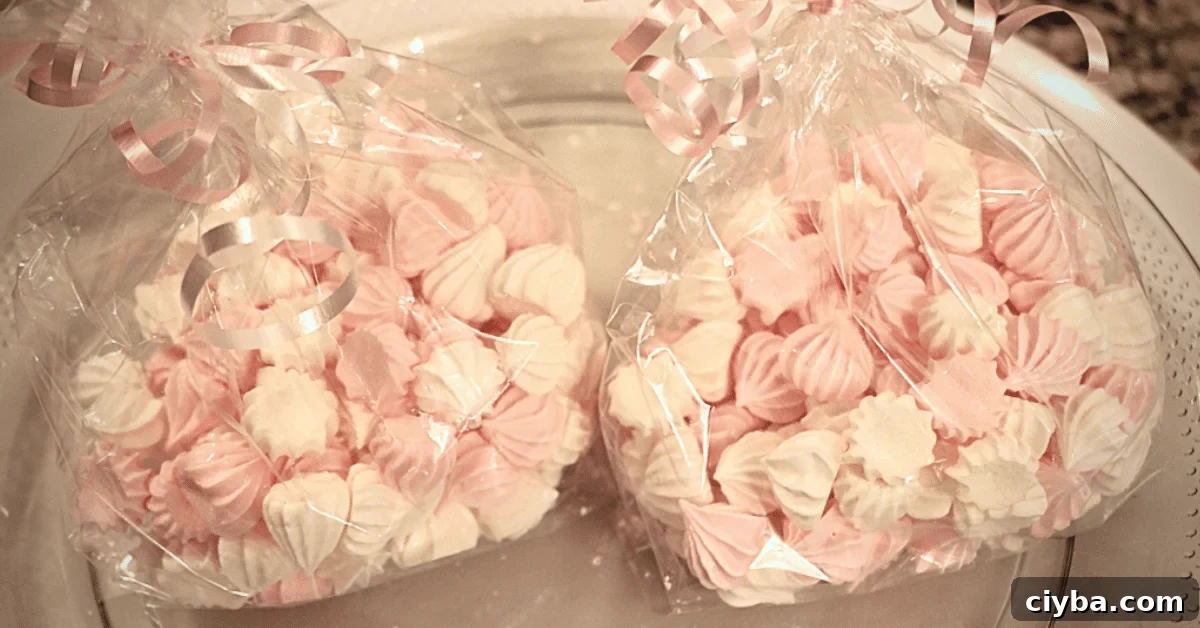
- Decorations and meringue cookies: Pipe shapes, bake or use fresh as bright, glossy toppings.
- Macarons (Italian method): Provides a glossy shell and stable structure for consistent macaronage.
Frequently Asked Questions
Yes. Use paste or gel food colorings for stronger color with minimal impact on texture; liquid colors can thin the meringue.
Reducing sugar reduces stability. Small adjustments are possible, but too little sugar will make the meringue weak and collapse-prone.
Yes. A hand mixer works; position it near the syrup and pour slowly while whipping continuously. It takes more effort but the method and timing remain the same.
Yes—vanilla extract, citrus zest, or cocoa can be added sparingly. Large amounts of liquid flavoring may loosen the meringue, so add incrementally.
How to tell syrup temperature without a thermometer
Using a candy thermometer is most accurate, but you can test by the cold-water method:
Cold-water test for about 244°F / 118°C:
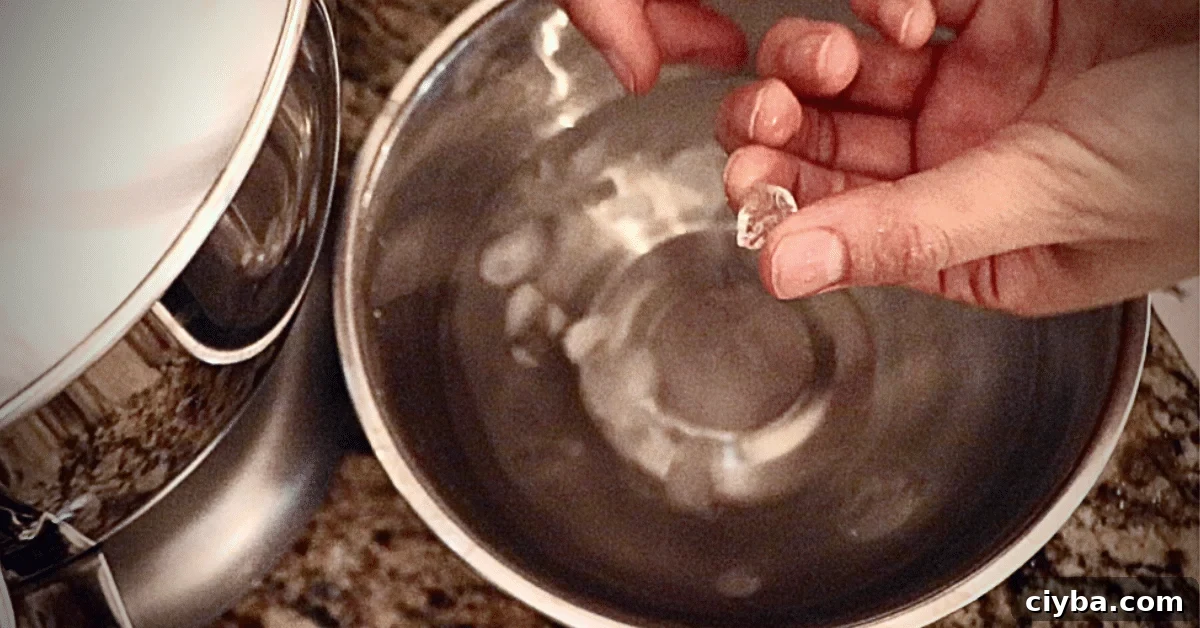
- Fill a bowl with icy water.
- Drop a small spoonful of hot syrup into the water.
- After it cools for a second, pick it up and press it between fingers.
- It should form a firm but pliable ball that is elastic, not brittle.
Work quickly: syrup continues to rise in temperature slightly even after removing from heat, so test fast if you use this method.
More Frosting Recipes
Try other frostings to pair with Italian meringue or to expand your pastry skills.
- Italian meringue buttercream
- Swiss meringue buttercream
- Cream cheese buttercream
- Lemon buttercream frosting
Did you try the recipe?
Share your honest feedback in the comment section. I’d love to hear how it turned out for your desserts and special occasions.
Thank you! – Aya
Perfect Italian Meringue
Ingredients
- 225 g (7 medium eggs) Egg white
- 450 g (2 ¼ cups) Granulated sugar
- 150 g (⅔ cup) Water
Equipment
- Stand mixer with a whisk attachment or hand mixer
- Small saucepan
- Pastry brush
- Candy or instant-read thermometer (recommended)
Instructions
4 Steps to Make Italian Meringue
-
Whip egg whites in a stand mixer with a whisk until fluffy, adjusting speed from low to high.
-
Make hot sugar syrup: Combine sugar and water, wet all sugar, heat to 244°F (118°C), brush down pot sides to prevent crystallization, and remove at target temperature.
-
Add hot syrup immediately: With mixer on high, pour syrup slowly down the side of the bowl while whipping.
-
Finish whipping: Continue at high speed until warm, reduce speed as it cools, and stop when the meringue reaches room temperature and holds glossy peaks.
Nutrition
Tried this recipe?Please leave your feedback!