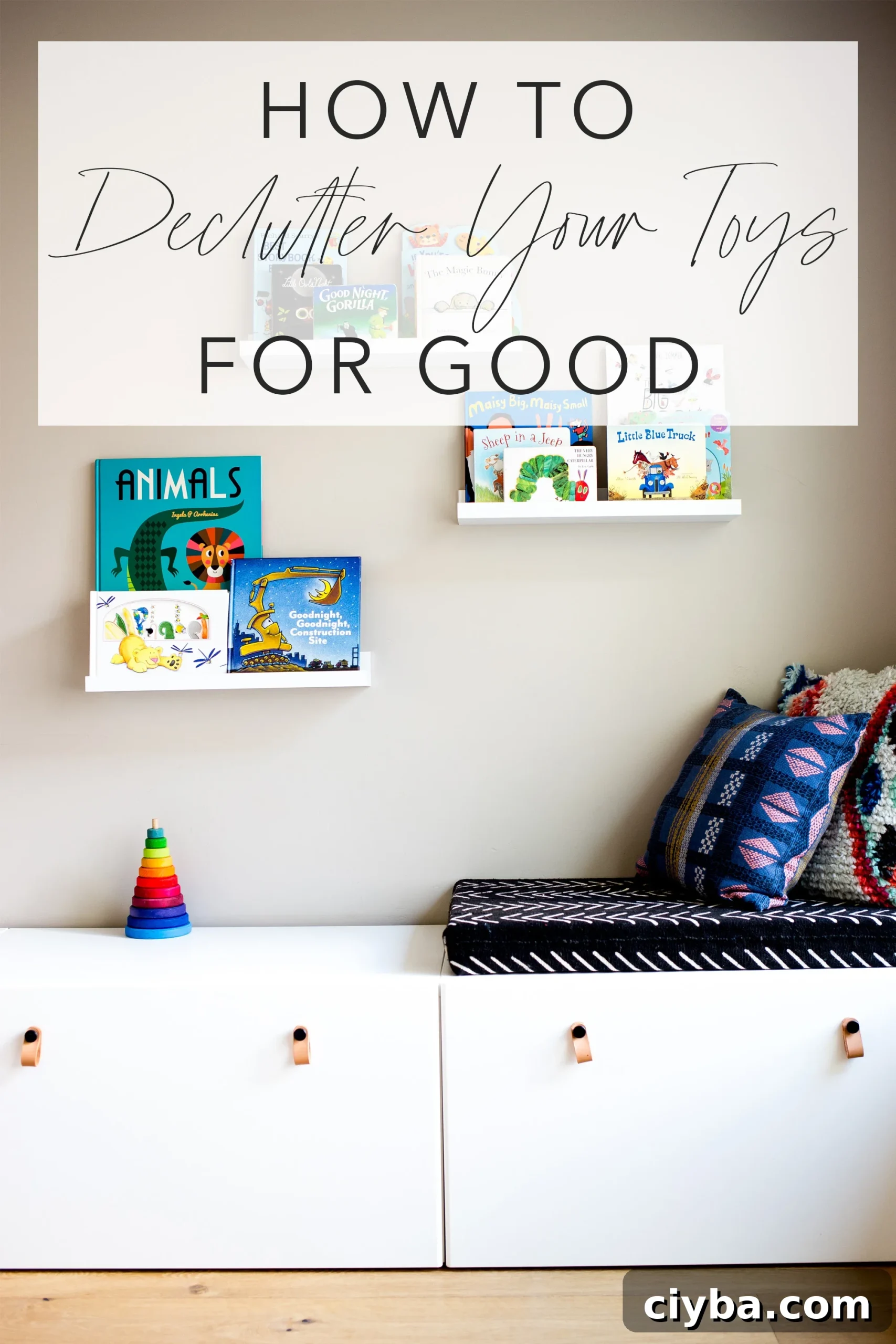
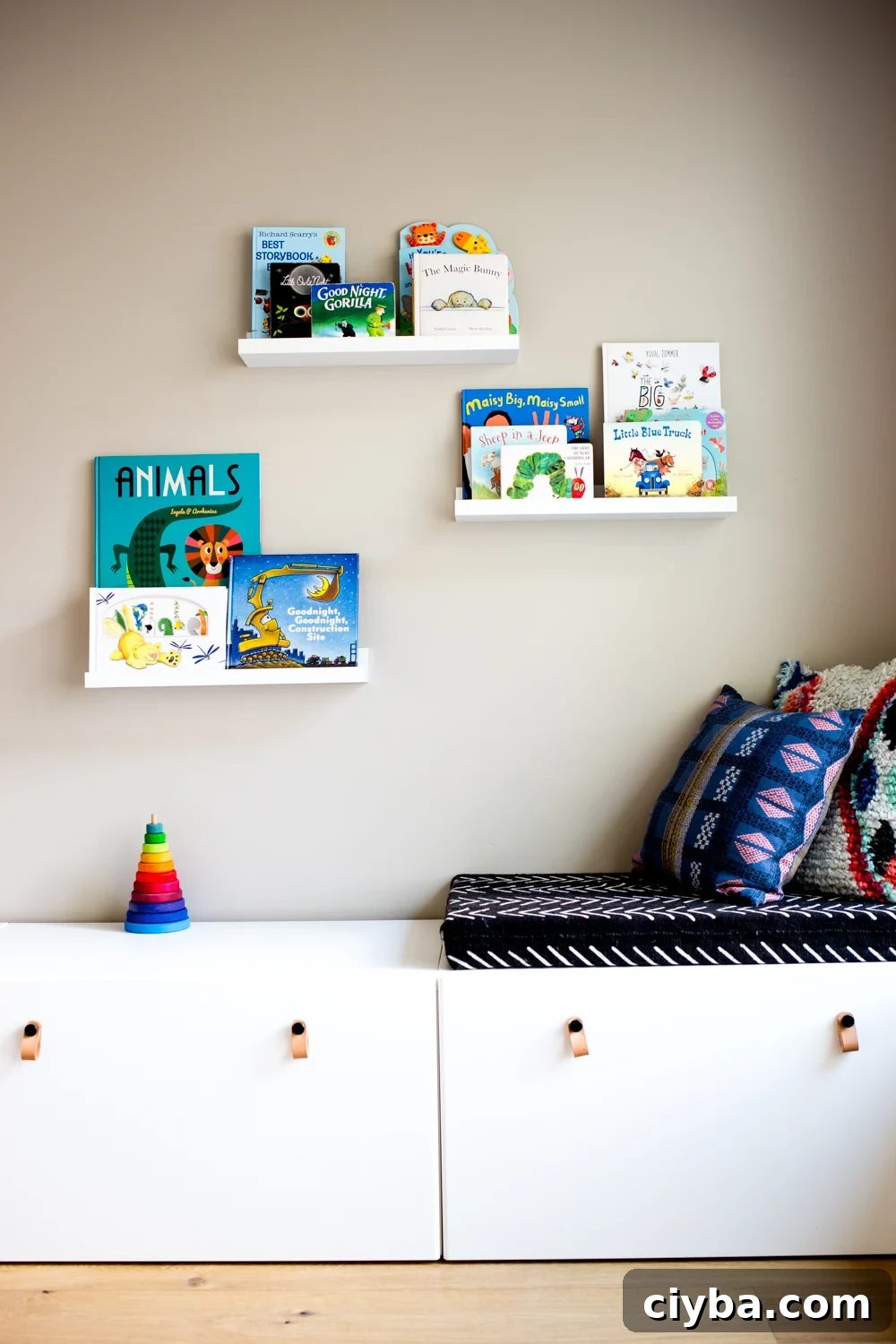
Simplifying the toys in your home reduces clutter, lowers stress, and improves how your children play. Use this practical guide to declutter toys for good and create a calmer, more intentional play environment.
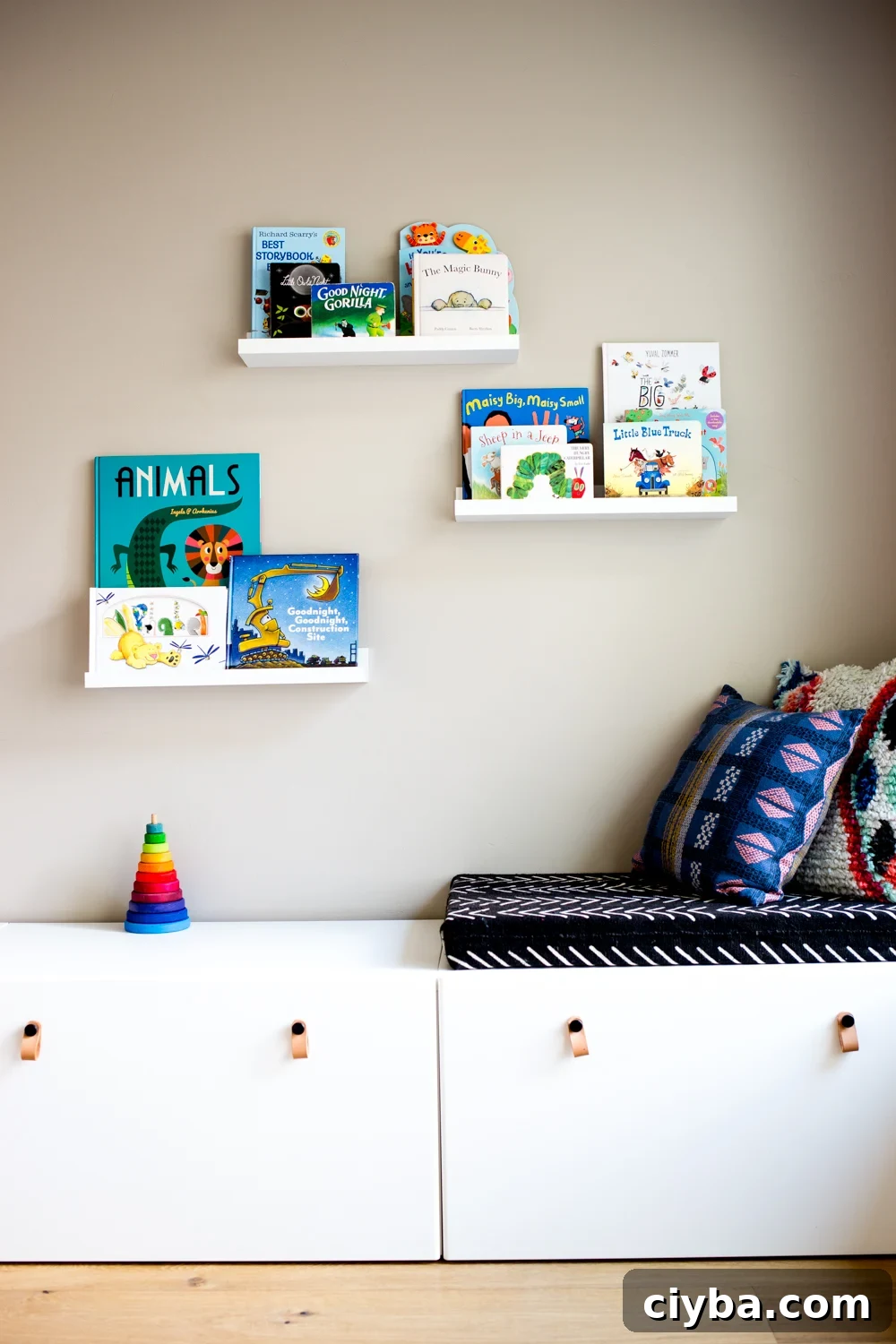
Table of Contents
Toggle
You know that overwhelmed feeling when you have too many browser tabs open? Children experience something similar when surrounded by too many toys. Their attention scatters, play becomes shorter and less creative, and they can feel restless or unsure what to pick next.
Conversely, when there are fewer options, focus improves. The same way one or two open tabs help you get work done, fewer toys help children engage more deeply and play more imaginatively.
Benefits of Decluttering Your Toys
Simplifying your toy collection brings immediate and lasting benefits. Here are the main advantages:
- Less stress: Physical clutter raises stress and makes it harder to focus. Fewer toys reduce household clutter and promote calm for both kids and adults.
- More creative, sustained play: Research shows kids play longer and more imaginatively with fewer toys. Open-ended options encourage exploration and creativity.
- Less cleanup: Fewer toys mean faster, easier tidying. With fewer pieces to chase, daily pickup becomes more manageable.
- More appreciation and care: Scarcity increases value. Children with fewer toys tend to take better care of them and appreciate what they have.
- Smarter spending: When you see the benefits of a smaller collection, you’re likely to buy fewer, higher-quality toys intentionally, saving money and reducing waste.
Open-Ended Toys vs. Closed-Ended Toys
Understanding the difference between open-ended and closed-ended toys helps you choose items that support longer, more varied play.
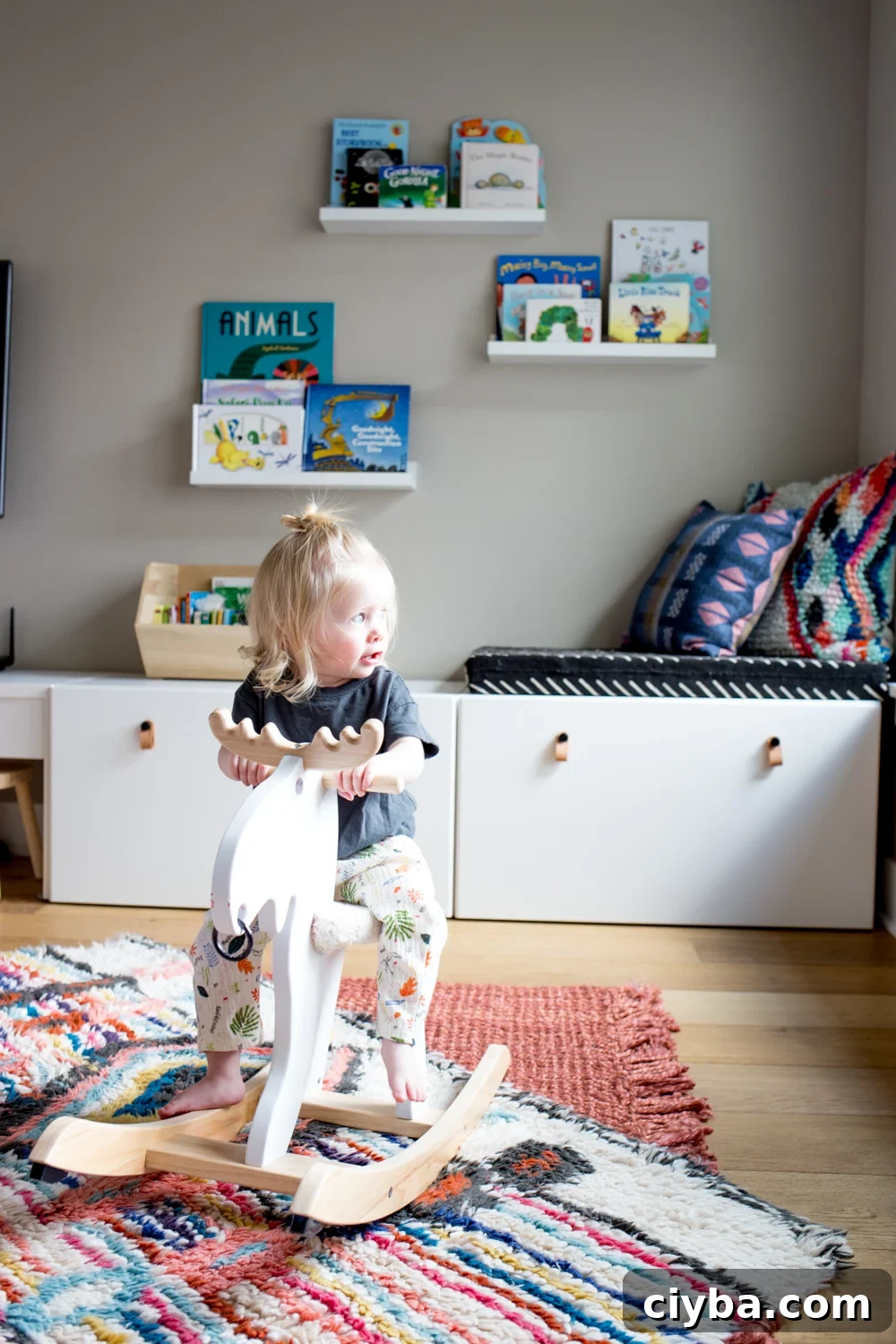
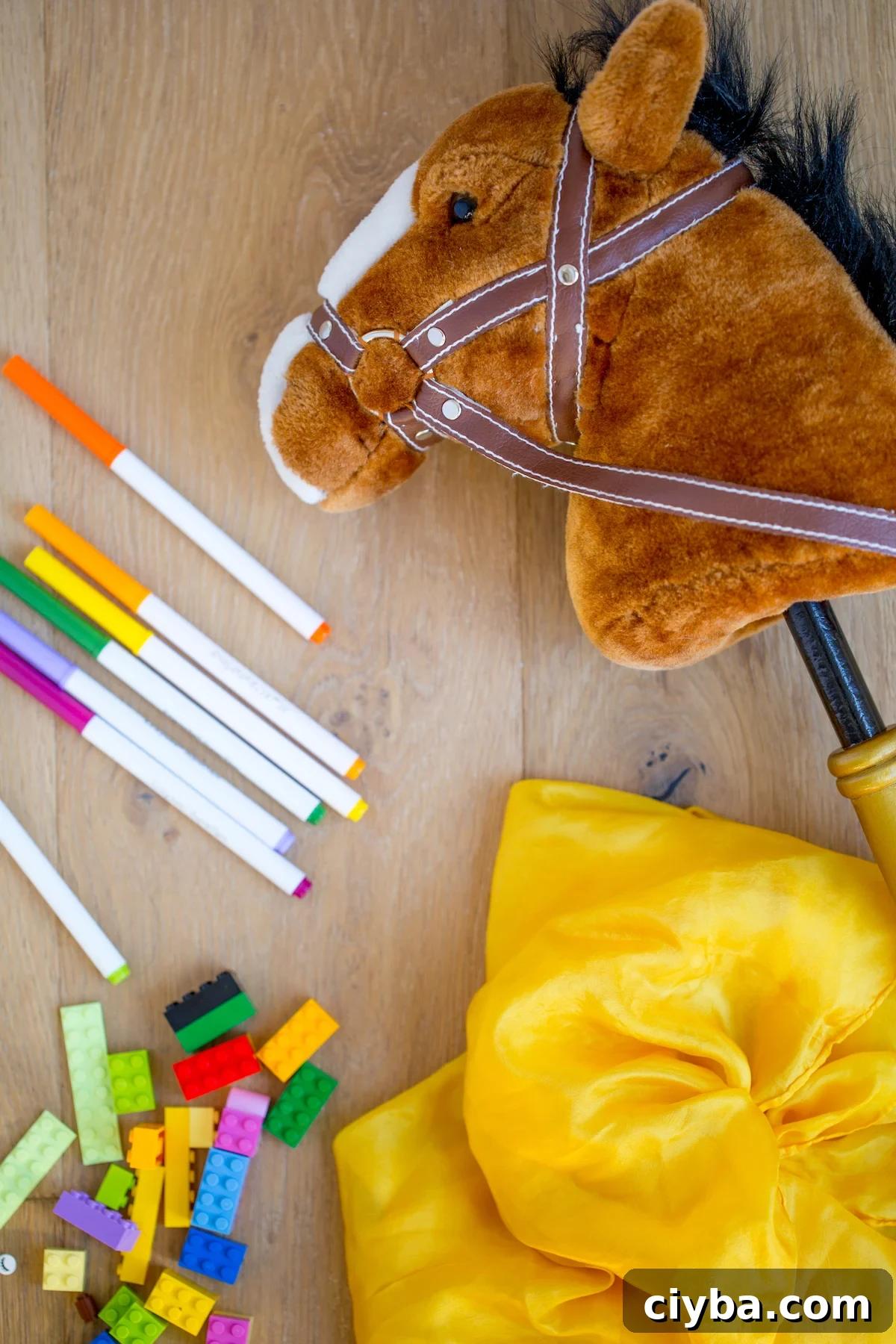
- Open-ended toys: These encourage imagination and can be used in multiple ways by different ages and genders. Examples include blocks, classic LEGO, art supplies, dress-up, balls, and loose parts. Favor these to promote creativity and sustained independent play.
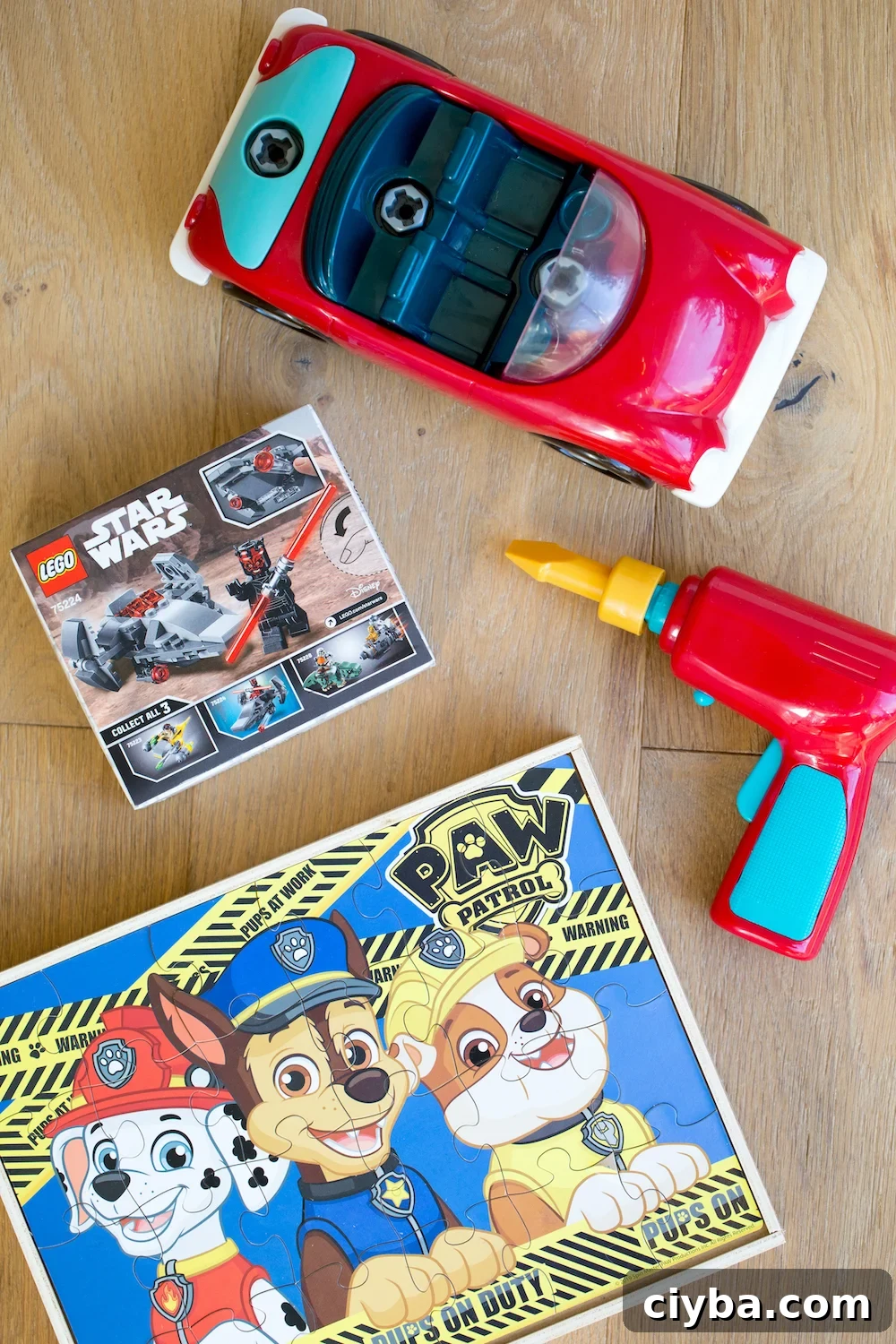
- Closed-ended toys: These have a specific function or an endpoint—puzzles, kits with instructions, or single-purpose gadgets. They can build focus and teach completion but often lead to shorter play sessions.
How to Declutter Your Toys
Follow these practical steps to pare down and organize toys so they support better play and stay tidy long-term.
Step 1: Watch & reflect.
Observe your children for a week. Note which toys they use most, which hold their attention longest, and which are ignored. Check for broken items, missing parts, or toys that no longer fit their abilities.
Ask yourself:
- Which toys are played with by kids of different ages and genders?
- Which encourage creative or physical play?
- What do they play with independently for long stretches?
- Which toys are seldom used or quickly abandoned?
- Which toys are truly loved?
Step 2: Sort your toys.
Sort toys by category so you can see how many you have of each type. Seeing similar toys together makes excess obvious and helps you decide what to keep.
Common categories to sort by:
- Baby toys: play mats, stacking toys, rattles, teethers, sensory toys.
- Dolls and stuffed animals: dolls, doll accessories, plush toys.
- Building toys: blocks, LEGO, Duplos, magnet tiles.
- Creative supplies: art materials, craft kits.
- Imaginative play: play kitchens, costumes, puppets.
- Vehicles: cars, trains, tracks.
- Figurines: action figures, Playmobil.
- Games and puzzles: board games, cards, puzzles.
- Active toys: balls, ride-on toys, bikes, scooters.
- Musical instruments.
Step 3: Declutter one category at a time.
With toys sorted, tackle one category at a time to avoid overwhelm.
- Gather supplies: boxes or bags for donate, recycle, sell, and trash; cleaning cloths; a small vacuum. Label piles to stay organized.
- Create decision zones: designate areas for keep, donate, sell, recycle, and trash.
- Use a timer: limit how long you spend on each pile to keep momentum and avoid decision fatigue.
- Set boundaries: limit quantities (for example, one bin for LEGO or a set number of cars) or assign a fixed storage space.
- Keep favorites: hold on to the toys your child truly loves and plays with regularly.
- Remove easy discards first: broken items, duplicates, toys with missing pieces, and outgrown items give quick wins and motivation to continue.
- Follow your limits: let your boundaries guide choices and trust that fewer, better toys will be enough.
Step 4: Organize & arrange.
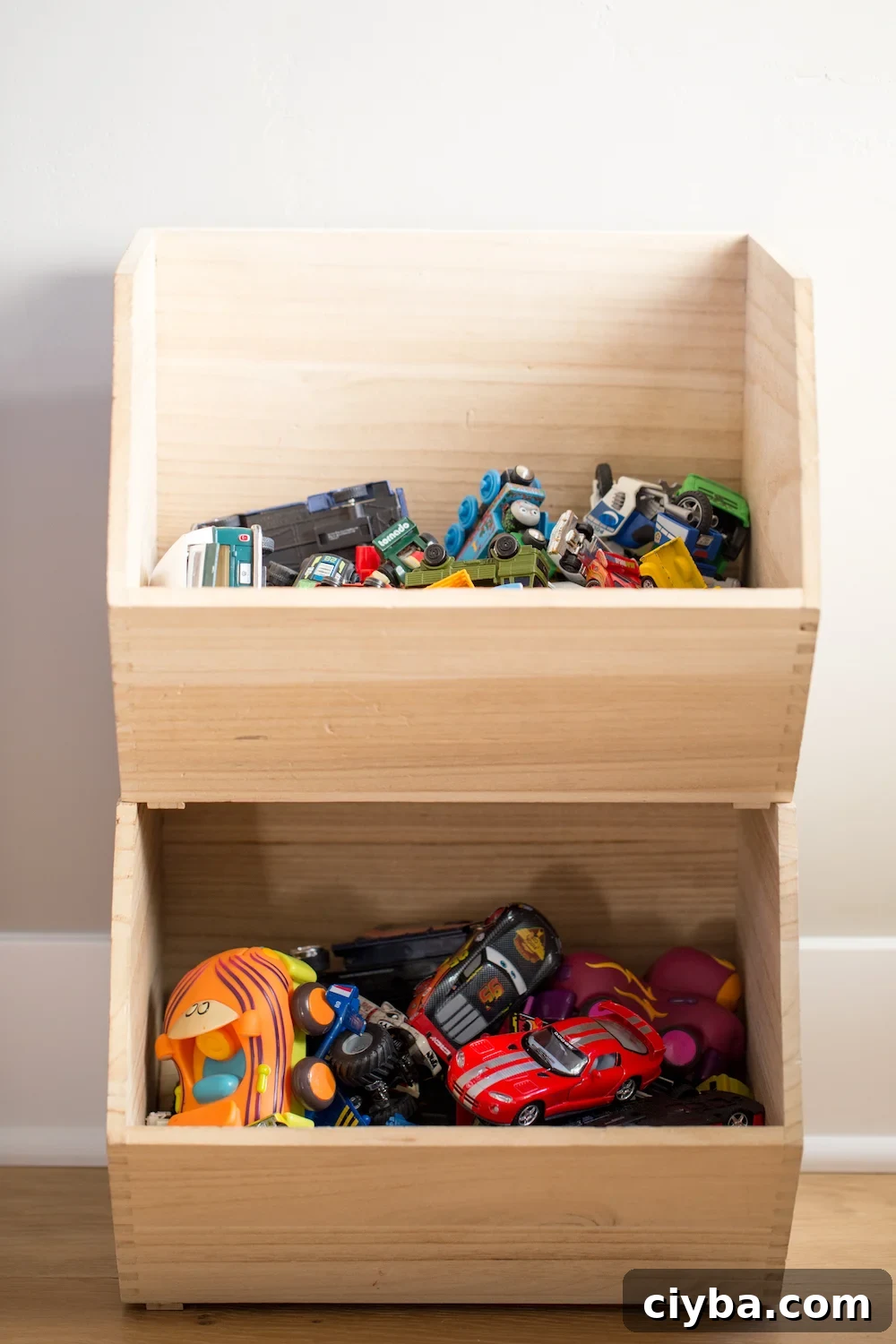
Make kept toys visible and easy to reach so kids are more likely to choose them and put them away.
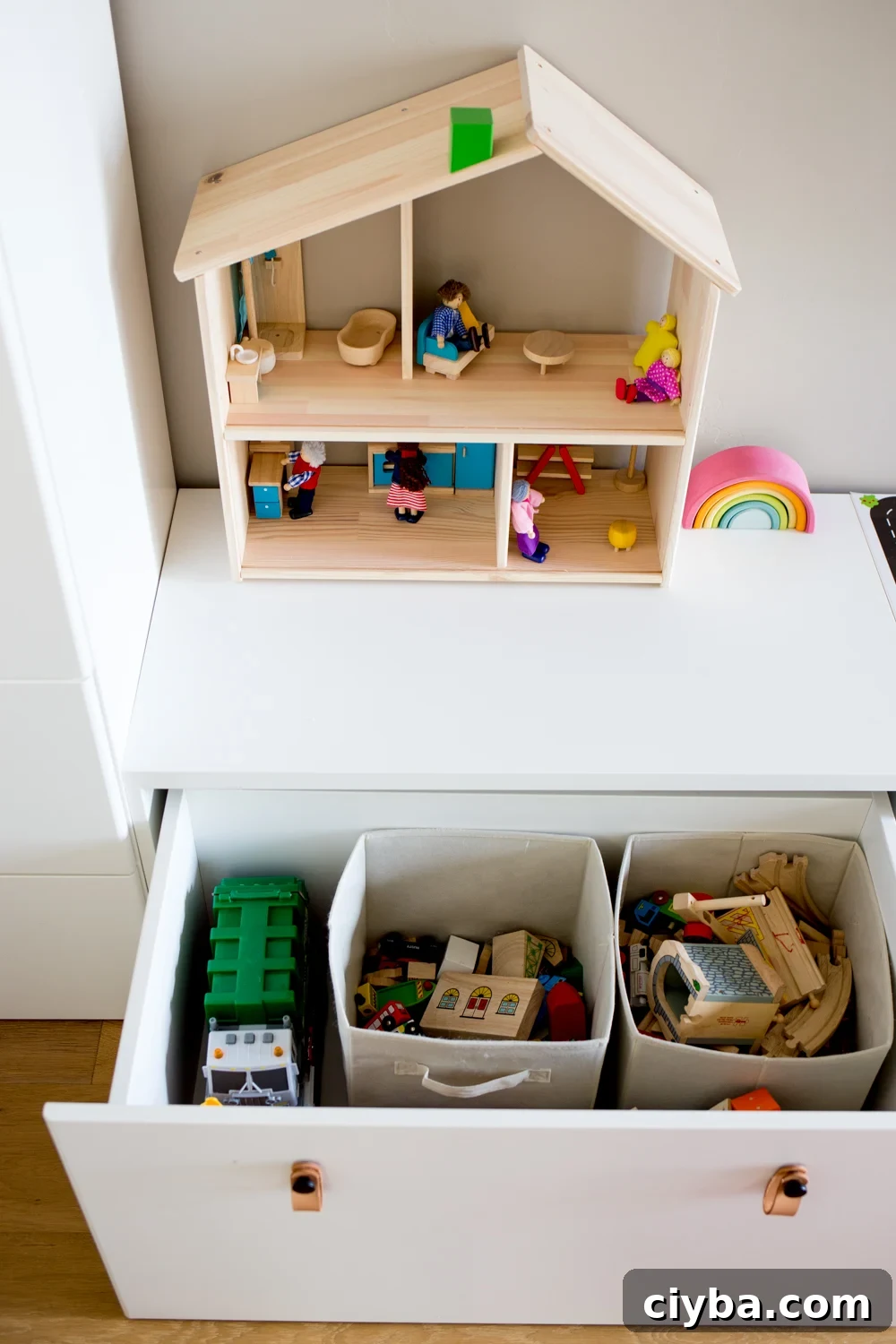
- Use small bins: keep small pieces grouped in their own containers to reduce loss and mess.
- Create mini displays: arrange 5–10 toys on a shelf near adult activity so kids can play where you are.
- Rotate toys: store extras and rotate selections every few weeks to renew interest without adding clutter.
Thoughtful arrangement encourages children to value their toys and helps them develop habits of care and cleanup.
Step 5: Get rid of your unwanted toys.
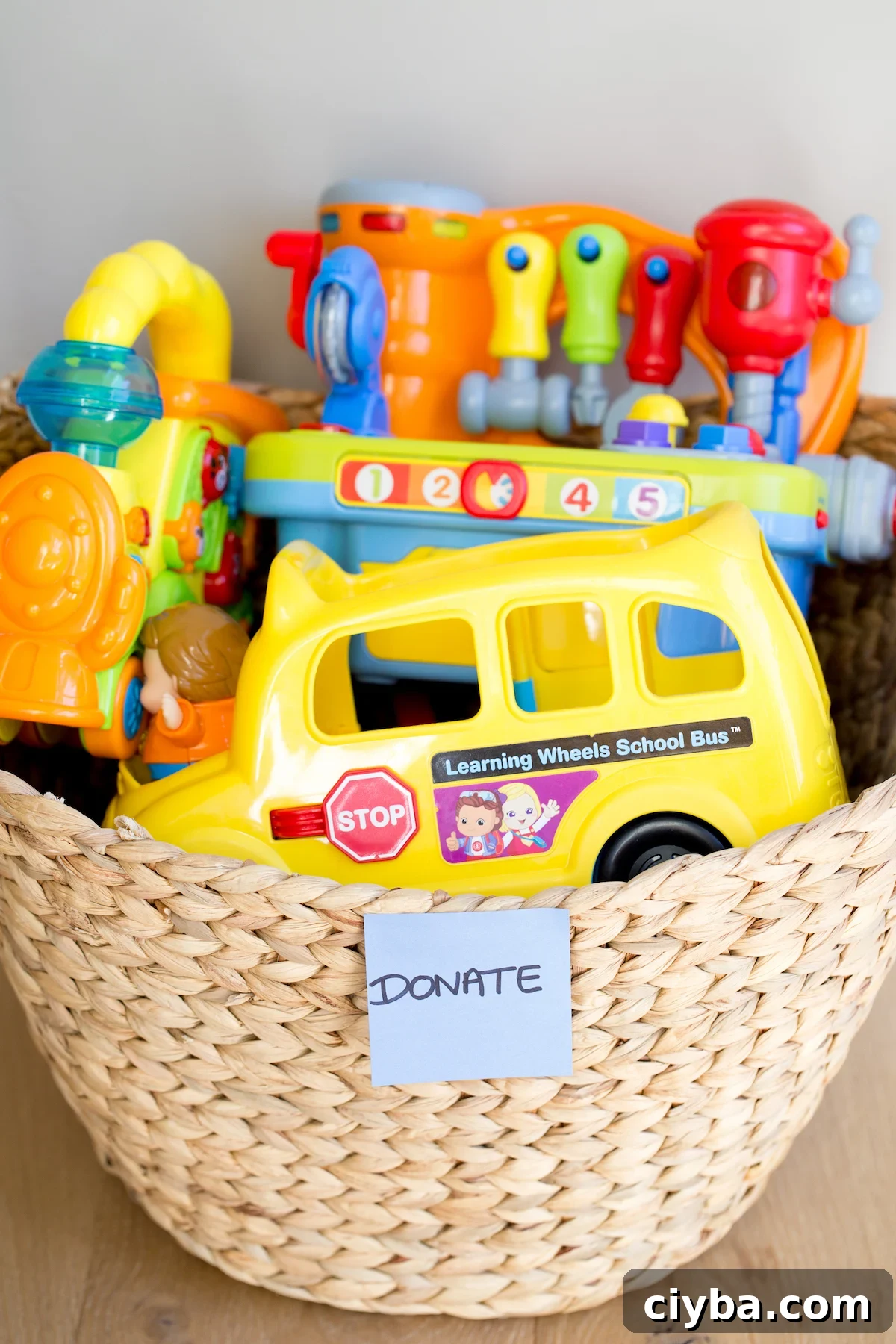
Remove unwanted toys promptly while you still have momentum. Aim to move them out within a few days.
Options for unwanted toys:
- Donate: Give toys in good condition to shelters, hospitals, preschools, or charities.
- Sell: List gently used toys for sale locally or hold a yard sale to recoup some value.
- Recycle: Check local recycling options for plastics and consider specialized programs for hard-to-recycle toys. Recycling options vary, so research locally before discarding.
Once the declutter is complete, enjoy watching your children play in a calmer, more focused space—and enjoy the extra room and quiet you’ve created.
How to Keep the Toys Decluttered
Maintaining a decluttered toy collection requires a plan. These strategies will help prevent the pileup from returning.
- Identify the source: Notice how most toys enter your home—gifts, hand-me-downs, impulse buys—and address those sources.
- Change buying and receiving habits: Be intentional about purchases and let friends and family know your preferences.
- Pause before you buy: Avoid impulse purchases and discuss new toys with family members before buying.
- Politely decline bulk hand-me-downs: Offer alternatives like contributing to a recycling solution or accepting only specific, useful items.
- Request experience gifts: Ask for experiences or contributions to educational funds instead of more toys.
- Choose toys with intention: Favor open-ended toys that support creativity and longer play sessions. Resist buying more of something simply because it temporarily occupies your child.
- Adopt a one-in, one-out policy: For every new toy, have the child select one or two to donate, sell, or recycle—preferably before the new one arrives.
Frequently Asked Questions
There’s no set number. Decluttering is a process and you’ll likely become comfortable with fewer items over time. Focus on keeping toys that add value, encourage creative play, and make you feel good about the space.
Children under four often don’t need to be involved. For older kids, participating can teach decision-making, generosity, and how to value belongings. Around ages four or five, involve them in selecting items to donate and consider letting older children sell items for pocket money.
A simple, polite message explaining your efforts to declutter usually works. Offer alternatives like experience gifts, contributions to an education fund, or a specific list of preferred items. If needed, mention environmental reasons for reducing plastic toys.
Got more questions? Drop them in the comments below and I’ll add answers to the most common ones here!
More toy alternatives and decluttering tips:
- How to Declutter Kids’ Books
- Best Experience Gifts for Kids
Pin this Post