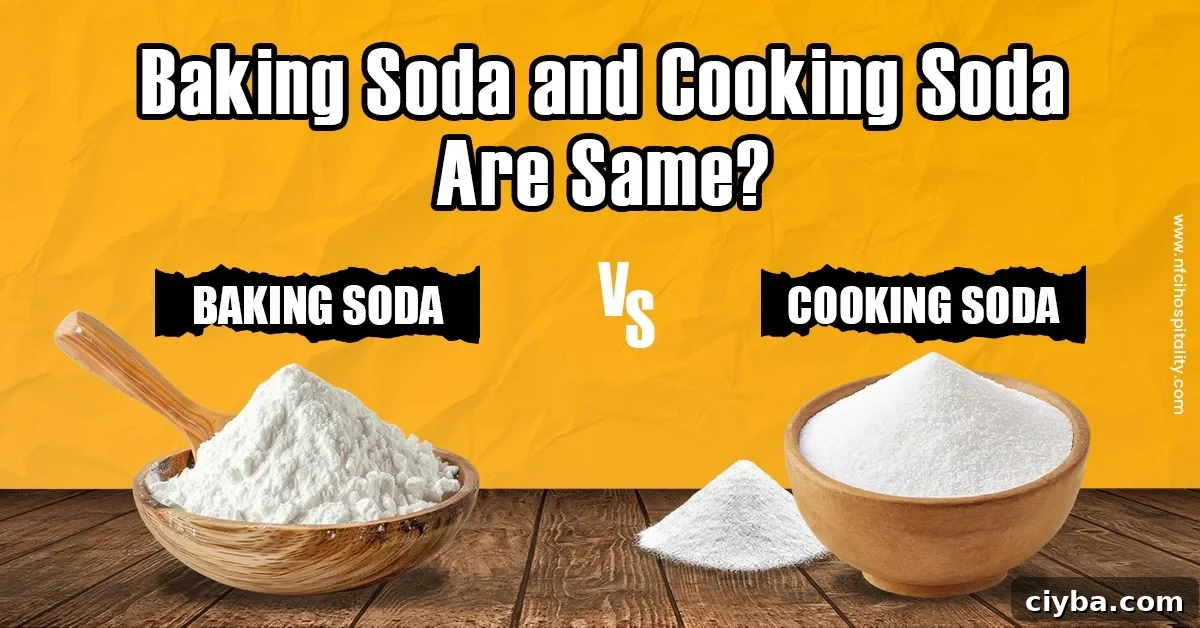
Have you ever watched a cooking show or tried baking a cake? If so, you’ve likely encountered the terms baking soda and cooking soda. These names often cause confusion: are they the same? And where do baking powder and soda powder fit in?
Understanding these common leavening agents is essential for anyone learning to cook or bake. This article clarifies the differences, explains how each works, and offers practical guidance on when and how to use them.
What is Baking Soda?
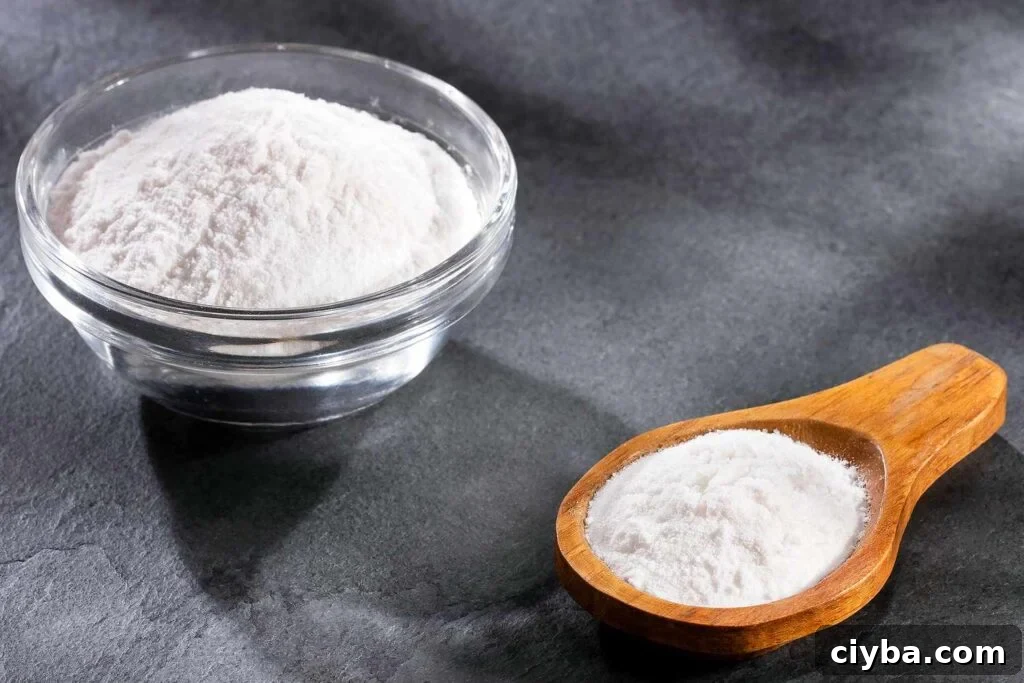
Baking soda is a white, crystalline powder used widely in cooking and baking. Chemically, it is sodium bicarbonate (NaHCO₃). As a leavening agent, it plays a key role in producing light, airy textures in baked goods.
How it works
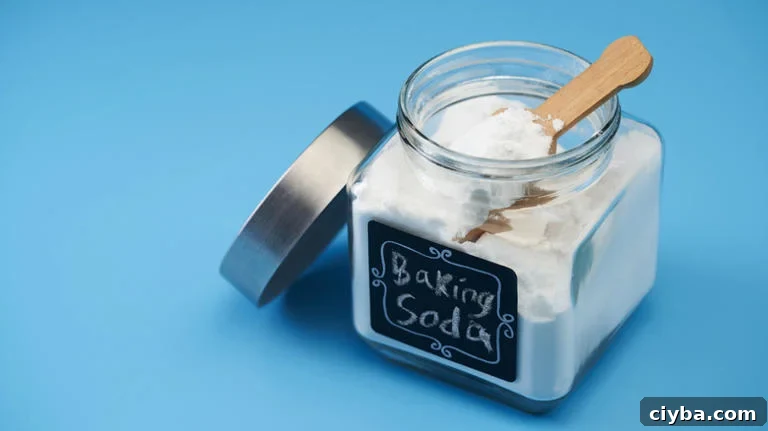
Baking soda is a base and needs an acidic ingredient and a liquid to activate. Typical acids in recipes include lemon juice, vinegar, yogurt, buttermilk, or curd. When baking soda contacts an acid and moisture, it quickly releases carbon dioxide (CO₂) gas. Tiny gas bubbles form and become trapped in the batter or dough, causing the mixture to expand and rise during baking. Because the reaction begins immediately, batters using plain baking soda should be baked promptly after mixing for best results.
Is Cooking Soda the Same as Baking Soda?
Yes. In most contexts, cooking soda and baking soda refer to the same substance: sodium bicarbonate. The difference is mostly regional and linguistic. In many Indian kitchens and cookbooks, the term “cooking soda” or “soda powder” is commonly used. Elsewhere, “baking soda” is the standard term.
- Baking Soda: Common term in Western countries and professional baking.
- Cooking Soda: Widely used in Indian recipes and households.
- Soda Powder: Informal term often used interchangeably with baking soda.
In short, Baking Soda = Cooking Soda = Soda Powder = Sodium Bicarbonate. However, do not confuse any of these with baking powder — a different ingredient with its own properties and uses.
What is Baking Powder?
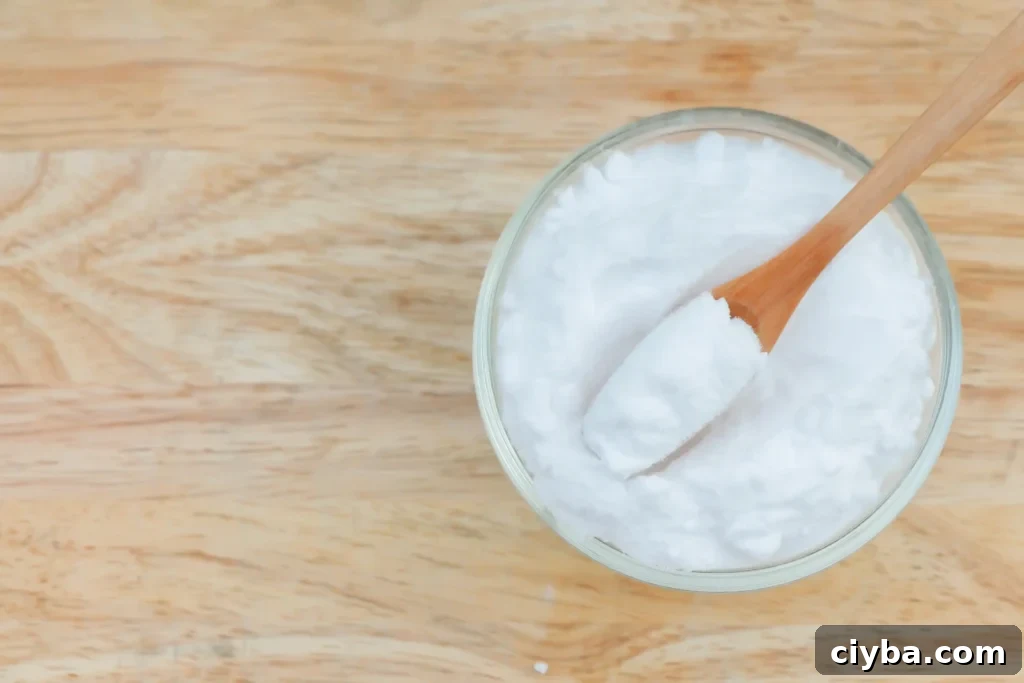
Baking powder is a complete chemical leavening agent that contains baking soda along with an acidic component and a drying agent (usually cornstarch). Because it already includes both the base and the acid, it does not require additional acidic ingredients in the recipe to produce carbon dioxide.
A typical baking powder includes three components:
- Baking soda (sodium bicarbonate)
- An acidic salt (such as cream of tartar or another acid salt)
- A drying agent (commonly cornstarch to absorb moisture and extend shelf life)
How baking powder works
When combined with liquid, baking powder releases carbon dioxide, creating bubbles that expand and lift the batter. There are two main types:
- Single-acting baking powder: Reacts as soon as it becomes wet, so batter should be baked immediately.
- Double-acting baking powder: Releases some gas when mixed with liquid and more when exposed to heat, offering more reliable rise and better timing flexibility.
When to use baking powder
Use baking powder in recipes that do not contain natural acidic ingredients. Typical uses include:
- Cakes, cupcakes, and muffins
- Biscuits and quick breads
- Pancakes, waffles, and sponge cakes
- Cookies and many batters where a neutral pH ingredient base is present
Baking Soda vs. Baking Powder
Both are leavening agents, but they are not directly interchangeable without adjustment. Key differences include:
| Feature | Baking Soda | Baking Powder |
| Acid Requirement | Requires an acidic ingredient | Contains its own acid |
| Speed of Reaction | Fast — begins immediately when moistened with an acid | Slower or staged — double-acting types react in two phases |
| Taste if overused | Can taste bitter or soapy | May leave a slight bitter aftertaste if overused |
| Typical use | Recipes with acidic ingredients (lemon, curd, buttermilk) | Recipes without acidic components (neutral batters) |
Common Uses for Baking Soda
Baking soda has many culinary and household uses beyond leavening:
- Speeds up cooking of legumes such as rajma and chhole when used sparingly.
- Helps clean fruits and vegetables by removing residues.
- Neutralizes odors in refrigerators and other small spaces.
- Contributes to softness and light texture in idlis and dhoklas in traditional recipes.
- Acts as a mild abrasive for cleaning ovens, tiles, and other greasy surfaces.
Common Uses for Baking Powder
Baking powder is ideal when the recipe lacks natural acids. Typical uses include:
- Leavening cakes, muffins, and cupcakes
- Lightening batters for pancakes and waffles
- Helping batters and fritters rise for a fluffier texture
- Creating crisp, airy textures in certain fried snacks
Can You Substitute One for the Other?
Substitution is possible but requires adjustments. If you lack baking powder, you can make a rough homemade version using baking soda plus an acid and a little cornstarch to stabilize it. A common formula is:
1 tsp baking powder = 1/4 tsp baking soda + 1/2 tsp lemon juice or vinegar + 1/4 tsp cornstarch
Replacing baking soda with baking powder is more difficult because baking powder contains less active base per volume and includes acids that alter the recipe’s balance. For best results, follow the ingredient specified in the recipe whenever possible.
Understand Your Ingredients
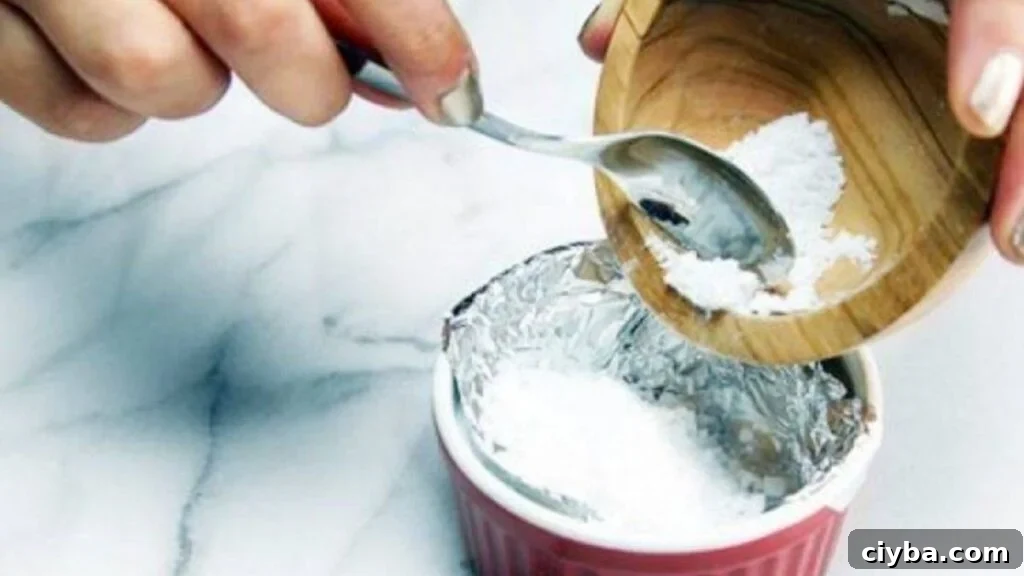
Knowing the roles of baking soda, cooking soda, baking powder, and soda powder helps you make better culinary choices. These ingredients may look similar, but their chemistry and behavior in recipes differ. Learning how and when to use each will improve the texture, rise, and flavor of your baked goods and dishes.
Further Learning and Professional Training
If you want to deepen your cooking and baking skills, consider structured culinary and bakery courses that cover food science, techniques, and real-world kitchen practices. Practical training under experienced chefs can turn your hobby into a professional path.