
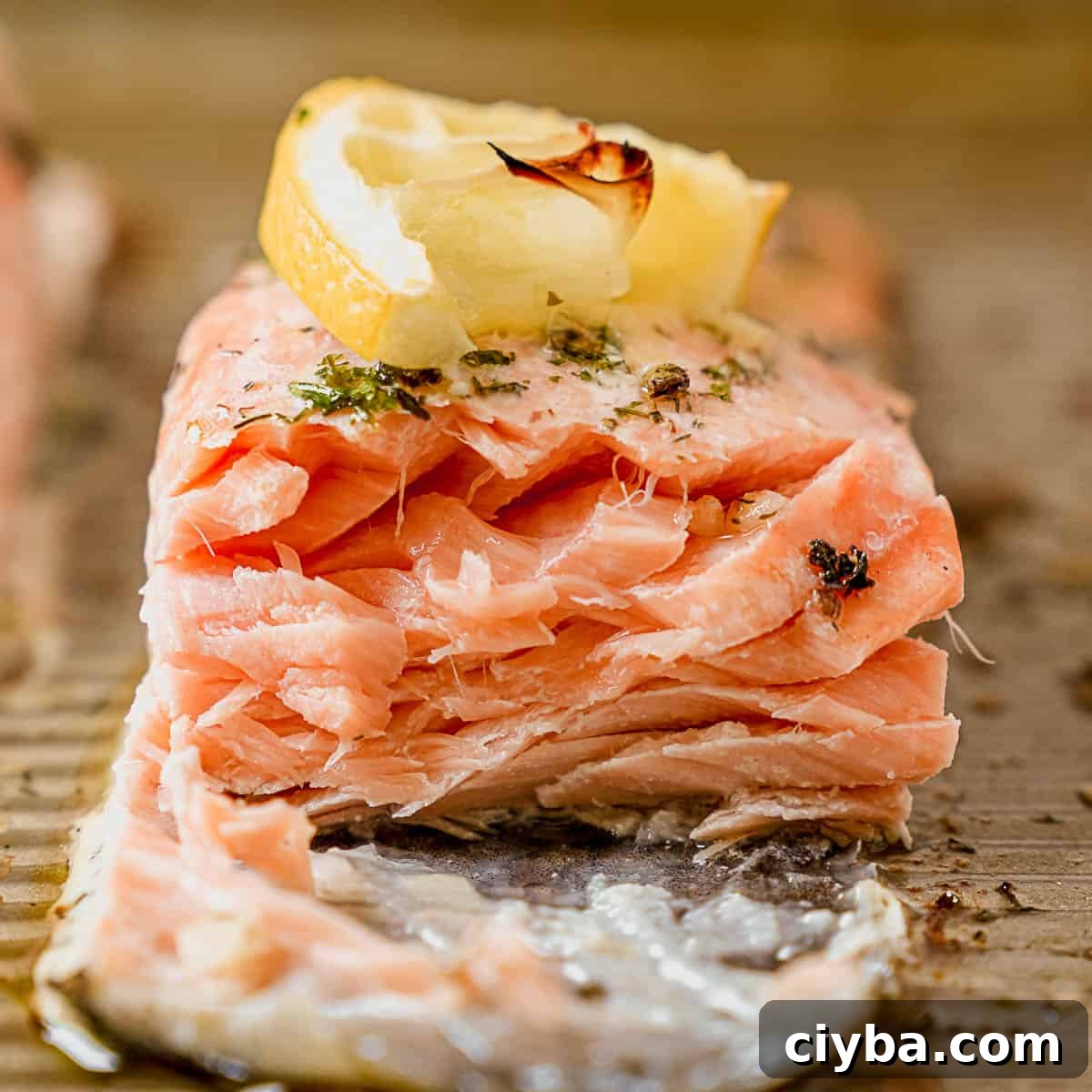
Perfectly Baked Salmon at 400

Silky, buttery salmon is a simple culinary pleasure: tender, flaky flesh that almost melts on the tongue. The difference between that perfect texture and a dry, tough fillet is timing and temperature. Overcooking quickly ruins salmon, so baking it properly matters.
Baking salmon at 400°F is one of the easiest, most reliable methods. You can simply season or marinate the fillets, place them on a parchment-lined baking sheet, and have excellent salmon in about 12–15 minutes depending on thickness.
Read on for clear, practical guidance on how to bake salmon at 400°F to achieve tender, flavorful results every time.
Is it better to bake salmon at 400 or 425?
Both 400°F and 425°F can produce great salmon when you stop cooking at the right internal temperature. The main difference is timing and surface texture. At 400°F the fish takes a few extra minutes and is less likely to dry out; at 425°F the exterior may crisp a bit more. For a balance of speed and moisture retention, 400°F is often the sweet spot.
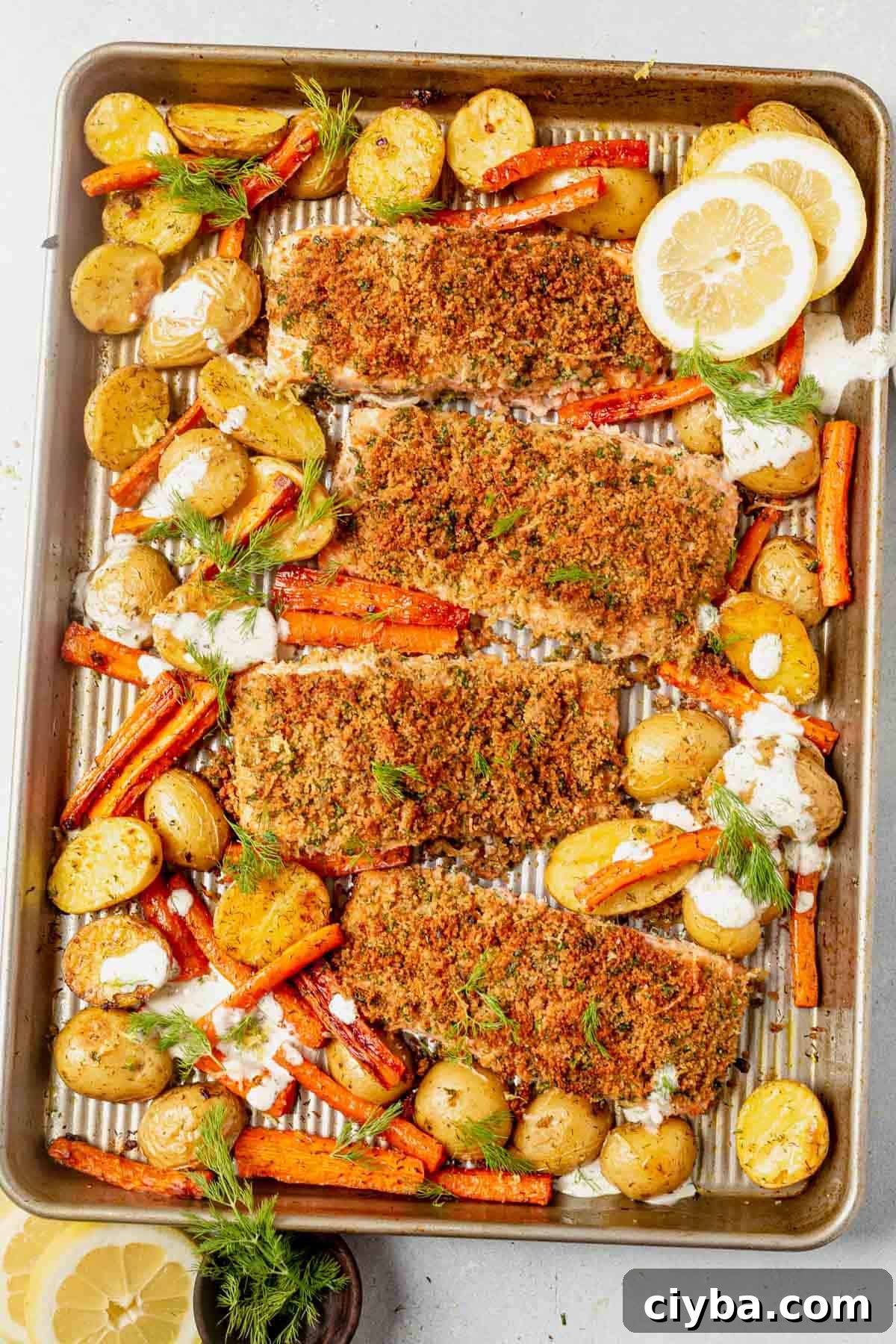
More recipe ideas: herb-crusted salmon, tahini-ginger salmon, or almond-crusted salmon make excellent variations.
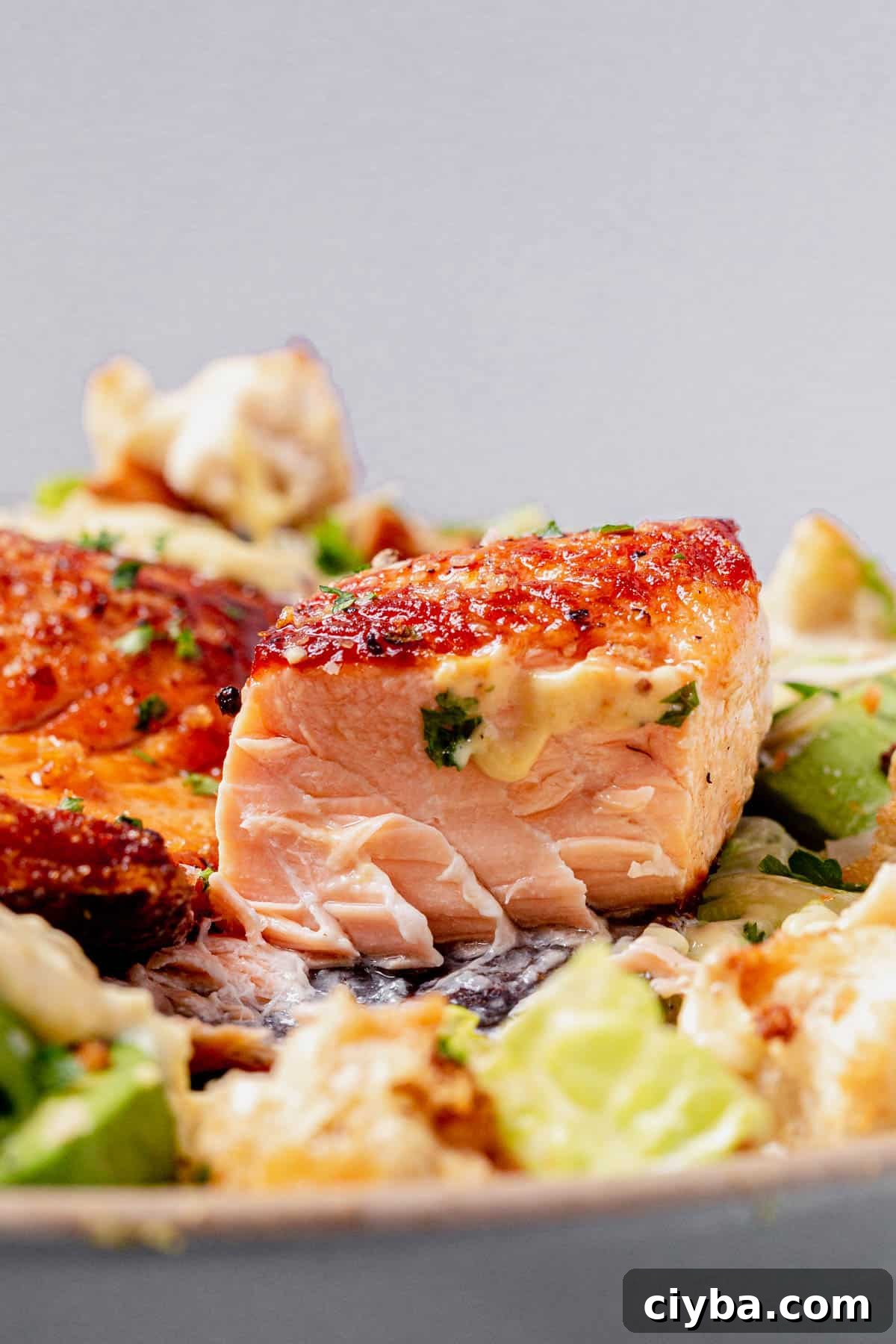
Want serving ideas? Try salmon on a Caesar salad, tossed with arugula, or seasoned with everything bagel spice for a quick, satisfying meal.
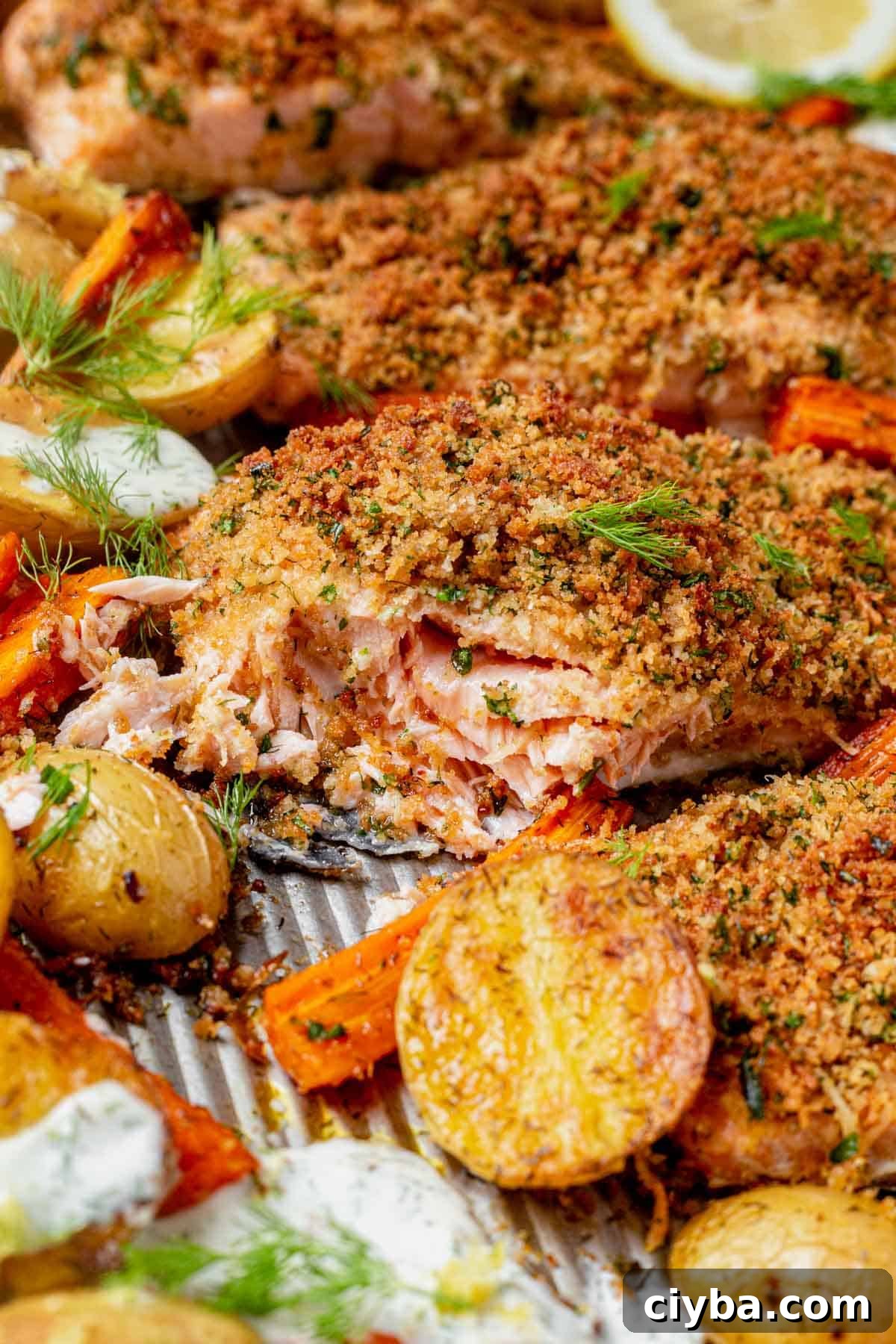
How Long to Bake Salmon at 400
Baking time depends mainly on the thickness of the fillet. As a guideline, a 4-ounce fillet (about 1 inch thick) will usually take 10–15 minutes at 400°F. Thicker fillets (more than 1 inch) can take 15–20 minutes. Always rely on internal temperature and visual cues more than the clock.
Key point: cook until the salmon reaches the proper internal temperature and flakes easily with a fork.
How to Know When Salmon is Done
Best Internal Temperature of Salmon
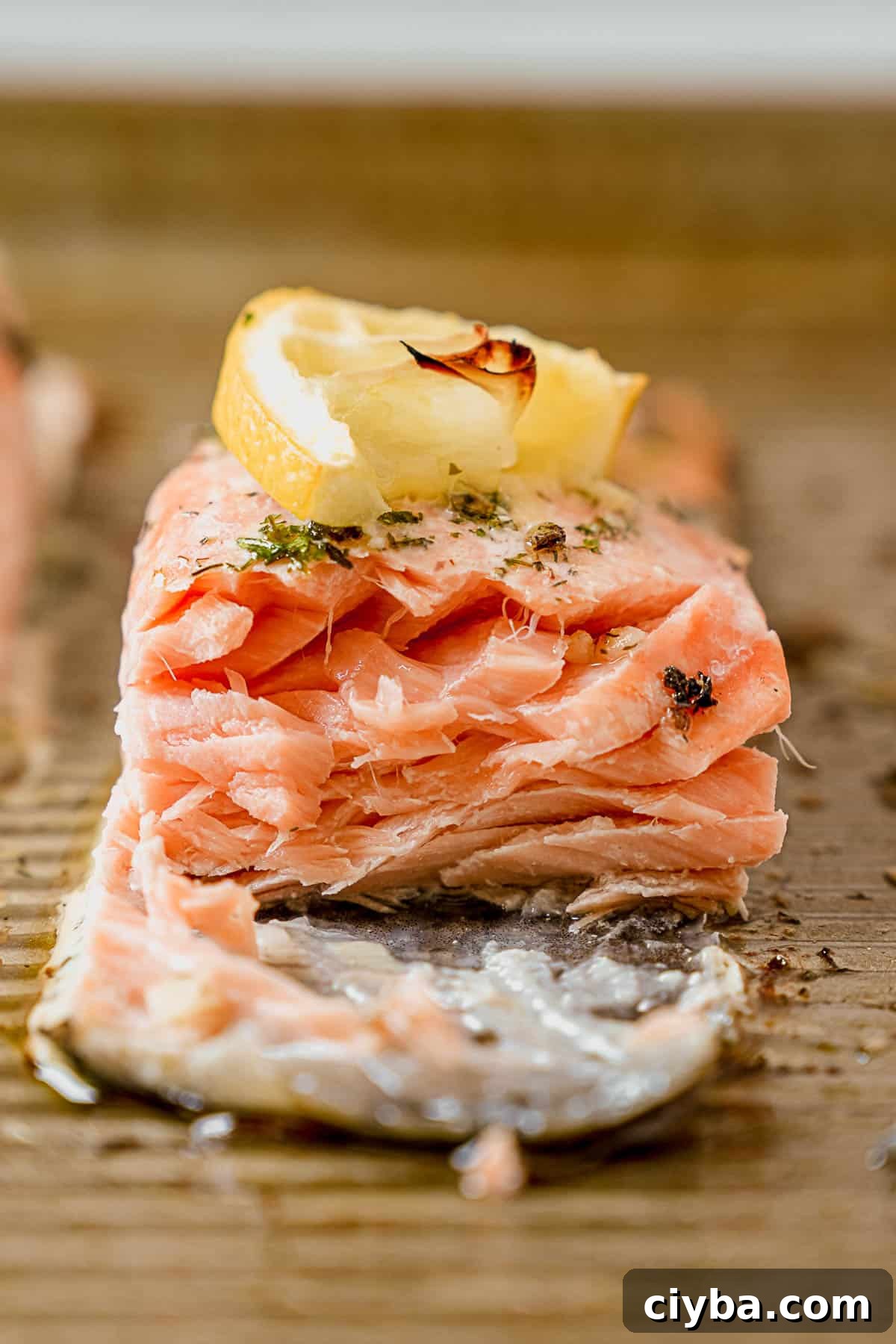
Perfect salmon is moist, tender, and flaky. For most home cooks the best target is 130–135°F. A practical approach is to pull the salmon from the oven when an instant-read thermometer reads about 125–130°F in the thickest part; the residual heat will raise it slightly as it rests.
Let the salmon rest for 5–10 minutes after removing it from the oven so juices redistribute and the texture settles.
Food-safety guidance varies, but many cooks prefer the 125–135°F range for juicy, safe results. Use an instant-read thermometer inserted into the thickest portion for the most reliable check.
Salmon Internal Temperature Guide
- Rare: under 120°F.
- Medium-rare: 125–130°F.
- Medium (recommended): 130–135°F.
- Well-done: 140°F or higher (can dry out the fish).
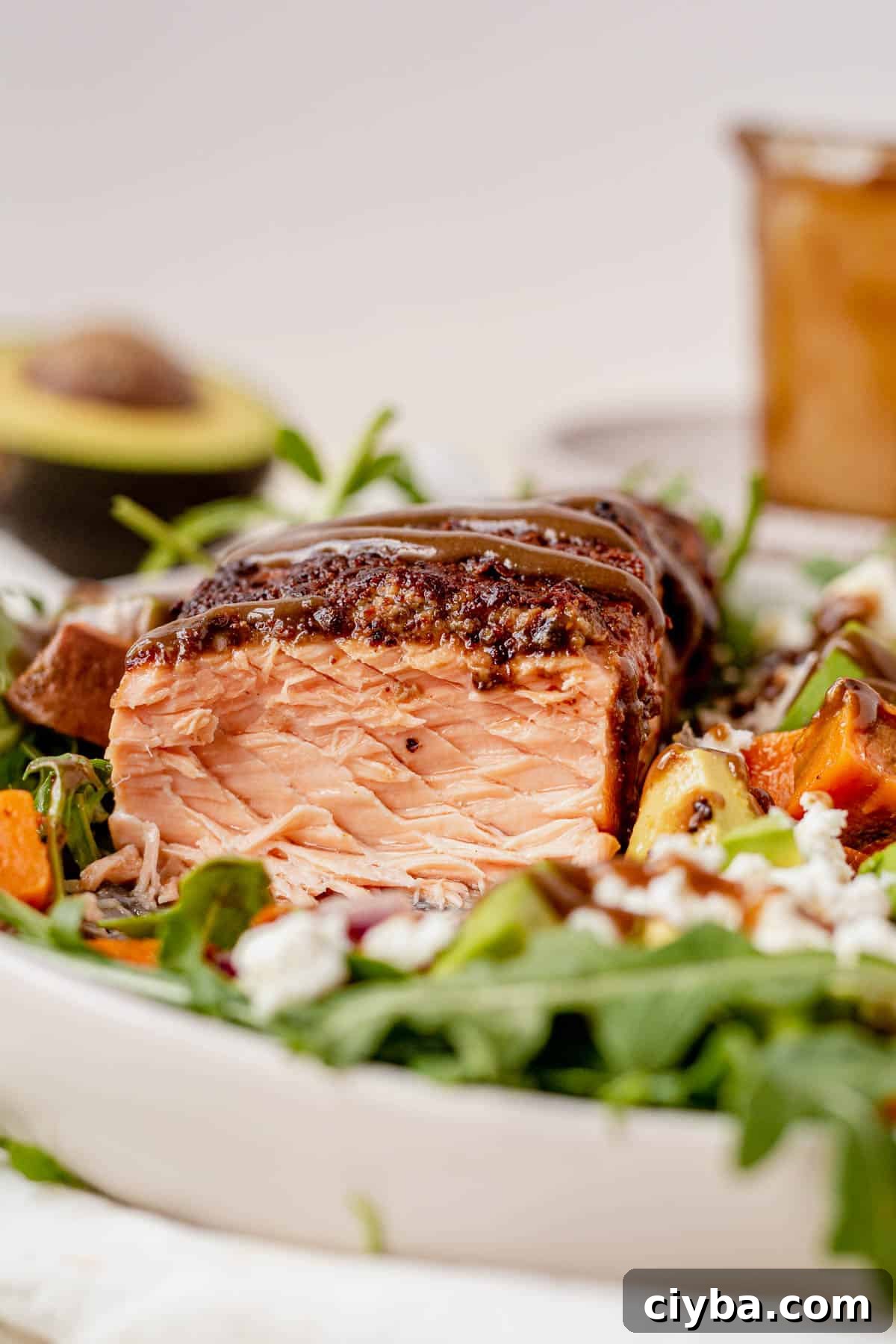
How to Bake Salmon at 400
Below is a clear step-by-step method so you know what to expect; a printable recipe is included further down.
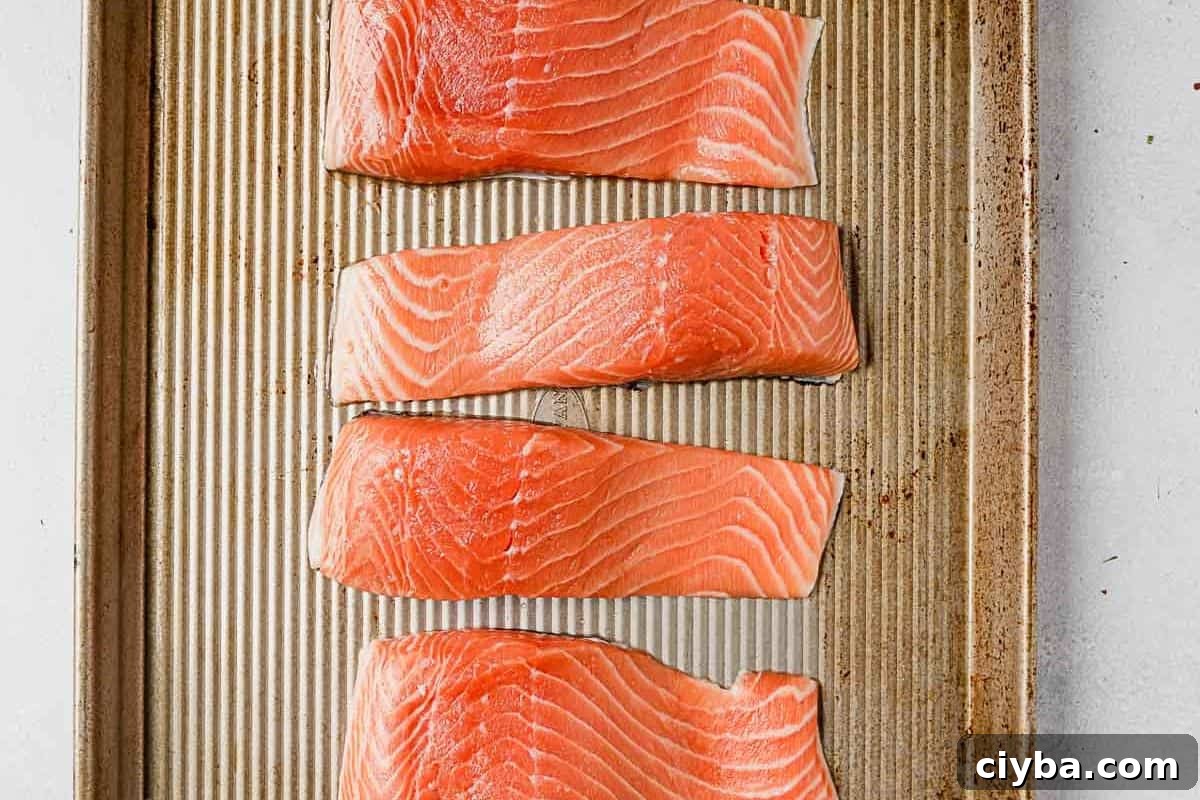
Prep the salmon: pat fillets dry and place them on a parchment-lined baking sheet. Let them sit at room temperature briefly while you assemble seasonings so they cook evenly.
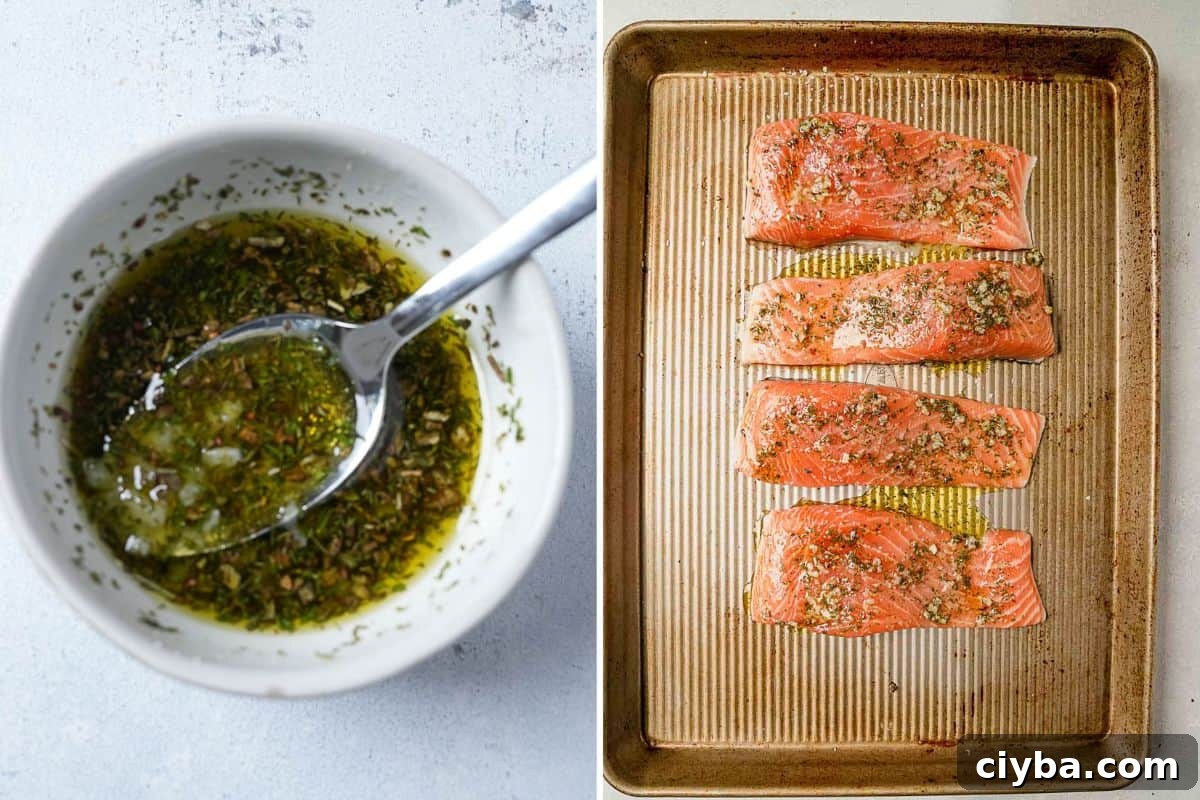
Season: sprinkle kosher salt and cracked black pepper on the fillets. Whisk together olive oil, minced garlic, and a mix of dried herbs (thyme, oregano, basil, dill) with lemon juice. Spoon the mixture over each fillet so the tops and sides are coated.
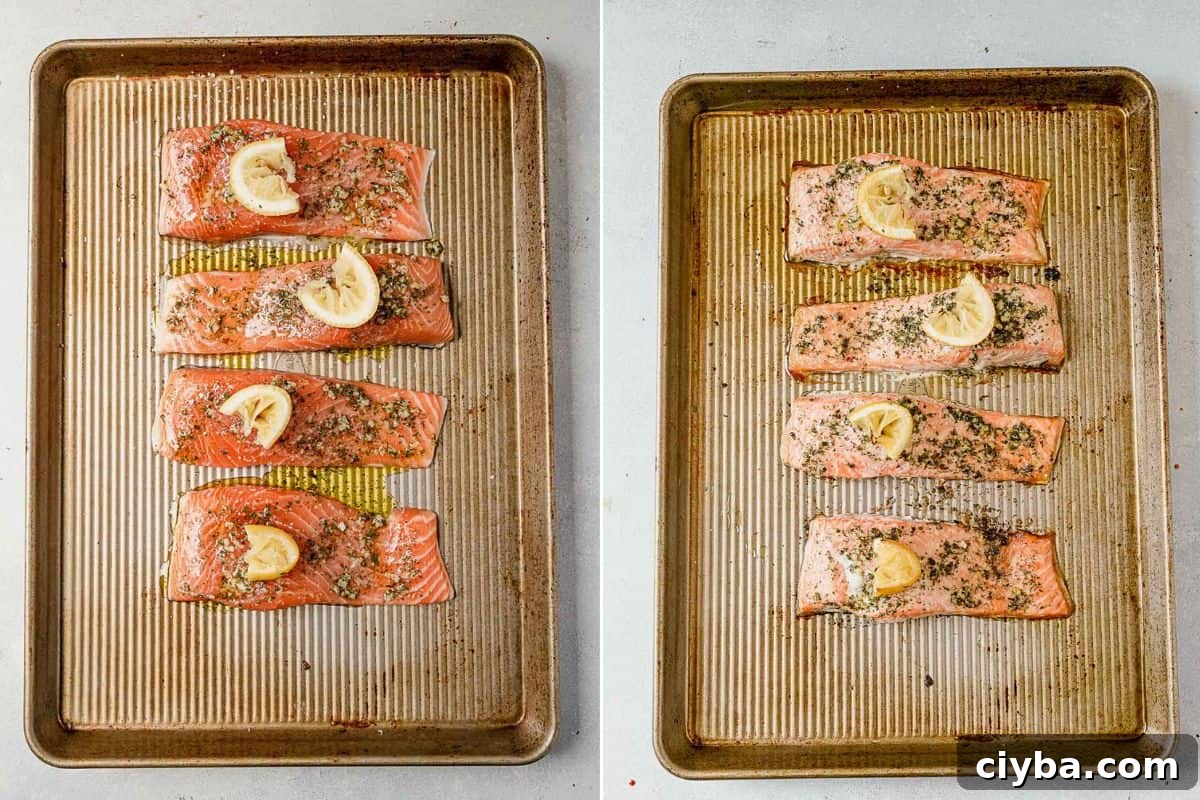
Bake: top each fillet with a lemon slice or wedge. Bake at 400°F for 10–15 minutes for standard fillets, or 12–20 minutes for thicker pieces, until the fish is opaque and flakes with a fork. If using a thermometer, remove when the thickest part reads 125–130°F and let rest to reach 130–135°F.
Common Mistakes when Cooking Salmon
- Overcooking: rely on a thermometer and the flaky test rather than only on time.
- Forgetting pin bones: check fillets for any pin bones and remove them before cooking.
- Reheating improperly: salmon can dry and develop off-odors if reheated quickly; consider serving cold on salads or warming gently.
- Under-seasoning: simple seasoning—olive oil, butter, garlic, pepper, and lemon—works beautifully, and fresh herbs add brightness.
Expert Tips for Cooking Salmon at 400
Use these practical tips to improve results:
- Temper the fish: let salmon come closer to room temperature before baking for even cooking.
- Pat dry: remove excess moisture to help seasonings stick and prevent steaming.
- Prepare the baking sheet: line it with parchment or foil for easier cleanup and even heat.
- Use an instant-read thermometer: check the thickest part for a reliable doneness reading.
Types of Salmon
Several varieties of salmon are commonly available; three popular ones are described below.
- Chinook (King) Salmon: the largest, rich in fat, and prized for its flavor. It can range from red to pale flesh. Chinook are anadromous, meaning they live in both fresh and salt water.
- Sockeye (Red) Salmon: known for firm, bright-orange flesh and a robust flavor. Sockeye is often wild-caught and stands up well to grilling.
- Atlantic Salmon: the most commonly farmed variety. Farmed salmon tends to be fattier and milder in flavor; color may be enhanced before sale.
Health Benefits of Salmon
Salmon is nutrient-dense and a good source of omega-3 fatty acids and several B vitamins. Regularly including salmon in your diet contributes beneficial fats, protein, and micronutrients that support heart and brain health, among other benefits.
- Heart health: omega-3s and potassium help reduce inflammation and support healthy blood pressure.
- Brain support: fatty acids and several vitamins support cognitive function.
- Skin and cellular health: nutrients in salmon help maintain skin quality and overall cellular function.
Adding properly cooked salmon to meals is an easy way to boost nutrient intake.
Serving, Storing, and Reheating Salmon
Follow these food-safety and storage tips for leftovers:
- Serving: do not leave cooked salmon out more than two hours (one hour if ambient temperature is above 90°F).
- Storing: refrigerate leftovers in an airtight container for up to 3–4 days. Discard if the salmon smells unusually strong.
- Freezing: cooked salmon freezes well for up to three months when stored airtight.
- Reheating: avoid microwaving when possible. Reheat gently—on the grill, in an air fryer, or in a low oven—until warmed through to your preference, taking care to avoid drying.
Frequently Asked Questions
It depends on budget and taste. Chinook (king) is prized for flavor but can be costly; Atlantic (farmed) is more affordable and widely available. Sockeye has a stronger flavor and firm texture.
Either way works. Skin on protects the flesh from direct heat and can be removed after cooking; skinless fillets are convenient for presentation and plating.
That white substance is albumin, a protein that coagulates during cooking. It is harmless and safe to eat.
Consuming raw or undercooked seafood carries some risk. If you plan to eat raw salmon, use fish labeled for raw consumption (sushi- or sashimi-grade) and follow safe handling practices.
Stored in an airtight container in the refrigerator, cooked salmon is good for about 3–4 days.
Salmon Recipes
- Almond-crusted salmon
- Herb-crusted salmon
- Honey-glazed salmon
- Salmon arugula salad
- Air fryer salmon bites
- Blackened salmon
- Honey garlic salmon rice bowl
- Salmon pesto pasta
- Salmon with mango salsa
How to Bake Salmon at 400
Ingredients
- 4 salmon fillets (4–6 oz each)
- 2 tablespoons olive oil
- ½ teaspoon kosher salt
- ¼ teaspoon cracked black pepper
- 2 cloves minced garlic
- ¼ teaspoon each: dried thyme, oregano, basil, and dill
- Juice from 1 lemon, plus 4 lemon wedges
Instructions
- Preheat oven to 400°F and line a baking sheet with parchment. Arrange salmon fillets on the sheet and season with salt and pepper.
- Whisk together olive oil, minced garlic, dried herbs, and lemon juice. Spoon and rub the mixture over the tops and sides of each fillet. Top each fillet with a lemon slice.
- Bake 12–15 minutes for typical fillets, longer for thicker pieces, until opaque and flaky. Optionally broil 1–2 minutes for a lightly browned top. Remove when thickest part reads about 125–130°F and let rest to reach 130–135°F.
- Garnish with fresh herbs if desired and serve.
Equipment
- Sheet pan
- Parchment paper
- Instant-read thermometer (recommended)
Nutrition
Serving: 1 5-ounce fillet | Calories: 248 kcal | Carbs: 0.6 g | Protein: 31.6 g | Fat: 13.7 g | Cholesterol: 72.3 mg | Sodium: 265.8 mg
Nutrition information is an approximation.
Like this recipe? Leave a comment below and share how it turned out!