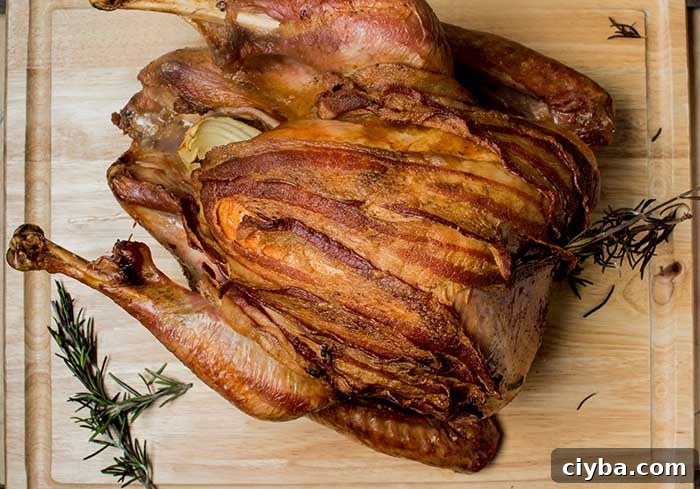
Resting your smoked turkey is the best way to guarantee tender, juicy barbecue meat. From simple foil wrapping to ideal resting times, this guide explains how to rest a smoked turkey so you get the most flavor and the best texture.
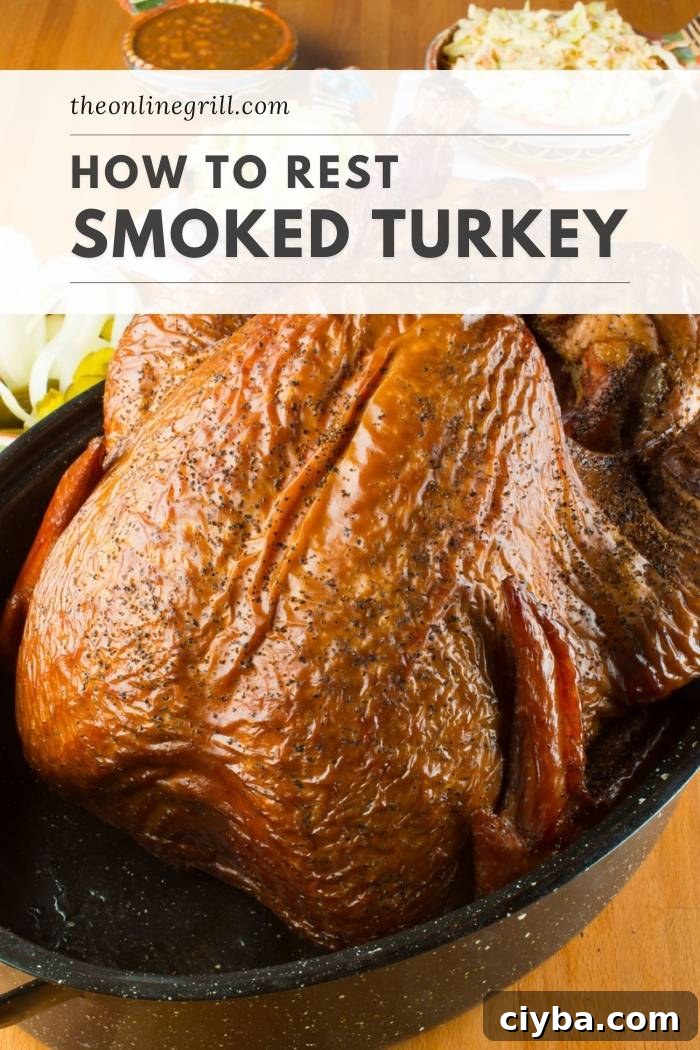
- Resting Smoked Turkey: Explained
- How to Rest Smoked Turkey
- How Long to Let Turkey Rest
- Should I Cover Turkey When Resting?
- When is Smoked Turkey Done?
A whole turkey is the centerpiece of many family dinners and holiday tables, so getting every step right matters. One of the most important and often overlooked steps is letting the smoked turkey rest before carving and serving.
This guide explains why smoked turkey should rest and how to do it correctly: the best resting times, whether to cover the bird, and how to keep skin crisp while preserving juices and flavor.
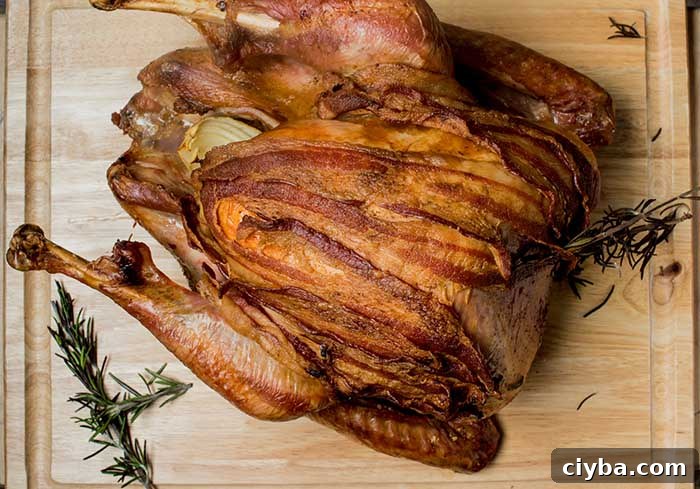
Resting Smoked Turkey: Explained
Resting a turkey after smoking locks in moisture and improves texture. During cooking, meat proteins denature and then tighten, which can push moisture toward the surface. If you carve immediately, those juices run out onto the cutting board. Resting gives the proteins time to relax and allows juices to redistribute throughout the meat again, resulting in a juicier, more tender final product.
This step is especially important for large birds. White meat is prone to drying, and the resting period helps keep both white and dark meat succulent. A well-rested turkey will also have better texture and a fuller tasting profile because the juices are retained inside the slices rather than lost during carving.
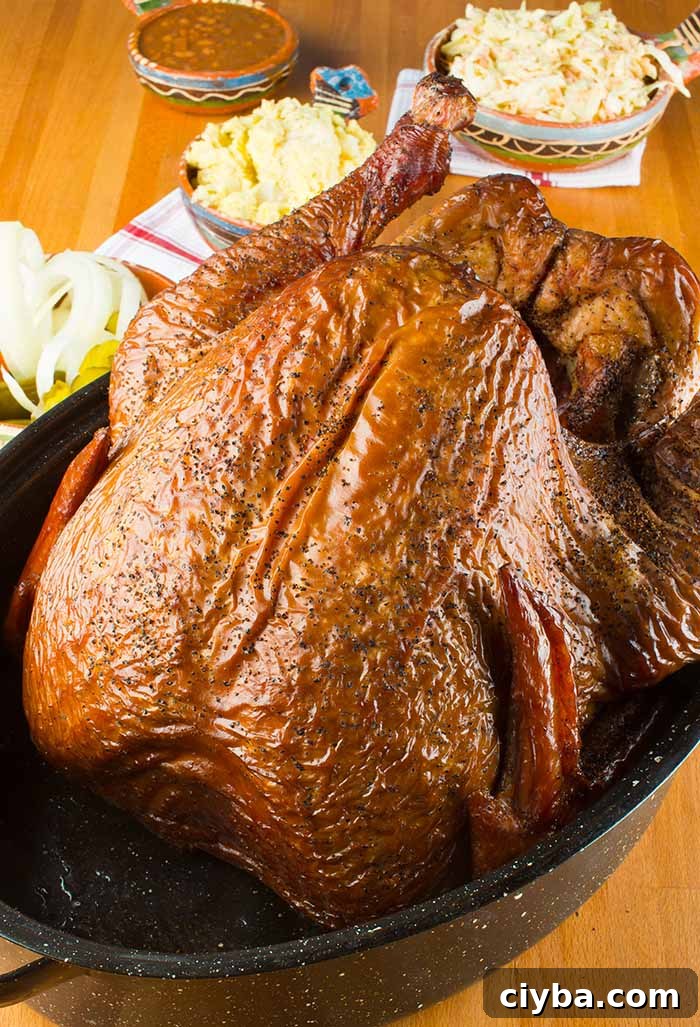
How to Rest Smoked Turkey
Resting a smoked turkey is straightforward if you follow a few practical steps:
- Use a digital meat thermometer and remove the turkey from the smoker when the thickest part reaches about 160°F (71°C). The internal temperature will rise a bit during resting.
- Place the turkey breast-side down on a wooden cutting board or a shallow pan to help any surface juices migrate back into the breast meat.
- Leave the turkey uncovered if you want to keep the skin crisp. Let it rest for 20 to 40 minutes depending on the size of the bird.
- After resting, carve and serve immediately for best results.
If you need to delay carving, you can loosely tent the turkey with aluminum foil to slow heat loss. Tenting will hold heat longer but will also soften the skin. For longer holds—up to a couple of hours—wrap the bird in foil and then insulate with clean towels in a dry cooler to keep the temperature above a safe serving level.
How Long to Let Turkey Rest
Plan to rest a smoked turkey for at least 20 minutes and up to 40 minutes for very large birds. During this time the juices redistribute and the meat firms just enough to make clean, juicy slices. Skipping or shortening this period can result in drier slices and a less satisfying plate.
Longer rests improve moisture retention, but very long holds without proper insulation can allow the bird to cool too much. If you need extra holding time, use the foil-and-towel method to maintain warmth without oversteaming the skin.
Should I Cover Turkey When Resting?
For the crispiest skin, rest the turkey uncovered. If safety or timing requires you to hold the bird longer, tent loosely with foil to slow the temperature drop. Avoid sealing the turkey tightly in foil unless you accept that the skin will lose crispness from trapped steam.
When is Smoked Turkey Done?
Always use temperature rather than appearance or time to determine doneness. Aim for an internal temperature of 165°F (74°C) in the thickest part of the bird for safe serving. Because carryover cooking raises the internal temperature after you remove the turkey from the smoker, it’s common to pull the bird when it registers about 5°F lower than the target and let it finish rising while it rests.
Use a reliable digital thermometer and take readings at the thickest parts—typically the breast and thigh—to ensure the whole bird has reached a safe temperature. Proper resting combined with correct internal temperature produces the moist, flavorful smoked turkey you want at every meal.