
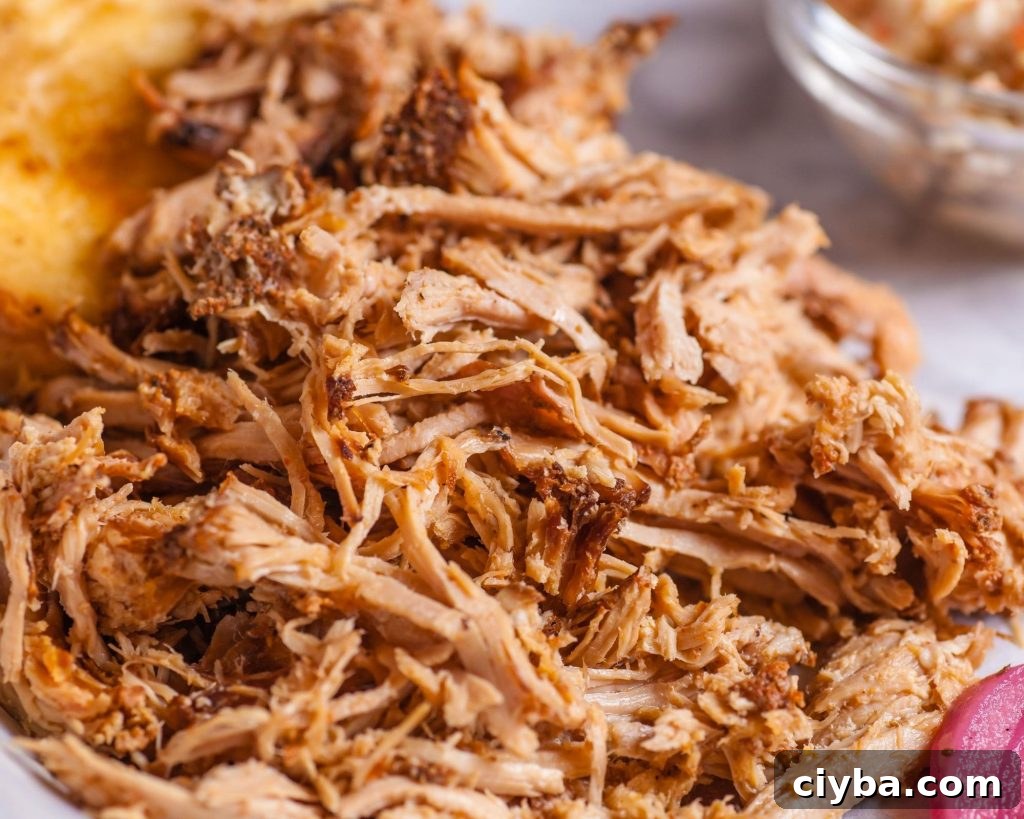
Pulled pork is a versatile, budget-friendly protein that school nutrition programs can use to create a wide range of appealing meals. Programs can purchase precooked pulled pork for convenience or buy raw pork shoulder and prepare it in-house to maximize flavor and control ingredients.
Pork shoulder is an economical, forgiving cut that works well for school kitchens moving toward more scratch cooking. It responds well to long, slow cooking methods, which allows staff to prepare large quantities with minimal hands-on time while producing tender, flavorful results.
Below are two practical methods for cooking pork shoulder, demonstrated by school districts that have successfully incorporated the meat into their menus.
Overnight Cooking
San Diego Unified School District (California) uses a combi oven for an overnight cooking technique that produces tender pork with minimal monitoring.
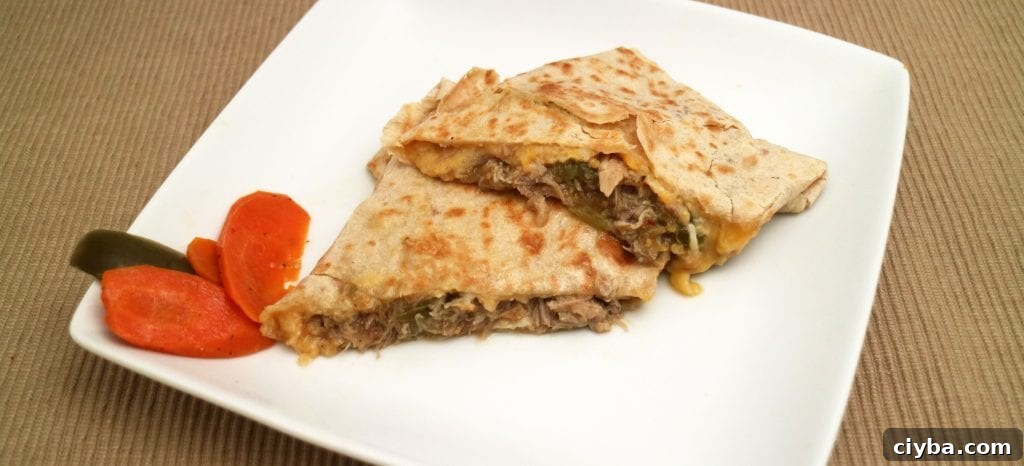
Carnitas Chili Verde Pork Quesadilla
These quesadillas combine tender pulled pork, vibrant salsa verde and melted cheese for a filling, student-friendly entrée. The slow-cooked pork makes an excellent filling with consistent texture and flavor.
Oven Roasting
This oven-roasting method is used by the Windham Raymond School District in Maine and is ideal for kitchens without specialized equipment.
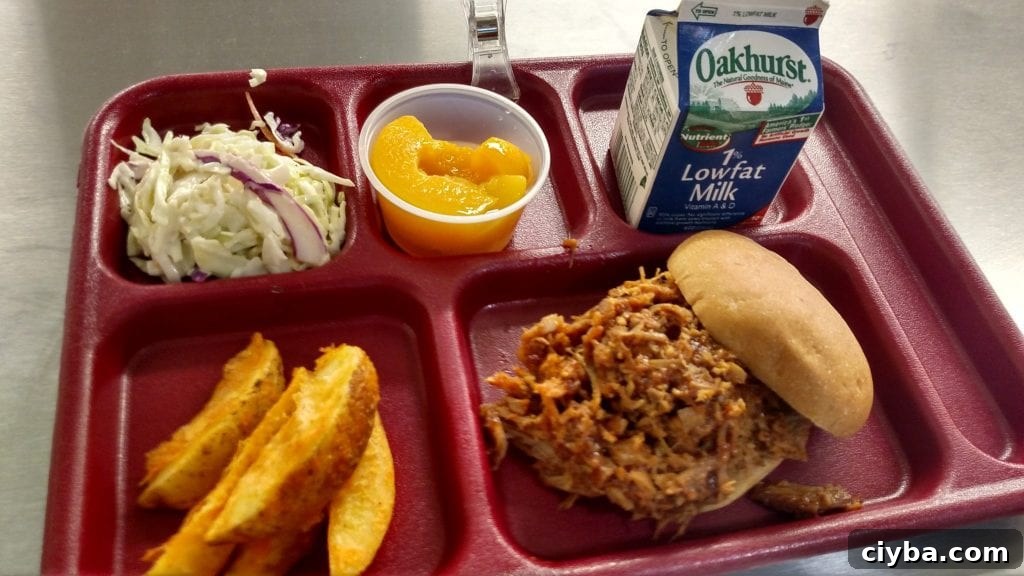
Windham BBQ Pulled Pork Sandwich
This straightforward BBQ pulled pork recipe features a short hands-on prep time and dependable, homemade flavor. Slow roasting in the oven breaks down connective tissue and results in moist, shreddable meat.
Both methods show how easy pork shoulder is to work with: set it in the oven or combi at a low temperature and let it cook for several hours. The longer it cooks, the more tender it becomes, allowing kitchens to focus on other tasks while the meat reaches the ideal texture.
Tip: Test doneness by inserting tongs and turning the meat—if it shreds easily, it’s ready to be removed from the oven.
Seasoning Pulled Pork
To enhance flavor while keeping sodium in check, season pork with a house-made, sodium-free spice blend. A simple, balanced BBQ spice blend adds depth without relying on processed sauces.
Shredding is Easy!
After cooking, shredding pork is fast—especially when using the right equipment. Proper technique lets you prepare large batches quickly; some operations can shred dozens of pounds in under a minute using a mechanical mixer or other safe, efficient tools.
Tip: This shredding technique also works well for cooked chicken, increasing kitchen flexibility and efficiency.
More Menu Ideas
Shredded pork can be used immediately in a variety of menu items or cooled and frozen for future use. Below are examples of creative, student-friendly dishes that make the most of pulled pork.
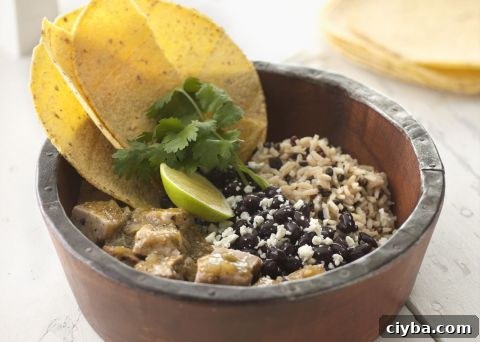
Black Pearl Medley® Pork Chile Verde
This hearty bowl pairs pulled pork with black beans and a colorful grain medley for balanced texture and flavor. It’s a satisfying entrée that works well on a tray line or in a grab-and-go program.
Alternatively, cool the shredded pork properly and freeze portions for later use in sandwiches, bowls and casseroles. Preparing double batches and freezing half creates kitchen efficiencies and reduces daily prep time.
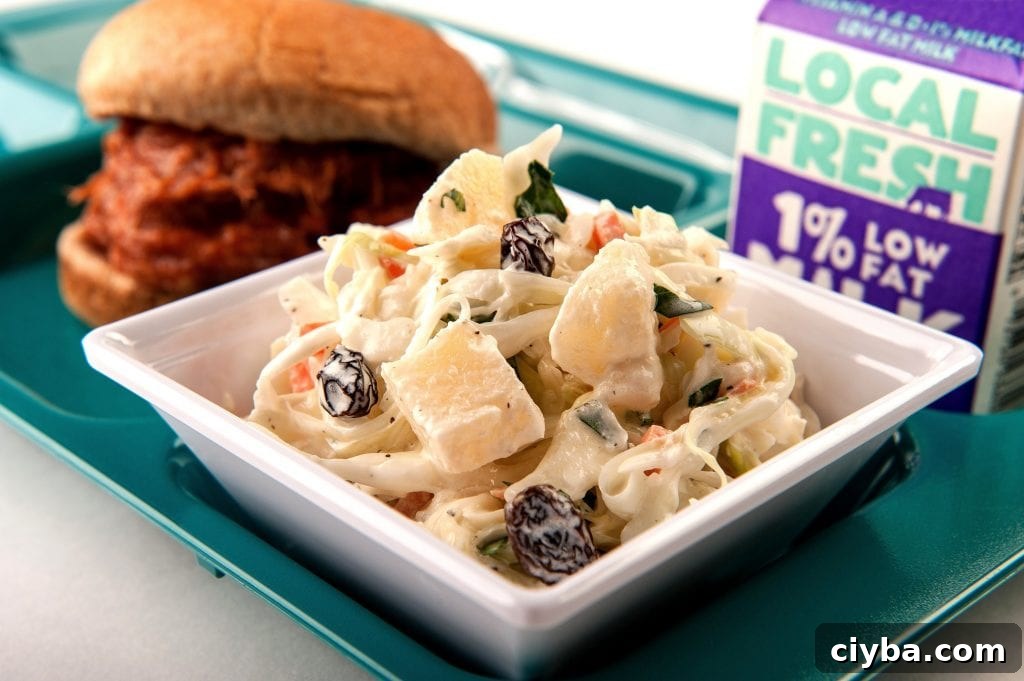
BBQ Pork and Pacific Northwest Canned Pear Slaw Sandwich
Dress up a classic BBQ pork sandwich with a creamy, tangy pear slaw for contrast in flavor and texture. This combination appeals to students and adds a fresh element to a familiar entrée.
Tip: To boost kitchen efficiency, cook double batches of pork and freeze half for future menus. Implementing a cycle menu and batch-cooking strategy reduces daily workload while maintaining variety and consistency.