National Gluten-Free Day: A Restaurant Experience and What We Learned
It’s National Gluten-Free Day, and I want to share a recent dining experience that reinforced two important lessons: never assume and always ask questions, and take every opportunity to educate. We celebrated my mom’s birthday at an Italian restaurant in New Jersey, and what began as a reassuring phone call turned into a teachable moment that ended well.
Earlier in the week my dad researched restaurants and found one that advertised gluten-free pasta and pizza. He spoke with a manager by phone who assured him that the kitchen could handle gluten-free orders safely. Based on that conversation, we made a reservation for 15 people.
Before the reservation, I followed up with my own call. The person I spoke with again confirmed they could prepare gluten-free meals without cross-contact. Satisfied with the answers, we felt comfortable bringing the whole family to celebrate.
On the day of the dinner, after everyone was seated, I stayed behind to speak briefly with the owner. I introduced myself, mentioned the earlier phone conversations, and thanked him in advance for accommodating my son’s dietary needs. He welcomed the opportunity to offer gluten-free options, but something in his tone made me pause. To be safe, I asked whether their gluten-free pasta was cooked in a separate pot of water. He shook his head and said no.
That answer, along with the revelation that gluten-free pizzas were prepared on the same surface as regular pizzas, immediately raised red flags. With fifteen family members waiting in the other room, and my son relying on a safe meal, I felt the pressure to resolve the situation quickly.
Over the next few minutes I explained, in plain restaurant terms, the difference between eating gluten-free by preference and needing strict protocols for celiac disease and serious gluten allergies. I described cross-contact risks and emphasized that kitchens must treat celiac as they would any severe food allergy. The owner listened and, importantly, wanted to do the right thing.
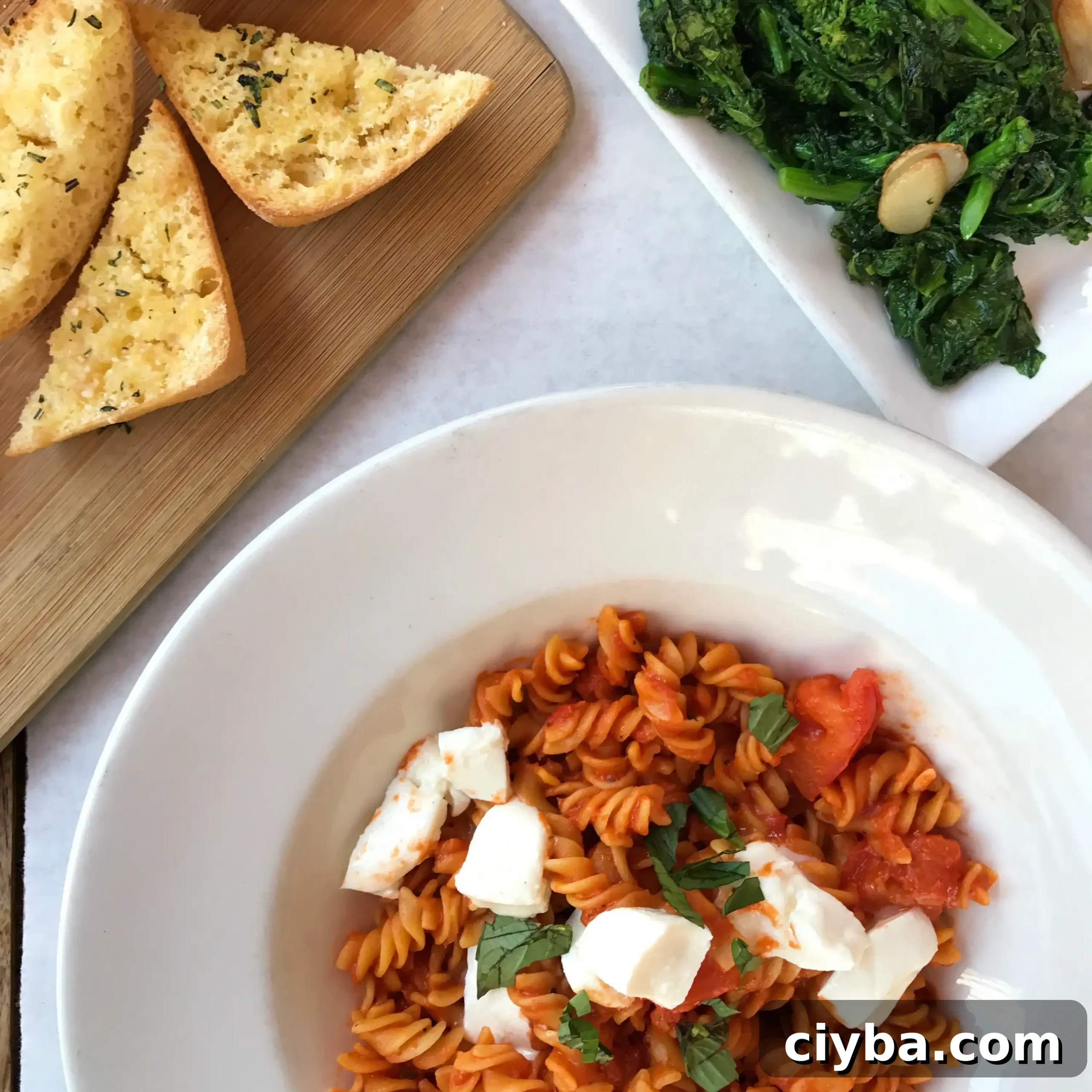
We moved into problem solving. The staff brought out a fresh pot directly from the dishwasher and boiled water just for my son’s pasta. They agreed to use dedicated utensils and a separate strainer, and they decided to bake his pizza in the foil pan it came in to prevent surface contact. Because my son was hungry while everyone else was enjoying appetizers, we ordered him a pizza appetizer in addition to the pasta; both were prepared with these safety steps in place.
When the meals arrived alongside the main courses for the rest of the table, we felt confident the food had been handled correctly. The pasta and pizza were delicious, and more importantly, my son ate without risk. The restaurant staff were cooperative and eager to learn, which made the experience positive for everyone involved.
Beyond the immediate relief of a safe meal, this evening highlighted a larger point: many restaurants want to accommodate dietary needs but may not understand the specific precautions required for celiac disease. Explaining the difference between simply offering gluten-free menu items and preventing cross-contact can make a meaningful difference for future customers.
On this National Gluten-Free Day my two takeaways are clear: never assume a restaurant knows the necessary steps to keep food safe for someone with celiac disease—calmly ask detailed questions until you’re comfortable. And when you have the chance, educate staff about cross-contact and safe preparation practices—most people genuinely want to help but may not know what’s required.
With patience, clear communication, and a willingness to teach, you can turn a potentially risky situation into a safe and positive dining experience—for your family and for the restaurant staff who learn from you.