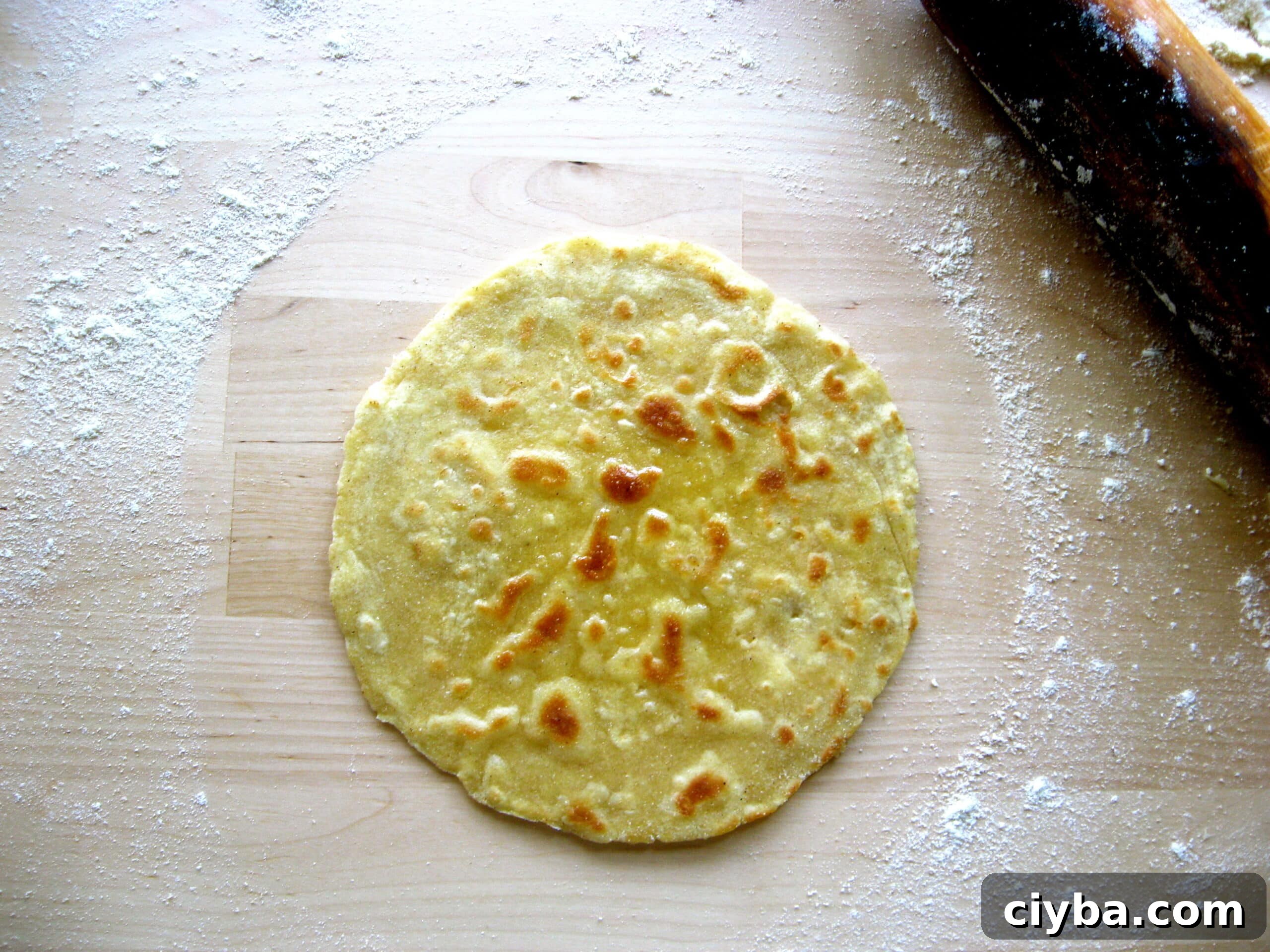
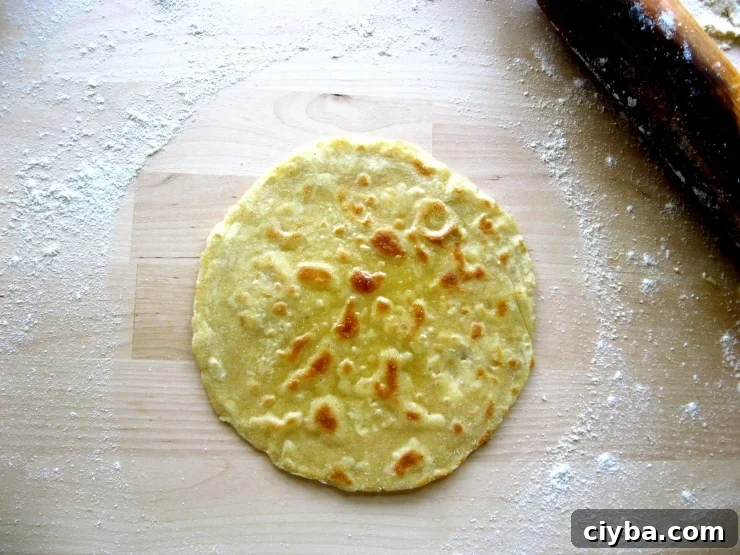
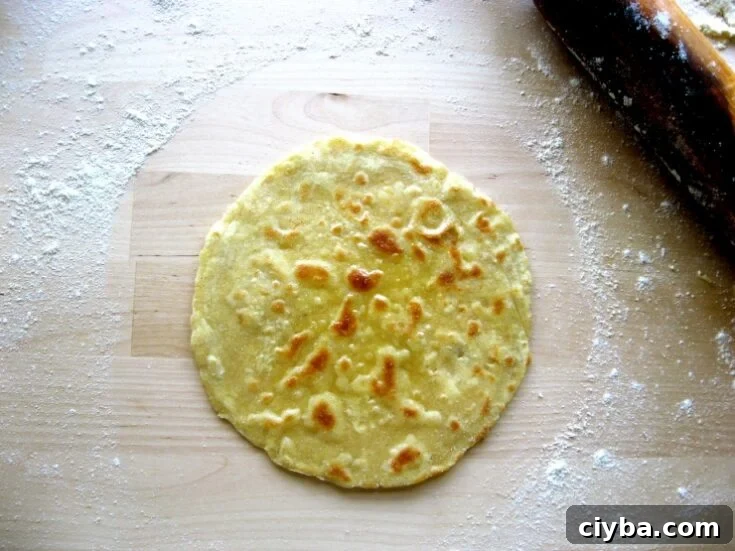
Easy homemade paratha recipe with a simple no-cook mango chutney. These flaky, golden parathas are straightforward to make and pair perfectly with the bright sweetness and heat of the chutney.
Many home cooks find Indian recipes intimidating because they can involve a lot of prep and technique. Parathas may seem daunting at first, but once you understand the basic dough and layering techniques, they become approachable and rewarding. Learning to make parathas is a foundational skill in Indian and Pakistani home cooking, and with practice you’ll develop the touch needed for consistent results.
I learned to cook at an early age, which helped me master foundational dishes across different cuisines. Parathas were one of the first Indian breads I practiced, and over time I developed a reliable method that produces tender, layered flatbreads. This recipe includes two simple ways to create layered parathas — one very straightforward and one that yields extra-flaky layers.
The mango chutney that accompanies this recipe is intentionally uncomplicated: no long spice lists, no cooking required. A ripe mango, a little sugar, salt and crushed red pepper create a fresh, spicy-sweet chutney that complements the warm parathas. The chutney keeps in the refrigerator for a few days, making it a great quick condiment for meals.
This paratha recipe makes about 15 parathas; you can halve the ingredients if you want fewer. Below you’ll find the ingredient lists and clear step-by-step instructions for both the parathas and the mango chutney.
Parathas Recipe
For the best texture and flavor use a whole wheat flour labeled “chappati atta” or durum atta, commonly sold at Indian groceries. Regular whole wheat flour can make the parathas darker and change the taste. Any brand of atta will work; Golden Temple is a common example.
This recipe yields many parathas; you can refrigerate unused dough for a few days or halve the batch. Two shaping methods are provided: a quick, easy method and a slightly more involved technique for extra flaky layers.
30 minutes
20 minutes
1 hour
1 hour 50 minutes
Ingredients
- 3 cups / 450g atta (durum wheat flour)
- 1 1/2 cups lukewarm water (add gradually)
- 1/2 teaspoon sea salt
- 1 teaspoon neutral oil (sunflower or similar; avoid olive oil)
- 1 cup / 150g atta, reserved for dusting and shaping
- 1/4 cup / 50g ghee or oil for frying (add more if using the flakier method)
Instructions
- In a large bowl, combine the atta and salt. You can mix by hand or use a food processor (avoid the dough hook if it doesn’t reach the sides).
- Gradually add lukewarm water and bring the mixture into a pliable dough. Depending on your atta and humidity, you may not need all the water. For softer parathas, add a bit more water, though the dough will be stickier to handle.
- Knead for about 5 minutes. Halfway through, work in the teaspoon of oil until the dough feels smooth and not dry. The oil helps prevent a skin from forming while it rests.
- Cover the dough and let it rest for 15 minutes.
- With floured hands, divide the dough into 15 equal balls (slightly larger than golf balls). Use the reserved atta for dusting.
- Shape each ball by pressing it lightly on the work surface and rotating to create a smooth round. Let the dough balls rest on a floured surface for 30 minutes to an hour if you prefer softer parathas—this step is optional but recommended.
- Heat a tava or heavy skillet over medium-high heat.
- Flatten a dough ball slightly, dust both sides with atta, and roll out into a circle about 6 inches (15 cm) in diameter.
- Brush roughly 1/2 to 3/4 tablespoon oil over the surface of the rolled dough.
- Choose a shaping method for layered parathas:
- Simple method: Cut a straight line halfway across the disk, then roll one end counter-clockwise into a flat cone. Stand it upright, press the center folds down to form a patty, dust with atta, and roll out to 6 inches.
- Flaky method: Roll the oiled disk into a tight cylinder (keeping oil inside), coil the cylinder into a spiral with the top end centered, press into a flat patty, dust with atta, and roll out to 6 inches.
- To remove excess flour without deforming the paratha, gently pass the rolled disk between your hands a couple of times rather than shaking it.
- Cook on the preheated skillet. When the paratha is placed on the skillet it will change color and begin to puff in spots. Flip it when the underside develops light brown spots.
- Check the second side; when golden-brown blotches appear, add a little ghee or oil to coat the top half, then flip again. Lightly press puffed areas with a spatula to encourage even puffing and browning.
- Cook until both sides have golden-brown spots. Keep cooked parathas warm in an oven-proof plate in the oven or in a covered container while you finish the batch.
- Repeat the rolling, shaping and cooking steps with remaining dough balls.
- Serve warm with mango chutney or alongside dishes like aloo gobi, curried chicken, or bhindi masala.
Notes
Store cooked parathas in an airtight container for up to two days. Traditionally parathas are cooked on a flat concave iron skillet called a tava (tawa), but a heavy cast-iron skillet works well too.
Nutrition Information:
Yield: 15
Serving Size: 1 Paratha
Amount Per Serving:
Calories: 141
Total Fat: 4g
Saturated Fat: 2g
Trans Fat: 0g
Unsaturated Fat: 2g
Cholesterol: 9mg
Sodium: 72mg
Carbohydrates: 23g
Fiber: 1g
Sugar: 0g
Protein: 3g
Mango Chutney
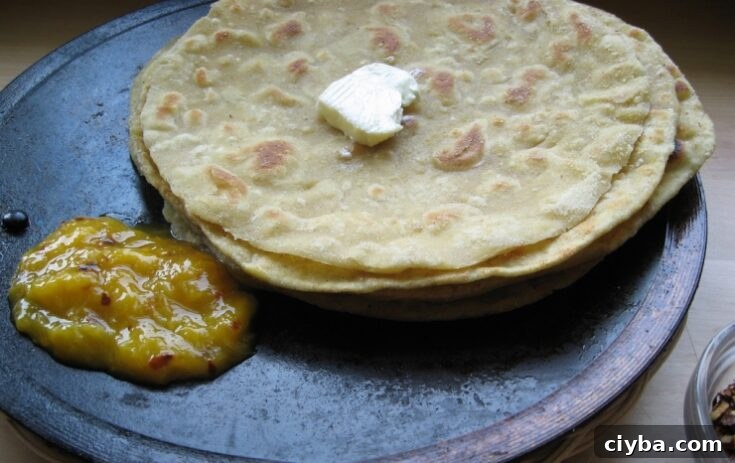
This no-cook mango chutney is quick to prepare and bright in flavor. It keeps in an airtight container in the refrigerator for up to three days. Avoid sieving the mashed mango—doing so turns it into a thin juice rather than a textured chutney.
5 minutes
5 minutes
Ingredients
- 1 ripe mango
- 1 teaspoon sugar, or to taste
- Pinch of fine-grain sea salt
- 1 1/2 teaspoons crushed red pepper flakes, or to taste (adjust for desired heat)
Instructions
Dice the ripe mango into small pieces and place them in a medium bowl. Mash the mango with your hands or a potato masher until it’s chunky—avoid over-mashing to prevent excess liquid.
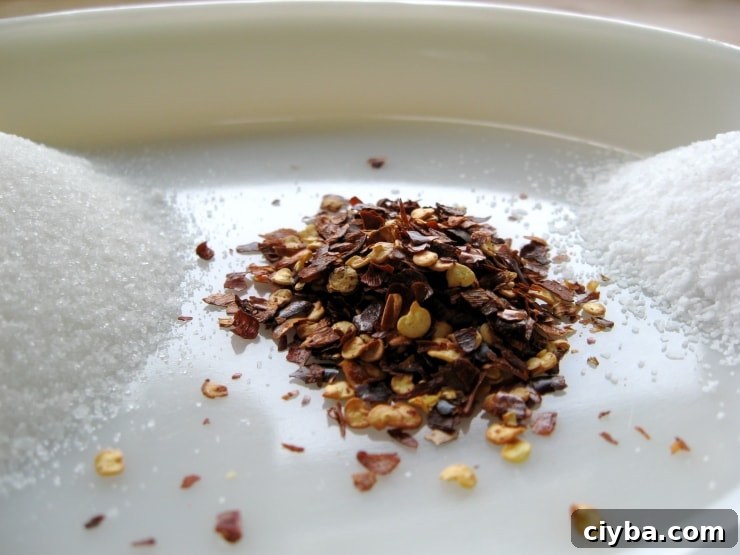
Add the sugar, a pinch of salt, and the crushed red pepper flakes. Stir to combine and taste, adjusting sugar or spice as needed. Chill in the refrigerator before serving or serve at room temperature alongside warm parathas.
Nutrition Information:
Yield: 16 servings (about 1 tablespoon each)
Serving Size: 1 tablespoon
Amount Per Serving:
Calories: 14
Total Fat: 0g
Saturated Fat: 0g
Trans Fat: 0g
Cholesterol: 0mg
Sodium: 9mg
Carbohydrates: 4g
Sugar: 3g
Protein: 0g