
When smoking meat, preventing problems starts with a clean, well-maintained smoker. Grease build-up, ash, creosote and blocked vents all undermine temperature control and produce off-flavors. A dirty smoker can lead to grease fires, unstable temperatures and unpleasant smoke that ruins your cook. Regular maintenance keeps airflow consistent, reduces fire risk and ensures the smoke is clean and flavorful.
As a general guideline, clean your smoker every two to three cooks. Scrape grill grates before each use and remove any lumps of grease to reduce the risk of grease fires and dirty smoke. Charcoal and kamado-style smokers usually need more frequent attention—about every two cooks—while electric, pellet and gas smokers can often go four to five cooks between deeper cleanings. For pellet grills, vacuuming the fire pot before each use is highly recommended.
Key Points
- Regular cleaning and maintenance are essential for consistent, high-quality smoked meat.
- Dirty smokers can produce bitter or acrid smoke, spoil flavor and create safety hazards like grease fires.
- Temperature stability depends on good airflow; ash and grease can block vents and cause fluctuations.
- Scrape grates before each use and clear grease lumps to prevent flare-ups and contamination.
- Charcoal and kamado smokers generally need cleaning every two cooks; electric, pellet and gas smokers every four to five.
- Vacuum the pellet grill fire pot before each use to avoid pellet jams and fuel-feed issues.
- Wipe the smoker walls after each cook to remove creosote, which can impart a bitter taste.
- Use drip trays positioned under the meat and empty grease pans frequently to prevent bad vapors and fires.
- Use basic tools—scrapers, brushes, a wet/dry vacuum and warm soapy water—rather than harsh chemicals.
- Accurate meat thermometers help you track cook progress and are among the most important tools for smoking.
Dirty Smoker Equals Bad Smoke
Clean smoke is nearly transparent, thin and blue-violet. When grease, old food residue or carbonized deposits flare up, smoke turns black and tastes bitter. That off-smoke will transfer to your meat and spoil the final result. Keeping grates, deflectors and the interior free from accumulated gunk helps maintain a clean-burning fire and a pleasant smoke profile from wood or charcoal.
Remove Creosote
Creosote and soot collect on interior walls and can contribute bitter, chemical-like flavors. It’s easiest to remove these deposits while the smoker is still warm: a quick wipe after each cook prevents build-up and reduces the need for more intensive scrubbing later.
Grease Fires
Grease fires spike the smoker’s temperature, drying and overcooking meat while producing excess smoke. They also present a serious safety hazard, especially during long overnight cooks. Prevent grease fires by positioning drip trays directly under the meat, emptying grease pans regularly and clearing any grease traps or channels so drips don’t pool near the fire. If you plan to leave a smoker unattended, make sure it’s clean and free of large grease deposits.
Remove Grease
Scrape grates and remove lumps of grease before each use. Keep a drip tray in place and clean it after every cook. Clear any grease holes and ensure grease flows to the collection pan rather than onto coals or heat sources. Leftover drippings can spoil and vaporize into off-odors when reheated, so regular removal preserves flavor and prevents unpleasant vapors in the cooking chamber.
Grease Pans
Most smokers have a removable grease pan or tray beneath the cook chamber. Make sure the grease drain is not blocked and slide the tray out to empty and clean it. Routine cleaning of this pan prevents dangerous accumulations and keeps fumes and flavors neutral during future cooks.
Ash Build-Up
In charcoal smokers, ash can choke airflow and smother the fire if not cleared regularly. Remove ash from the basket before each cook and keep vents clear so the fire receives enough oxygen. Excess ash left against metal surfaces can accelerate corrosion, so sweep or vacuum the interior periodically.
Grill Grates
Clean grates while they are still hot or remove them and wash in the sink. Grease and carbonized residue on grates can transfer flavors to food and produce undesirable smoke. Use care with coated grates—avoid aggressive metal scrapers that can strip protective finishes and lead to rust. A scraper plus a soft brush usually does the job.
Mould
If a smoker sits unused in damp conditions, mould can form on grates and interior surfaces. The simplest remedy is to run the smoker hot to burn off organic growth, then scrape and clean thoroughly. To prevent mould, store the smoker in a dry place, allow airflow in the chamber during storage and avoid covering it with non-breathable materials that trap moisture.
Degreaser and BBQ Cleaners
Avoid harsh chemical cleaners inside the cooking chamber. Mild dish soap, warm water and mechanical cleaning tools are usually sufficient and safer for flavor and health. Invest in quality scrapers, brushes and a good wet/dry vacuum for ash and debris removal rather than relying on caustic agents.
Smoker Cleaning Tools
Essential tools include long and short scrapers, a sturdy brush, plastic scrapers, paper towels, buckets, a plastic tub, a wet/dry Shop-Vac, a hose and razor blades for glass or stubborn carbon. These items let you work safely and efficiently on various smoker types without introducing chemical residues.
Cleaning Pellet Grills
Pellet grills require careful, mostly dry cleaning. Never use water around electrical components or pellets. Vacuum the fire pot before each use to remove leftover pellets and ash that could confuse the controller or cause feeding issues. Remove grates for kitchen cleaning and wipe the interior walls after each cook. Empty the grease and drip trays after every session and perform a deeper interior cleaning every four to five cooks.
| Cleaning a Pellet Grill | Frequency |
|---|---|
| Scrape grill grates | Before each use |
| Remove lumps of grease from grill grates | Before each use |
| Vacuum fire pot | Before each use |
| Wipe down walls of smoker | After each cook |
| Empty grease tray | After each cook |
| Clean drip tray | After each cook |
| Clean grill grates and interior of smoker | Every 4-5 cooks |
| Replace pellet hopper and clean pellet auger | Every 4-5 cooks |
How to Clean a Pellet Smoker
- Work from top to bottom: wipe residue from the inside of the lid and upper surfaces.
- Clean around the chimney and seams with a plastic scraper where soot collects.
- Remove and clean grates; avoid heavy scraping on coated racks and use gentle methods if they’re dishwasher-safe.
- Clear vents in deflector or baffle pans that can trap dust and ash.
- Wipe the internal thermometer with a soft cloth; accurate readings help the controller work properly.
- Clean grease channels, trays and the grease bucket to prevent fires.
- Use a Shop Vac to remove debris from the fire pot and other cavities.
- Wipe the exterior and control panel with mild cleaner; keep electronics dry.
How To Clean A Charcoal Smoker
Charcoal and kamado smokers produce more ash and residue, so frequent cleaning is important. Empty the charcoal basket and clear vents before each cook. Scrape grates while the smoker heats to prevent loose debris from falling into the fire. Regular cleaning prevents dirty smoke and maintains consistent heat control.
How to Clean a Big Green Egg
Ceramic kamado smokers are straightforward to maintain. Clean grates while warm and remove ash and small debris every two to three cooks. Check and clear holes on the fire grate to keep airflow consistent. Many basic grill tools will handle routine maintenance without specialized products.
- Scrape grates while hot after each cook.
- Remove and sift coals and ash; set aside usable coals for later.
- Clear any blocked holes in the bottom grate to maintain airflow.
- Open and clean the fire gate and scrape ash into a bucket.
- Remove the fire ring and bottom grate, scrape and vacuum remaining ash from corners.
| Cleaning a Kamado | Frequency |
|---|---|
| Scrape grill grates | Before each use |
| Remove lumps of grease from grill grates | Before each use |
| Wipe down walls of smoker | After each cook |
| Empty grease tray | After each cook |
| Clean drip tray | After each cook |
| Clean grill grates and interior of smoker | Every 2-3 cooks |
| Replace fire starter and clean ash tray | Every 2-3 cooks |
How to Clean an Offset Smoker
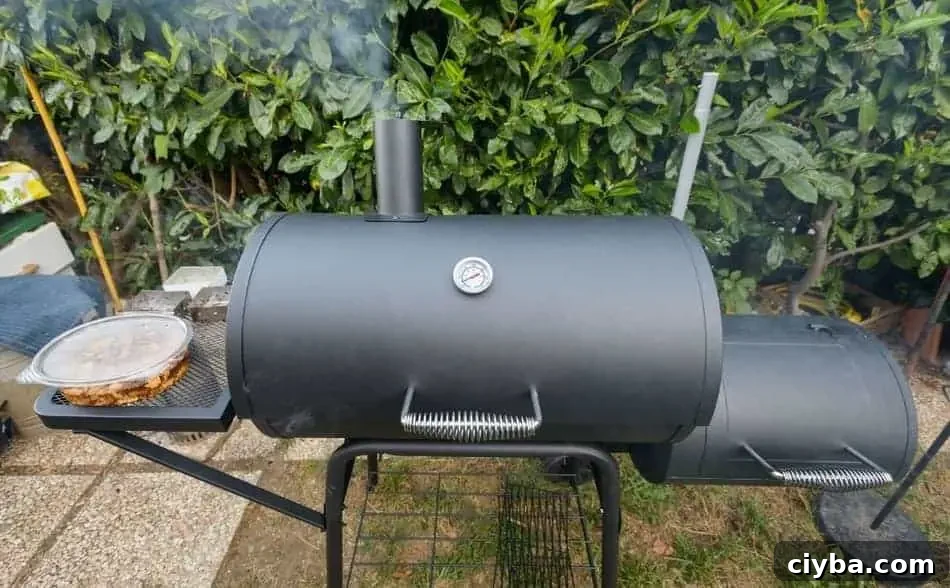
Offset smokers separate the firebox from the cook chamber, which simplifies cleanup. Remove coals and scrape ash from the firebox, then clean grates and plates in a tub. Scrape the inside of the cook chamber and lid to prevent flakes and debris falling onto food, and wipe exterior surfaces and thermometers. If the smoker gets wet, run it hot to dry the interior.
- Empty and dust the firebox; scrape ash into a bucket.
- Soak and clean grates, sensors and plates in warm water if needed; avoid harsh detergents.
- Scrape the cook chamber and lid so flakes don’t fall on food.
- Wipe the exterior and check thermometers for cleanliness.
- Keep the smoker dry in storage and fire it to dry if it becomes wet.
How to Clean an Electric Smoker
Electric smokers are generally easy to maintain. Slide out the grease trap and clean it like a pan, remove racks and trays for sink washing, and scrape the wood chip box and ash area. Use a damp cloth to wipe the interior and avoid strong chemicals. Ensure grease holes leading to the grease trap remain clear.
- Slide out and clean the grease trap.
- Remove probes, trays and racks; clean racks in the sink.
- Empty and scrape the wood chip box and ash areas.
- Scrape interior gunk and wipe surfaces with a damp cloth; avoid harsh cleaners.
- Keep grease channels clear to prevent pooling and fires.
| Task | Frequency |
|---|---|
| Scrape grill grates | Before each use |
| Remove lumps of grease from grill grates | Before each use |
| Wipe down walls of smoker | After each cook |
| Empty grease tray | After each cook |
| Clean drip tray | After each cook |
| Clean grill grates and interior of smoker | Every 4-5 cooks |
| Replace wood chips and clean wood chip tray | Every 4-5 cooks |
How to Clean Glass Door on an Electric Smoker
Smoker glass can darken from smoke and condensation. A razor blade scraper used carefully will remove baked-on deposits. Some owners choose to leave the glass alone since visibility isn’t required for successful smoking, but cleaning with a blade is effective when needed.
How to Clean An Ugly Drum Smoker
- Remove all grates and empty the charcoal bin.
- Take out the liner and scrape the bottom and edges with a metal scraper.
- Lift and empty debris into a bin; vacuum remaining ash.
- If desired, line the bottom with foil or use a plate under the firebox to simplify future cleanups.
- Avoid caustic cleaners inside the cooking chamber; if used, rinse thoroughly to remove residues.
Meat Thermometers – Your Most Important Tool
Accurate meat thermometers are essential for successful smoking. They let you monitor internal meat temperature and smoker performance so you can manage long cooks confidently. Invest in reliable instant-read and probe-style thermometers to track doneness and ensure food safety while maintaining desired texture and moisture.