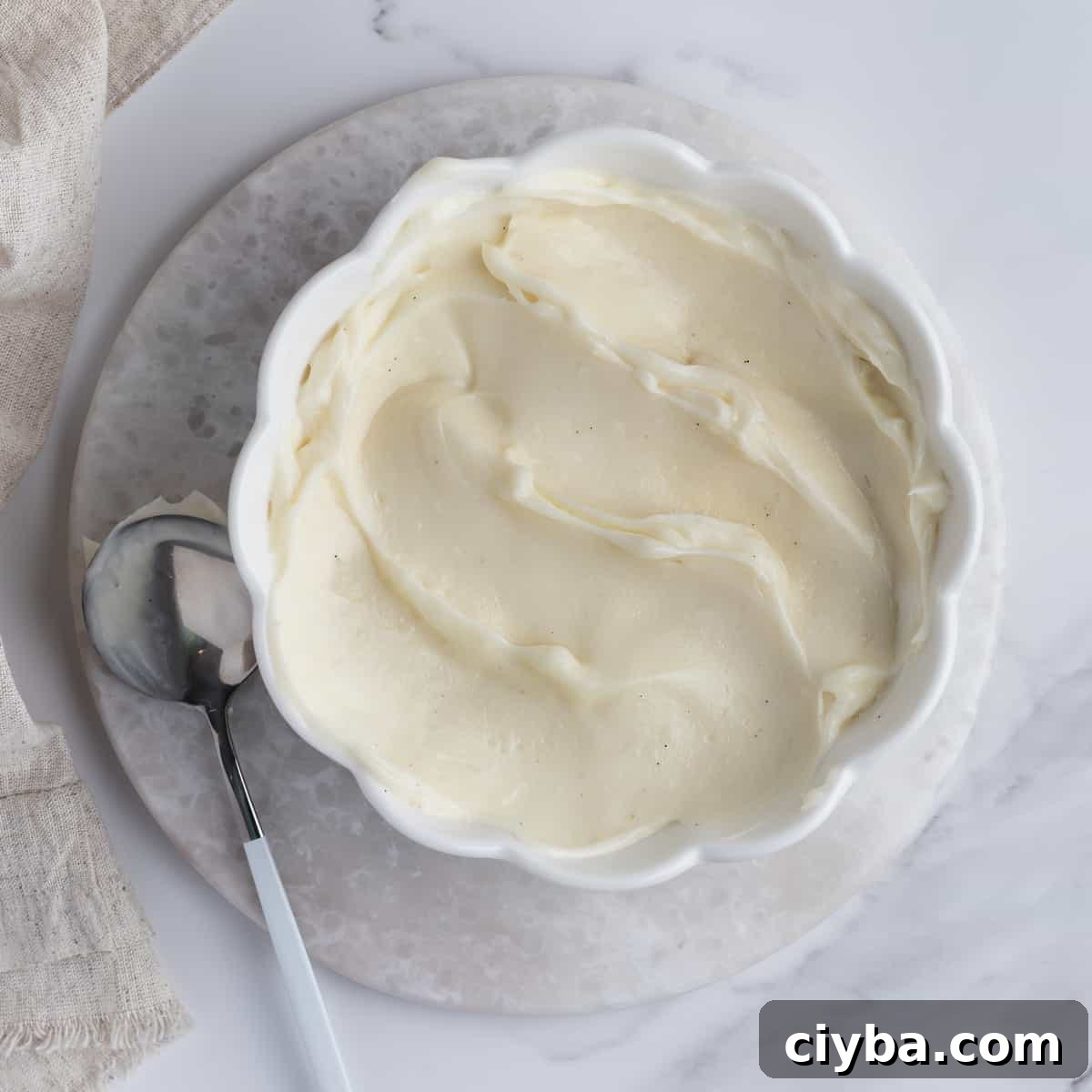
Diplomat Cream, or Crème Diplomate, is a classic French filling used for cream puffs, layer cakes, mille-feuille, tartes, and other pastries. It combines a cooked pastry cream (crème pâtissière) with gelatin for stability and folded-in whipped cream for a light, airy texture. The result is smooth, versatile, and easy to flavor to suit many desserts.
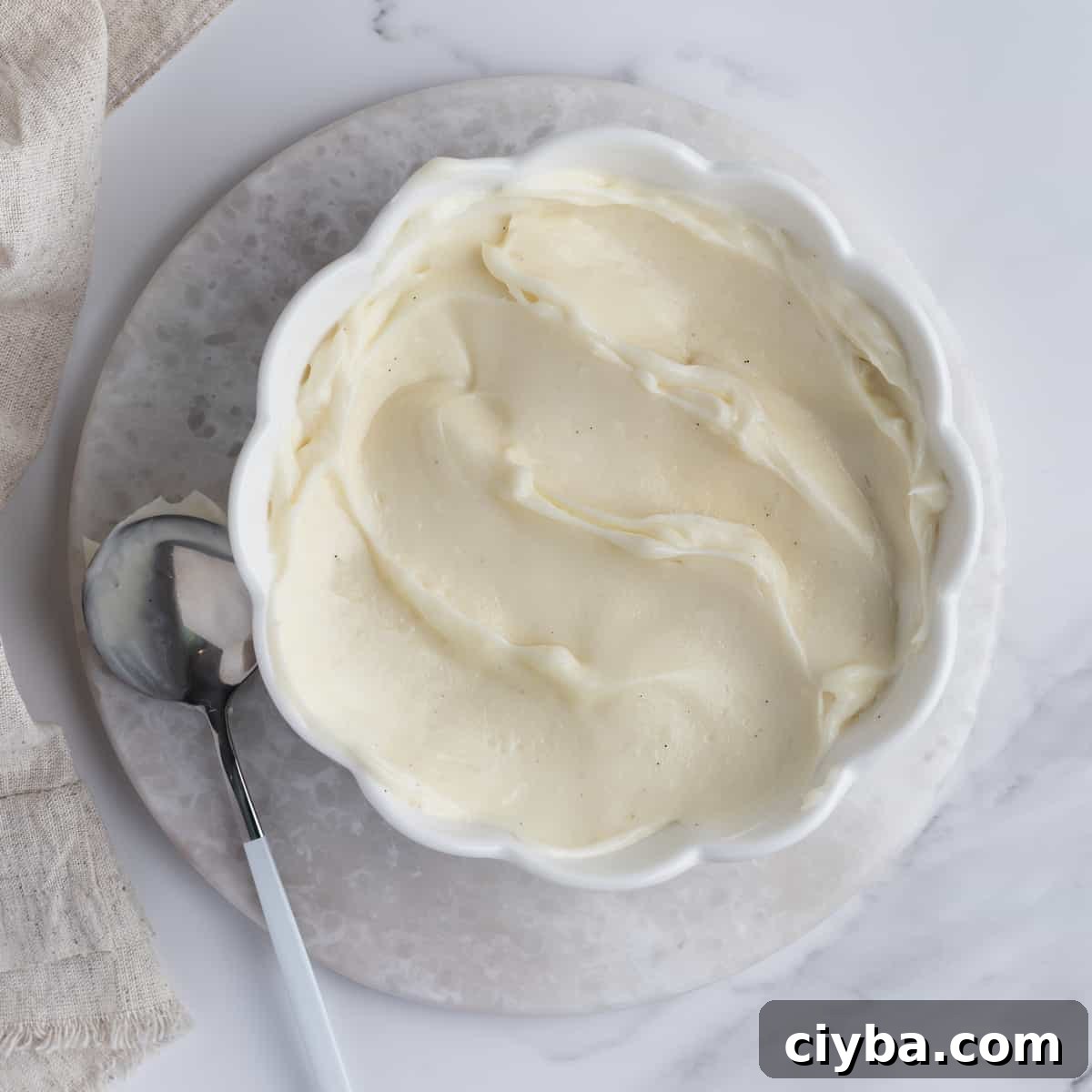
Once you’ve mastered French pastry cream and basic whipped cream, making Diplomat cream is a natural next step. It’s taught in professional pastry programs because it demonstrates important techniques—tempering eggs, thickening custards, incorporating gelatin correctly, and folding whipped cream for maximum volume without deflating it.
Diplomat cream is prized by home bakers and professionals alike for its stability and versatility. It holds its shape when piped and can be used as a filling or a light frosting for many classic desserts.
What is Diplomat cream?
Crème Diplomate is essentially pastry cream stabilized with gelatin and lightened with softly whipped cream. It’s sometimes called whipped pastry cream or pastry cream with whipped cream. The gelatin gives it extra firmness compared to similar creams.
Don’t confuse Crème Diplomate with Crème Madame (or crème légère):
- Crème Diplomate includes gelatin to stabilize the pastry cream before folding in whipped cream.
- Crème Madame (crème légère) omits gelatin and is therefore softer and lighter.
Why you should try this recipe
- This vanilla Diplomat cream is straightforward and quick to prepare.
- It uses simple pantry ingredients and can be easily customized.
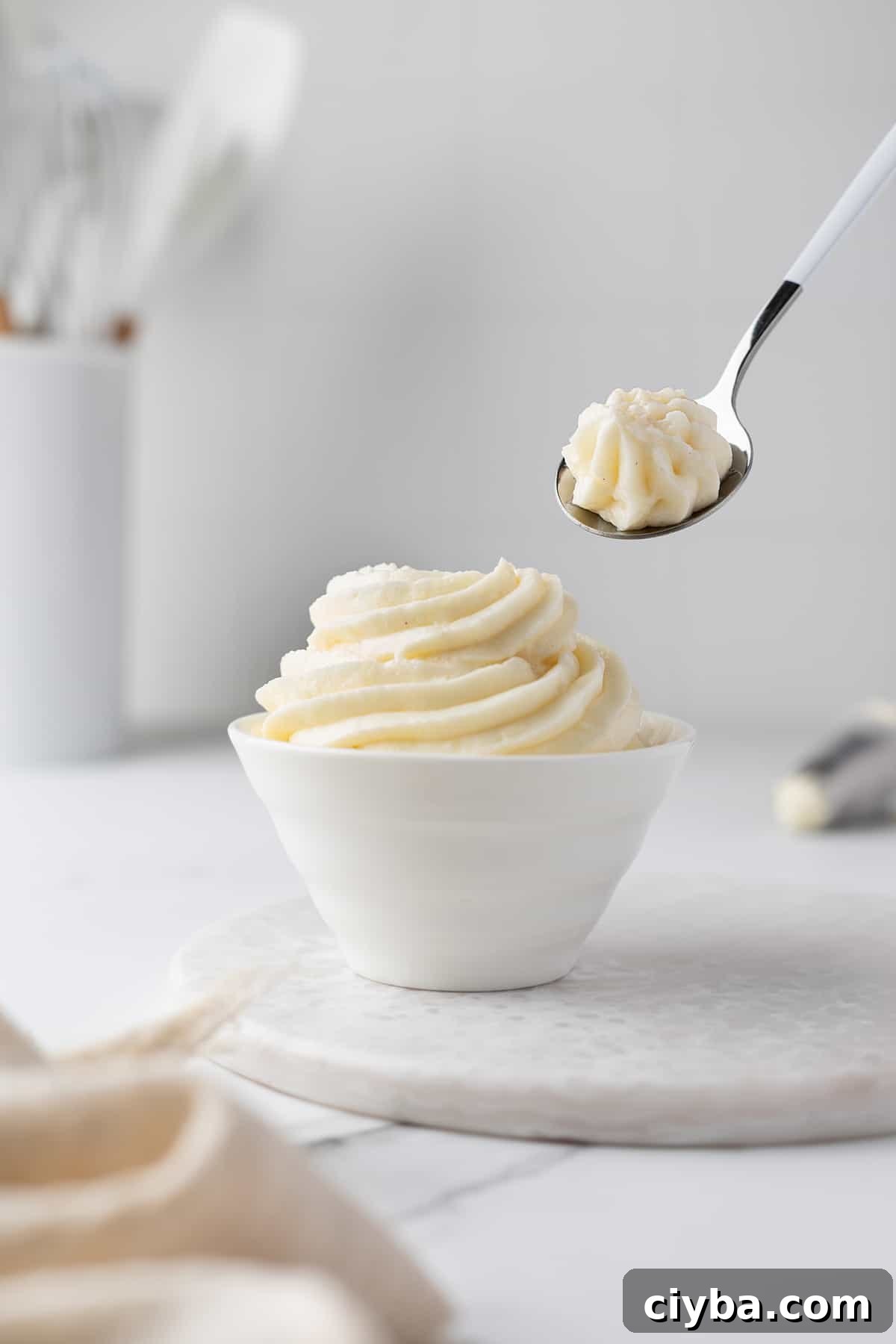
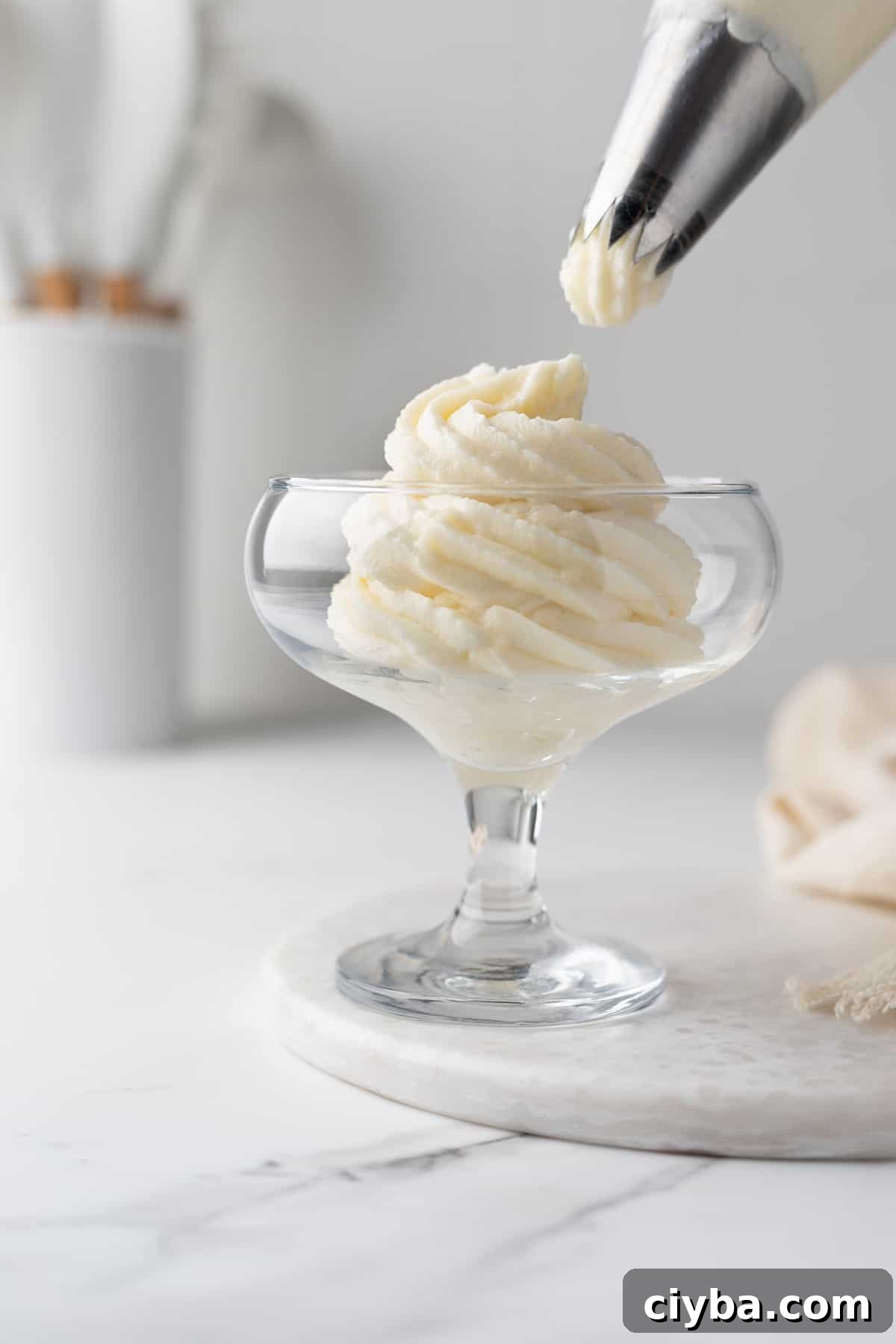
- The finished cream is smooth, light, and pipeable—ideal for decorating and filling.
- It’s perfect for many desserts: number cakes, layer cakes, tarte Tropézienne, mille-feuille, and choux-based pastries.
Ingredients
Refer to the recipe card below for exact ingredient quantities and detailed instructions.
- Milk: Whole milk gives the best flavor and texture. You can substitute part milk and part cream for extra richness, or use a suitable unflavored plant milk for a dairy-free variation (results will vary).
- Vanilla: A vanilla bean gives the best aroma; vanilla extract or paste is an acceptable substitute.
- Sugar: Granulated or caster sugar sweetens the pastry cream.
- Thickener: Cornstarch is used to thicken the pastry cream. All-purpose flour or potato starch can be substituted for a firmer texture.
- Eggs: Egg yolks are traditional for pastry cream; whole eggs may be used for a lighter result. Bring eggs to room temperature before use.
- Gelatin: Gelatin sheets or powdered gelatin stabilizes the cream. Agar-agar can be used as a vegetarian alternative (use less and activate by boiling in the milk).
- Heavy cream: Use cream with at least 30% fat (double cream in the UK) and chill it well before whipping.
Flavor variations
You can easily adapt Diplomat cream by infusing the milk or adding ingredients to the finished pastry cream:
Infuse the milk
Infuse with cinnamon, star anise, tea, coffee beans, citrus zest, mint, or basil. Heat the milk with the flavoring, let it steep (20–30 minutes off the heat), strain, then proceed with the recipe.
Add chocolate
For chocolate Diplomat cream, stir chopped dark chocolate into the hot pastry cream (about 10% of the pastry cream weight), then add the gelatin and continue.
Add liquor
Stir in a small amount of liqueur or rum (around 8% of the final pastry cream weight) off the heat for a subtle boozy note.
Add fruit or nut purée
Fold in fruit purée, pistachio, or hazelnut paste (around 8% of the final pastry cream weight) before adding whipped cream.
Add butter
For a richer finish, whisk in a small amount (about 30 g) of cold unsalted butter into the warm pastry cream off the heat, then add gelatin. For a lighter Diplomat, omit the butter.
How to make French Diplomat cream
Diplomat cream is made in three main stages: prepare pastry cream, whip the cream, then fold whipped cream into the cooled pastry cream with gelatin. Respecting the order of steps and temperatures is essential.
Make the classic pastry cream
Soften gelatin sheets in cold water for about 10 minutes. Whisk egg yolks with powdered sugar until pale, then add cornstarch and mix. Split the vanilla pod and scrape the seeds into milk; heat to a simmer, then pour the hot milk slowly over the egg mixture while whisking to temper the eggs. Return to the pan and cook gently, stirring constantly, until the mixture thickens. Remove from heat, strain if desired, then stir in the drained gelatin until fully dissolved. Cover the surface with plastic wrap to prevent a skin and allow to cool to room temperature.
Note: Avoid prolonged refrigeration of the pastry cream before folding in whipped cream; excessive chilling can cause the gelatin to set too firmly and make the cream difficult to work with.
Make whipped cream
Chill the mixing bowl and whisk briefly, then whip very cold heavy cream to soft peaks. The goal is aeration without reaching firm peaks—soft peaks fold into pastry cream most easily.
Assemble the crème Diplomate
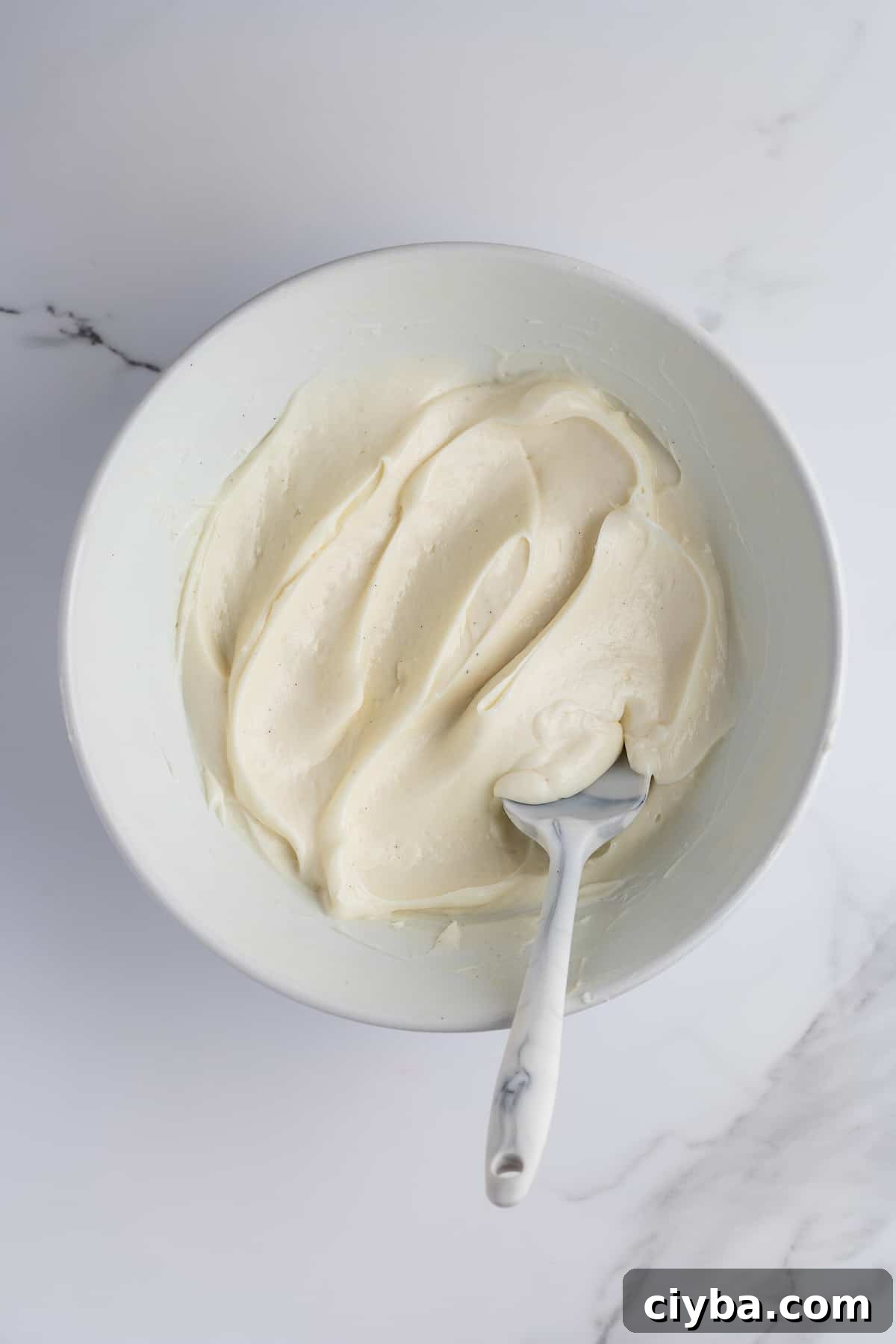
Lightly whip the cooled pastry cream for a moment in a clean bowl, then fold in one-third of the whipped cream to lighten the mixture. Gently fold in the remaining whipped cream, using a rubber spatula and lifting motions to preserve air. Transfer to a piping bag to use immediately, or store in a sealed container in the refrigerator until needed.
Expert Tips
- Add a pinch of sugar to the empty saucepan before pouring milk to help prevent sticking and scorching.
- Cook pastry cream over low heat and stir constantly to avoid burning and lumps.
- If using powdered gelatin, follow package instructions to bloom it, then stir it into warm pastry cream off the heat.
- Cover the pastry cream surface with plastic wrap directly on top to prevent a skin.
- If the final Diplomat cream is too soft, chill it for 1–2 hours to firm up before using.
Storing and freezing
Diplomat cream is perishable and should not be left at room temperature (above about 20°C / 68°F) for more than 30 minutes. Store in an airtight container in the refrigerator for up to 48 hours. Freezing is not recommended—the texture suffers—but assembled desserts (cakes, choux, or cupcakes filled with Diplomat cream) can be frozen for up to one month with varying results.
How to use crème Diplomate
Use Diplomat cream to fill and decorate a wide range of desserts:
- Number and letter cakes
- Layered sponge cakes and cupcakes
- Mille-feuille and tarte Tropézienne
- Choux pastries—eclairs, cream puffs, and chouquettes
- Fruit verrines and tartlets
- As a lighter alternative to crème mousseline or chocolate ganache for certain applications
Troubleshooting
1. Pastry cream is too runny
Reason: Not cooked long enough. Solution: Return to low heat and stir constantly for a minute or two until it thickens.
2. Pastry cream is too thick (before adding gelatin)
Reason: Overcooked. Solution: Gradually whisk in cold milk to loosen the texture.
3. Pastry cream is gelled
Reason: Gelatin set too firmly during long chilling. Solution: Warm briefly (e.g., 30 seconds at 50% power in a microwave) and whisk to loosen.
4. Pastry cream is lumpy
Reason: Hot milk added too quickly or insufficient stirring. Solution: Pass through a fine-mesh sieve or carefully use an immersion blender, noting it can thin the cream if overworked.
5. Heavy cream won’t reach soft peaks
Reason: Cream too low in fat or not cold enough. Solution: Use cream with at least 30% fat and chill the bowl and cream before whipping.
6. Heavy cream is overwhipped
Reason: Whipped to stiff peaks. Solution: If overwhipped to butter, start a new batch of whipped cream to fold in.
7. Difficulty folding whipped cream into pastry cream
Reason: Either component has incorrect texture (too thin, too thick, or lumpy). Ensure pastry cream is soft but not liquid and whipped cream is at soft-peak stage.
8. Diplomat cream is too soft
Reason: Gelatin omitted or underused. Solution: Chill for 1–2 hours to firm up; next time increase gelatin slightly for extra stability.
9. Diplomat cream is too thick
Reason: Too much gelatin, too much whipped cream, or whipped cream whipped too firm. Solution: The texture cannot easily be reversed; note quantities and folding technique for future attempts.
Recipe FAQ
The cream resembles Bavarian cream, and one theory suggests the name “diplomat” was chosen as a nod of appreciation toward Bavarian guests. The exact origin of the name is not definitively established.
Yes. Omitting gelatin yields a lighter cream (crème légère). It will be softer and less stable but still delicious for many applications.
Agar-agar can be used as a vegetarian substitute at roughly one-third the amount of gelatin by weight; it must be dissolved and boiled in the milk to activate its gelling properties.
No—because it contains whipped cream, crème Diplomate is not suitable for further cooking or high-heat applications after assembly.
Both are pastry cream-based and lightened with whipped cream; the key difference is that crème Diplomate uses gelatin for extra stability while crème Madame does not.
Crème Diplomate is a blend of pastry cream plus whipped cream and gelatin; crème Chantilly is simply sweetened whipped cream.
Mousseline cream is pastry cream enriched with butter for a richer, more buttery finish. Diplomate is pastry cream lightened with whipped cream and stabilized with gelatin.
Looking for more cream recipes? Try these next!
Explore other classic cream recipes to expand your repertoire and adapt fillings to different desserts.
- Chocolate whipped cream
- French Chantilly cream
- Crème légère
- Bavarian cream (crème bavaroise)
Want more recipes and tips? Try variations and share your results. If you make this recipe, note the quantities and techniques that worked best for your kitchen and ingredients.
Recipe card
Creme Diplomate (Diplomat Cream)
Crème Diplomate combines pastry cream, gelatin, and whipped cream for a stable yet airy filling perfect for many classic desserts.
- Author: Irina Totterman
- Total Time: 40 minutes (plus chilling time)
- Yield: 16.9 fl. oz. (500 ml)
- Category: Basic recipes
- Method: Cooking
- Cuisine: French
Ingredients
- 1 cup + ½ tablespoon (250 ml) whole milk
- 1 vanilla bean
- 40 g egg yolks (about 2 extra-large yolks)
- ⅓ cup + 2 teaspoons (75 g) granulated sugar
- 2 ½ tablespoons (25 g) cornstarch
- 2 gelatin sheets (200 bloom) or equivalent powdered gelatin
- ⅔ cup + 3 tablespoons (200 ml) cold heavy cream, 30% fat
Note: This amount is enough to pipe a two-layer number cake (A4/letter size) or to fill about 12 cupcakes. Increase quantities proportionally for larger cakes.
Instructions
- Soak gelatin sheets in cold water for 10 minutes. In a bowl, whisk egg yolks with powdered sugar until pale, then whisk in cornstarch.
- Split the vanilla bean and scrape seeds into the milk. Heat the milk with the vanilla to a simmer.
- Slowly pour hot milk into the egg mixture while whisking, then return to the pan and cook over low heat, stirring constantly until thickened (30–60 seconds).
- Remove from heat, strain if desired, then stir in the drained gelatin until dissolved. Cover pastry cream with plastic wrap directly on the surface and let cool to room temperature.
- Chill bowl and whisk briefly, then whip the very cold heavy cream to soft peaks.
- Lightly whip the cooled pastry cream for a moment. Fold one-third of the whipped cream into the pastry cream to lighten it, then fold in the remaining whipped cream gently until homogeneous.
- Pipe and use immediately or store in the refrigerator in a sealed bag or container until needed.
Notes
- 40 g egg yolks equals approximately two extra-large yolks.
- Two gelatin sheets ≈ 1 ¼ teaspoon (4 g) powdered gelatin.
- Add a pinch of sugar to an empty saucepan before pouring milk to help prevent sticking.
- Cook pastry cream over low heat and stir constantly to prevent burning.
- If the Diplomat cream seems soft, refrigerate for 1–2 hours to firm up.
Nutrition (approx.)
- Calories: 1389
- Sugar: 88.8 g
- Sodium: 200 mg
- Fat: 93.9 g
- Saturated fat: 55.3 g
- Carbohydrates: 116.4 g
- Fiber: 0.2 g
- Protein: 28.3 g
- Cholesterol: 797 mg
Nutritional information is an estimate and intended as a guideline only.