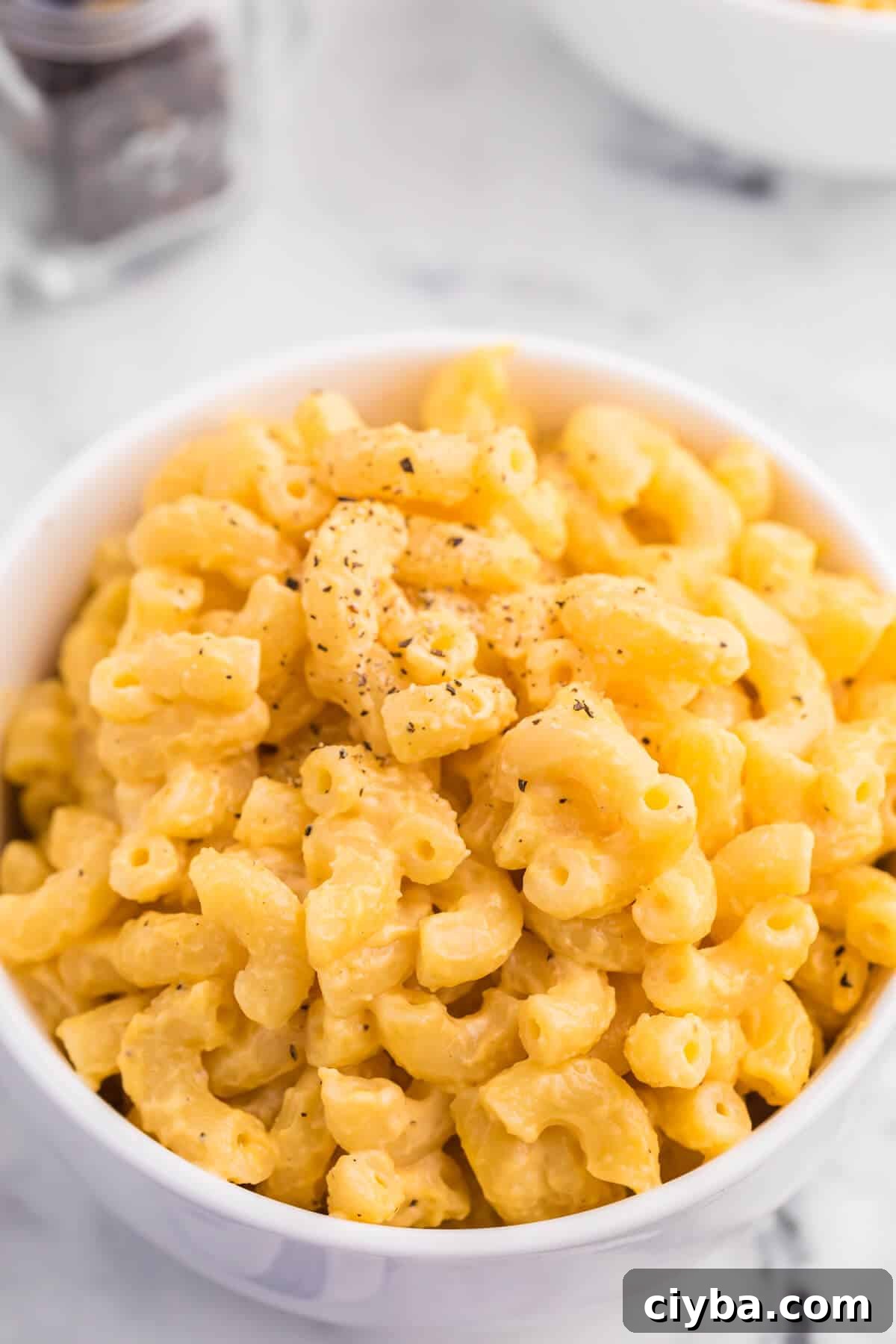
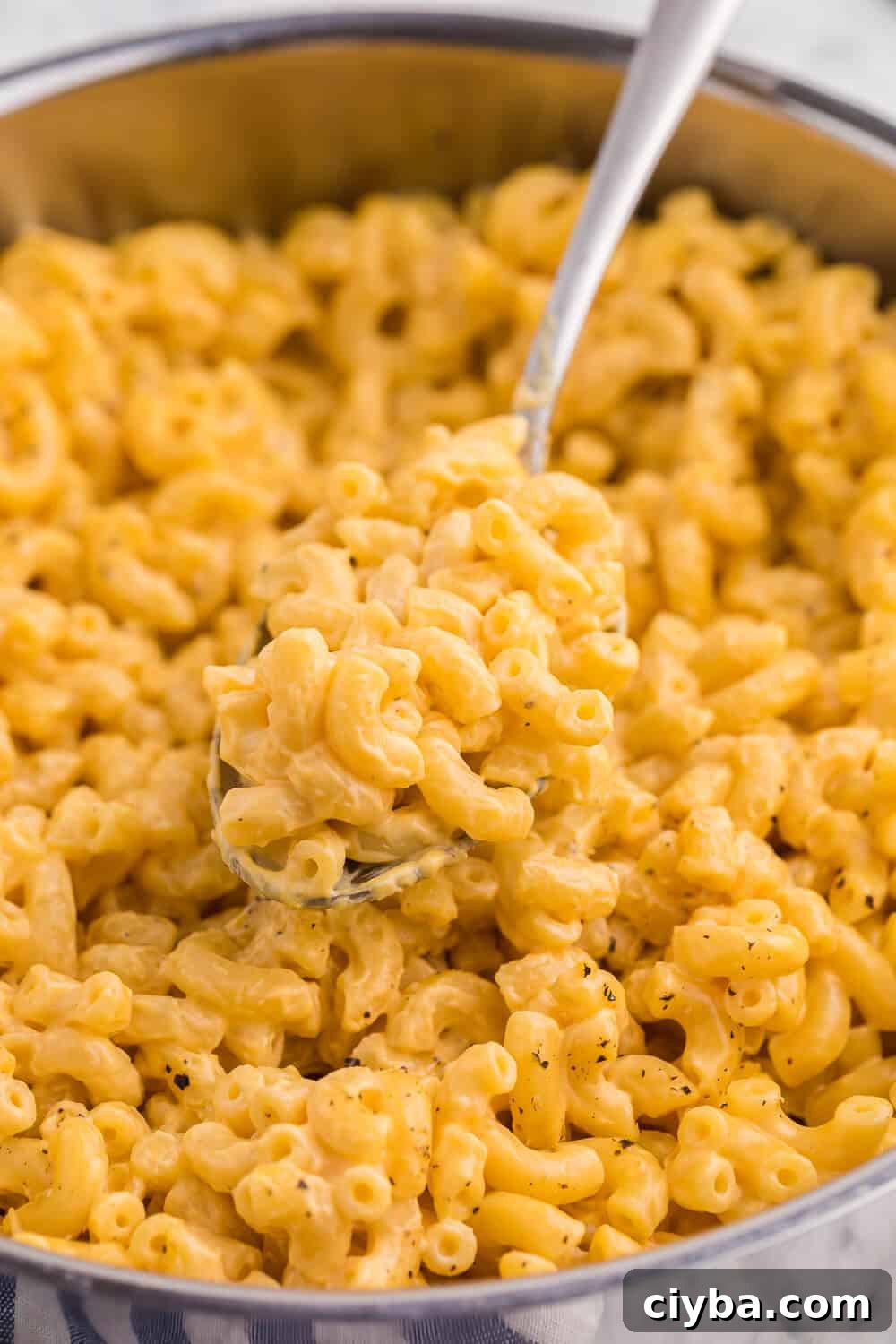
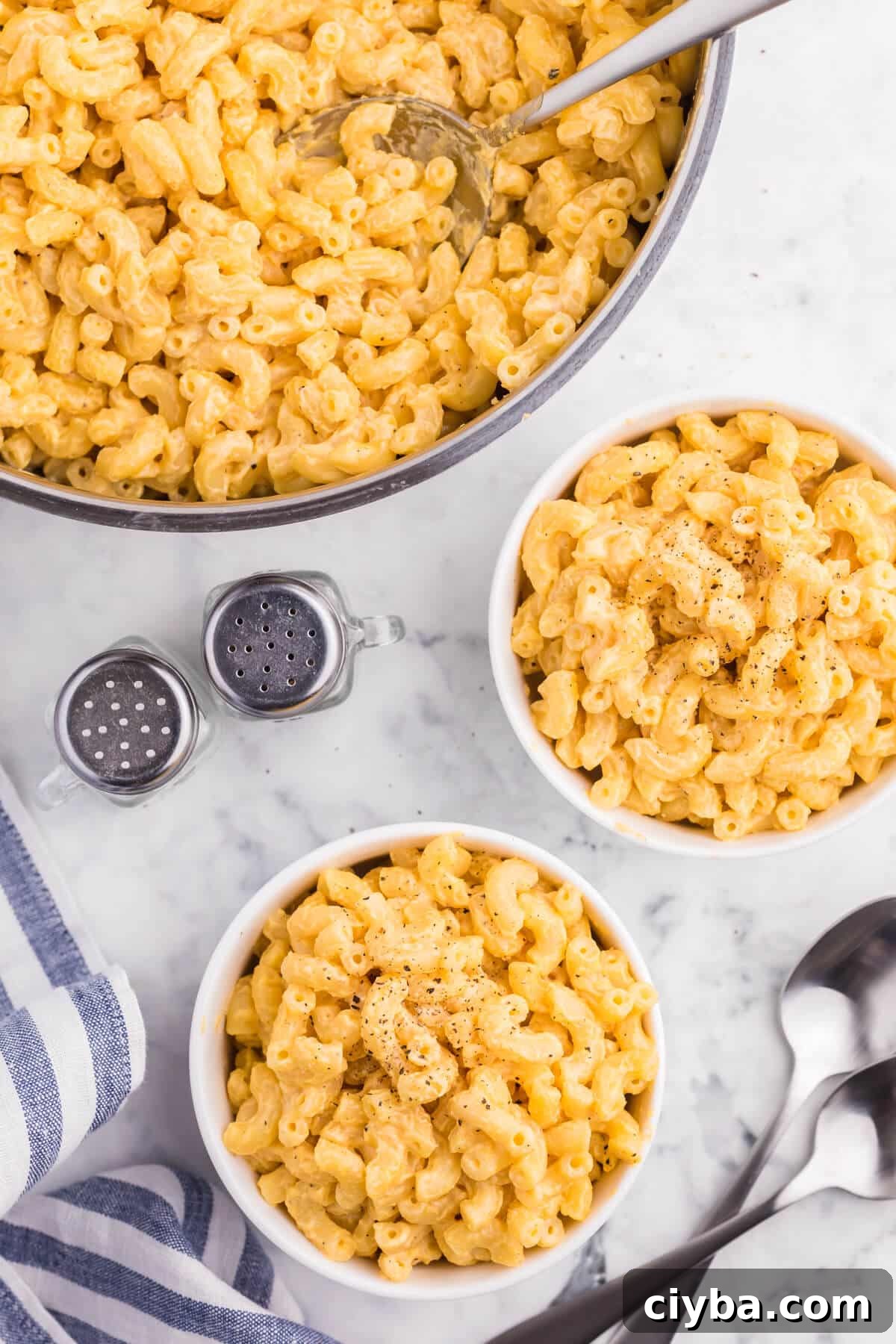
Craving a warm, cheesy comfort meal that’s quick and easy? Stovetop mac and cheese is the perfect answer. This classic recipe delivers creamy, rich flavor from sharp cheddar, sour cream, butter, salt and pepper, and it comes together in under 30 minutes. Ideal for weeknights, family dinners, or potlucks, stovetop mac and cheese is simple to make and endlessly adaptable.
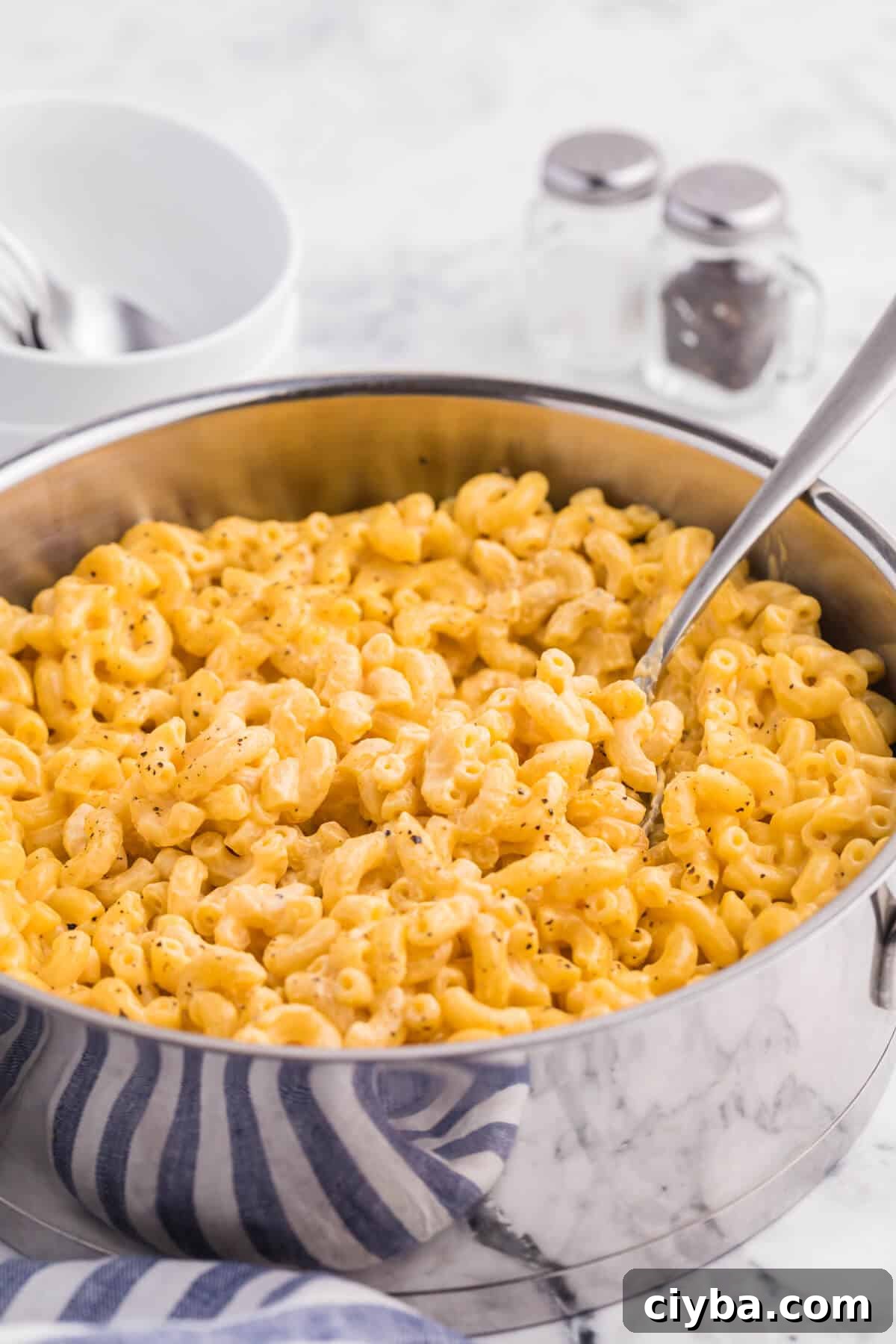
This homemade version far outshines boxed varieties. The tender pasta is coated in a creamy sauce made from real shredded cheddar and sour cream, resulting in a smooth, comforting dish that tastes like classic Southern-style macaroni and cheese.
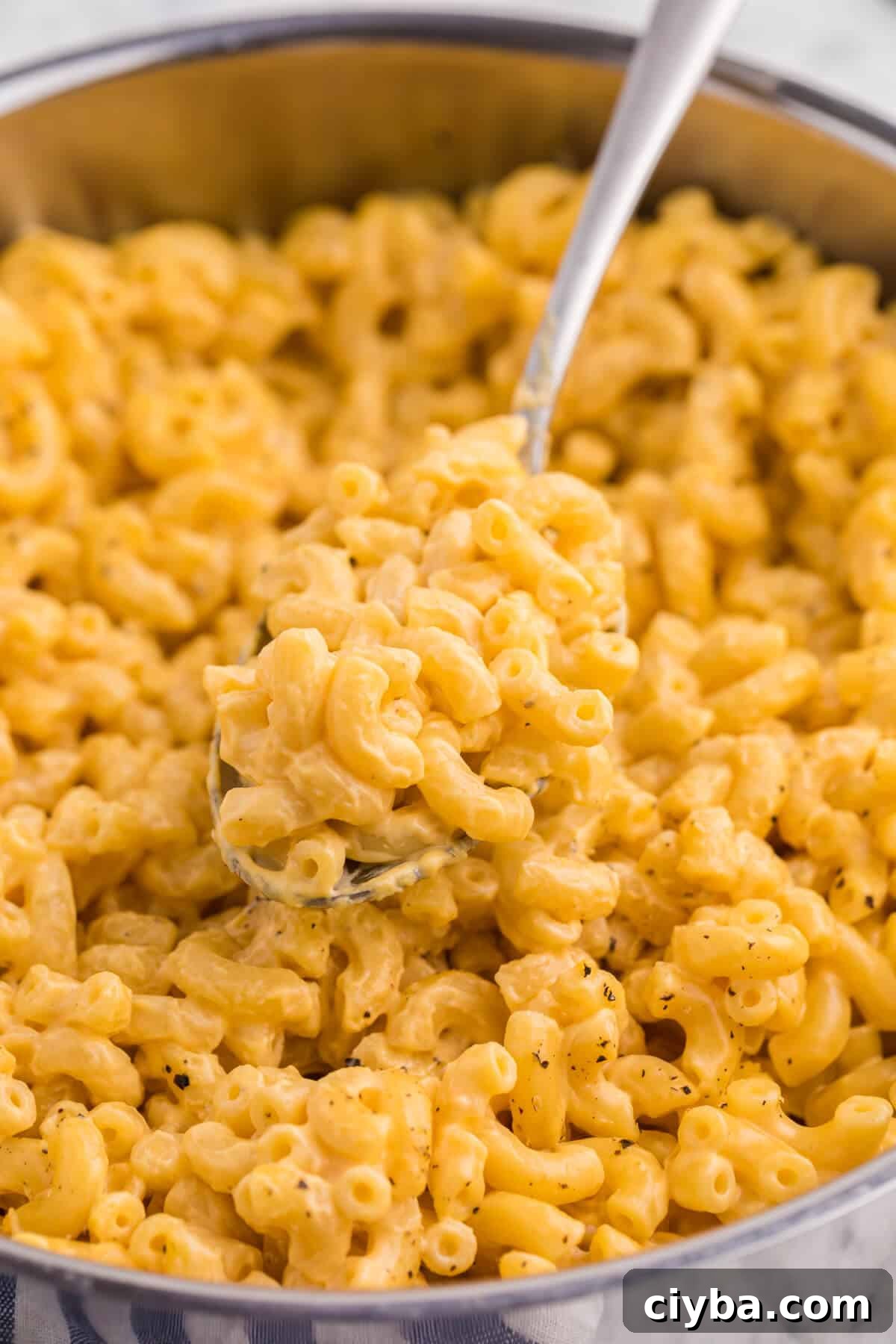
Creamy stovetop mac is one of those recipes that’s effortless yet satisfying. The sauce clings to each noodle so every bite is rich and cheesy. Because it’s not baked, you can have this dish on the table in about half an hour, making it a great choice for busy evenings.
One of the best features of stovetop mac and cheese is how customizable it is. Use elbows, shells, penne, or any short pasta you prefer. Cheddar is classic, but mixing in Gouda, Parmesan, Gruyere, or Monterey Jack creates interesting flavor profiles. Add-ins like crumbled bacon, sliced jalapeños, or toasted breadcrumbs bring extra texture and depth.
Why You’ll Love Stovetop Mac and Cheese
- Quick and easy: Ready in roughly 30 minutes, much faster than baked casseroles.
- Customizable: Swap pasta shapes, mix cheeses, or add vegetables and proteins.
- Creamy and delicious: A scratch-made cheese sauce gives superior flavor and texture compared to boxed mixes.
- Budget-friendly: Uses simple, affordable ingredients and feeds a crowd.
- Kid-friendly: A reliable crowd-pleaser that’s also a good way to introduce new flavors to picky eaters.
Ingredients
The printable recipe card with exact measurements is included below.
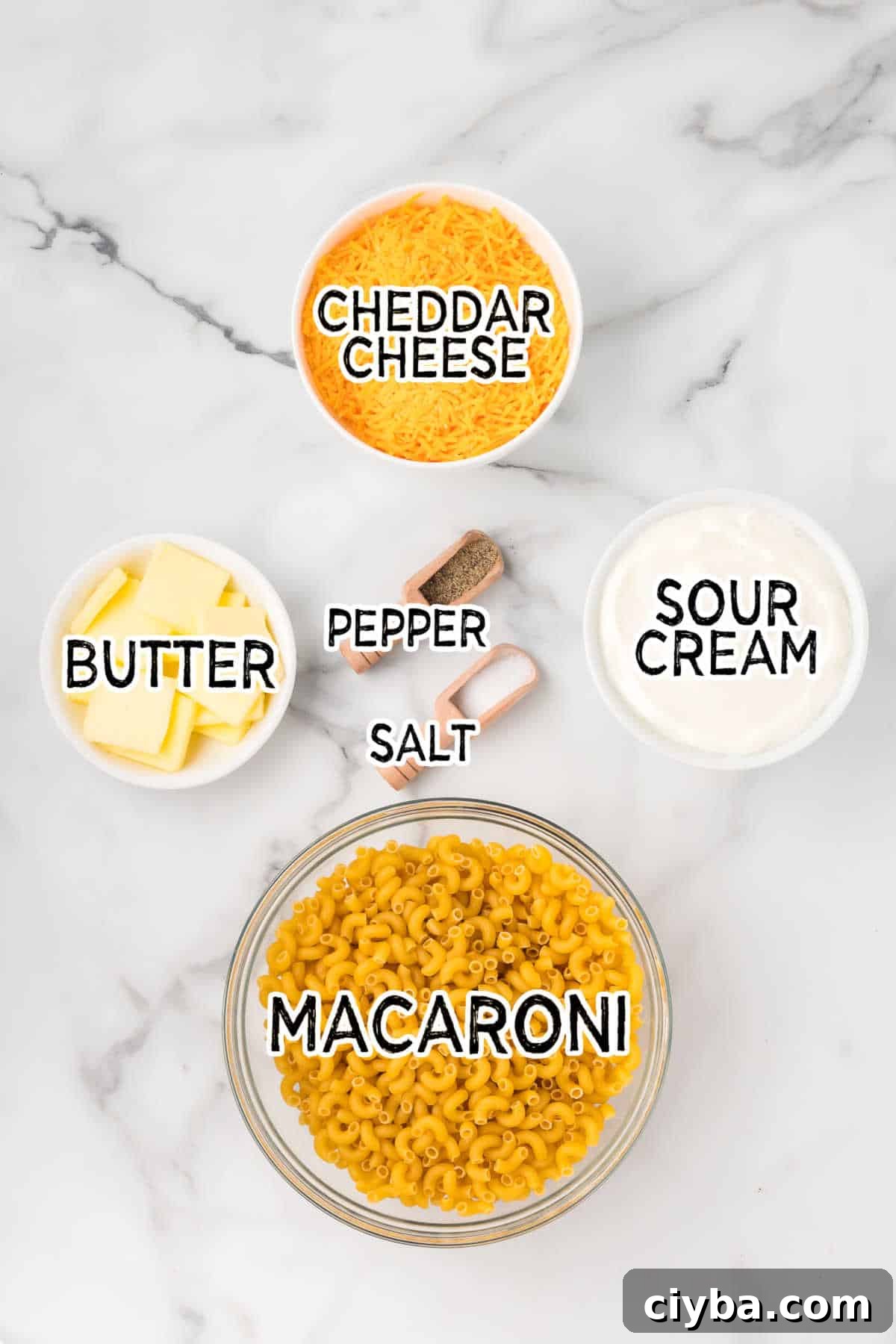
- Macaroni: Classic elbow or small shells; any short pasta works well to hold the sauce.
- Butter: Salted or unsalted—both work. Butter adds richness to the sauce.
- Cheddar cheese: Freshly shredded sharp cheddar melts best; you can mix cheeses for more complexity.
- Sour cream: Adds tang and extra creaminess to the sauce.
- Salt and pepper: Season to taste to bring out the cheese flavors.
How to Make the Best Stovetop Mac and Cheese
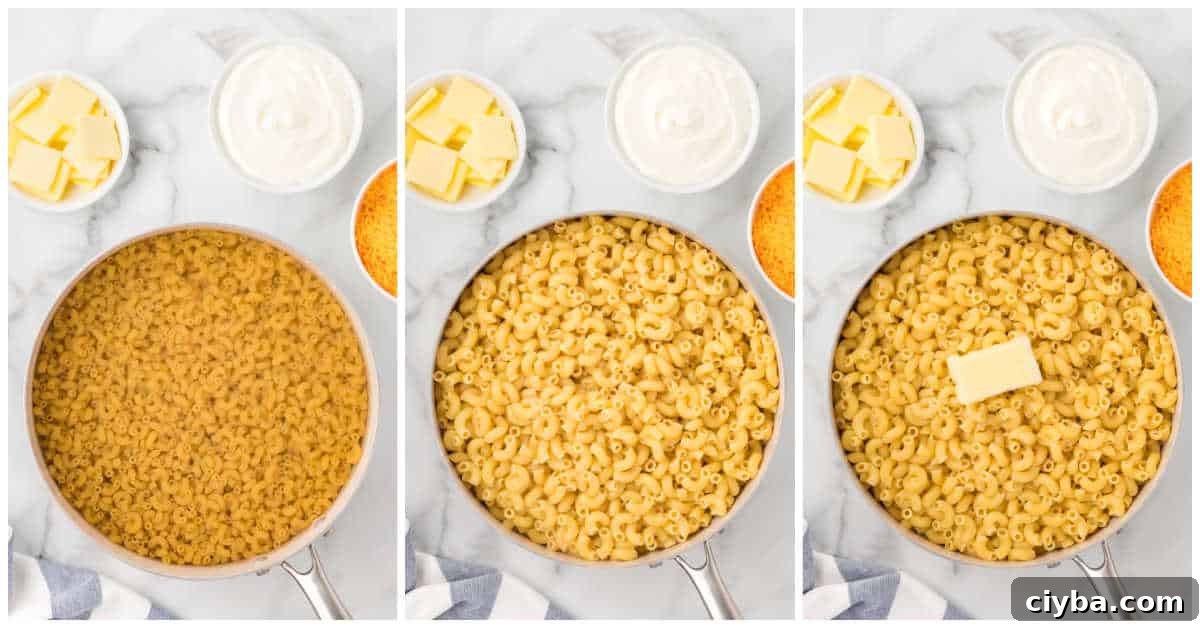
- Step One: Cook the pasta according to package directions until al dente. Use plenty of water so the noodles cook evenly.
- Step Two: Drain the pasta in a colander and return it to the pot while still warm.
- Step Three: Over low heat, add butter to the pot and stir until fully melted and distributed.
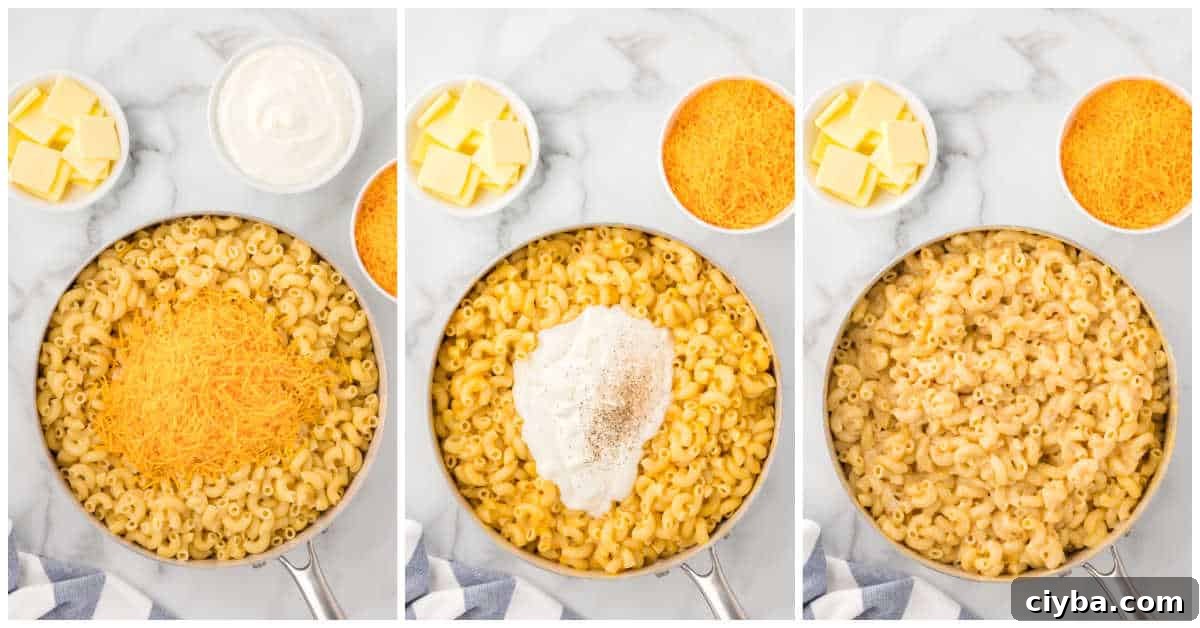
- Step Four: Add shredded cheese a little at a time, stirring until melted and smooth.
- Step Five: Stir in sour cream, then season with salt and pepper. Keep the heat low so the sauce stays creamy and doesn’t separate.
- Step Six: Serve immediately while warm and creamy.
Equipment Needed
- Measuring cups and spoons
- Large pot or Dutch oven to cook pasta and finish the sauce
- Box grater if shredding your own cheese
What to Serve with Stovetop Mac and Cheese
Stovetop mac and cheese pairs nicely with many sides. A crisp green salad or roasted vegetables balance the richness. Grilled chicken adds protein while garlic bread makes the meal more filling. For a lighter contrast, a fresh fruit salad brightens the plate.
- Green Salad: Mixed greens with a light vinaigrette.
- Roasted Vegetables: Broccoli, cauliflower, or Brussels sprouts tossed with olive oil and roasted until tender.
- Grilled Chicken: Season simply for a hearty addition.
- Garlic Bread: Buttered and toasted for extra comfort.
- Fruit Salad: Fresh seasonal fruit with a touch of honey and lime.
Variations and Substitutions
- Swap sour cream for heavy cream, whole milk, cream cheese, or evaporated milk.
- Try different cheeses: Monterey Jack, Pepper Jack, Gouda, Gruyere, Colby Jack, or white cheddar.
- Add chopped cooked bacon for a smoky, savory twist.
Vegan Options
For a dairy-free version, use vegan butter, plant-based milk (almond, soy, oat), and nutritional yeast for a cheesy flavor. Blended cashews or silken tofu make a rich, creamy sauce substitute.
Gluten-Free Choices
Use gluten-free pasta made from rice, corn, quinoa, or other gluten-free grains to keep the dish gluten-free without sacrificing texture.
Storage Instructions
Store leftovers in an airtight container in the refrigerator for up to 5 days. Cool to room temperature before refrigerating to avoid condensation that can make the pasta soggy.
How to Reheat
Reheat gently to preserve creaminess:
Stovetop
Warm leftovers in a saucepan over medium-low heat with a splash of milk or cream, stirring frequently until heated through.
Microwave
Place mac and cheese in a microwave-safe dish, cover, and heat in 30-second intervals, stirring between each interval and adding a little milk if needed.
Oven
For a baked finish, preheat oven to 350°F, place mac and cheese in an oven-safe dish, cover with foil and bake 20 minutes. Remove foil and bake another 8–10 minutes to crisp the top if desired.
Note: reheated sauce can thicken or slightly separate; add a splash of dairy to restore a smooth texture.
Freezing
You can freeze stovetop mac and cheese for up to three months. Cool completely, portion into freezer-safe containers or bags, label with date, and leave room for expansion.
Reheating from Frozen
- Microwave: thaw partially and heat in intervals, stirring frequently.
- Stovetop: thaw in the refrigerator overnight, then warm gently with milk over low heat.
- Oven: bake covered at 350°F until heated through, removing the foil near the end to crisp the top.
Recipe Tips and Tricks
- Use quality cheese: Sharp cheddar or a blend gives the best flavor.
- Grate cheese yourself: Pre-shredded cheese often contains anti-caking agents that affect texture.
- Cook pasta al dente: Slightly firm pasta holds up better when mixed with sauce.
- Stir frequently: Prevents sticking and helps the cheese melt evenly.
- Adjust seasonings: Add salt, pepper, paprika or mustard powder to taste.
- Serve immediately: Mac and cheese is best hot and creamy; add milk when reheating to restore texture.
Common Problems and Solutions
Cheese Clumping
If cheese clumps, shred it finely and add it gradually over low heat. Stir constantly and avoid high heat, which can cause separation.
Overcooked Pasta
To prevent mushy noodles, cook to al dente and drain immediately. Rinsing briefly in cold water can stop the cooking process if needed.
What Cheese Works Best?
Cheddar is the go-to choice for flavor and meltability. Other excellent options include Gouda, Fontina, Gruyere and Parmesan. Mixing cheeses can give the sauce greater depth and complexity.
Spices That Pair Well
- Paprika: adds mild smokiness and color.
- Garlic powder: brings savory depth.
- Mustard powder: brightens and cuts richness.
- Nutmeg: a small pinch enhances creamy sauces.
- Cayenne: for a hint of heat.
- Thyme: subtle herbal notes that complement cheese.
FAQ
You can, but freshly shredded cheese melts more smoothly. Pre-shredded cheese often contains anti-caking agents that can make the sauce slightly grainy. If you use pre-shredded cheese, choose the highest-quality option and consider stirring in a small amount of cornstarch or flour to help stabilize the sauce.
This stovetop mac and cheese recipe makes about 5 servings.
More Mac and Cheese Ideas
- Mac and Cheese Cups
- Pumpkin Macaroni and Cheese
- Salsa Macaroni and Cheese
- Baked Macaroni and Cheese
- Velveeta Mac and Cheese
- Dill Pickle Mac and Cheese
Recipe (Printable)
Stovetop Macaroni & Cheese
Ingredients
- 4 cups macaroni uncooked
- ¼ cup salted butter
- 2 cups cheddar cheese shredded
- 1 cup sour cream
- salt & pepper to taste
Instructions
- Cook macaroni according to package directions. Drain and return to the pot on the stove.
- Heat on low and add in butter; stir until melted. Stir in shredded cheese until melted and smooth.
- Add sour cream, salt and pepper. Heat over low, stirring, until sauce coats all the noodles. Serve immediately.
Notes
Equipment
- Measuring cups
- Dutch oven or large pot
- Cheese grater
Nutrition