An Italian Muse.
In recent days my ongoing obsession with authentic Italian food has intensified while developing an ultimate spelt pizza guide. A series of recipe tests has produced some of the best pizzas I’ve ever eaten — thin, crisp, and balanced — and I’ll soon share those recipes so you can make them at home. Working through this project has been joyous, but it’s also highlighted how strongly I react when discussing what “authentic” Italian food means.
Whenever I try to write carefully about Italian cooking, I find myself swept into a near-apoplectic passion. I start critiquing broad swathes of Italian-inspired dishes as inauthentic, and before long a short post becomes an extended tirade. In fact, as I draft this I’m already a couple thousand words away from the original focus on spelt pizza.
Authentic Italian Food, English Man.
That tension feels awkward at first because I’m not Italian. I haven’t lived for long stretches in Italy, I’m not formally trained in Italian culinary arts, and my early experiences of Italian food were mostly average suburban versions. Even after moving to central London, genuinely excellent Italian restaurants were hard to find. I haven’t been formally instructed by Italian friends or immersed in Italian culinary literature. On paper I lack credentials to pronounce on authenticity.
And yet that’s fine. Authentic Italian food, to my mind, is rooted in feeling and passion rather than credentials or trivia. It’s about an instinct for simplicity and balance — the quiet elegance where a single, beautifully made ingredient outshines a cluttered plate. That simplicity is not laziness; it’s deliberate restraint. It values quality and harmony over complexity for its own sake.
Fierce Passion.
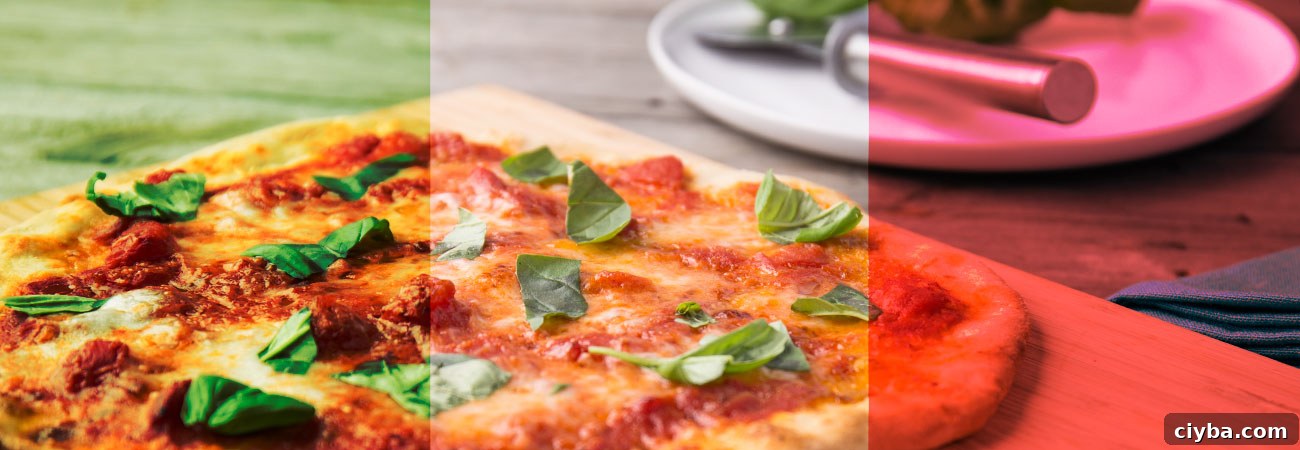
My convictions likely grew from repeated disappointments: soggy garlic mushrooms masquerading as Italian, overloaded plates that drowned individual flavours, and restaurants that mistook abundance for authenticity. I came to prefer mastering one dish properly rather than producing many mediocre approximations. Pizza is a perfect example. Real Italian pizza is typically thin, crisp, and cooked quickly with relatively few toppings — allowing the base, sauce, and cheese to sing. The heavy, bready bases piled with sauces and countless toppings that you see elsewhere are not how Italians traditionally conceive it.
Lost in Translation.
At some point, Italian cuisine became softened or altered to suit unfamiliar palates. That process of “translation” often reduces bold or specific flavours into a more generic, safe version. I’ve noticed the same phenomenon with Thai food: after multiple visits to Thailand, I came back to the UK and found some restaurants serving a pale, “beige” version of what is vibrant and assertive at its source. I suspect owners adapt dishes to local expectations, muting the original character. The result can be a performance that no longer represents its intention.
Another factor is ingredient availability. Great Italian cooking depends on great ingredients, and often not many of them. A tomato salad is only as good as the tomatoes it uses. If tomatoes lack flavour, cooks may compensate with dried herbs, heavy sauces, or other strong additions that obscure the original components. Fortunately, in recent years access to quality ingredients has improved: good mozzarella, heritage tomatoes, and specialty produce are easier to find in ordinary shops. That shift has made authentic Italian dishes far more achievable in places far from Italy.
Go Fourth and Multiply
So the materials are available, and the basic tools have always been there. What remains is to refine perception and restore passion. A genuinely good Italian recipe often appears almost deceptively simple, allowing each ingredient room to contribute. When you read a recipe and think “is that all?” compared to another crowded with dried herbs and pastes, choose the simple one and invest in the best ingredients you can find — the result will likely surprise you.
When I cook Italian food I rarely, if ever, settle for “that’ll do.” If a dish is only acceptable, it should be reconsidered; Italian cuisine deserves care and attention. I may not be fluent in Italian, but I speak fluent appreciation for exceptional food, and that passion is what matters when representing authentic Italian cuisine.
PS. I’d welcome thoughts from Italians who read this — my intention is to celebrate your food, not to misrepresent it. I’m always open to correction and conversation about what authenticity truly means.