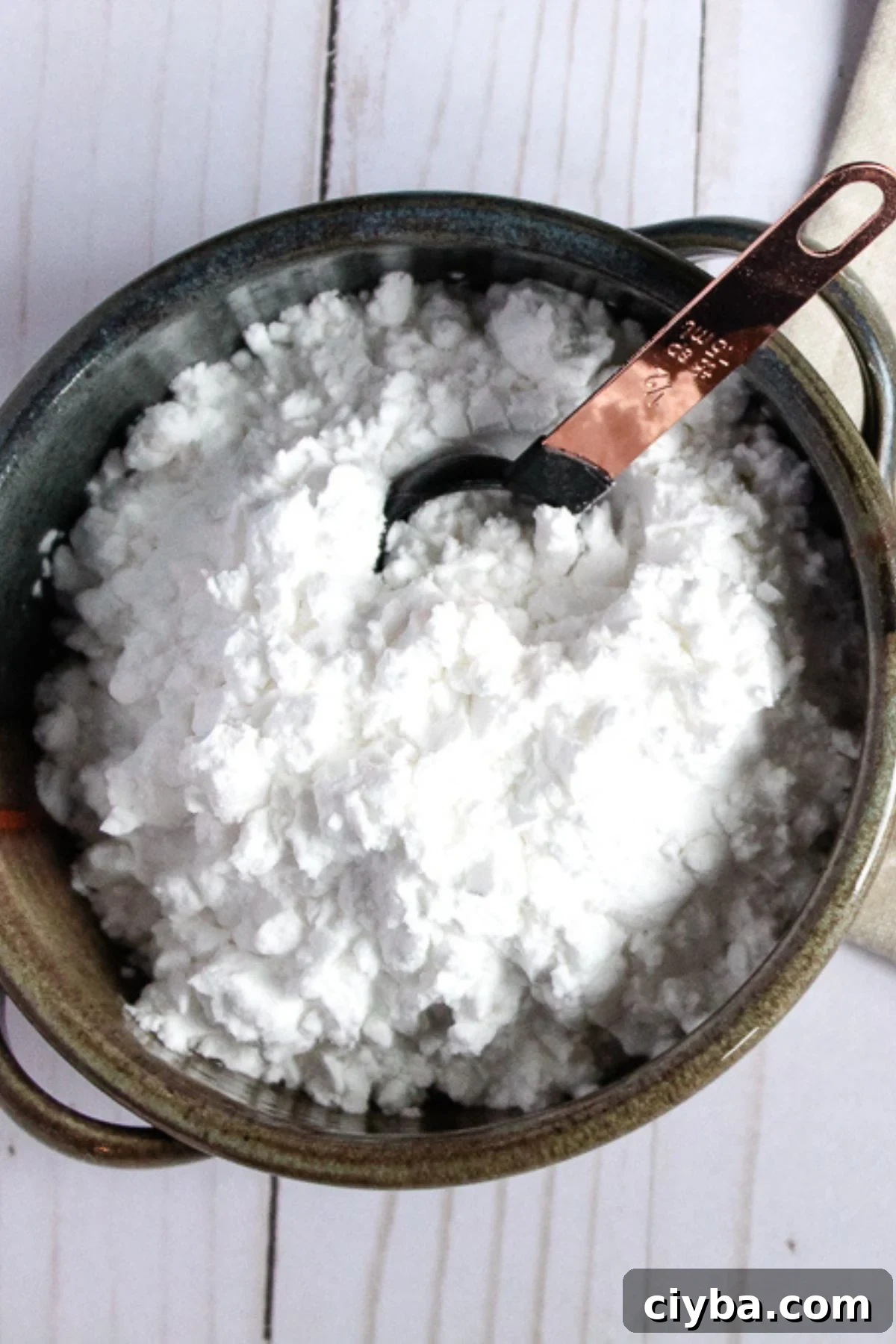
Choosing the wrong potato starch substitute can change how a recipe behaves with heat, leaving sauces gummy or thin and baked goods crumbly or oddly textured.
This shows up most clearly in recipes that rely on precise texture, like our Soft Gluten-Free Potato Bread Recipe: Dairy-Free, where a poor swap changes moisture and crumb.
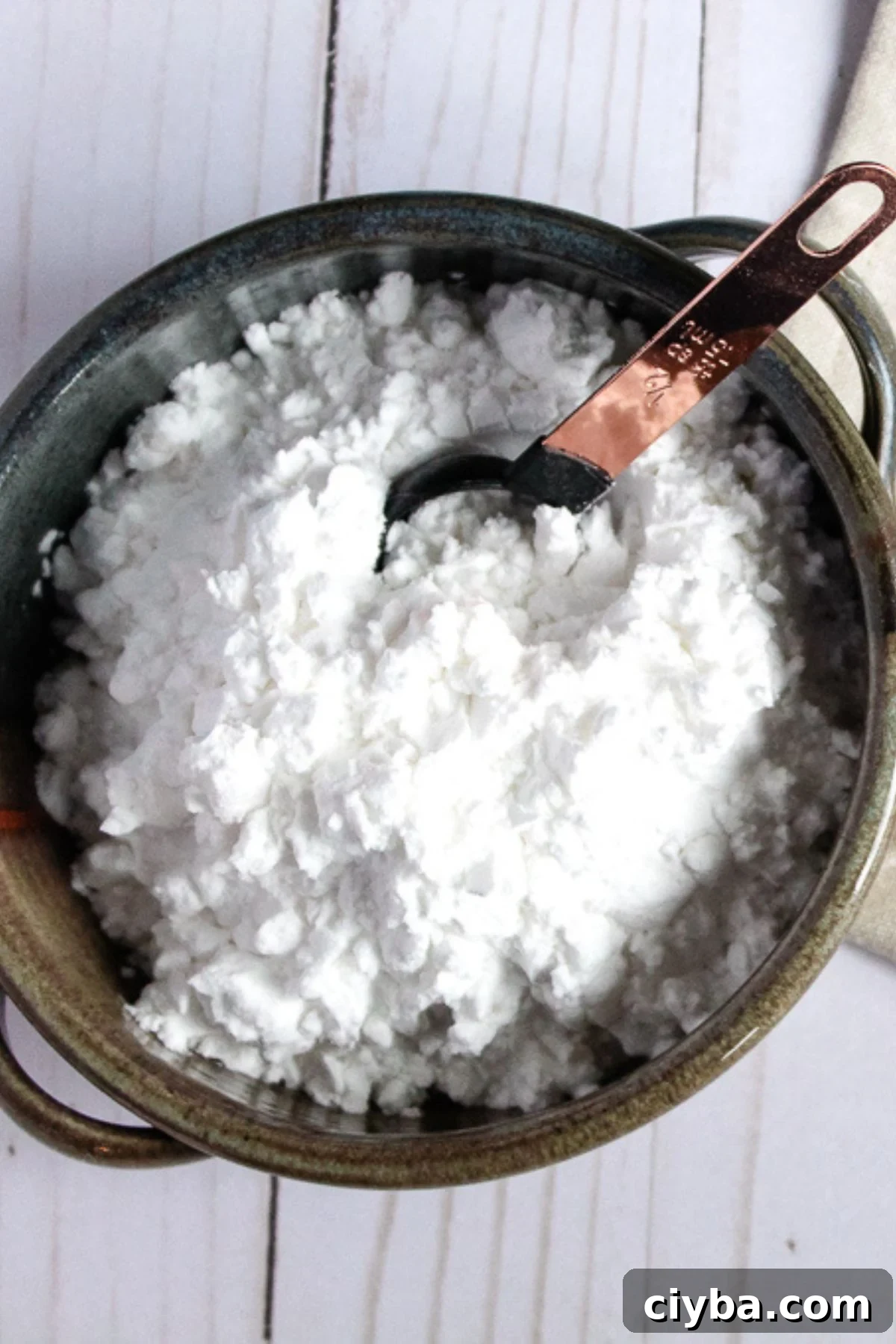
Every substitute behaves differently. Cornstarch, tapioca, and arrowroot are useful stand-ins, but each thickens in its own way and may require a different amount to reach the texture you want.
This guide provides recommended substitutes, practical ratios, and notes on when to choose each option so your dish keeps the right texture and structure.
Quick Answer: Best Potato Starch Alternatives
The best alternative depends on the role potato starch plays in a recipe, but a few reliable swaps cover most needs. Use the ratios below as a starting point and adjust for cooking time, reheating, or freezing.
- Cornstarch — 1:1: Works well for many sauces and frying; avoid for long-cooked or frozen dishes because it can break down.
- Tapioca starch — 1:1: Good in baking and fillings; use sparingly to prevent a gummy result.
- Arrowroot powder — 1:1: Produces a clear, glossy finish; not ideal for high heat or repeated reheating.
- Rice flour — 2:1: Useful in baking but can make sauces grainy or heavy; doubles the amount of potato starch called for.
These ratios are general guidelines. Cooking method—especially long heat, freezing, or reheating—can change how a substitute performs, and may affect clarity and mouthfeel.
What Potato Starch Does in Recipes
Potato starch does more than thicken: it controls texture, adds body, and helps recipes hold together through cooking and cooling. Its neutral flavor and glossy finish make it especially useful in both sauces and gluten-free baking.
How Potato Starch Works (Why It’s Hard to Replace)
Potato starch thickens by gelatinization: heated starch granules absorb water, swell, and form a smooth gel that sets as it cools. This quick activation, clear appearance, and mild taste are why many substitutes behave differently.
Because it’s neutral and clear, potato starch gives sauces and fillings a glossy finish and provides structure in gluten-free doughs without adding flavor.
Where It’s Commonly Used
Typical uses where its properties matter most:
- Sauces & Gravies: Thickens quickly and keeps clarity.
- Baking (Structure): Retains moisture and supports crumb in gluten-free breads and rolls.
- Frying (Crispiness): Produces a light, dry coating that crisps well.
Best Potato Starch Substitutes
Choose a substitute based on the result you need—thickening, binding, sheen, or crispness—rather than trying to match the ingredient itself.
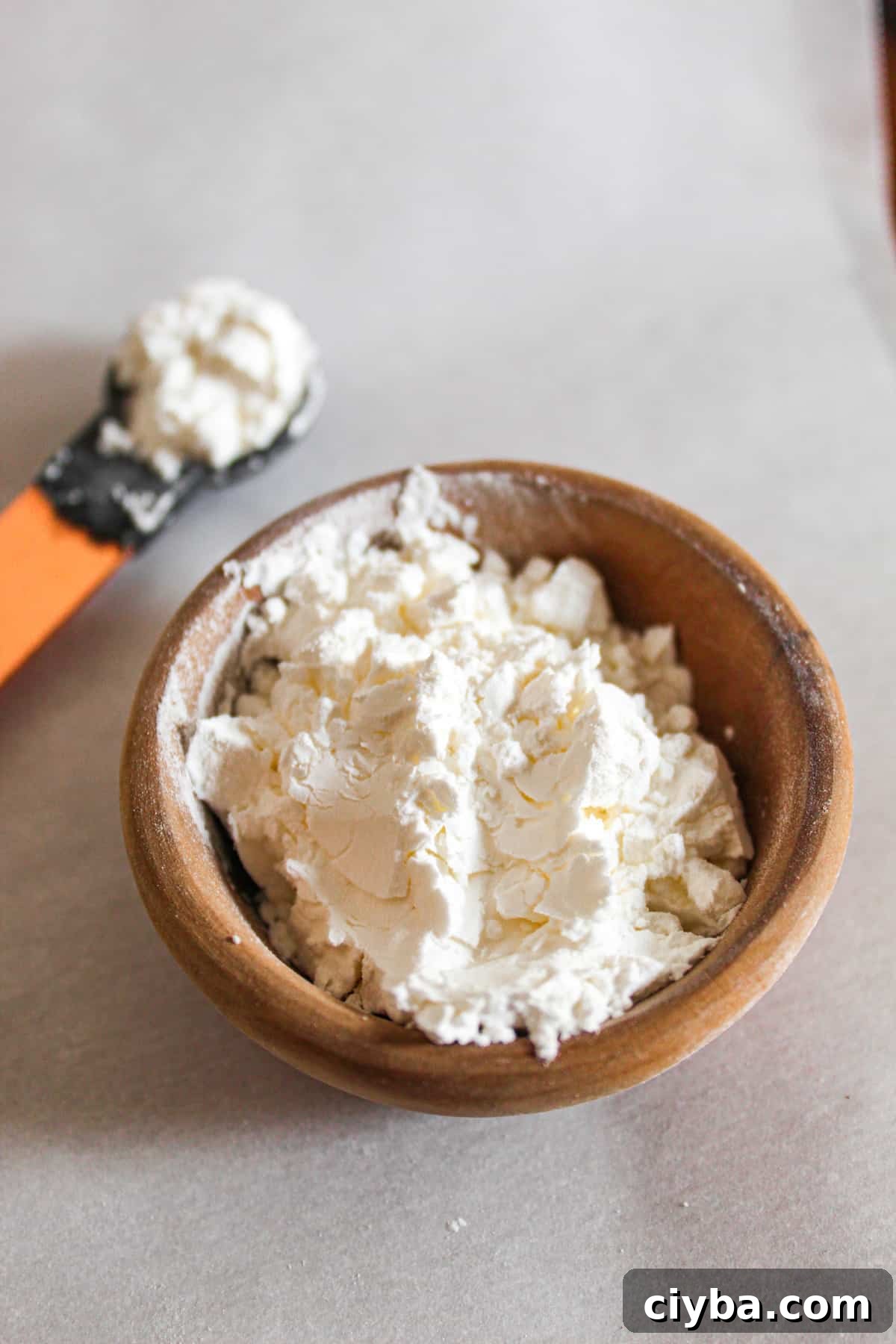
Cornstarch
Cornstarch is widely available and an easy swap, but it can make sauces slightly opaque and may lose power in long cooking or frozen storage.
- Best for: Sauces, gravies, frying.
- Texture: Smooth but slightly opaque.
- Ratio: 1:1
- Avoid: Long cooking or freezing.
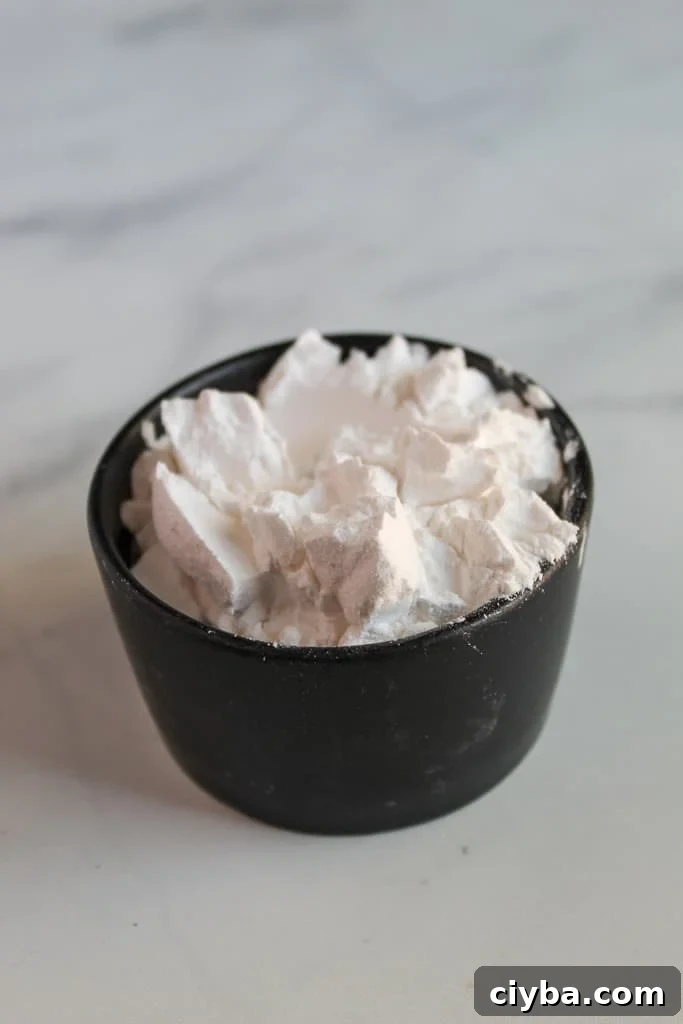
Tapioca Starch
Tapioca behaves similarly to potato starch in baking, lending elasticity and moisture. Use carefully, as too much can make a product gummy.
- Ideal for: Baking, pie fillings, gluten-free recipes.
- Texture: Light, elastic, slightly glossy.
- Ratio: 1:1
- Avoid: Overuse that causes stickiness.
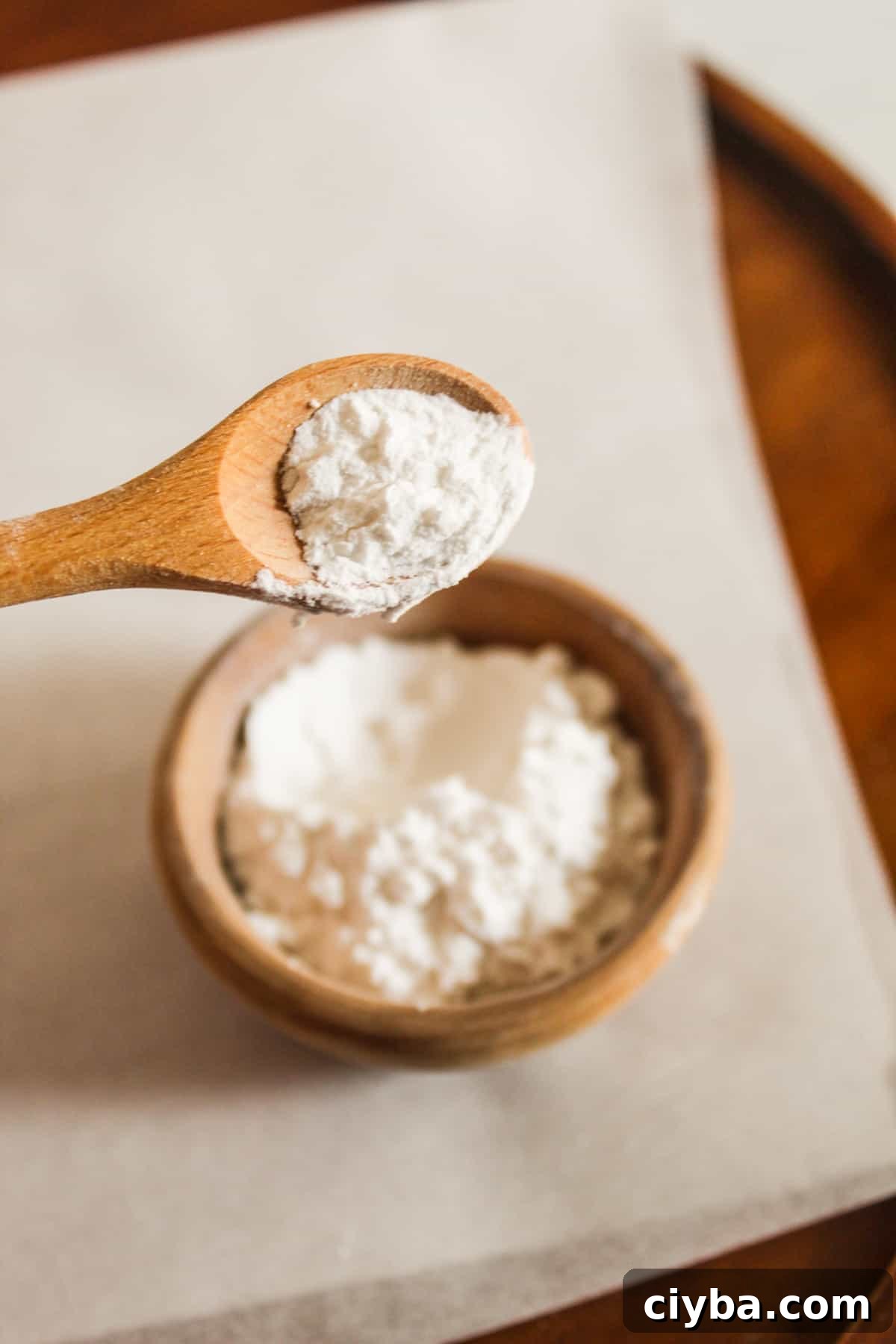
Arrowroot Powder
Arrowroot gives a clear, glossy finish and works well in delicate sauces, but it breaks down under sustained high heat or repeated reheating.
- Great for: Clear sauces and dishes where appearance matters.
- Texture: Light and glossy.
- Ratio: 1:1
- Avoid: High-heat or reheated dishes.
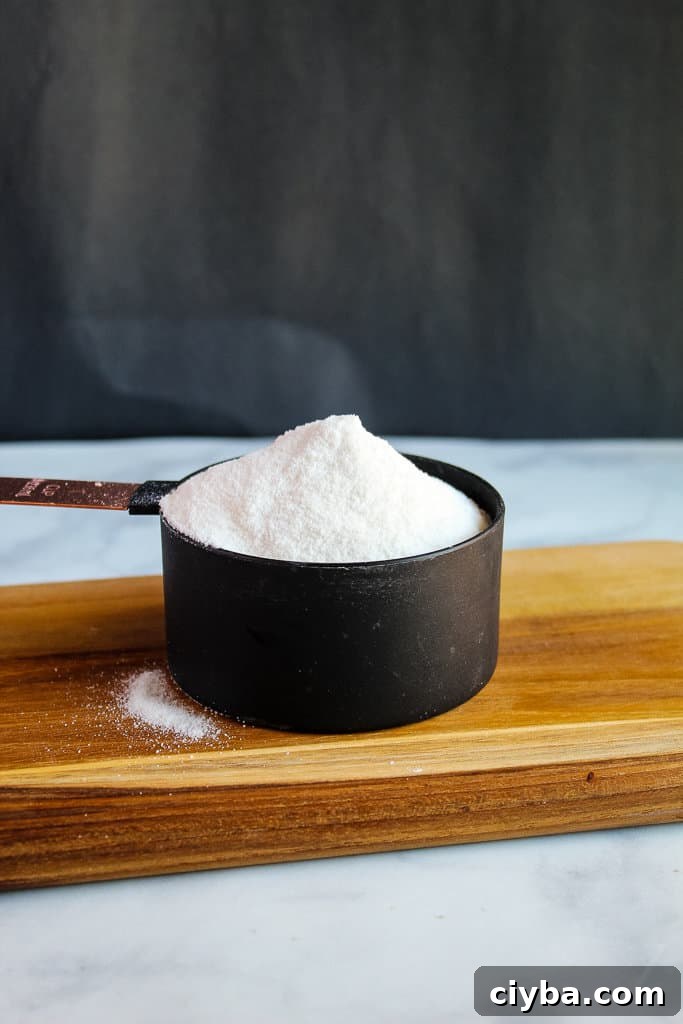
Rice Flour
Rice flour adds body but can be grainy or dense and won’t produce the silky finish potato starch does.
- Use for: Gluten-free baking, light thickening.
- Texture: Slightly dense or grainy.
- Ratio: 2:1
- Avoid: Smooth, glossy sauces.
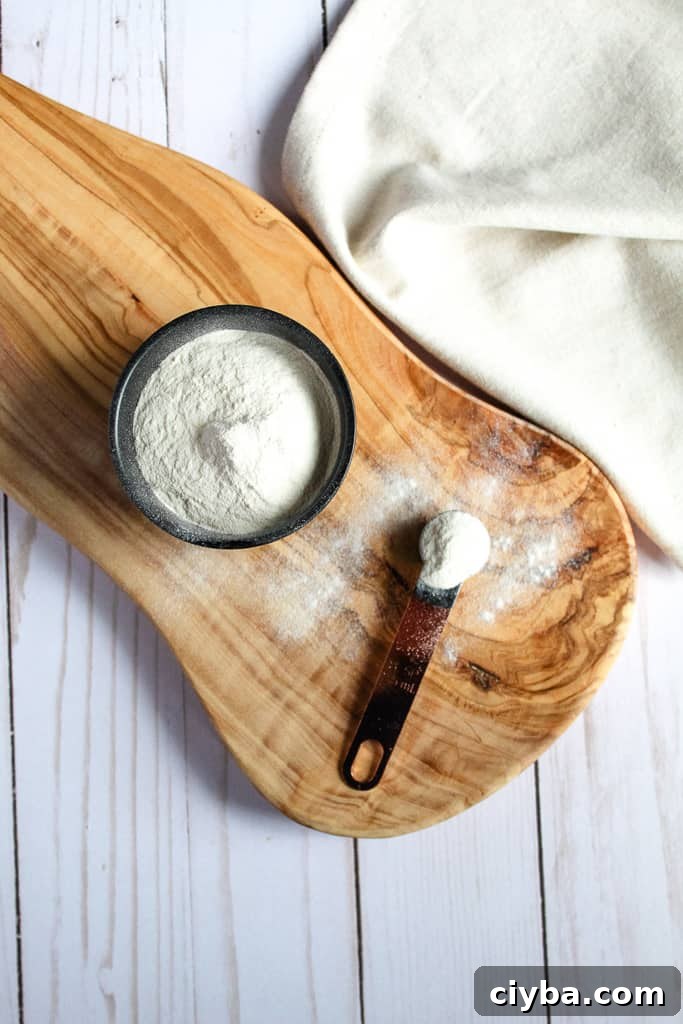
Potato Flour
Potato flour is made from whole cooked potatoes and brings flavor, weight, and moisture—useful in hearty recipes but not ideal where neutrality or lightness is required.
- Best for: Bread and savory baking.
- Texture: Dense, moist, slightly flavorful.
- Ratio: 1:1 (reduce liquid as needed).
- Avoid: Light or neutral recipes.
Cassava Flour
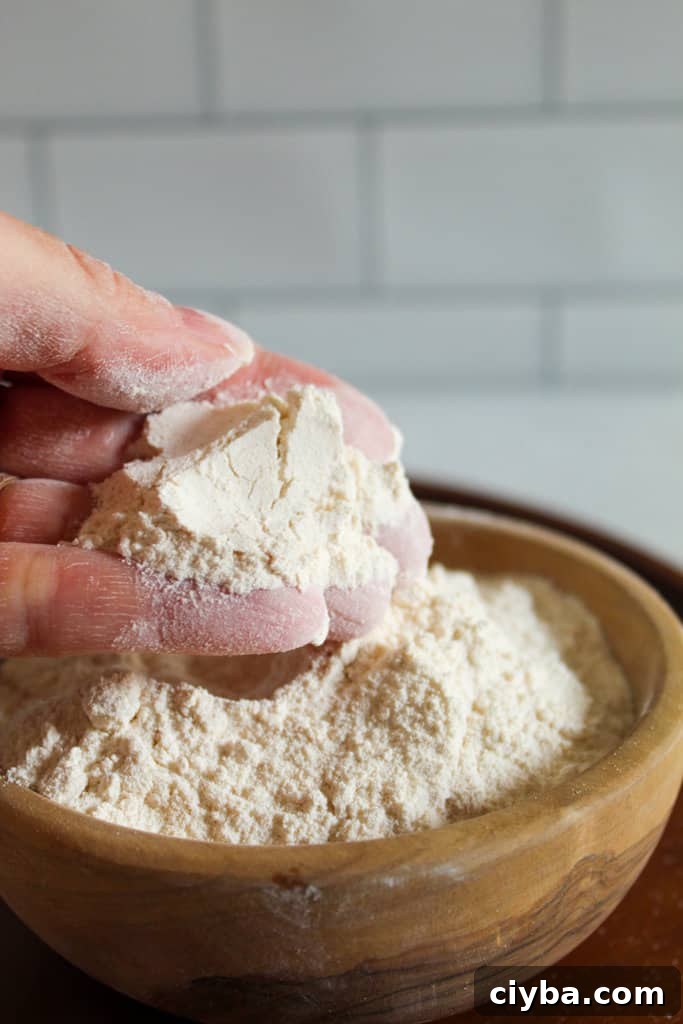
Cassava flour uses the whole root and is denser than tapioca starch, adding more body and fiber—good for gluten-free baking but heavier than pure starch.
- Great for: Gluten-free baking.
- Texture: Soft but heavier than starch.
- Ratio: 1:1 (adjust liquids).
- Avoid: Recipes needing a light structure.
All-Purpose Flour
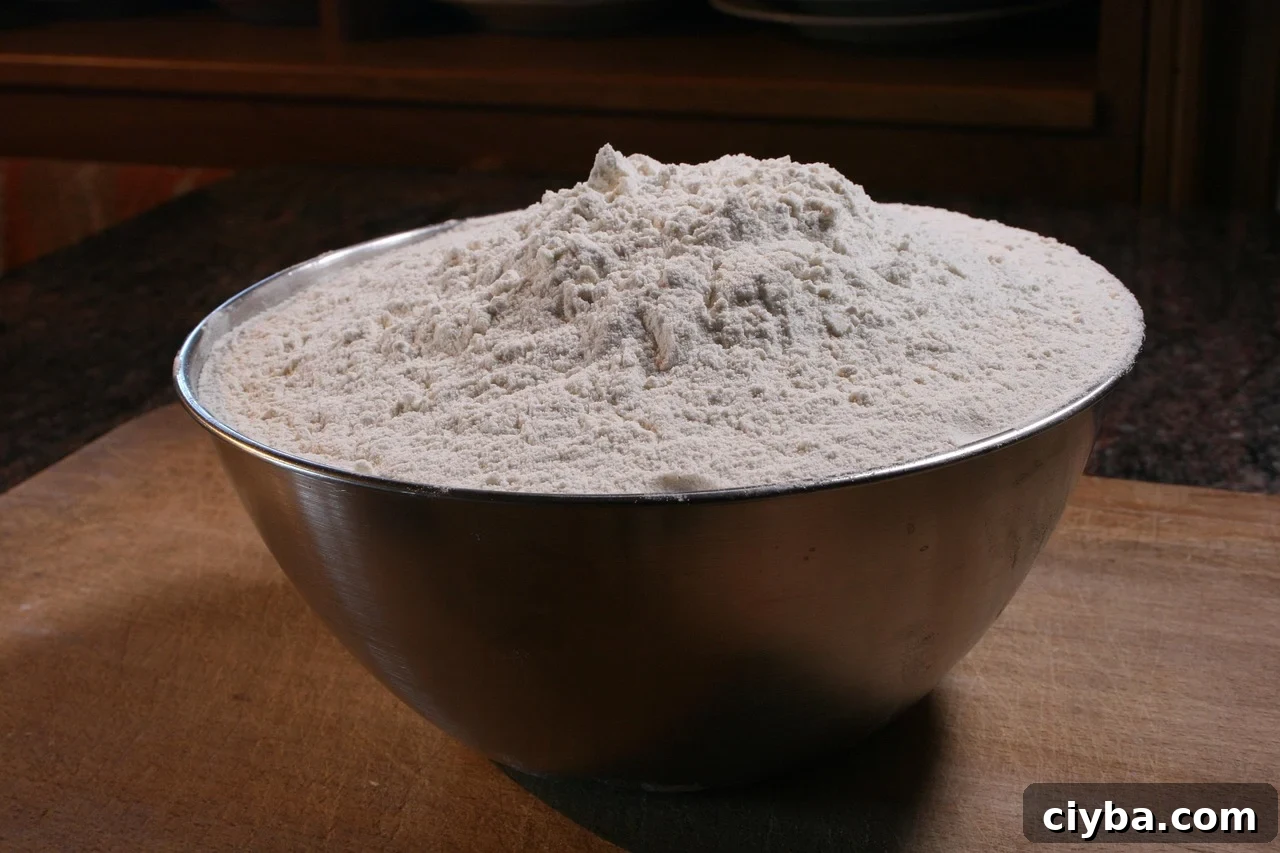
All-purpose flour will thicken but creates a heavier, opaque result and needs longer cooking to remove the raw taste—use when texture is not critical.
- Use for: Thickening, frying.
- Texture: Heavier, matte.
- Ratio: 2:1
- Avoid: Gluten-free baking.
Xanthan Gum
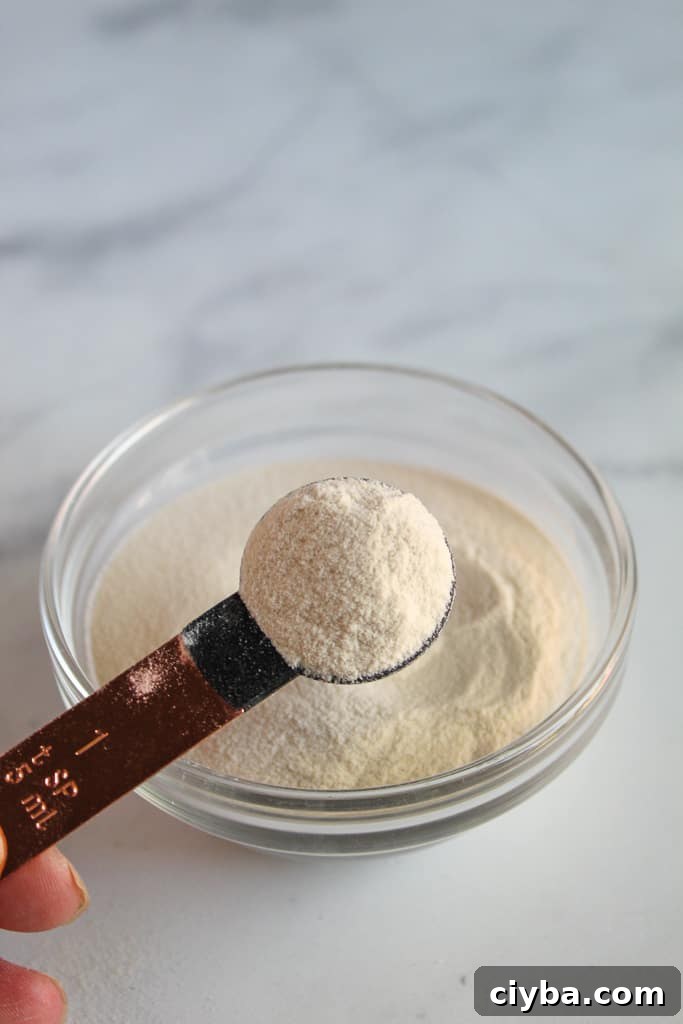
Xanthan gum replaces structural functions in gluten-free baking—binding and trapping air—but it’s not a direct thickener for hot sauces.
- Use for: Structure in gluten-free baking.
- Texture: Elastic, binding.
- Ratio: Tiny amounts (¼–½ tsp).
- Avoid: Trying to substitute it 1:1 for starch in sauces.
Guar Gum
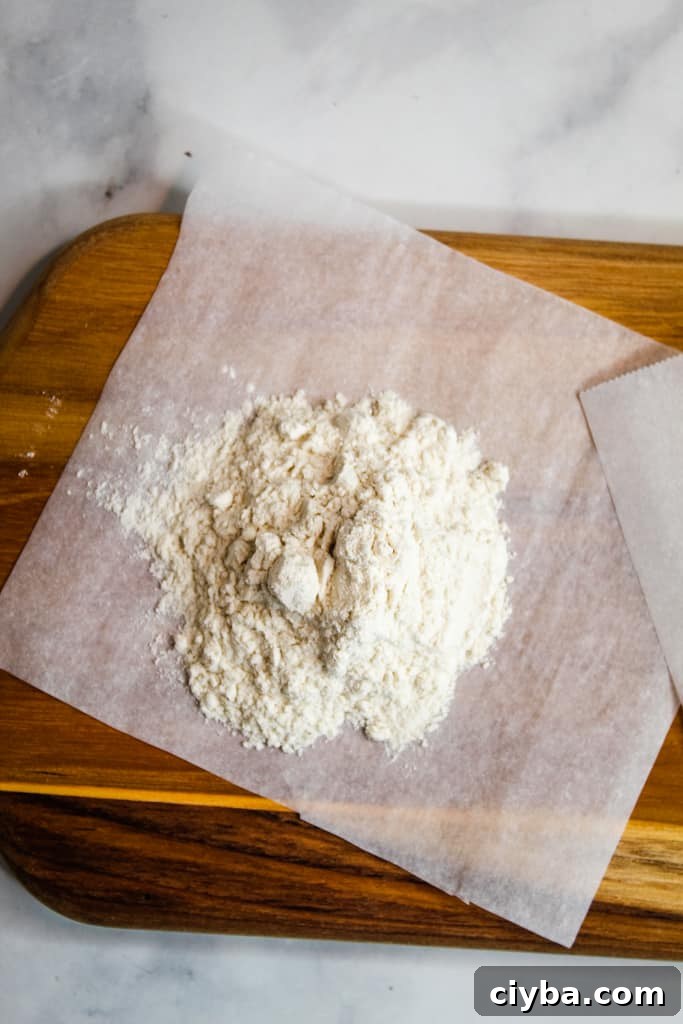
Guar gum thickens quickly, even without heat, so it’s useful in cold applications—but it can become overly gelatinous if overused.
- Great for: Cold or low-heat thickening.
- Texture: Smooth but can thicken excessively.
- Ratio: Small amounts.
- Avoid: High-heat cooking.
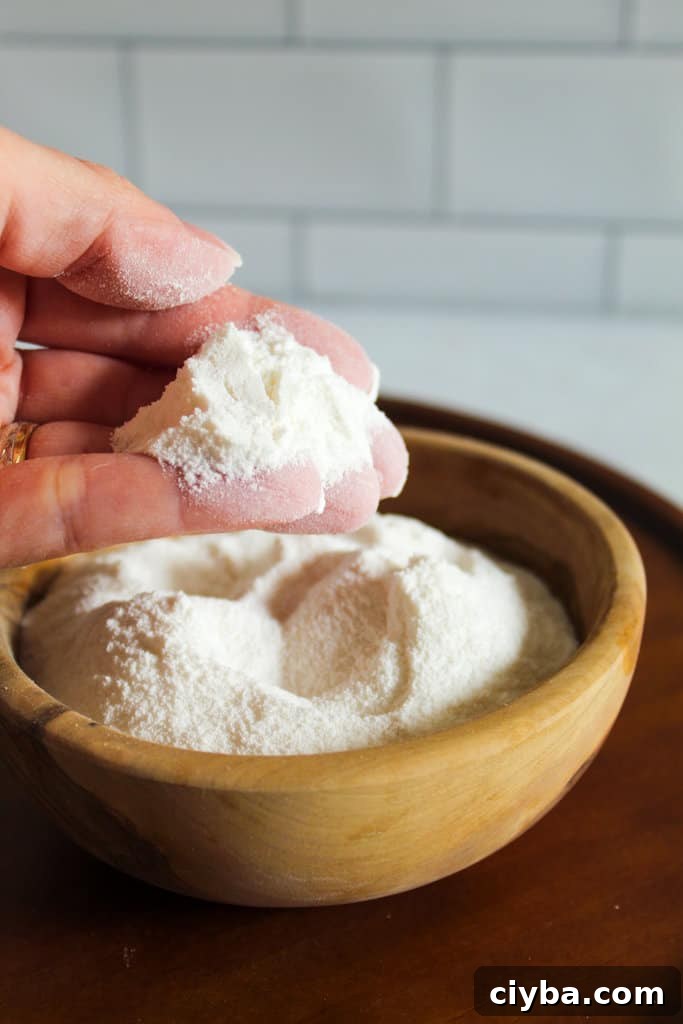
Sweet Rice Flour
Sweet rice flour adds chew and elasticity—handy in certain baked goods—but it does not give the same clear thickening performance as potato starch.
- Ideal for: Desserts and certain baked goods.
- Texture: Chewy, slightly sticky.
- Ratio: 1:1
- Avoid: Savory sauces.
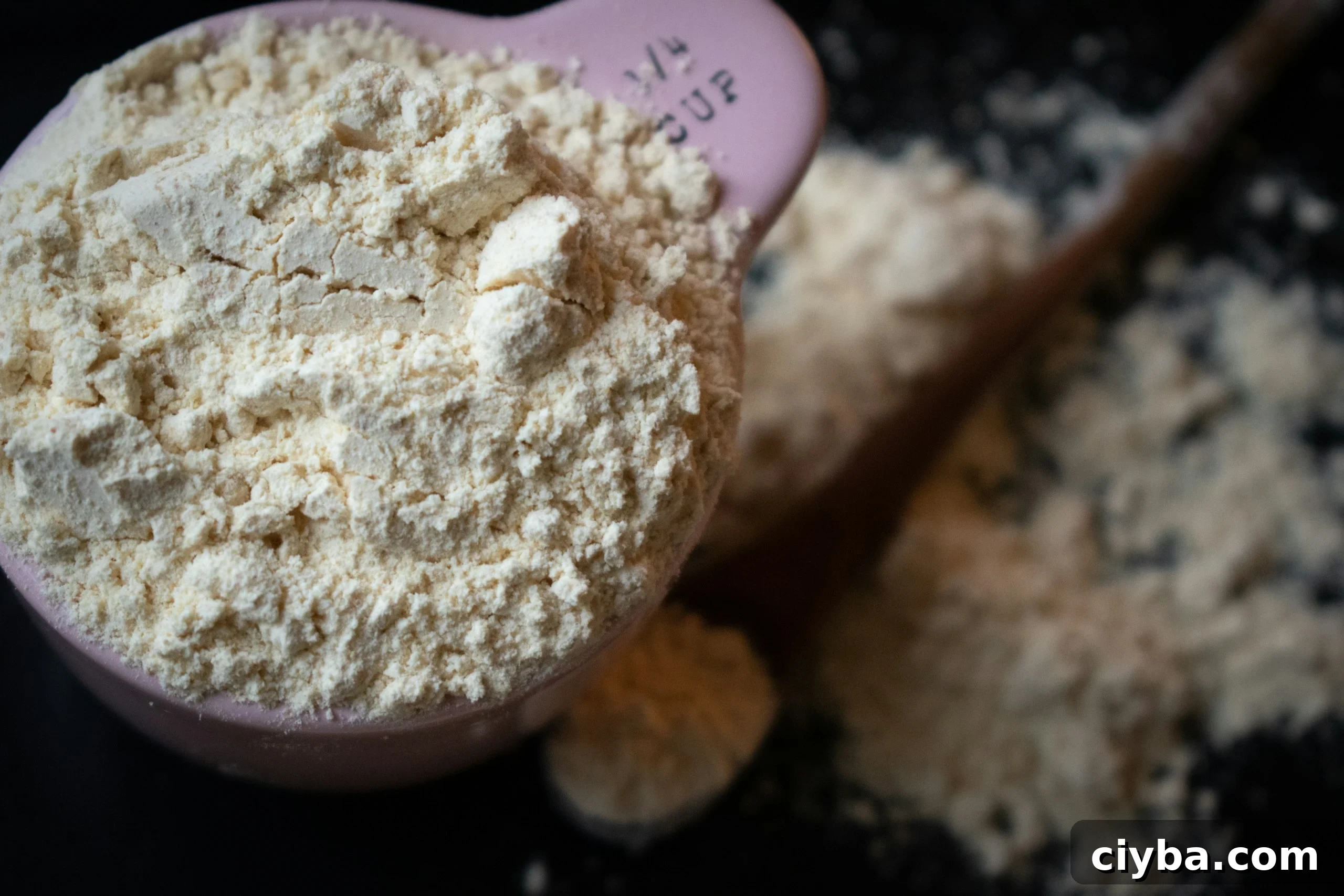
Chickpea Flour
Chickpea flour strengthens structure and adds savory flavor—great in hearty dishes but not for neutral-flavored recipes.
- Great for: Savory recipes and binding.
- Texture: Dense, slightly nutty.
- Ratio: 1:1
- Avoid: Delicate, neutral-flavored dishes.
Modified Starch Alternatives (Advanced)
Modified starches are engineered to resist heat, acid, and long storage, so they perform consistently in commercial kitchens. They’re rarely needed at home but solve problems standard starches can’t.
- Best for: Complex or processed recipes requiring stability.
- Texture: Consistent and heat-resistant.
- Ratio: Varies by product.
- Avoid: Simple home cooking unless stability is essential.
Potato Starch Substitute Conversion Chart
Here’s a quick reference to help you choose the right substitute and ratio without guesswork.
| Substitute | Ratio | Best for | Texture Result |
|---|---|---|---|
| Cornstarch | 1:1 | Sauces | Smooth, slightly opaque |
| Tapioca starch | 1:1 | Pie fillings | Glossy, elastic |
| Arrowroot | 1:1 | Clear sauces | Light and glossy |
| Rice flour | 2:1 | Baking | Slightly dense |
Potato Starch vs Potato Flour
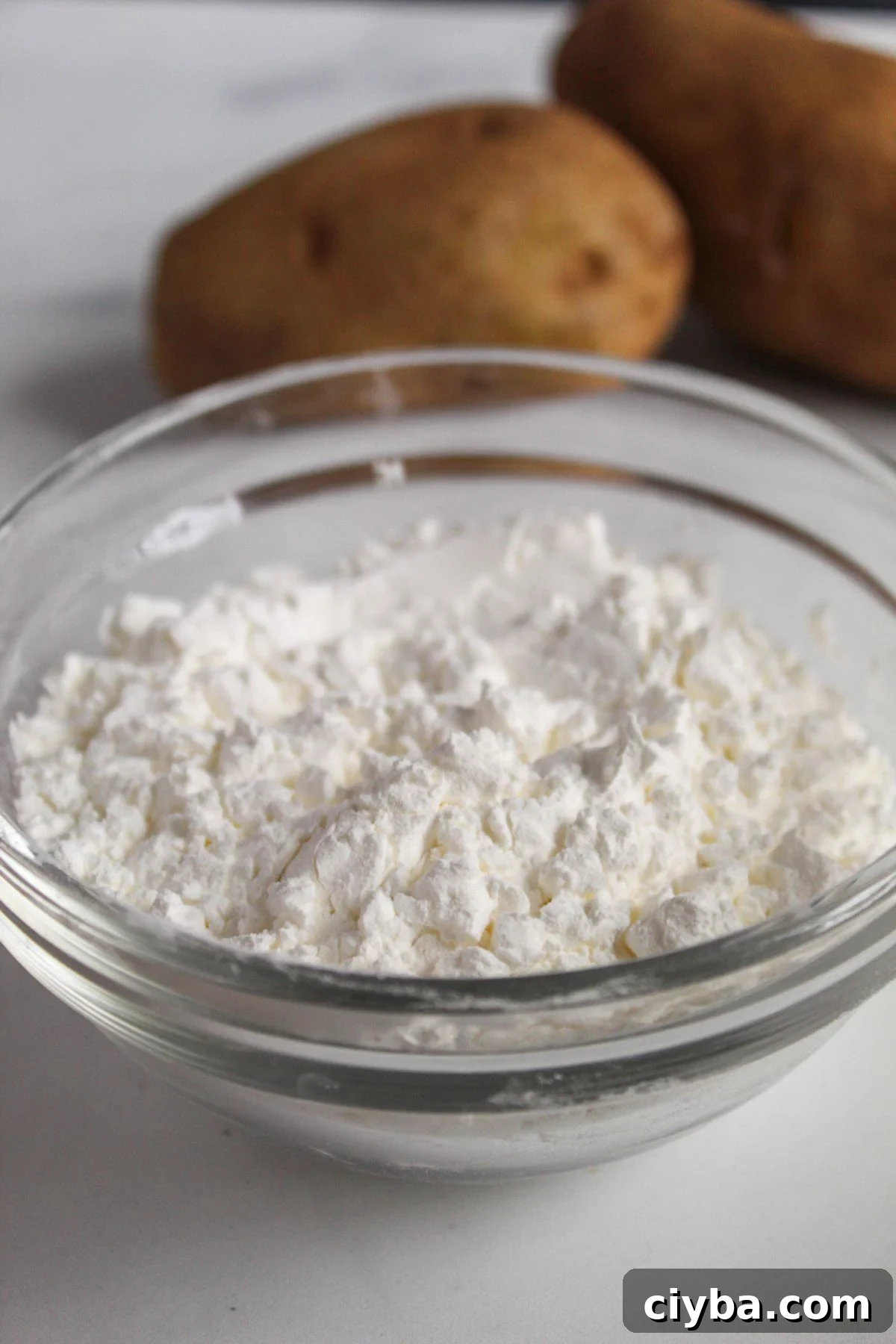
Potato starch and potato flour are not interchangeable in most cases. Starch is a neutral, quick-thickening powder that leaves a light, clean finish. Potato flour comes from whole potatoes and adds weight, moisture, and flavor—useful in savory or dense recipes but disruptive in delicate ones.
Key Differences
Potato starch gives a light, neutral finish. Potato flour contributes flavor, fiber, and density, and it absorbs more liquid—so swapping requires recipe adjustments.
When You Can Substitute One for the Other
Potato flour can replace starch only in dense, savory recipes where extra moisture and potato flavor won’t hurt the result. Expect to reduce liquids and accept a heavier texture.
When You Should NOT Substitute
Don’t swap potato flour for potato starch in recipes that require lightness and structure—especially gluten-free baking—because the extra weight and moisture can collapse the crumb or make items dense and heavy.
Best Potato Starch Alternative for Every Use
Focus on the outcome—clear sauce, elasticity in baked goods, or a crispy coating—and pick the substitute that delivers that result.
For Thickening Sauces
Cornstarch provides a durable, smooth thickness. Arrowroot delivers a lighter, clearer finish. Choose cornstarch for robustness and arrowroot for appearance.
For Baking
Tapioca starch adds elasticity and moisture; rice flour gives structure but can be denser. Pick based on whether you want softness or support.
For Frying & Crispiness
Cornstarch is the top choice for frying because it creates a dry surface that crisps quickly without soaking up excess oil.
For Gluten-Free Cooking
Tapioca and cassava are strong choices for gluten-free recipes: tapioca adds stretch and moisture, while cassava gives body and structure. Combine starches and gums when you need both binding and thickening.
Common Potato Starch Substitution Mistakes
Most problems come from how substitutes are used rather than from the substitute itself. Common mistakes include:
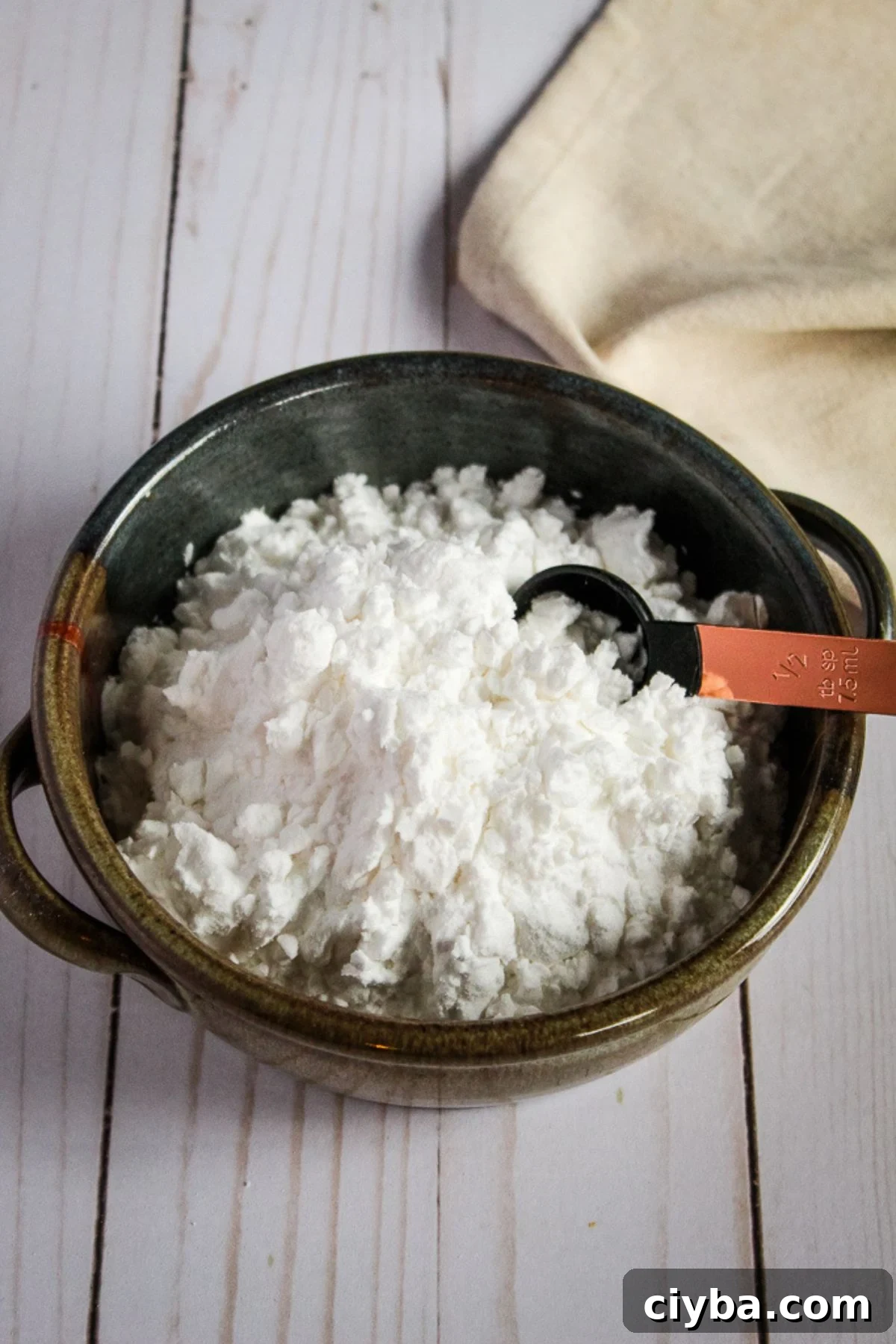
Using Flour Instead of Starch (Texture Failure)
Flour thickens slower and yields a heavier, dull texture instead of the clean, light finish starches give—resulting in dense sauces and less-crispy coatings.
Wrong Ratios (Over-Thickening)
Direct 1:1 swaps aren’t always exact. Too much substitute makes pasty sauces or overly firm textures instead of balanced results.
Cloudy vs Clear Sauces
Potato starch gives a clear sheen. Cornstarch or flour can cloud a sauce and change its appearance and mouthfeel.
Overheating Arrowroot
Arrowroot thickens at low temperatures but breaks down with prolonged high heat, which can make a sauce thin instead of stable.
Watch: How Potato Starch Substitutes Behave in Cooking
Seeing substitutes in action helps you judge thickness, clarity, and stability. Watch demonstrations to compare how each option performs in real recipes.
Notice how thickness, clarity, and stability change with different starches—these differences affect the final dish.
When You Should NOT Replace Potato Starch
Some recipes rely on the exact behavior of potato starch. Swapping it can lead to failure in three common situations:
Gluten-Free Baking Structure
In gluten-free baking, potato starch provides lightness and moisture. Substituting it often results in dense, dry, or crumbly outcomes because few alternatives match its binding and feel.
Crispy Coatings in Frying
Potato starch yields a light, crisp crust. Flour or rice flour tends to make coatings heavier or softer, reducing crunch.
Recipes Needing Specific Gel Consistency
Some dishes depend on the exact gel and set that potato starch provides. Alternatives may thicken too much, too little, or degrade under heat, producing unstable results.
Pro Tips for Using Potato Starch Alternatives
Success with substitutes often comes down to technique. These adjustments will help you avoid texture problems and get consistent results.
Mix with Cold Water First
Dissolve the substitute in cold water before heating to prevent clumps and ensure even distribution.
Add Gradually
Add the slurry slowly while stirring so you can control thickness and avoid over-thickening.
Adjust Heat Levels
Different substitutes react to heat in different ways. Control the temperature to prevent breakdown or overcooking.
Test Small Batches
Try a small portion when experimenting with a new substitute so you can tweak ratios before making the full recipe.
Potato Starch Nutritional Benefits
Beyond kitchen performance, potato starch can offer nutritional value, especially when it contains resistant starch.
Supports Gut Health
Resistant starch resists digestion and reaches the colon, where it feeds beneficial bacteria. That can support digestion and gut health as part of a balanced diet.
May Support Healthy Blood Sugar Levels
Because resistant starch slows digestion, it may help moderate post-meal blood sugar rises and support insulin response when included in a balanced diet.
Who Is This For?
People who may benefit include:
- Those on gluten-free diets who need structure in recipes.
- Anyone focused on gut health and microbiome support.
- People managing blood sugar or seeking steadier insulin response.
- Home cooks who want functional performance plus potential health benefits.
How to Choose the Best Potato Starch Substitute
Match the substitute to what you need: clear shine, elasticity, crispness, or stable thickening. Pay attention to texture, moisture, and heat behavior—small ratio or technique tweaks often make a big difference.
Frequently Asked Questions
If you have more questions about specific swaps or methods, leave a comment below and share your experience so others can learn from what worked for you.
Can I Use Potato Starch Alternatives in Cold Recipes Like Smoothies or Dressings?
Most starches need heat to thicken. For cold recipes, choose gums like xanthan or guar gum, which thicken without heat.
Which Potato Starch Alternative Works Best for Freezing and Reheating?
Tapioca starch tends to hold up better to freezing and reheating than cornstarch or arrowroot, which can break down or separate after thawing.
Does the Brand of Potato Starch Substitute Affect Results?
Yes—grind, processing, and purity vary by brand and can change how quickly a product thickens and the final texture, especially in delicate recipes.
Can I Combine Two Substitutes Instead of Using One?
Combining a starch for thickening with a gum for structure often produces better balance in gluten-free baking and other applications.
Why Does My Sauce Separate After Using A Substitute?
Separation usually stems from overheating, wrong ratios, or choosing a substitute that isn’t stable at the cooking temperature. Match the thickener to the method to avoid separation.
Is There A Low-Carb Potato Starch Alternative?
Most starches are high in carbs. For low-carb cooking, xanthan or guar gum are better choices because tiny amounts provide thickening.
Can I Use Potato Starch Substitutes In Air Frying?
Yes—cornstarch works well for air frying because it creates a dry, quick-crisp surface. Heavier flours may not crisp the same way.
Gluten-Free Flour and Starch Substitution Guides
If you’re swapping potato starch, you may also need to adjust other gluten-free flours and starches. Guides that explain how alternatives affect texture, moisture, and structure can be very helpful when adapting recipes.
- Best Sorghum Flour Substitutes for Gluten-Free Baking
- Substitute for Corn Flour: Complete Guide
- Rice Flour vs Sweet Rice Flour
- The 8 Best Sweet Rice Flour Substitutes
- Top 5 Brown Rice Flour Substitutes and How To Use Them
With a few reliable references and a bit of testing, swapping starches and flours becomes much easier and more predictable.
More Gluten-Free Baking Tips and Ingredient Guides
Gluten-free baking often needs more than a 1:1 swap. Guides that cover binding, structure, and hidden gluten can help you get reliable results the first time.
What Worked in Your Recipe?
Every recipe responds differently. Leave a comment to share which potato starch alternative you used, what worked, and what you’d change next time.