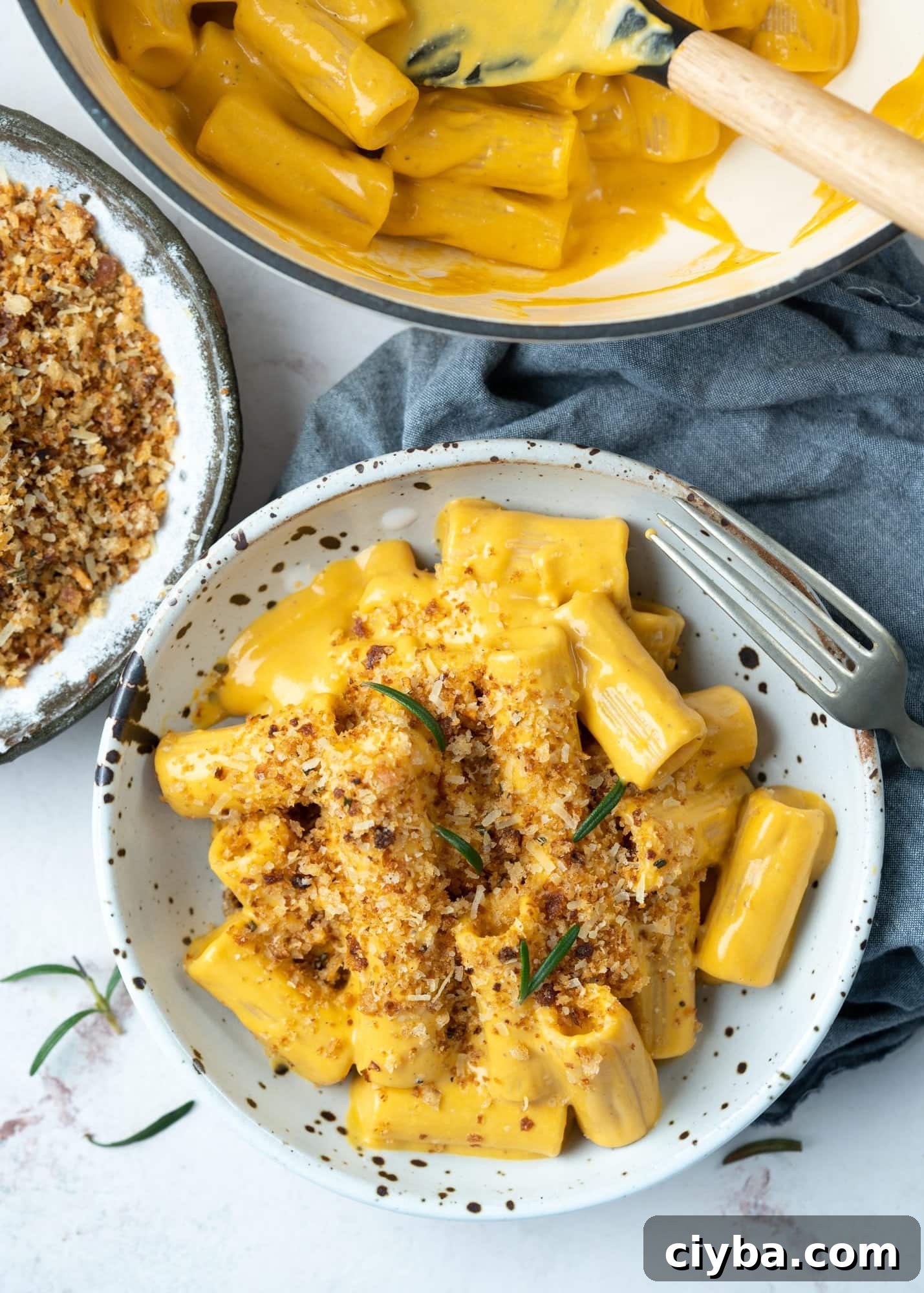
This roasted butternut squash pasta, finished with crunchy garlicky Parmesan breadcrumbs, is warm, comforting, and full of autumn flavors. Roast butternut squash with onion, garlic, and herbs, then blend into an unbelievably creamy sauce that clings to pasta.
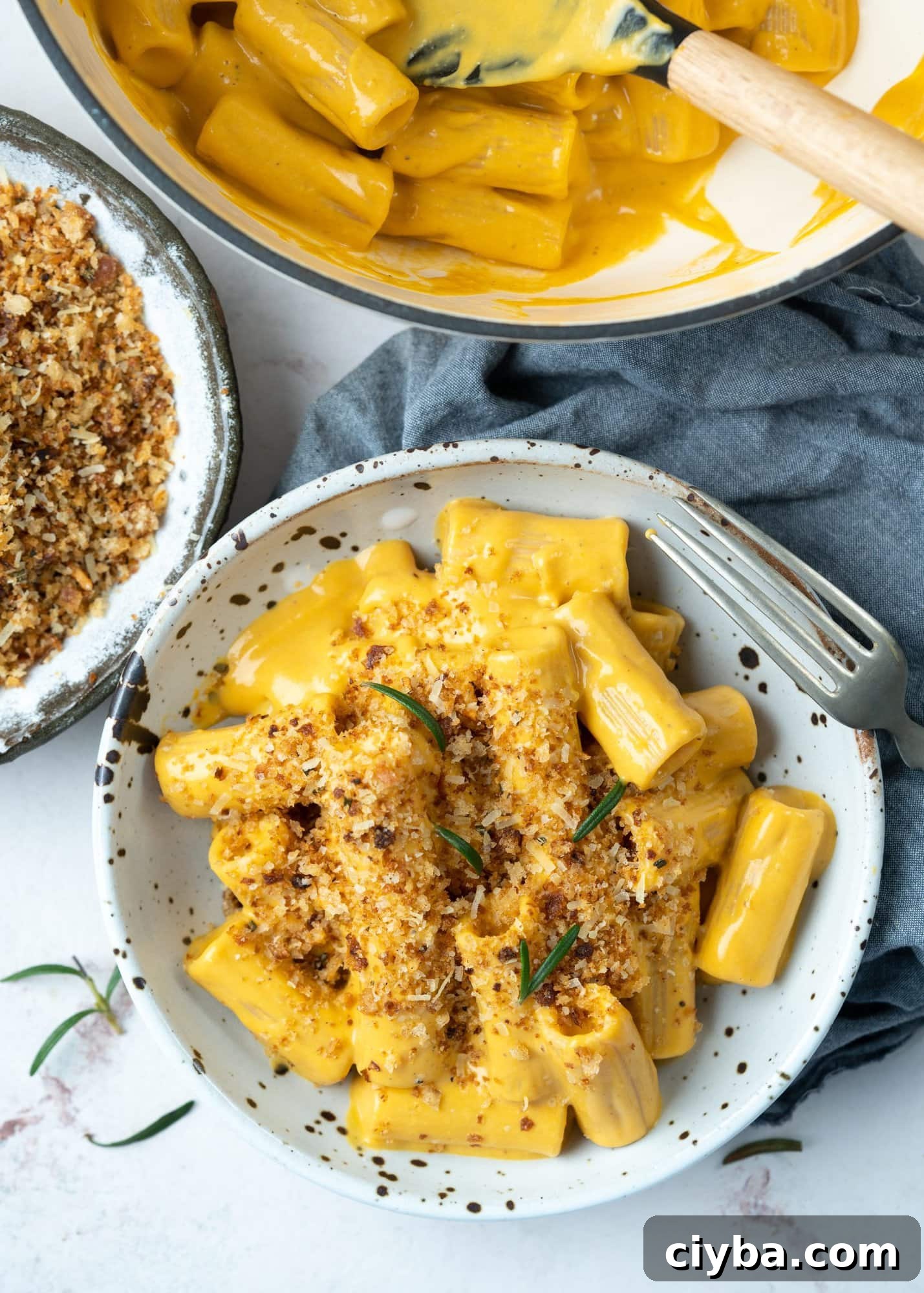
This roasted butternut squash pasta sauce is an ideal way to use the season’s bountiful squash. Cubes of butternut squash roast alongside onion, garlic, and herbs until they develop caramelized edges and deep flavor. Roasting concentrates the squash’s natural sweetness and builds richness.
After roasting, the vegetables are blended with heavy cream and chicken stock into a lusciously smooth, velvety sauce that clings to every bite of pasta. To cut through the sweetness and add texture, a crunchy garlicky Parmesan breadcrumb topping is sprinkled over the finished dish. The result is a cozy, fall-appropriate riff on mac and cheese—comforting, rich, and slightly savory.
More Winter Squash Recipes
Winter squashes are sturdy, versatile, and available in many varieties, from mild and sweet to more savory. They lend themselves to soups, purees, risottos, and curries, and they pair well with warming spices and herbs.
You can use roasted squash in soups, combine it with sweet potatoes, or adapt it to different cuisines—risotto with butternut squash is classic Italian comfort, while squash chunks can be added to Thai-style curries for a sweet-savory contrast.
Cutting Butternut Squash
Butternut squash has a firm skin, so peeling and cutting take a little effort. A sharp knife, a sturdy cutting board, and a good vegetable peeler make the job straightforward.
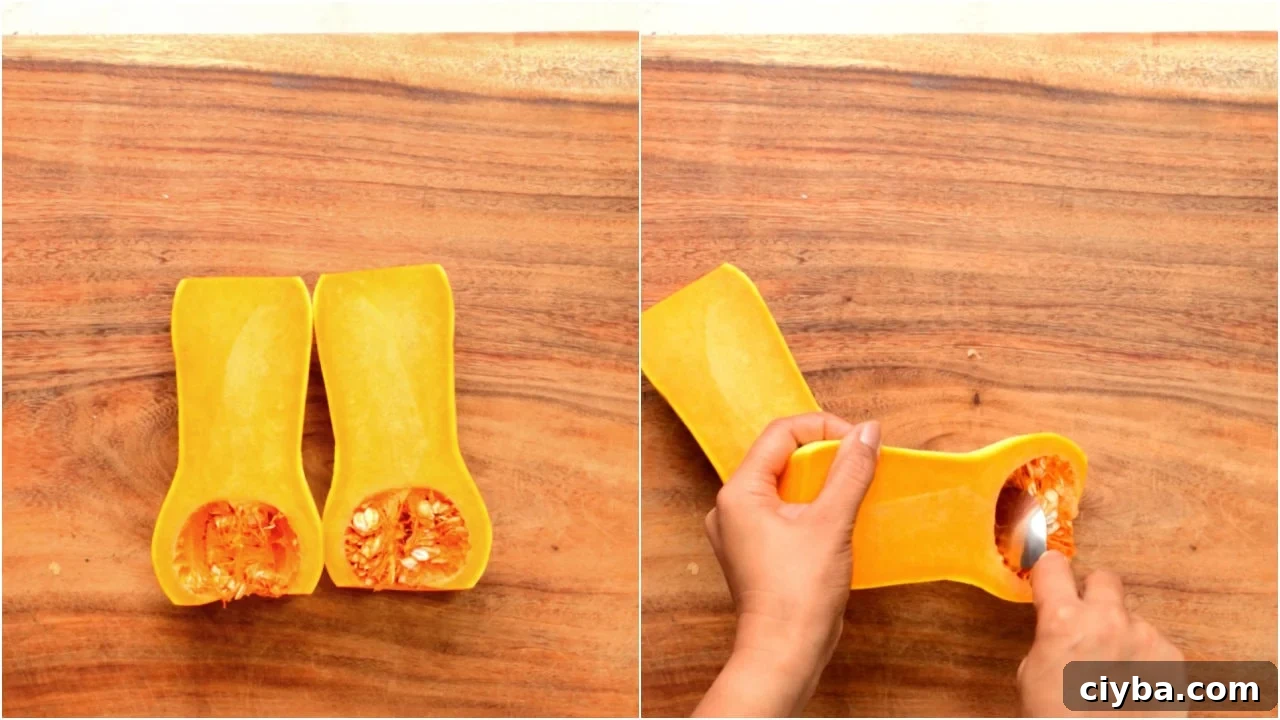
Trim off both ends, then peel the squash while it is whole. Slice it lengthwise and scoop out the seeds with a spoon. Cut the flesh into roughly 1–1.5 inch cubes; smaller pieces will roast faster and caramelize more evenly.
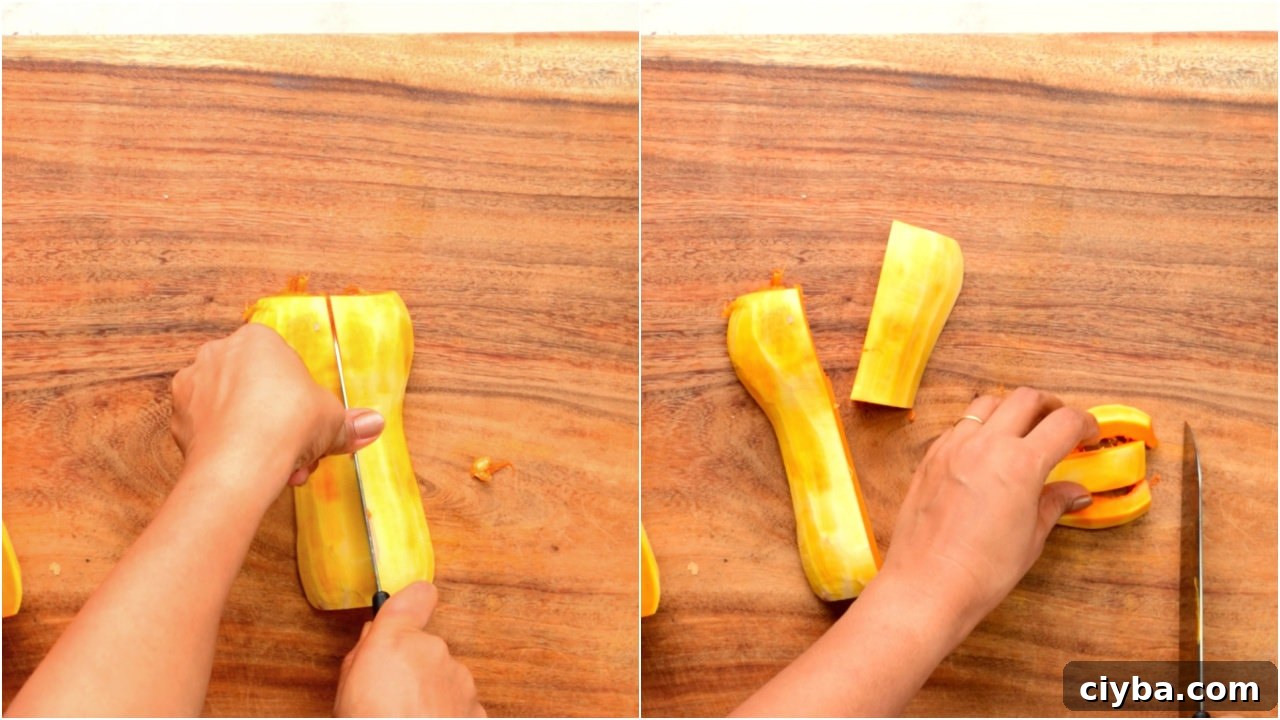
This pasta is a great way to hide vegetables in plain sight—kids and picky eaters often love it because of the creamy sauce and breadcrumb crunch.
If you’re short on time, many steps are make-ahead: roast the squash a day or two in advance and refrigerate. On the day you serve, cook the pasta, blend the sauce, and prepare the breadcrumb topping for a quick finish.
Line the baking tray with parchment paper for easy cleanup and more even roasting.
Steps to Make Butternut Squash Pasta
Cut the veggies: Cut butternut squash into 1–1.5 inch cubes. Roughly chop the onion and peel the garlic.
Roast: Toss squash, onion, garlic, rosemary sprigs, salt, pepper, and olive oil on a baking sheet. Roast until the squash is fork-tender and caramelized around the edges.
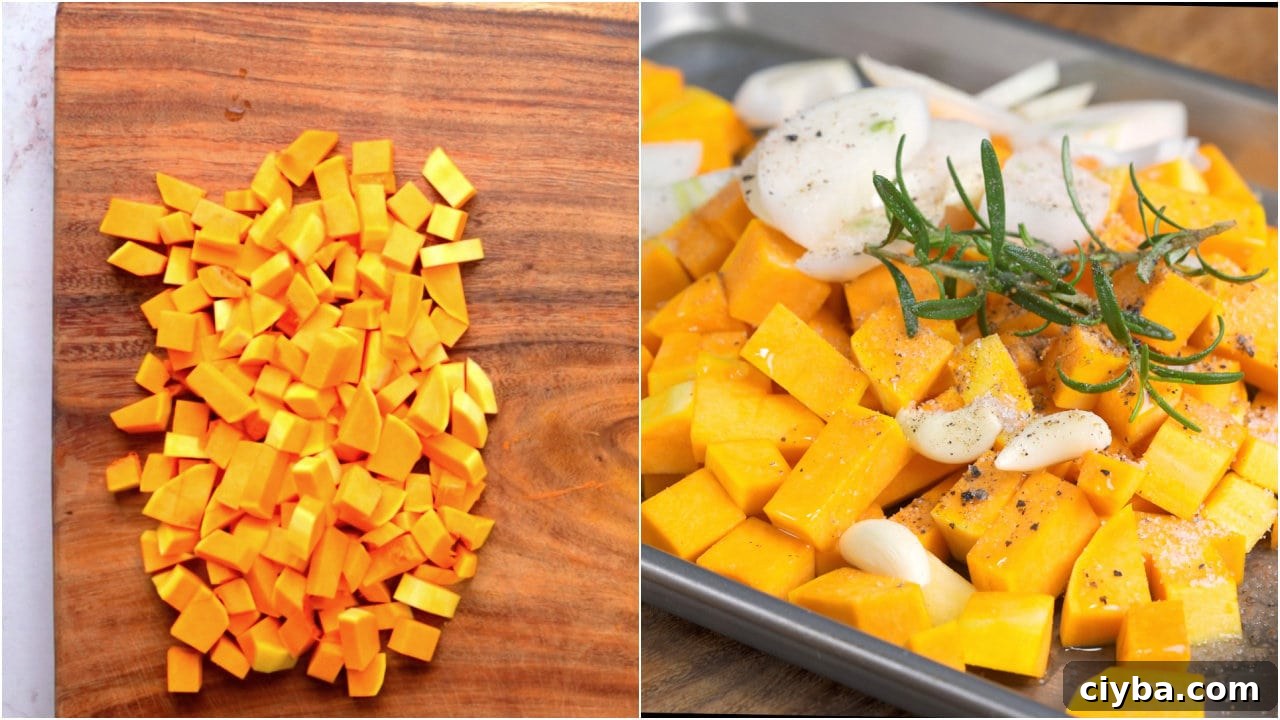
Parmesan Breadcrumb Topping:
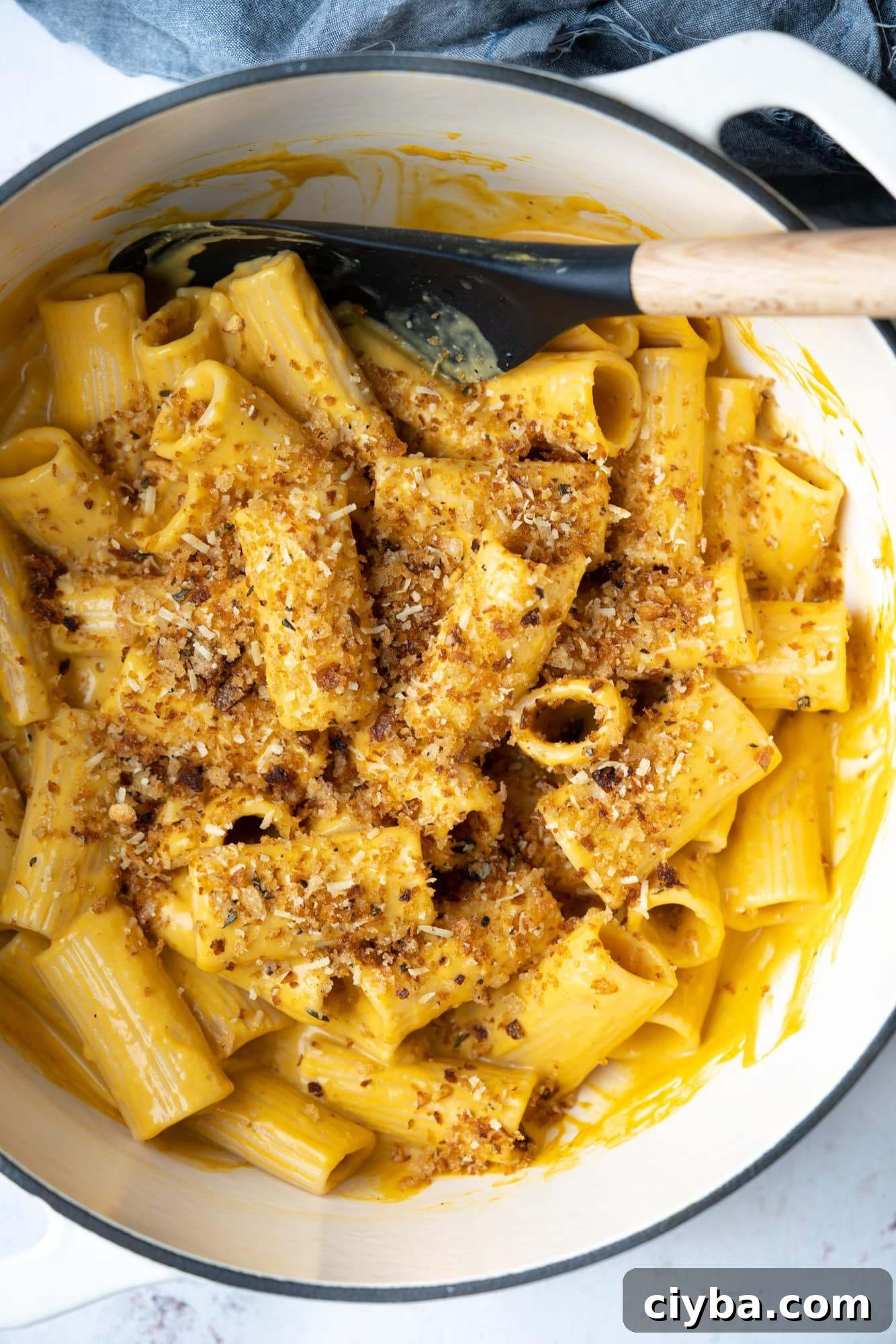
Melt butter in a skillet, sauté minced garlic until fragrant, then add panko breadcrumbs and chopped rosemary. Toast until golden and crisp. Cool slightly, then stir in grated Parmesan to create a savory, crunchy topping.
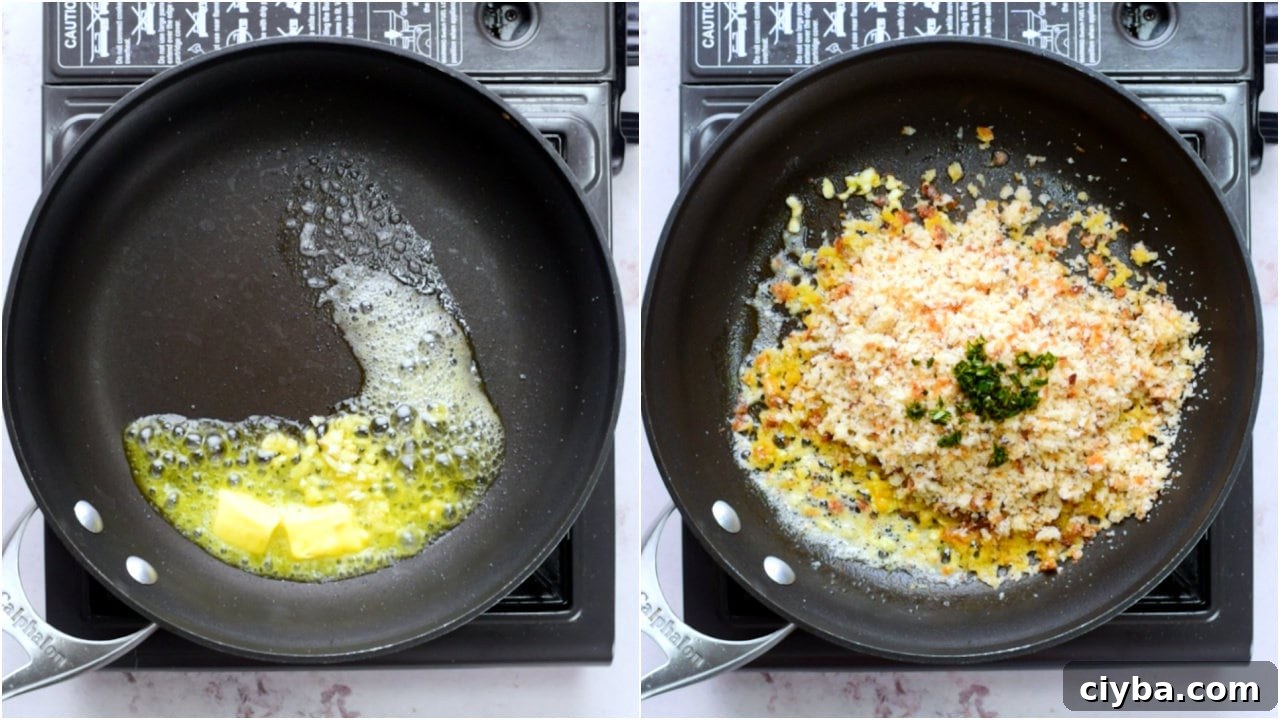
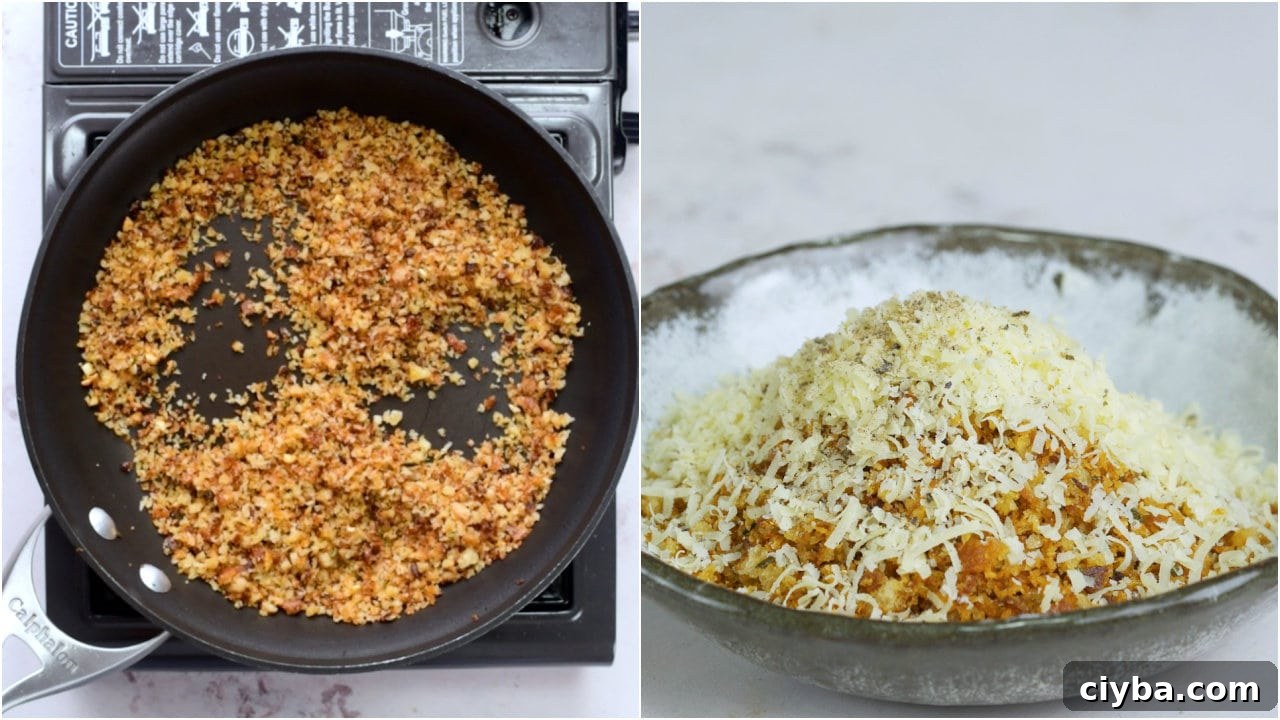
Cook pasta: While the vegetables roast, bring a large pot of salted water to a boil and cook the pasta until al dente. Reserve about 1 cup of the starchy pasta water.
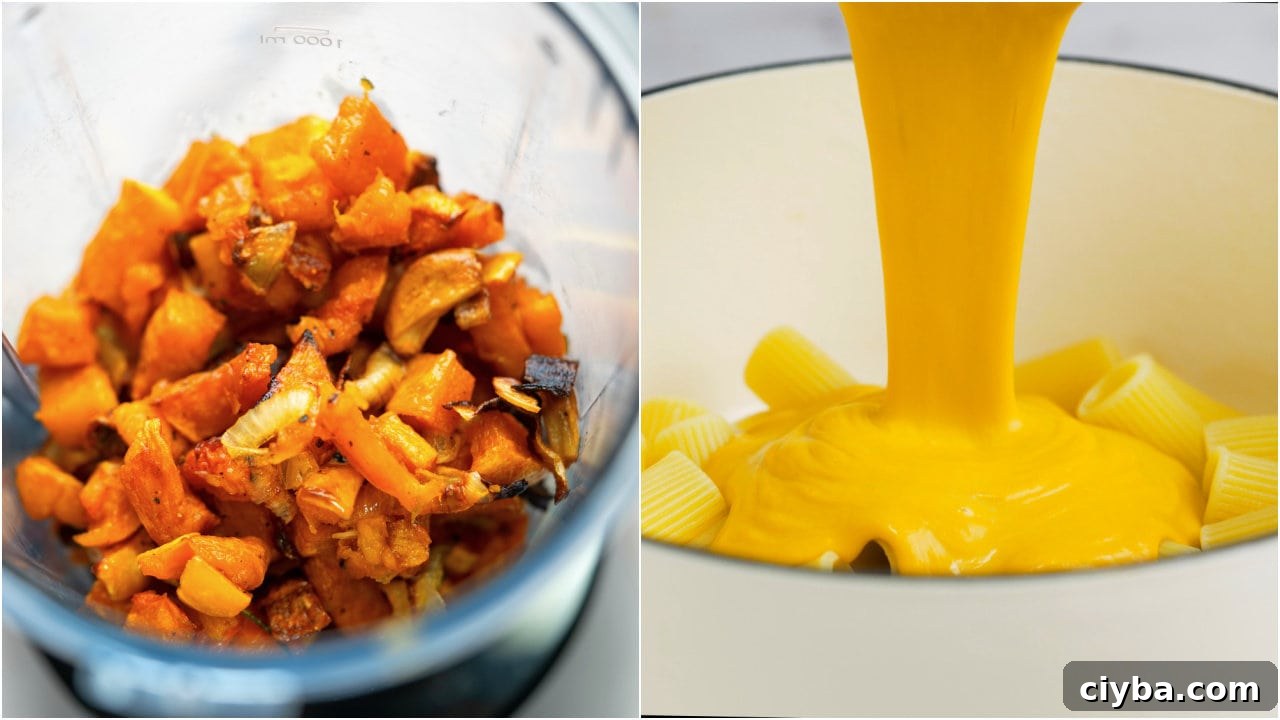
Blend: Transfer the roasted vegetables to a blender, keeping one small rosemary sprig for flavor and discarding the rest. Add chicken stock and heavy cream and blend until very smooth.
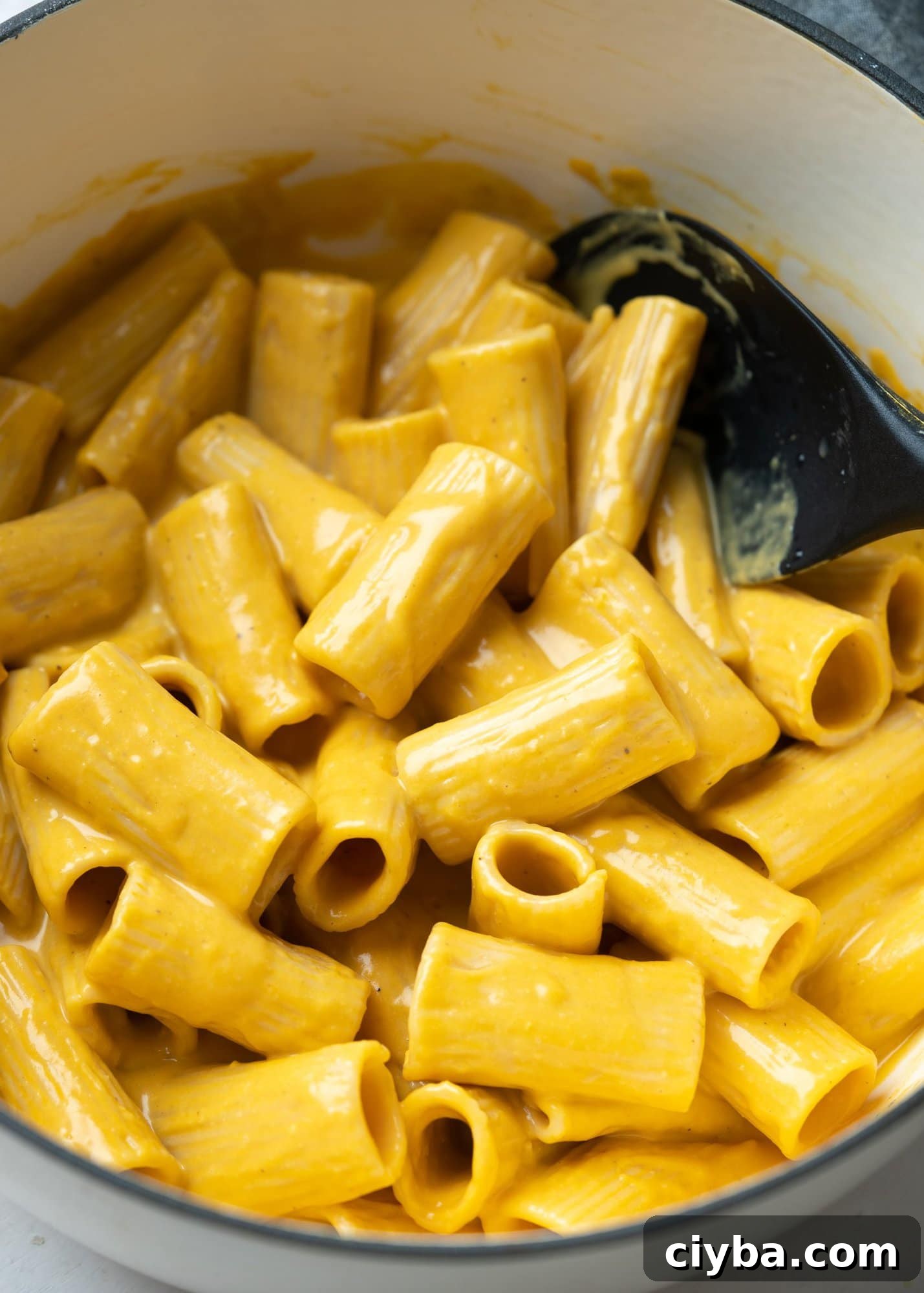
Toss the squash purée with the cooked pasta, add a pinch of nutmeg, and mix gently. If the sauce is too thick, add reserved pasta water a little at a time until you reach the desired consistency.
Substitutes
Tubular pastas like rigatoni or penne work especially well because they catch the sauce; fusilli is also a good choice. Use whichever pasta you prefer.
Herbs such as rosemary, thyme, or sage all pair nicely and add autumnal depth.
What can I use instead of butternut squash?
Any ripe, sweet winter squash will substitute nicely—acorn squash or pumpkin work well. Make sure the squash is flavorful and tender when roasted.
Make Ahead and Storing Leftovers
You can roast the squash and vegetables up to 48 hours ahead and refrigerate them. On the day you serve, blend them while the pasta cooks for a fast finish.
The finished sauce can also be prepared up to two days in advance and stored in the refrigerator.
Leftovers keep for about two days in the fridge. Pasta tends to absorb sauce over time—reheat gently and loosen with warm chicken stock or a splash of water to restore creaminess.
Serving Suggestion
Besides the Parmesan breadcrumb topping, crispy bacon bits make a flavorful addition. Some excellent sides include:
- Garlic Bread – Warm, cheesy, or simply garlicky bread complements the creamy pasta.
- Roasted or grilled chicken – A lightly seasoned breast or cutlet pairs well for a heartier meal.
- Roasted vegetables – Oven-roasted broccoli, zucchini, or carrots provide balance and texture.
Other pasta recipes
Try other seasonal or comforting recipes that use similar ingredients or techniques—baked oatmeal with pumpkin for breakfast, roasted Brussels sprouts as a side, or a fall roasted sweet potato salad are all good companions to this pasta.
Roasted butternut squash pasta
Ingredients
- 250 grams Dry Pasta
- 1 medium Butternut Squash
- 1 medium Onion
- 5-6 cloves Garlic
- 2 tablespoons Olive oil
- 2-3 sprigs Fresh Rosemary
- 1 cup heavy cream
- 1 cup Chicken stock
- Salt and pepper to taste
- pinch of nutmeg
For Crunchy Breadcrumb topping
- ½ cup Panko Breadcrumbs
- ⅓ cup Grated Parmesan Cheese
- 1 teaspoon Garlic
- 1 tablespoon Salted Butter
- 1 teaspoon chopped rosemary
Instructions
Roasted Butternut Squash Sauce
-
Peel and chop the butternut squash into 1-inch cubes.
-
On a large baking tray, combine squash cubes, roughly chopped onion, rosemary sprigs, and whole garlic cloves. Season with salt and black pepper and drizzle with olive oil. Toss to coat.
-
Bake in a preheated oven at 400 °F (200 °C) for 30–35 minutes until the squash is tender and caramelized.
-
Transfer the roasted vegetables to a blender, keeping one small rosemary sprig for flavor and discarding the rest.
-
Add chicken stock and heavy cream, then blend until completely smooth.
-
While the squash roasts, boil a large pot of salted water and cook the pasta according to package directions.
Parmesan Breadcrumb Topping
-
In a skillet, melt the butter and sauté minced garlic for about 30 seconds until fragrant.
-
Add the panko breadcrumbs and chopped rosemary. Fry, stirring, until the crumbs are light golden and crisp.
-
Let the crumbs cool, then mix in the grated Parmesan.
Assemble and Serve
-
Toss the blended squash sauce with the drained pasta, add a pinch of nutmeg, and stir gently. Add reserved pasta water as needed to loosen the sauce.
-
Serve immediately, generously sprinkled with the crunchy Parmesan breadcrumb topping.
Notes
- Line the baking tray with parchment or foil before roasting for easier cleanup and more even browning.