
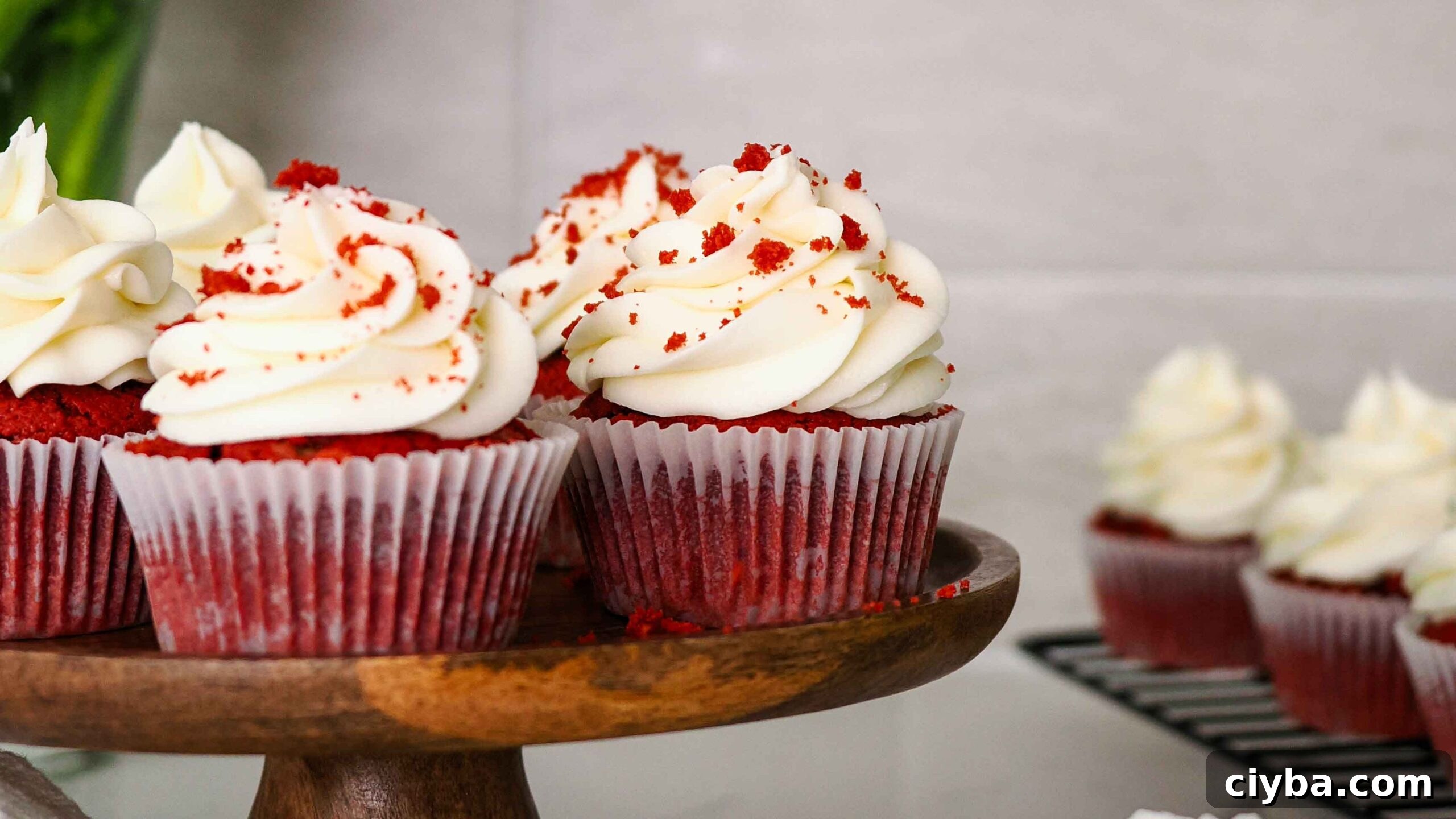
Traditional red velvet cupcakes made with buttermilk are simple to prepare and deliver the classic balance of mild chocolate and tangy buttermilk. These cupcakes use all-purpose flour for a slightly denser, sturdy crumb that pairs beautifully with a thick swirl of cream cheese frosting. You’ll still get the familiar red velvet flavor and texture without cake flour. The cream cheese frosting has just enough sweetness to complement the tangy cheese and pipes nicely for attractive presentation.
With the right finishing touches—sprinkles, crumbs, or simple decorations—these moist red velvet cupcakes work for everything from a late-night treat to weddings and Valentine’s Day. I developed this recipe for a friend’s wedding and it was a hit: romantic, lightly chocolaty, and universally loved.
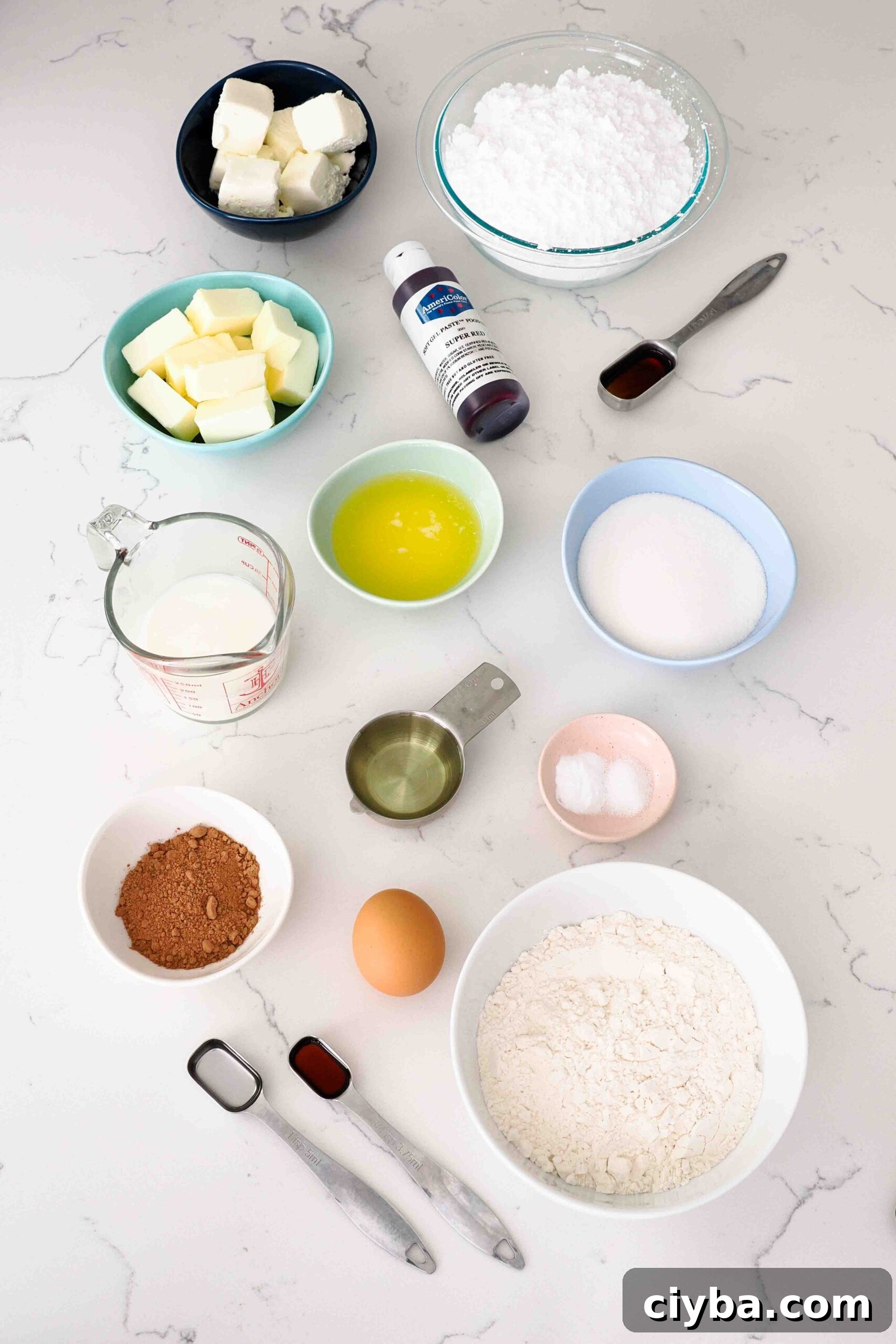
Ingredients for Red Velvet Cupcakes with Buttermilk
This recipe uses common pantry ingredients: all-purpose flour, cocoa powder, buttermilk (or a quick substitute), and a touch of vinegar to react with baking soda. Below are the ingredients and suggested substitutions so you can adapt based on what you have.
Ingredients and Common Substitutions for Red Velvet Cake
- All-purpose flour. I prefer all-purpose flour for its slightly denser crumb, which holds up well under a generous frosting swirl. A 1:1 gluten-free flour should work if needed.
- Cocoa powder. Regular unsweetened cocoa is used here; Dutch-processed will give a deeper chocolate note.
- Granulated sugar. Contributes sweetness and moisture to the crumb.
- Salt. Enhances and balances the flavors.
- Baking soda. Works with the acidic buttermilk and vinegar to leaven the cupcakes.
- Neutral oil. Vegetable, canola, sunflower, or grapeseed oil keeps the cupcakes moist.
- Egg. Provides structure and stability once baked.
- Buttermilk. Adds the subtle tang and reacts with baking soda for lift. If you don’t have it, a quick substitute is offered in the notes.
- Distilled white vinegar. Reacts with the buttermilk and baking soda to help create a tender crumb.
- Red food coloring. Adds the signature red hue without affecting flavor. Gel or liquid will work—adjust amount for desired color intensity.
Ingredients and Common Substitutions for Cream Cheese Frosting
- Butter. Unsalted butter for the frosting gives better control of salt; salted butter can be used for the cake if you prefer.
- Powdered sugar. Sweetens and thickens the frosting.
- Vanilla extract. Use vanilla extract or vanilla bean paste for extra depth.
- Full-fat cream cheese. Block-style full-fat cream cheese yields the best texture; low-fat versions can make the frosting looser.
How to Make Red Velvet Cupcakes
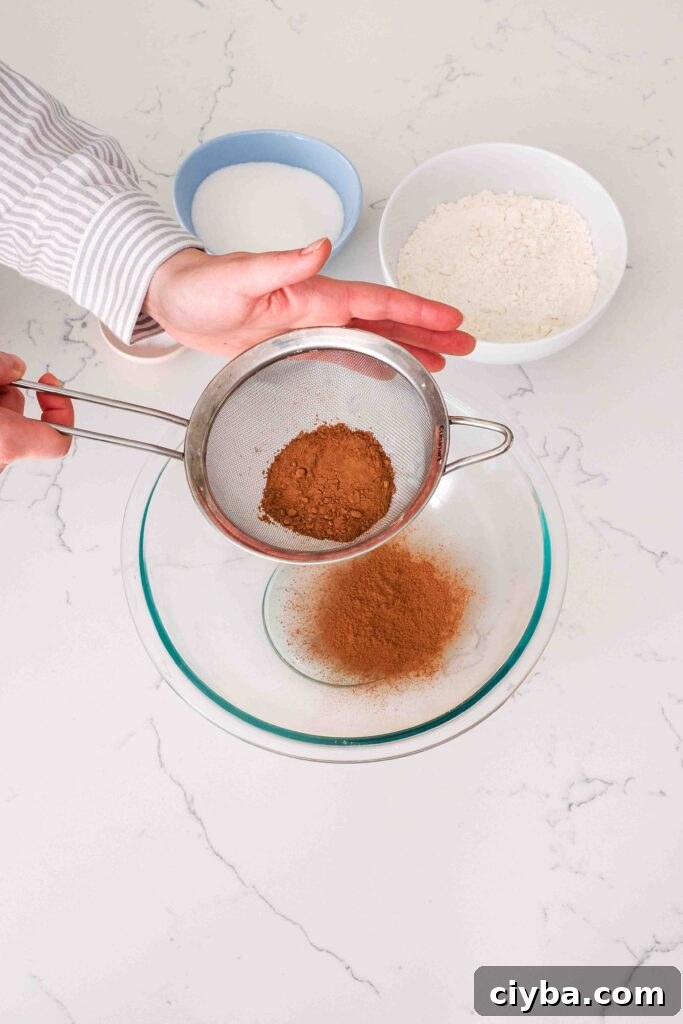
These cupcakes come together quickly in one bowl for the dry ingredients and a separate vessel for the wet ingredients—no stand mixer required for the cake batter. Start by sifting or whisking the cocoa powder and flour to remove lumps, then combine with sugar, baking soda, and salt.
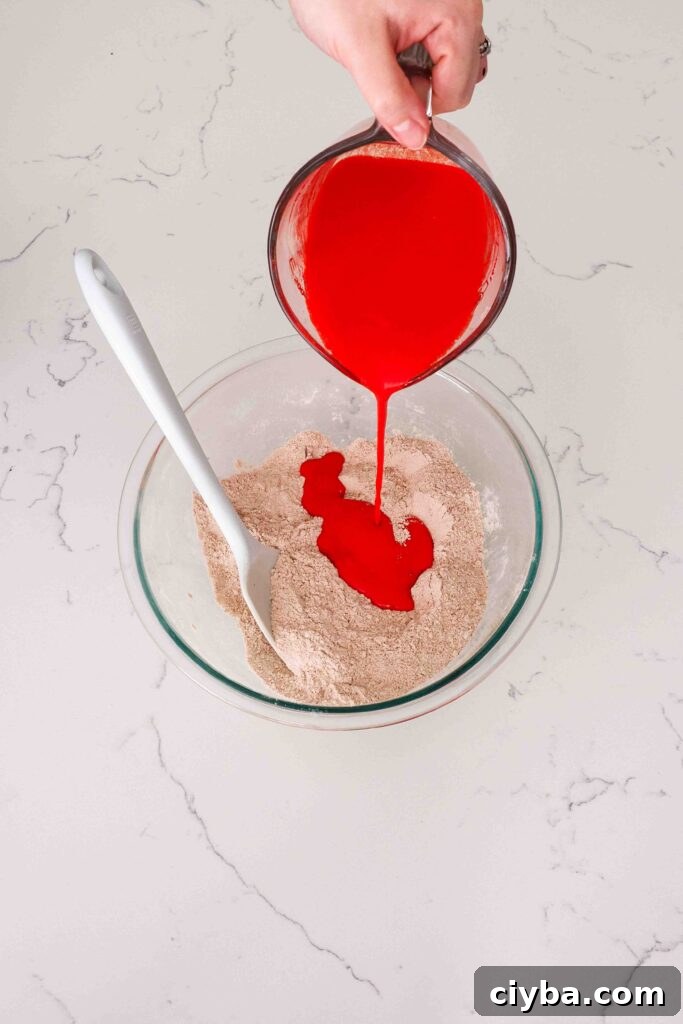
In a measuring cup or medium bowl, whisk the egg, then add melted butter and oil. Whisk until combined, then add room-temperature buttermilk, vinegar, vanilla, and red food coloring. Stir until the wet mixture is evenly combined and bright red.
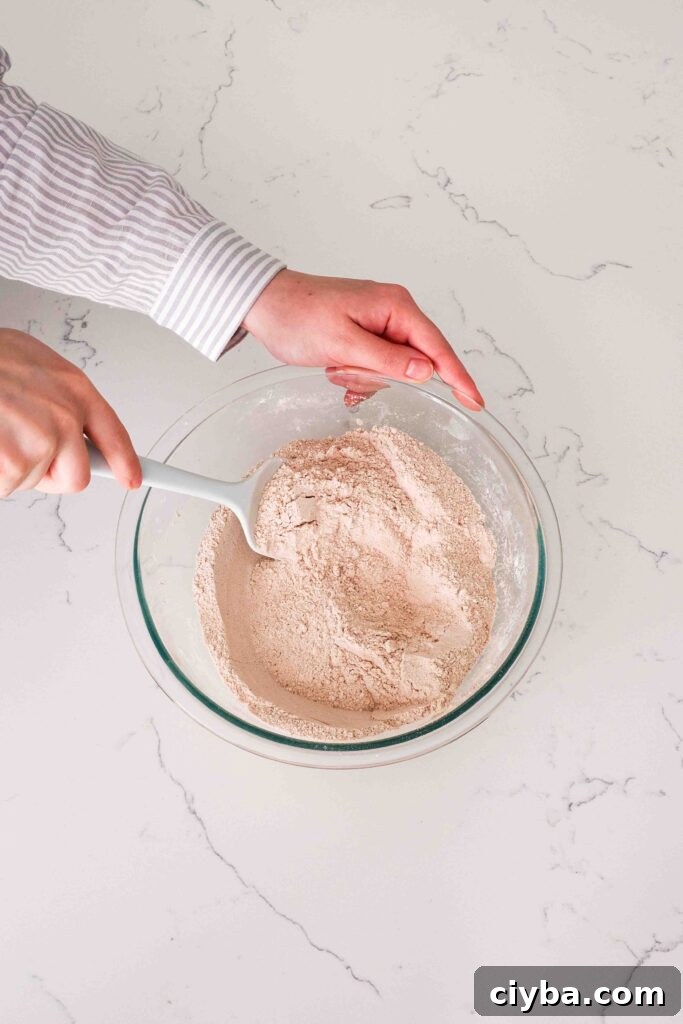
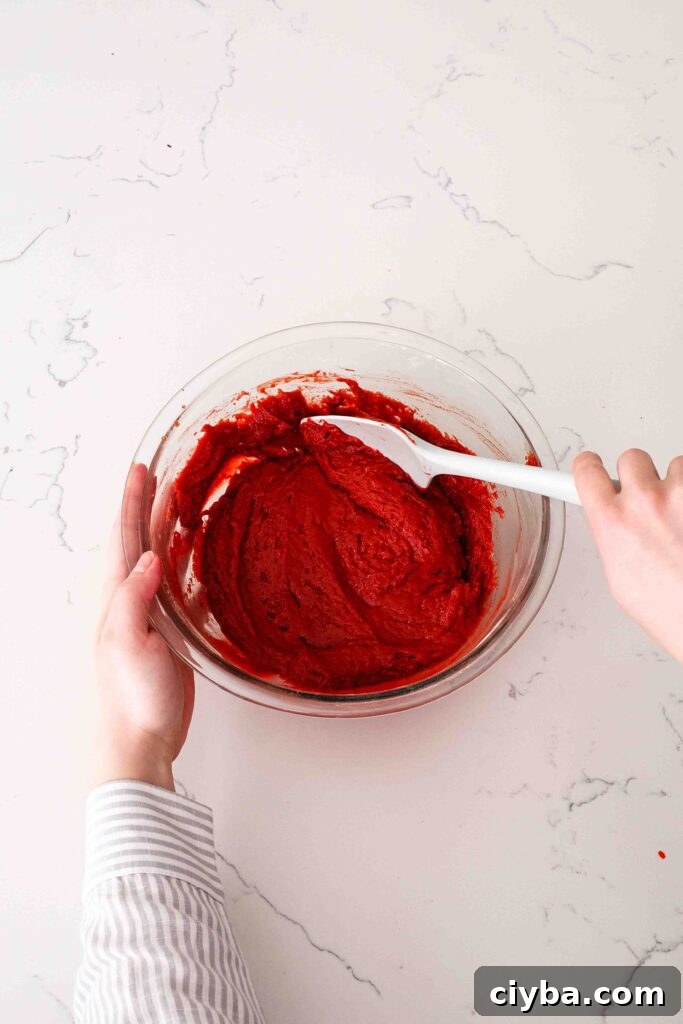
Fold the wet ingredients into the dry ingredients with a spatula, mixing until there are no streaks of flour or cocoa. The batter should be glossy and a deep red. If the buttermilk or egg were cold, you might see a grainy texture—this will disappear during baking and won’t affect the result.
How to Bake Red Velvet Cupcakes
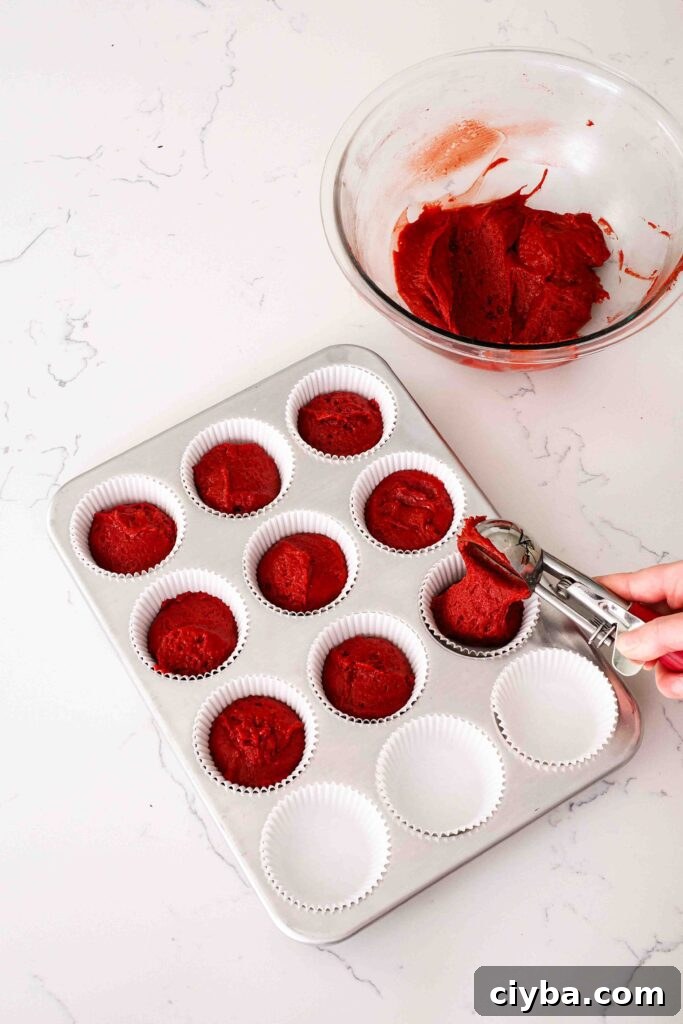
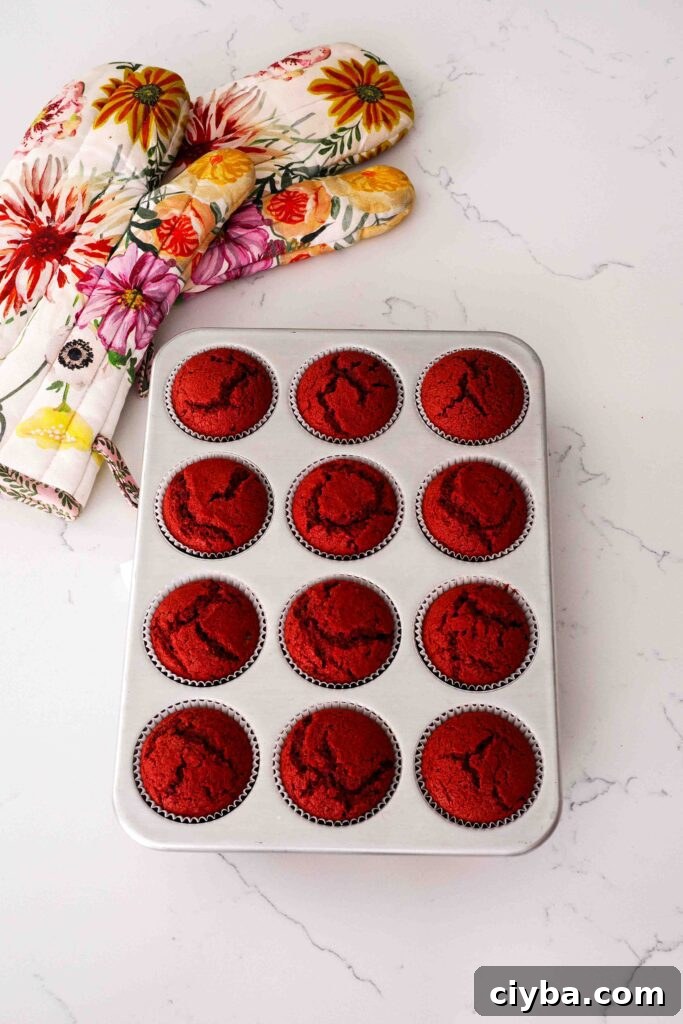
Portion the batter into 12 paper-lined muffin cups, filling each about halfway to two-thirds full for a nicely domed top. Bake at 350°F (175°C) for 18–22 minutes, or until the tops spring back when lightly pressed. Dark pans may shorten baking time by a minute or two. Allow cupcakes to cool in the pan for 5–10 minutes, then transfer to a rack to cool completely before frosting.
How to Make Cream Cheese Frosting
To achieve a thick, pipeable cream cheese frosting, build the frosting in stages. Beat the softened butter until fluffy, then add powdered sugar gradually and mix until incorporated. Finally, add softened cream cheese and vanilla and beat on medium-low until combined, then increase speed and whip for 3–5 minutes until light and fluffy. Be careful not to overbeat; too-long mixing can loosen the frosting.
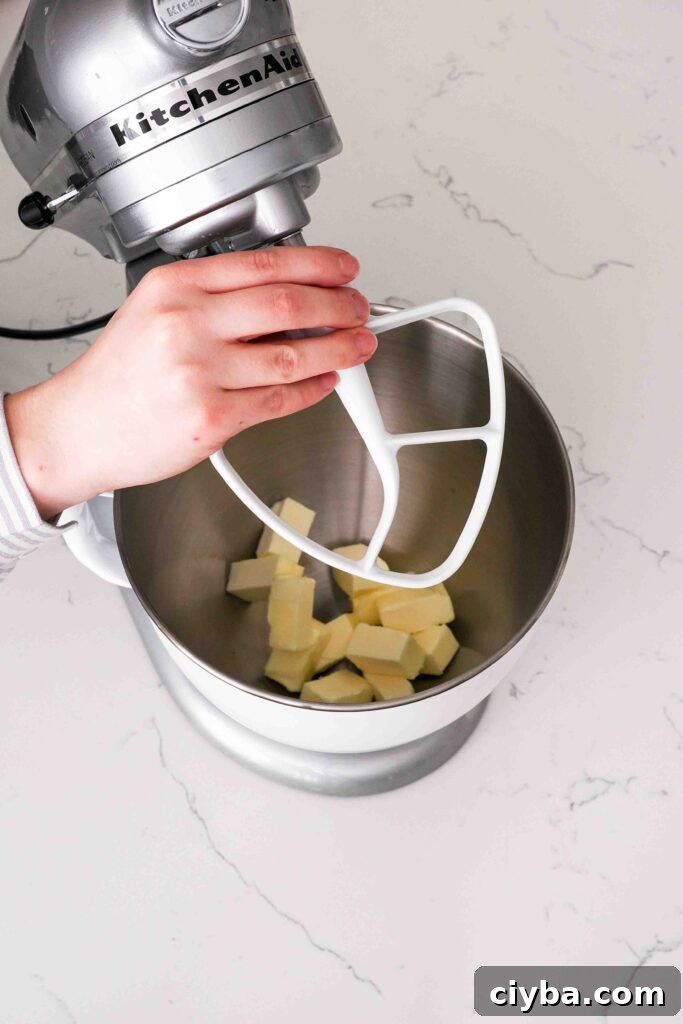
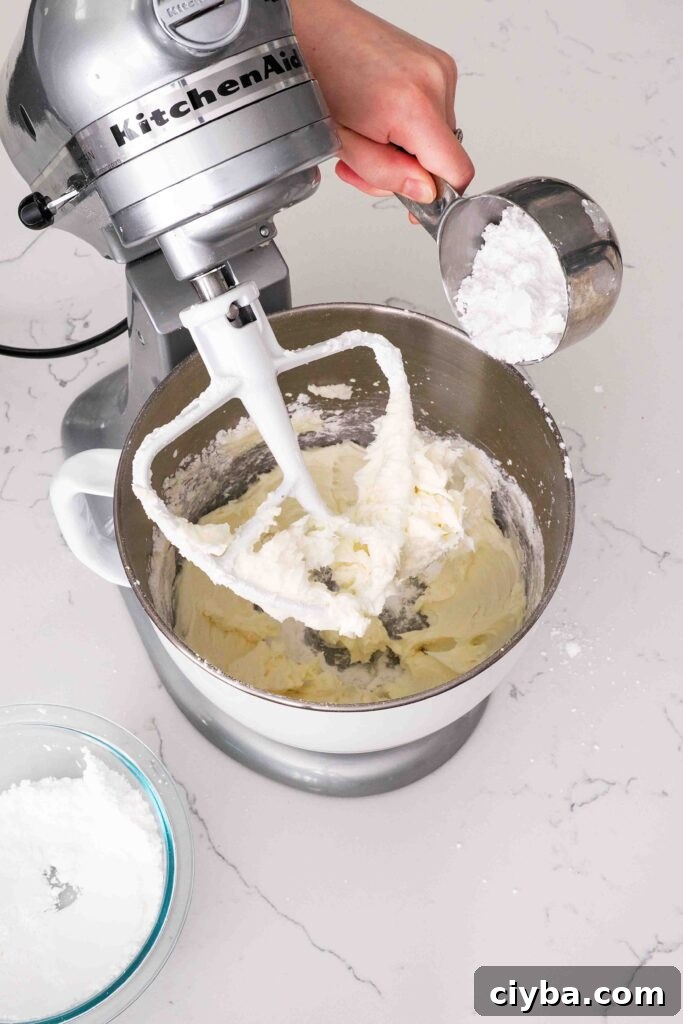
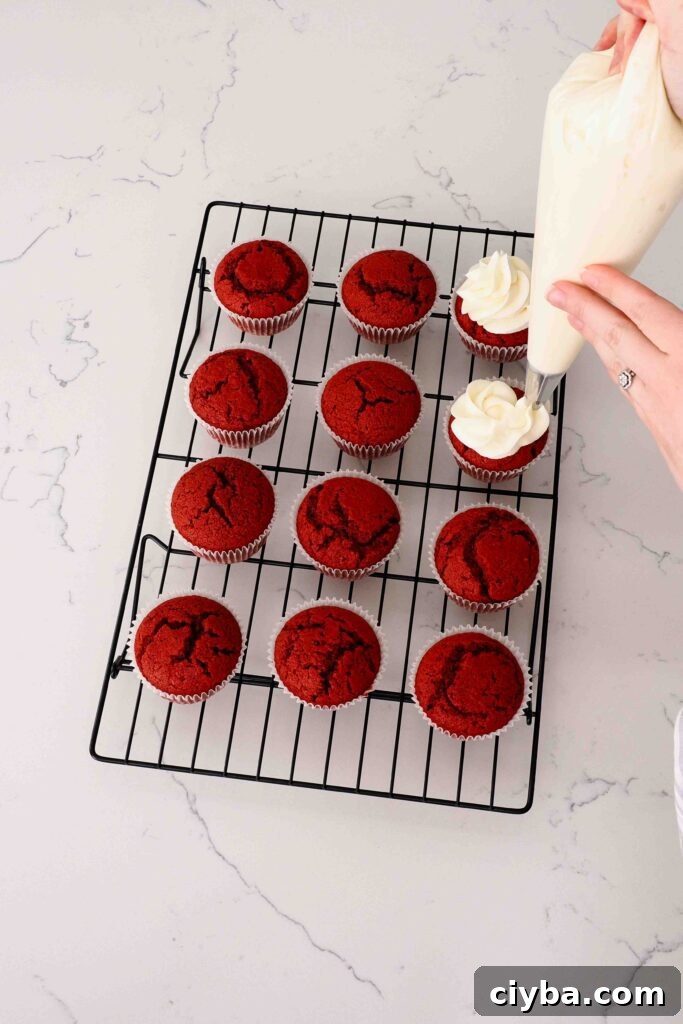
Transfer the finished frosting to a piping bag and pipe onto cooled cupcakes. This method yields a frosting that resembles American buttercream in its ability to hold shape while retaining the flavor of cream cheese.
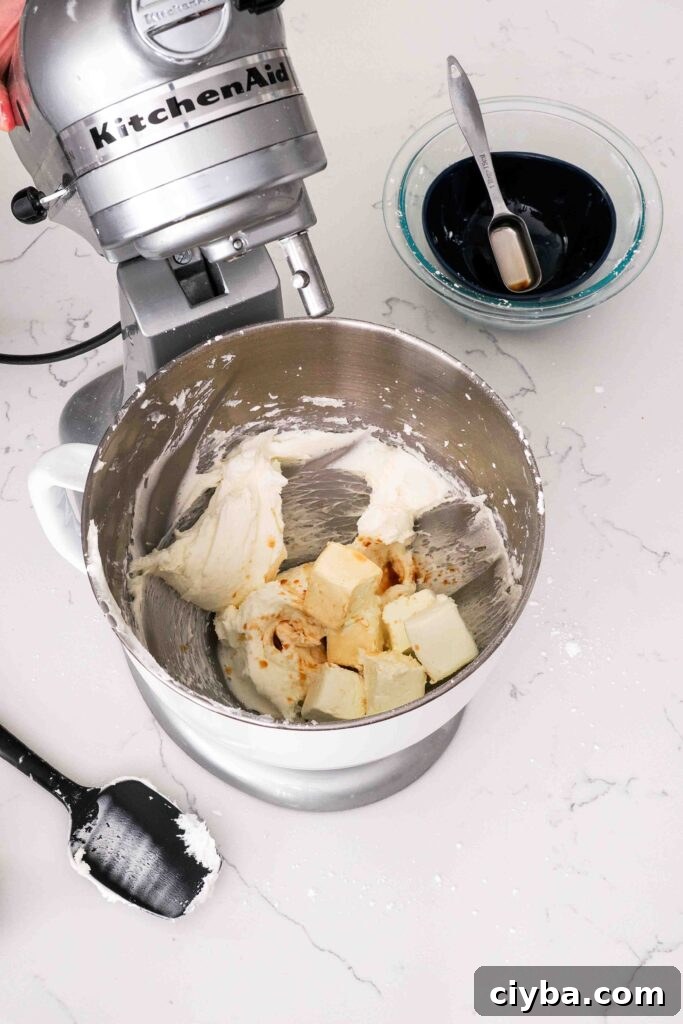
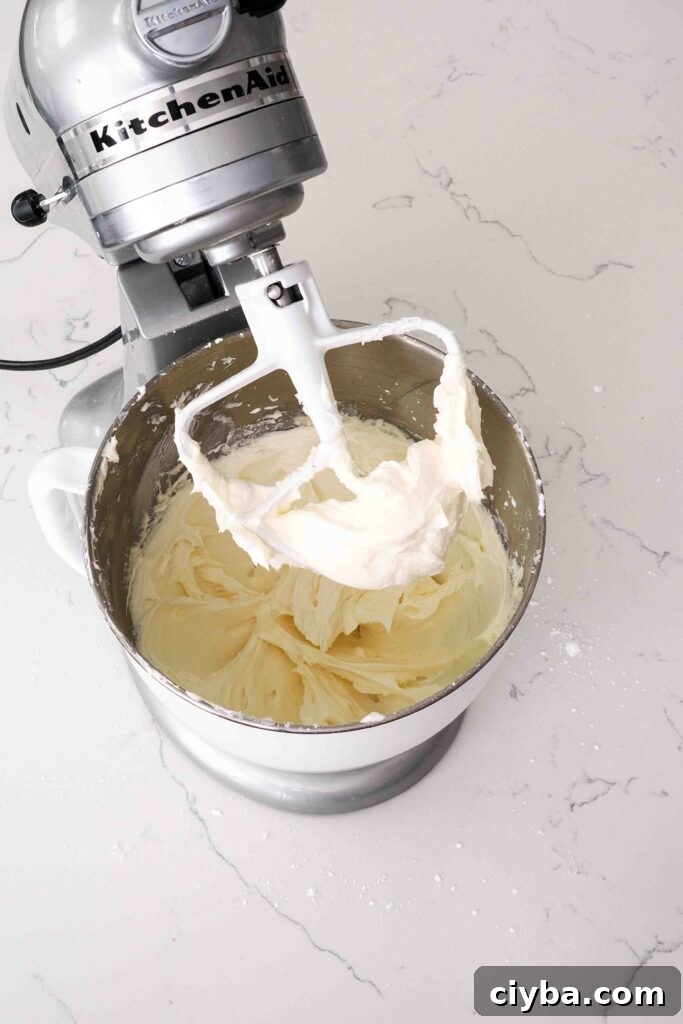
Why Cream Cheese Frosting Can Be Looser than Buttercream
Cream cheese contains significantly more water than butter. When mixed with powdered sugar, that extra moisture can make frosting looser. By first incorporating the sugar into butter, the sugar’s hygroscopic properties are partially satisfied before adding the higher-moisture cream cheese, which helps keep the final frosting thicker without adding excessive sugar.
How to Make Cream Cheese Frosting Thicker
The simplest approach is to beat butter and powdered sugar together until fluffy, then add the softened cream cheese and beat only until just combined. This method reduces the chance of the frosting becoming too loose while keeping the flavor balanced.
How to Decorate Red Velvet Cupcakes
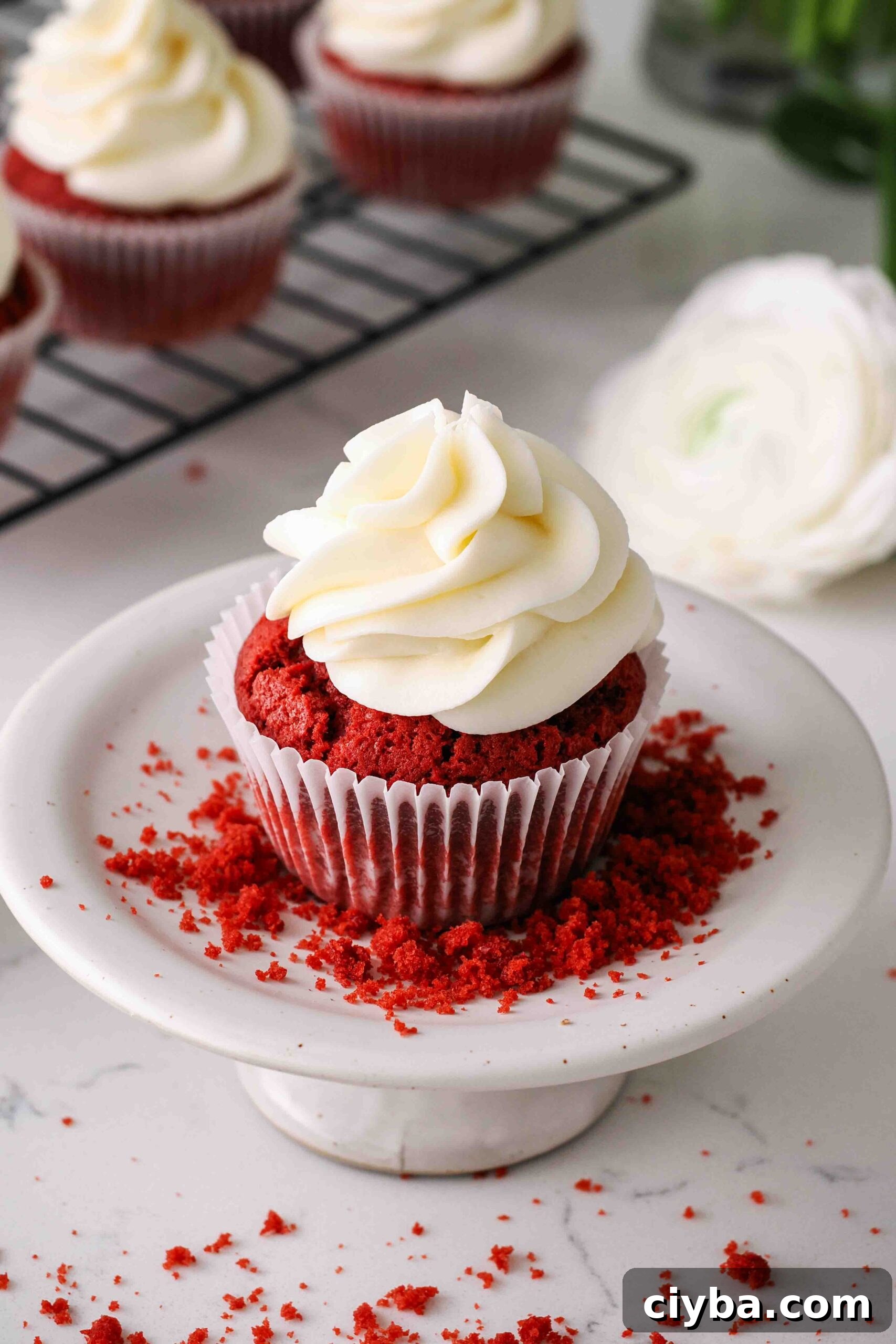
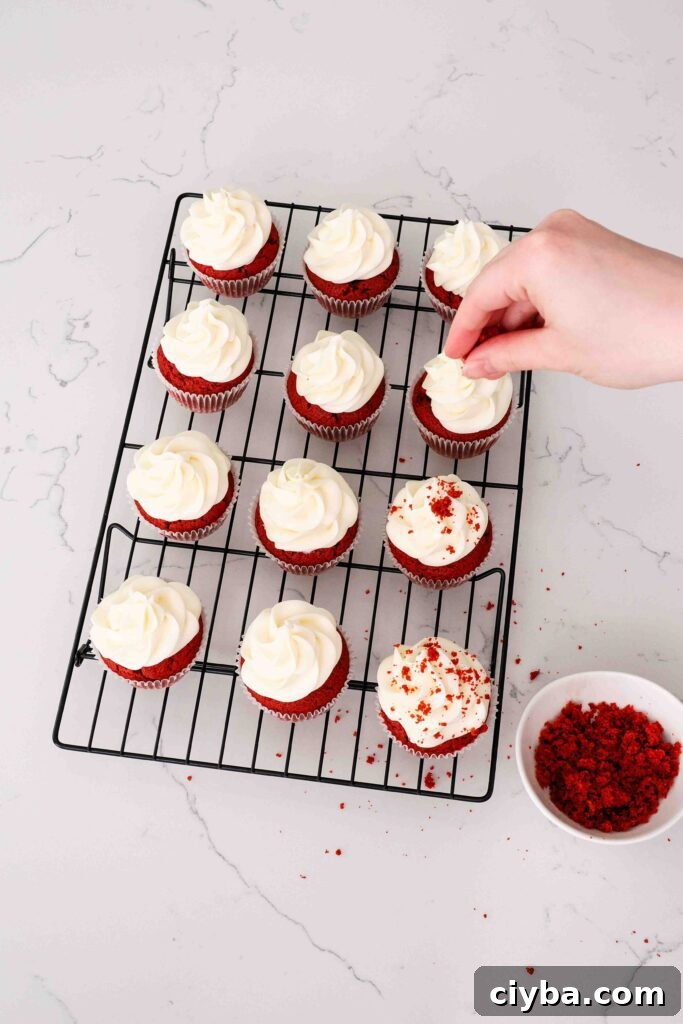
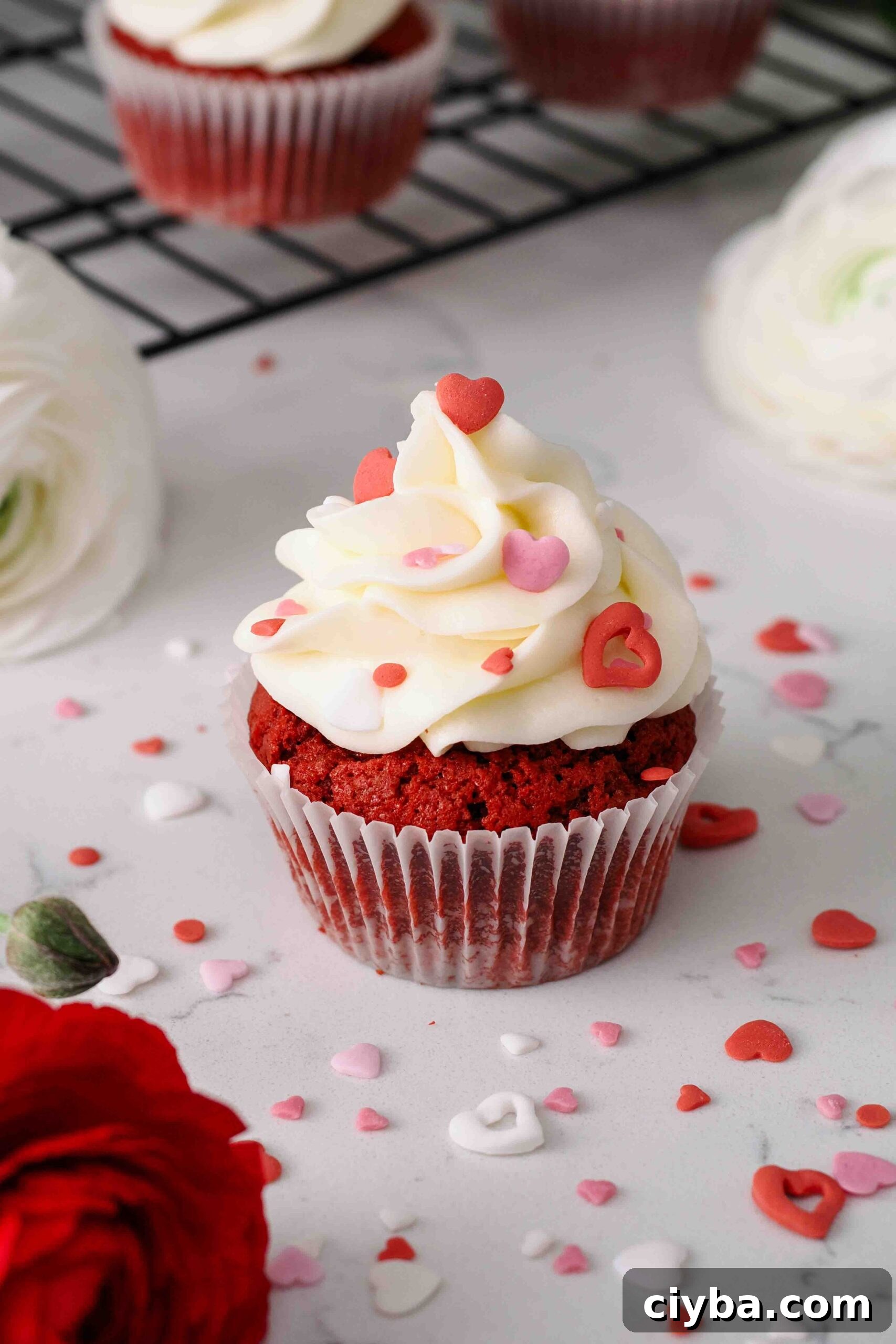
For a traditional look, use a large closed star piping tip and pipe from the center outward, finishing with a small pull-up at the center to create a perfect swirl. If you’d like red velvet crumbs on top, bake any leftover batter in a liner and crumble it once cooled. Seasonal sprinkles also make a lovely finishing touch.
FAQs about Red Velvet Cupcakes and Cream Cheese Frosting
Red velvet is defined by a buttermilk cake with a hint of cocoa, uplifted by a reaction between vinegar and baking soda. That combination creates the distinct, delicate flavor profile—different from simply coloring a chocolate cake.
Because of the cream cheese frosting, store the cupcakes in an airtight container in the refrigerator. They keep well for up to four days.
Making the frosting in stages—first beating butter and sugar, then adding cream cheese—helps keep the frosting thicker so it holds shape when piped. This technique limits how much moisture the sugar draws out of the cream cheese.
No—food coloring only affects the appearance. If you prefer to skip artificial colors, the cupcakes will still have the classic red velvet flavor, though they won’t have the bright red hue.
Other Recipes You May Enjoy
If you enjoyed these cupcakes, try other celebration-worthy recipes like fruit- or chocolate-based cupcakes and small cheesecakes. These types of desserts also make excellent additions to weddings, anniversaries, and Valentine’s Day menus.
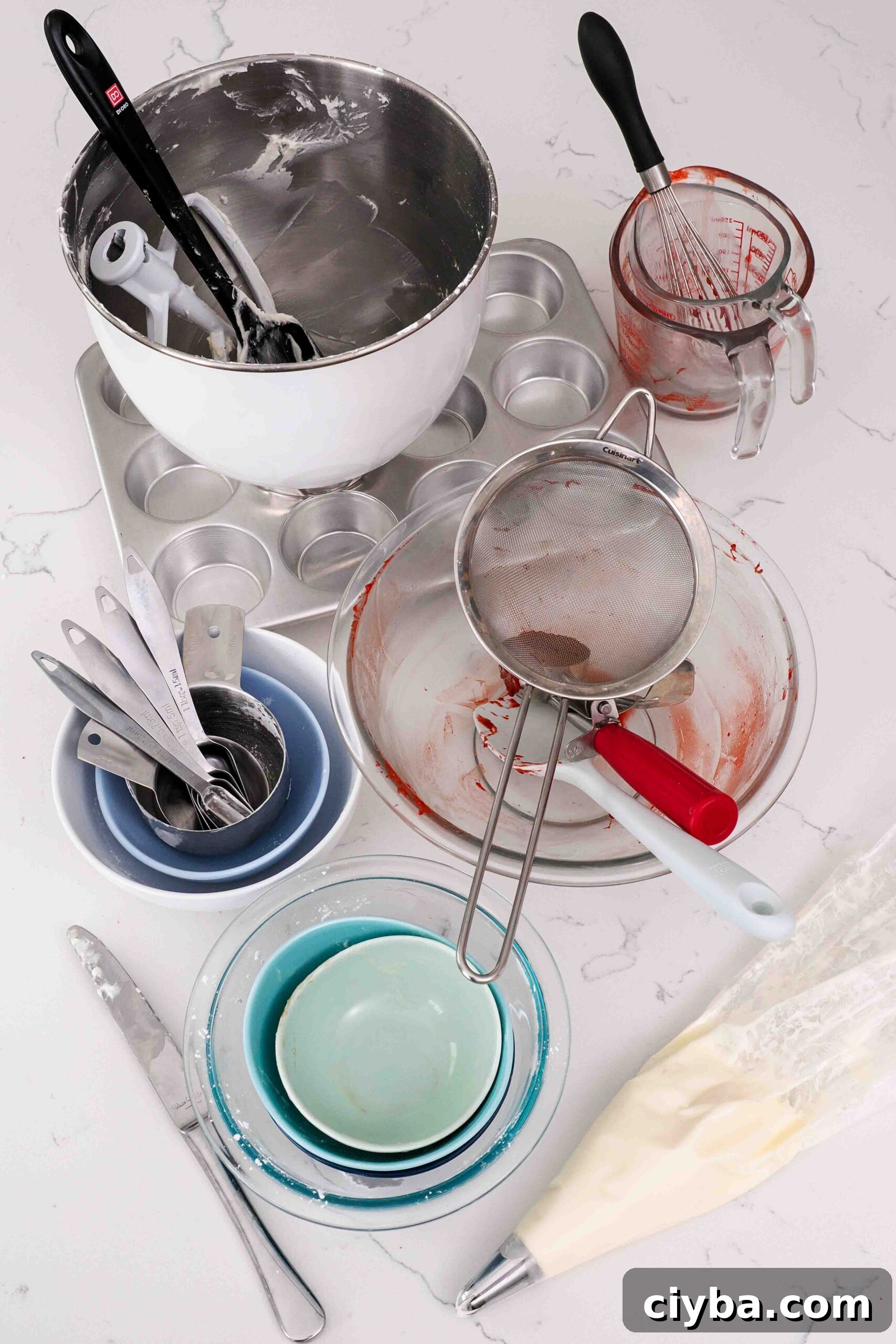
Dish Cleanup: Gonna Take a While
I rate cleanup effort on a 1–5 scale, and this recipe is about a 4. The cake and frosting each use one main bowl, but photo prep can add extra dishes. To minimize cleanup, sift cocoa directly into your mixing bowl and weigh dry ingredients into it—this reduces the number of bowls significantly.
Red Velvet Cupcakes with Buttermilk Recipe
Thank you for trying this red velvet cupcakes with buttermilk recipe. If you make it, consider leaving a review to share how it turned out.
Red Velvet Cupcakes with Cream Cheese Frosting
Ingredients
For the Red Velvet Cupcakes
- 1 ⅓ cups (200 g) all-purpose flour
- 2 Tablespoons (12 g) cocoa powder
- ¾ cup (150 g) granulated sugar
- ½ teaspoon salt
- ½ teaspoon baking soda
- 4 Tablespoons (56 g) butter, melted
- ¼ cup (60 ml) neutral oil
- 1 large egg, at room temperature
- ½ cup (120 ml) buttermilk, at room temperature
- 1 teaspoon distilled white vinegar
- 1 teaspoon vanilla extract
- 10–12 drops red gel food coloring
For the Cream Cheese Frosting
- 12 Tablespoons (170 g) unsalted butter, softened
- About 3 cups (350 g) powdered sugar
- 6 oz (170 g) full-fat cream cheese, softened
- 2 teaspoons vanilla bean paste or extract
Instructions
To Make the Red Velvet Cupcakes
- Preheat the oven to 350°F (175°C). Line a 12-cup muffin pan with paper liners.
- In a large bowl, sift or whisk together the flour and cocoa powder. Add the sugar, salt, and baking soda; stir to combine.
- In a 2-cup measuring cup or medium bowl, whisk the egg, then add melted butter and oil. Stir to combine, then add buttermilk, vinegar, vanilla, and food coloring. Whisk until uniform.
- Pour the wet ingredients into the dry and fold with a spatula until just combined and glossy. Don’t overmix.
- Divide the batter evenly between the liners, filling halfway to two-thirds full.
- Bake 18–22 minutes, until domed and springs back when touched.
- Cool in the pan 5–10 minutes, then transfer to a rack to cool completely, about 30 minutes.
To Make the Cream Cheese Frosting
- Beat the softened butter in a large bowl or stand mixer until fluffy, about one minute.
- Add powdered sugar about a cup at a time and mix on low until incorporated.
- Add the softened cream cheese and vanilla. Beat on medium-low until combined, then increase speed and whip 3–5 minutes until light and fluffy. Avoid overbeating.
- Transfer frosting to a piping bag and pipe onto completely cooled cupcakes. Refrigerate leftovers.
Notes
*If you have a small amount of leftover batter, bake it in a liner, cool, and crumble it for a topping.
**This frosting yields a little extra. If you only plan to spread rather than pipe, you can scale the frosting ingredients down by about one-third (8 Tbsp butter / 113 g, 2 cups powdered sugar / 230 g, 4 oz cream cheese / 113 g) and use the same vanilla amount.
Store cupcakes in an airtight container in the refrigerator for up to four days.
No buttermilk? Make a substitute by adding 2 teaspoons (10 ml) white vinegar or lemon juice to a measuring cup and filling to the ½ cup (120 ml) mark with whole milk. Stir and let sit five minutes before using.
Recommended Supplies
- 12-cup muffin pan
- Paper liners
- Mixing bowls and spatula
- Measuring cups and spoons (or kitchen scale)
- Piping bag and large closed star tip for swirls
Nutrition
I’d love to see your results—take a photo and share it to show how your cupcakes turned out.