
Written by Abbie Davidson with Emmanuella Ogbonna
There’s growing interest in cleaner, less toxic choices for almost everything—from furniture and clothing to the foods we eat. But what about the products we use for menstruation?
Research indicates that women spend an average of 1,800 days—roughly 100,000 hours—using sanitary pads in their lifetime. That’s a lot of time for vaginal tissue, which is highly absorptive, to be exposed to the ingredients in common period products.
As a result, many people are switching to all-natural and reusable options such as menstrual cups and period underwear, and choosing organic pads and tampons when disposable products are preferred. Organic options often contain fewer additives and dyes, but recent tests have detected PFAS (so-called “forever chemicals”) in some organic cotton tampons and pads, highlighting that “organic” does not automatically mean contaminant-free.
This guide explains what to look for when shopping for organic and non-toxic tampons, pads, and panty liners, and highlights brands we consider to be better choices for regular, long-term use. If monthly purchases of organic disposables don’t fit your budget, consider reusable products like menstrual cups, which can significantly reduce costs over time.
In a Nutshell:
- Many tampons, pads, and liners contain undesirable ingredients—synthetic fibers, dyes, paraffin or mineral oil, and other additives—and they can also become contaminated with PFAS.
- Some brands that market themselves as “organic,” “natural,” or “non-toxic” still use problematic ingredients or are opaque about their formulations.
- Recent laws requiring ingredient disclosure for menstrual products make it easier to compare ingredients, but gaps remain because some additives and contaminants can be listed vaguely or are not disclosed at all.
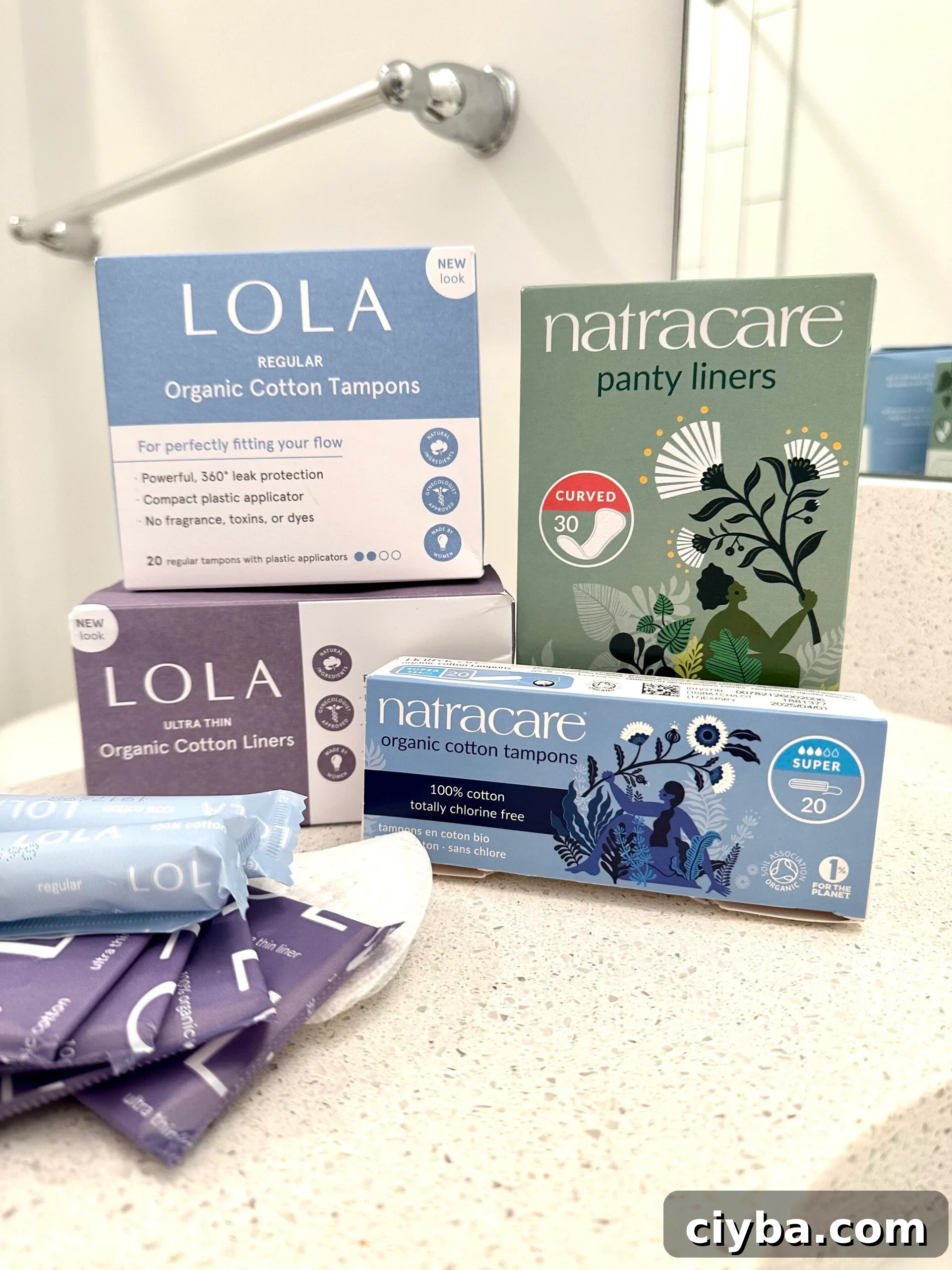
- Our top picks for organic and non-toxic pads and tampons are Natracare and Lola, based on ingredient transparency, certifications, and product composition.
- Reducing exposure to environmental toxicants is about consistent choices: focus on better everyday options rather than stressing over occasional conventional product use.
Table of Contents
- In a Nutshell:
- What’s the Difference Between Organic and Regular Tampons & Pads?
- Are Organic Cotton Tampons & Pads Actually Better For You?
- Some Good News About the Safety of Menstrual Products
- Toxic Chemicals to Look Out for in Disposable Period Products
- Plastics and Endocrine Disruptors like Phthalates & BPA
- Semi-Synthetics
- Pesticide Residue
- Fragrances
- Dyes
- Paraffin, Mineral Oil, Ethoxylated Ingredients, and Other Additives
- Titanium Dioxide
- Dioxins & Furans from Chlorine Bleaching
- PFAS
- These Are The Best Organic & Non-Toxic Period Pads & Tampons
- Natracare
- Lola
- Why Didn’t These Brands Make the List?
- Related FAQs
- Do organic tampons reduce the risk of toxic shock syndrome (TSS)?
- Can organic tampons help with cramps?
- What is the lawsuit against L organic tampons?
- Who owns Cora tampons?
This article contains affiliate links, which means we may earn commission if you decide to make a purchase.
What’s the Difference Between Organic and Regular Tampons & Pads?
Conventional products are often made with synthetic fibers, petrochemical-derived components, dyes, fragrances, and additives. Organic tampons and pads use organic cotton as the primary material, ideally certified by a reputable third party such as GOTS or the Soil Association.
However, brands may combine organic cotton with other materials or additives. A product that advertises organic cotton may still include synthetic back layers, adhesives, or cores, so it’s important to read ingredient lists and look for certifications rather than relying on marketing language alone.
Are Organic Cotton Tampons & Pads Actually Better For You?
Direct long-term research linking menstrual product use to chronic disease is limited. Still, studies suggest organic options are less likely to cause irritation, which can benefit those with sensitive skin or allergies. When assessing potential long-term risk, it’s useful to consider which chemicals are commonly present in conventional products and whether those substances are likely to be harmful when absorbed repeatedly over time.
Our short conclusion: organic tampons and pads that avoid known harmful chemicals—dioxins, certain pigments, fragrances, and PFAS—are more likely to be a safer choice for frequent use.
Some Good News About the Safety of Menstrual Products
Since 2019, laws in some states have required manufacturers to disclose intentionally added ingredients in menstrual products. This increased transparency makes it easier for consumers to compare formulations. That said, some brands still list vague terms like “adhesives,” “cellulose,” or “wax” without specifying the source or chemistry, and contaminants such as PFAS or dioxins may not appear on ingredient lists because they are not intentionally added.
Toxic Chemicals to Look Out for in Disposable Period Products
Plastics and Endocrine Disruptors like Phthalates & BPA
Many pads, tampons, and applicators contain plastics such as polyester or polyethylene, and those plastics can carry additives like phthalates and bisphenols (BPA), which are endocrine disruptors. Even plastics marketed as “BPA-free” can pose risks, because plastic itself and microplastic debris are associated with environmental and health concerns. Reducing single-use plastic in period products—by choosing organic cotton or reusable options—helps minimize this exposure.
Semi-Synthetics
Semi-synthetic materials like rayon (viscose) are processed from plant cellulose using harsh chemicals. Tests have detected processing residues such as carbon disulfide in some mainstream tampons; long-term exposure to such contaminants is undesirable. Choosing minimally processed natural fibers when possible reduces this potential exposure.
Pesticide Residue
Conventional cotton can retain pesticide residues. Laboratory testing has shown pesticide traces in some conventional tampons, so 100% certified organic cotton is preferable if you want to avoid residues from agricultural chemicals.
Fragrances
Synthetic fragrances may contain phthalates, solvents, and allergens, and are often labeled vaguely. Opt for “unscented” or “fragrance-free” products to avoid these potential irritants. Good hygiene—regularly changing pads or tampons, showering, and choosing breathable underwear—also helps control odor without added chemicals.
Dyes
Dyes and pigments are used for appearance only and can introduce unnecessary chemical exposure. Some pigments, like carbon black, are linked to serious health concerns. When possible, choose undyed or uncolored products.
Paraffin, Mineral Oil, Ethoxylated Ingredients, and Other Additives
Many conventional pads and tampons include petroleum-derived ingredients such as paraffin or mineral oil, as well as ethoxylated compounds (often containing “PEG” or polysorbates). Ethoxylation can introduce trace contaminants like 1,4-dioxane and ethylene oxide. These contaminants may not be listed on labels yet can pose potential health risks, so avoiding unnecessary synthetic additives is a sensible precaution.
Titanium Dioxide
Titanium dioxide is widely used as a white pigment. Concerns focus on inhalation risks and emerging evidence about potential carcinogenicity in certain forms. If you prefer to exercise caution, avoid products listing titanium dioxide, pigment white 6, or “white pigment.”
Dioxins & Furans from Chlorine Bleaching
Chlorine bleaching can generate dioxins and furans, which are toxic contaminants. Most U.S. manufacturers now use alternative bleaching methods, but products sourced from regions still using chlorine bleaching may carry residue. Dioxins and furans are contaminants and therefore won’t appear on ingredient lists.
PFAS
PFAS contamination has been detected in some period products. These chemicals are persistent in the environment and linked to multiple health concerns. PFAS are generally not intentionally added to tampons or pads and won’t appear on ingredient lists; contamination can occur during manufacturing or within the supply chain.
Notably, organic labeling does not guarantee absence of PFAS. Independent testing has found PFAS in some organic and conventional brands alike. For this guide, brands with confirmed PFAS in testing were excluded from our top recommendations.
These Are The Best Organic & Non-Toxic Period Pads & Tampons
Below are brands that stood out for ingredient transparency, certifications, and product composition. Consider these options when you want disposable products with fewer problematic ingredients.
Natracare
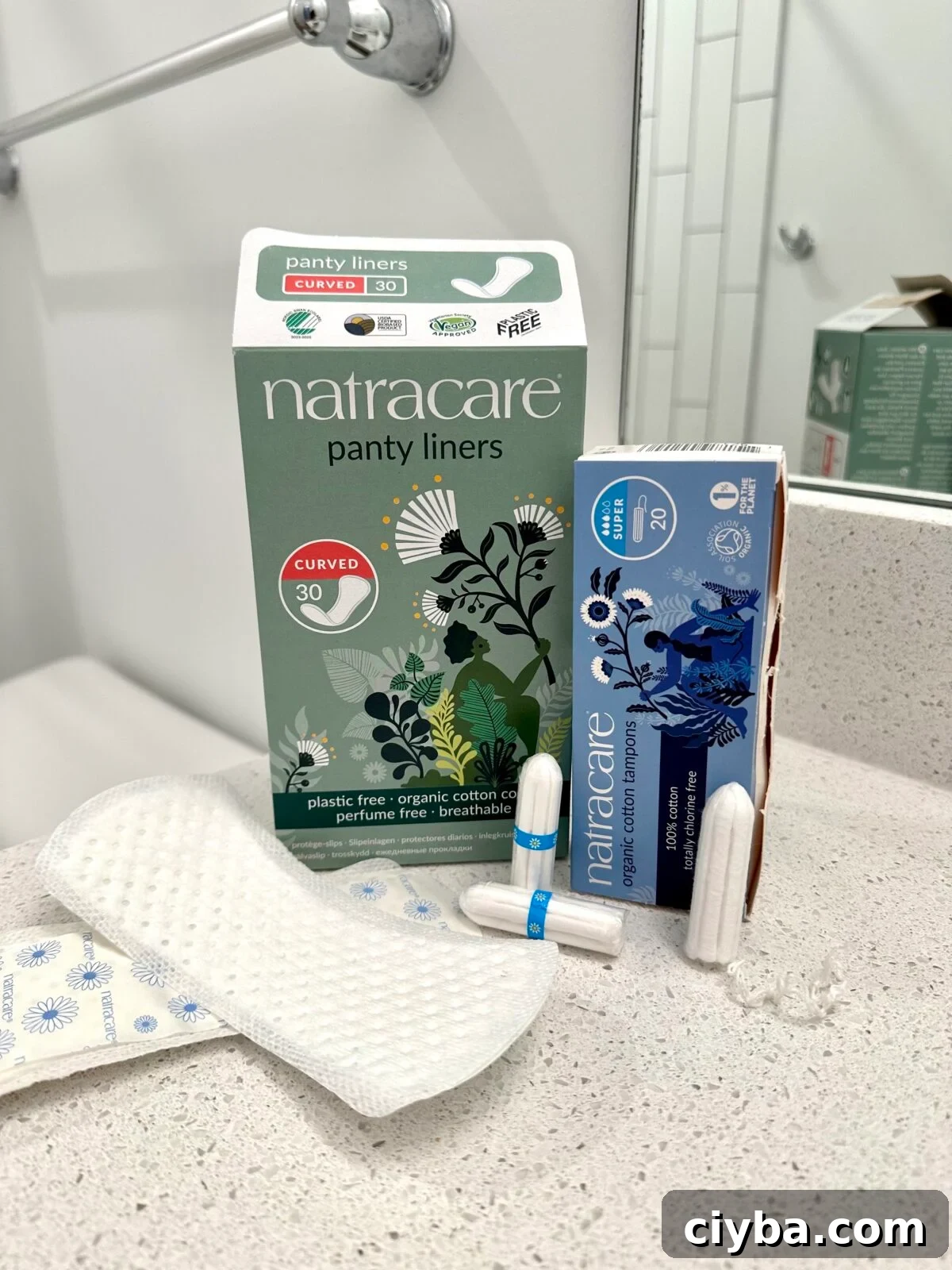
Carries: tampons, pads, panty liners, incontinence pads, wipes, maternity options.
Natracare offers plastic-free, largely 100% organic cotton products with minimal additives. Many items are free from chlorine, fragrance, dyes, and plastics. Their applicators are compostable rather than plastic, and they publish third-party test results for certain materials they use. Certifications include MADE SAFE, GOTS, Soil Association Organic, and Vegan Approved.
Pros: transparent ingredient information, strong third-party certifications, compostable applicators or no-applicator options, lower waste packaging options.
Cons: some tampons lack applicators (which may be harder for beginners), limited direct purchasing options on their site in some regions, and a higher price point than mainstream brands.
Lola
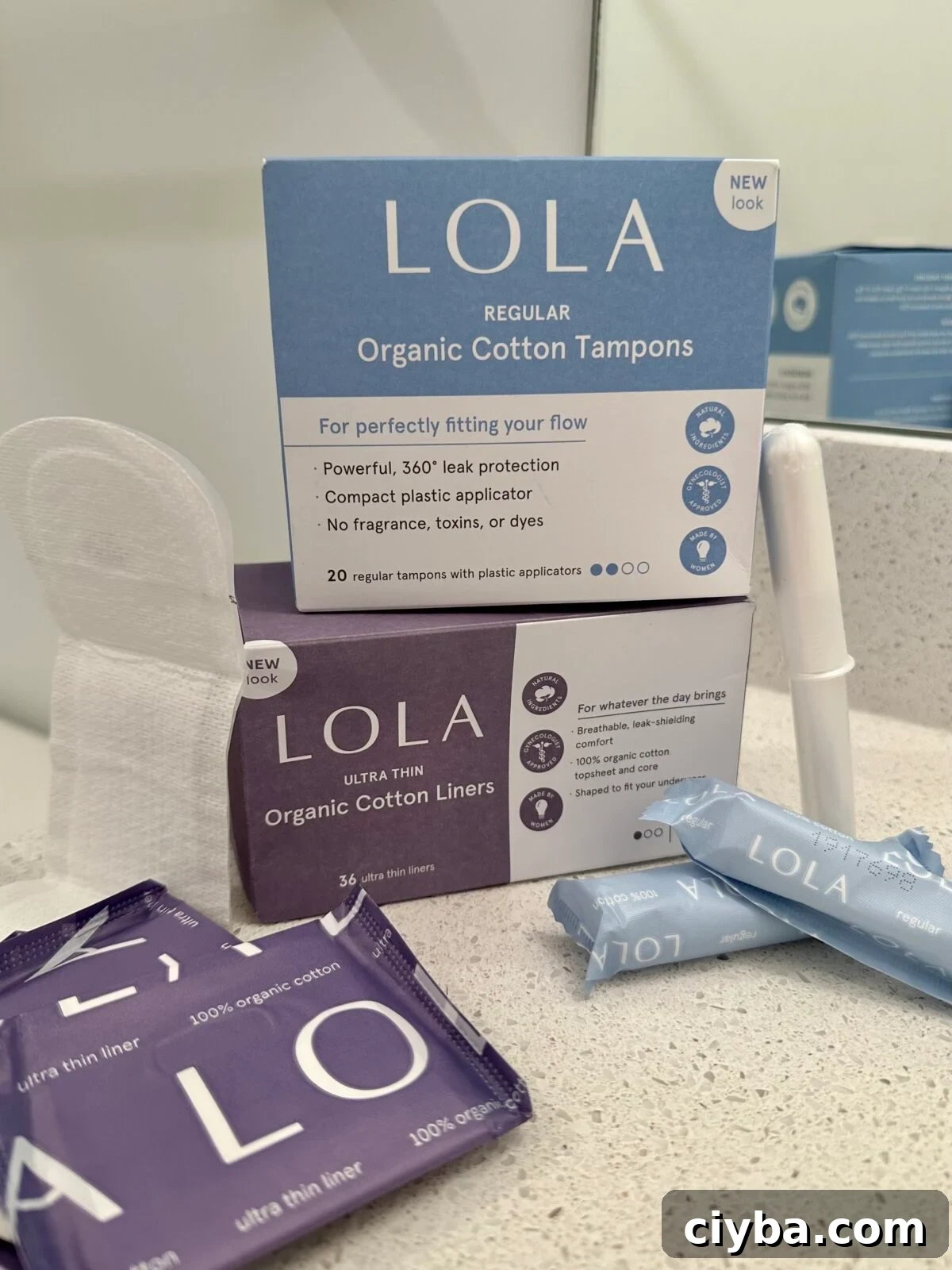
Carries: tampons, pads, liners, period underwear, and additional menstrual-care products.
Lola offers tampons made from 100% organic cotton and provides a range of absorbencies and applicator types (plastic, cardboard, or no applicator). Their products are free from synthetic fibers, fragrances, chlorine bleach, chemical additives, and dyes. Lola is gynecologist-reviewed and holds FDA 501(k) clearance for their tampons.
Pros: wide range of absorbencies in single boxes, clear product variety, subscription options for convenience.
Cons: not entirely plastic-free across all products, and some ingredient descriptions (for adhesives and certain components) could be more specific.
Why Didn’t These Brands Make the List?
Some brands claim organic or non-toxic status but use synthetic cores, petroleum-derived ingredients, or have shown PFAS contamination in independent testing. Examples of reasons for exclusion include:
- Use of synthetic SAP cores or other plastics (August).
- PFAS detected in independent tests (Cora, The Honey Pot, Rael, Veeda).
- Use of synthetic materials, mineral oil, or other additives (L., o.b., Seventh Generation).
- Lack of full ingredient transparency (Organyc).
Related FAQs
Do organic tampons reduce the risk of toxic shock syndrome (TSS)?
No. TSS is caused by bacteria and is associated with leaving any tampon in for too long. The risk increases with higher absorbency tampons. Always follow recommended wear times and change tampons every 4 to 8 hours.
Can organic tampons help with cramps?
Some people report reduced irritation and fewer cramps when switching to organic tampons, likely because they avoid irritating additives. While clinical evidence is limited, reduced inflammation and irritation can make periods more comfortable for some users.
What is the lawsuit against L organic tampons?
A class-action lawsuit filed in 2022 alleges that L. marketed some products as “100% Organic” while including non-organic or synthetic ingredients. Litigation was ongoing as of mid-2023.
Who owns Cora tampons?
Cora was founded and is owned by Molly Hayward.
About the Authors

Emmanuella Ogbonna has a degree in Pharmacy and works as a health writer and medical researcher. She brings scientific training to consumer health topics and advocates for safer, more sustainable lifestyle choices.
She has experience writing for the health and wellness sector and uses her research background to ensure accuracy in health content. In her free time, she enjoys reading, walking with music, watching thoughtful films, and spending time with family and friends.