
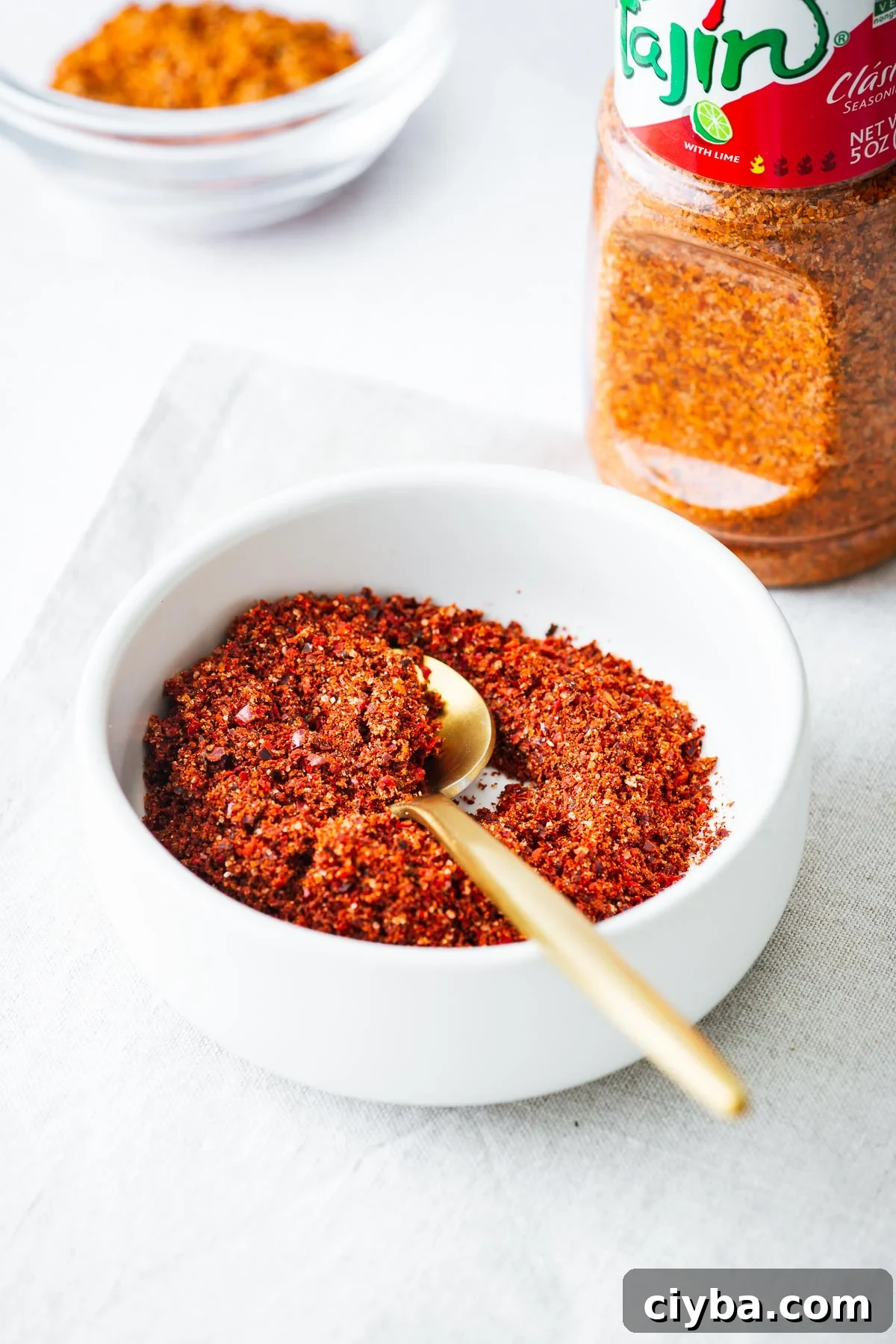
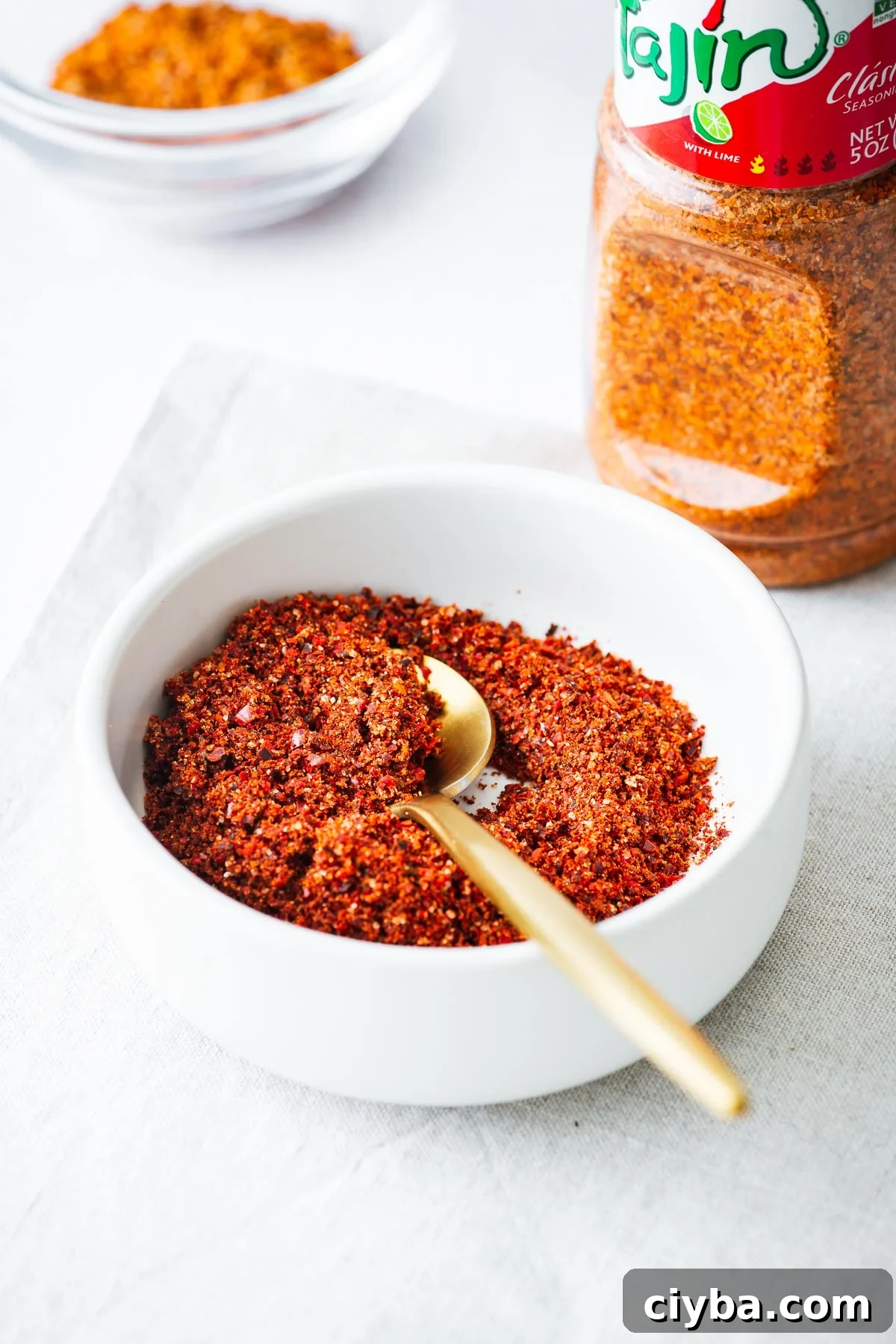
Tajín is an iconic Mexican chili-lime seasoning: tart, lightly smoky and with a mild spicy kick.
The blend is sold in more than 30 countries, but it isn’t always easy to find in every grocery store, and it can be expensive when you do. Fortunately, this simple mix of dried chili, dehydrated lime and salt is straightforward to recreate at home.
After many taste tests, I settled on several reliable Tajín substitutes that match the classic balance of sour, smoky and mildly spicy. Below you’ll find what Tajín is, what’s in it, the best store-bought and homemade alternatives, and an easy copycat recipe you can make in minutes.
In this post
- What is Tajín Clásico Seasoning?
- Tajín ingredients
- The best substitutes for Tajín Seasoning
- Homemade tajin seasoning substitute
- How to use Tajín Seasoning
- Easy Tajín Seasoning recipe
What is Tajín Clásico Seasoning?
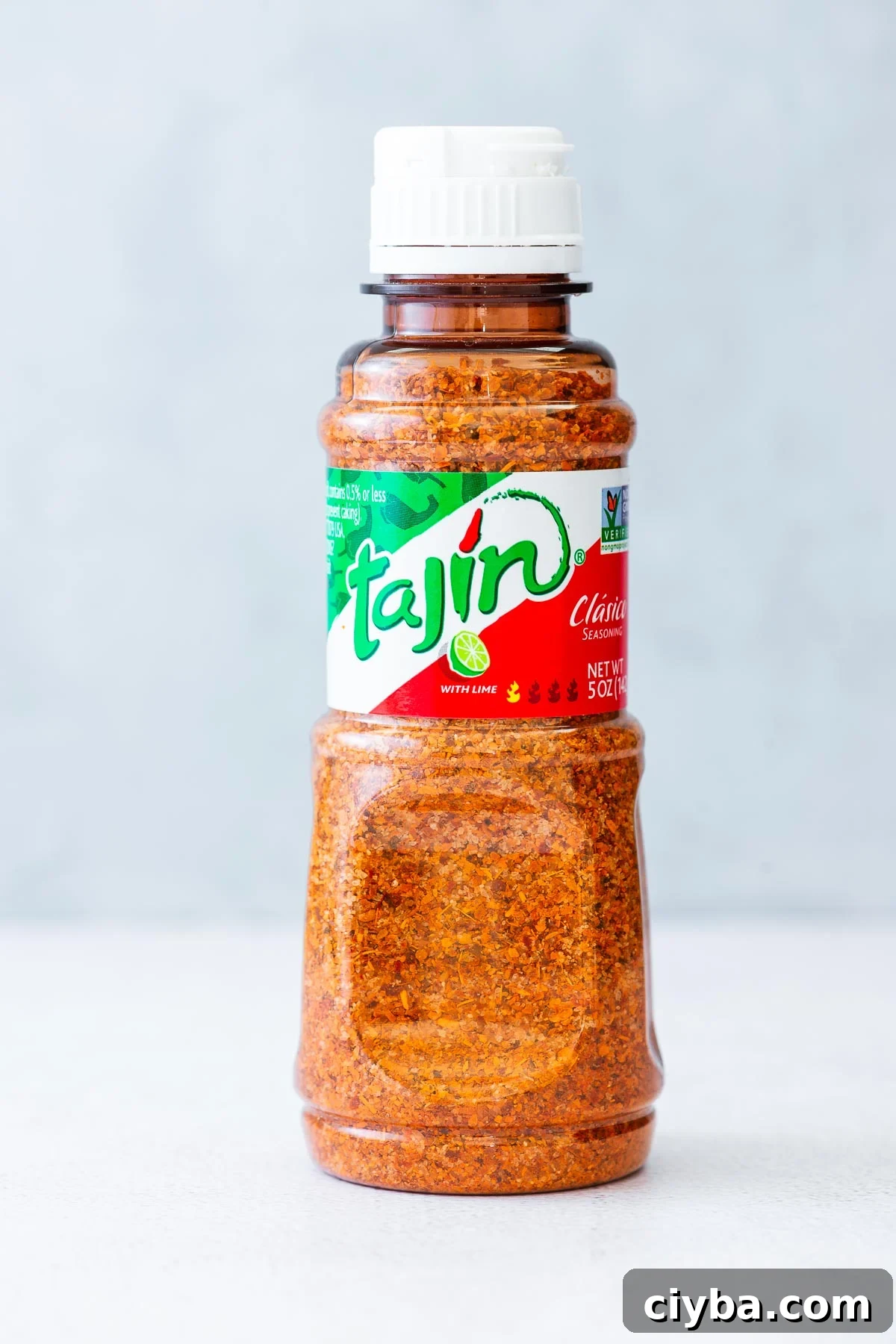
Tajín Clásico Seasoning is a popular Mexican chili-lime spice blend, often called simply tajín. It combines mild dried chilies with dehydrated lime and salt, producing a sour, smoky and slightly spicy seasoning.
The Tajín brand also offers variations such as reduced-sodium blends, hot sauces, chamoy-style sauces and habanero-seasoned products.
A brief history of Tajín
Horacio Fernández founded Tajín (the company and the seasoning) in 1985 to bottle a powdered version of his grandmother’s chili-lime sauce. The seasoning reached the United States in the early 1990s and gained popularity as an authentic chili-lime seasoning. Today, Tajín is widely available across many countries.
What does Tajín taste like?
Tajín is tangy, slightly smoky, savory and mildly spicy. The dehydrated lime and citric acid give it a pronounced tartness—almost a sherbet-like sour—while the dried chilies contribute a gentle smokiness and heat.
Tajín ingredients
The core ingredients in Tajín Clásico are dried chili peppers, sea salt, citric acid and dehydrated lime juice (or lime powder). Some labels list silicon dioxide as an anti-caking agent.
Citric acid is a key flavor contributor: it delivers much of the intense, candy-like sourness associated with Tajín. Dehydrated lime adds a subtle lime character, even when used in small amounts.
Chili peppers
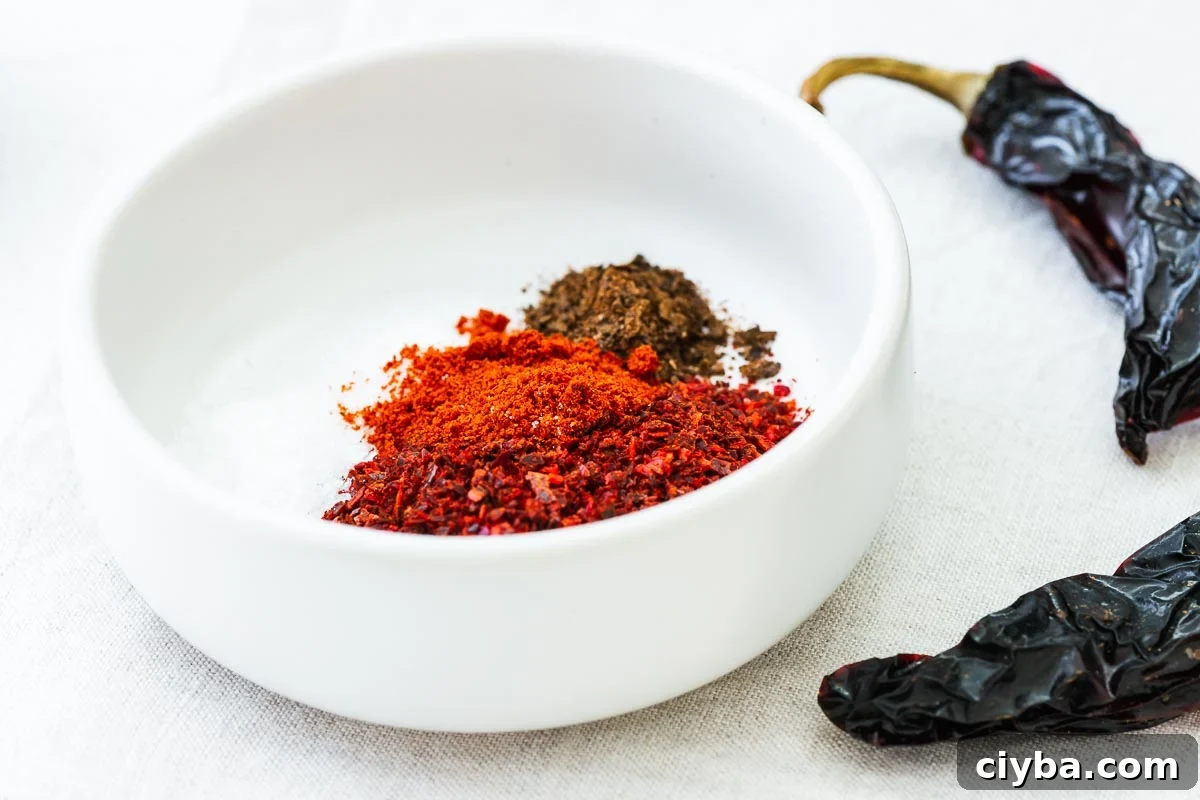
For an authentic flavor, mild Mexican dried chilies with a touch of smokiness—pasilla or guajillo powder—work well. For more heat, use chiles de árbol. If those aren’t available, try Aleppo pepper, gochugaru, a mix of cayenne and smoked paprika, or simply red pepper flakes. Use only paprika if you prefer a non-spicy version.
Salt
The product uses sea salt, but any salt will work. Tajín isn’t overly salty; the salt simply balances the other flavors.
Citric acid
Citric acid delivers a concentrated tartness that mimics the bright sour note of lime. Food-grade citric acid is widely available and gives homemade blends the classic Tajín “sherbet” tang. If you omit it, the seasoning will still be good but less candy-like.
Dehydrated lime
Dehydrated lime or ground black lime powder provides a subtle authentic lime aroma. Tajín’s label often shows only a small percentage of dehydrated lime, so a little goes a long way. You can substitute fresh lime zest or powder made from dried lime.
The best substitutes for Tajín Seasoning
Knowing the ingredients lets you create several close substitutes, whether you want a dry pantry blend, a citrus-free option, or a non-spicy version. Here are the top choices:
The best Tajín substitutes are:
- Homemade Tajín seasoning (copycat)
- Store-bought chili-lime seasoning
- Chili flakes, salt and citrus zest
- Chili powder, salt and sumac (citrus-free)
- Smoked paprika, salt and lime (non-spicy)
1. Homemade Tajín Seasoning substitute (copycat recipe)
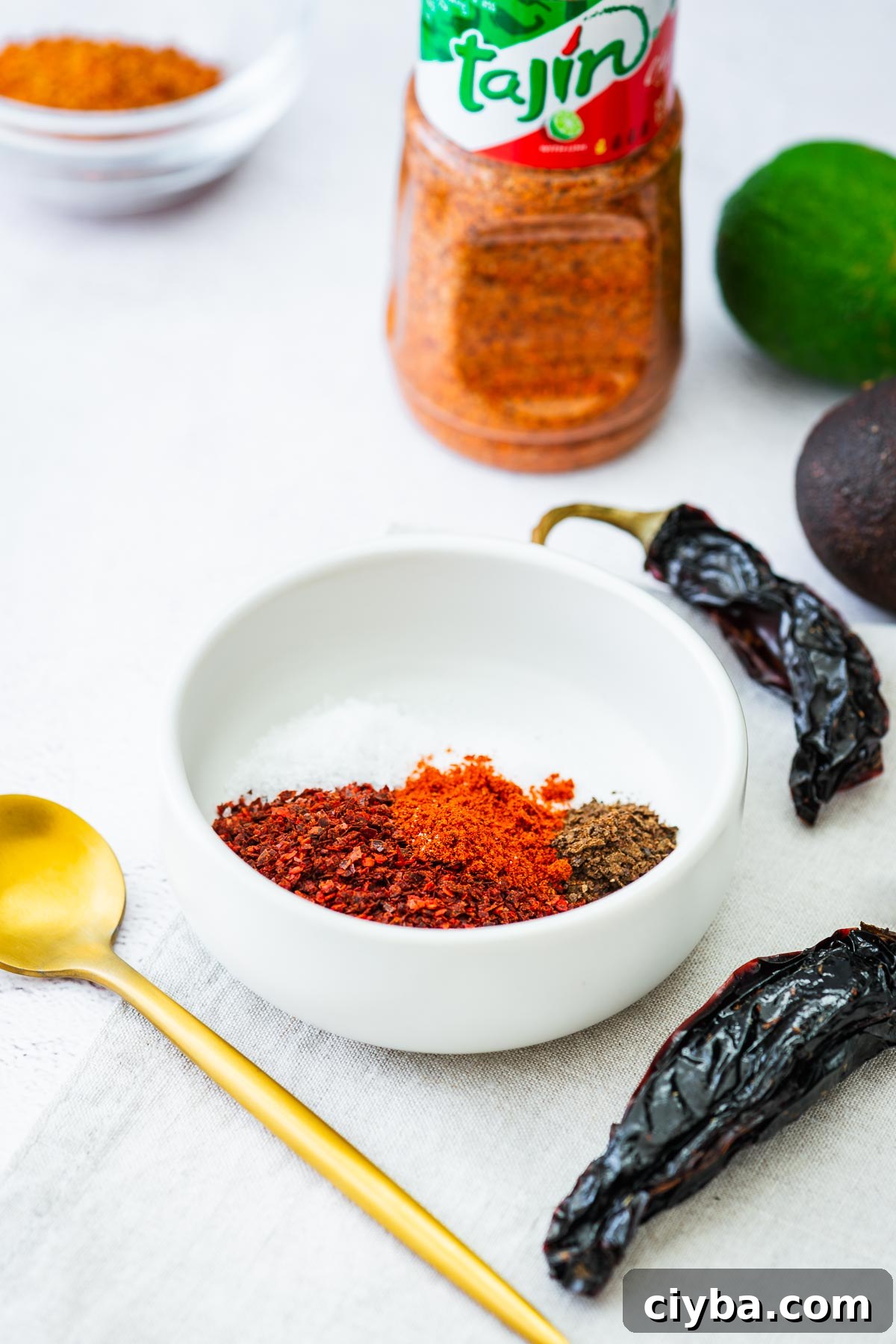
For a reliable copycat, combine:
- 1 tablespoon mild chili powder or fine flakes,
- 1/4 teaspoon smoked paprika (optional; use smoked chipotle for more heat),
- 1/2 teaspoon ground salt,
- 1/4 teaspoon citric acid powder,
- 1/4 teaspoon ground black lime powder or lime zest (or dehydrated lime powder).
Omit smoked paprika if your chili powder already has a smoky character. If you don’t have citric acid, the mix will still be tasty but lack the classic sharp tang. For non-dry uses (like guacamole), a squeeze of fresh lime juice works well instead of powdered lime.
2. Store-bought chili-lime seasoning
Any ready-made chili-lime seasoning is a good alternative. Check labels: the closest matches list only chili peppers, salt, citric acid and lime. Some commercial blends include garlic or onion powder—those are fine but not strictly Tajín-style.
3. Chili flakes, salt and citrus zest (all-natural)
Mix 1 tablespoon fine chili flakes with 1/2 teaspoon ground sea salt and 1/2 teaspoon lime or lemon zest for a quick, natural substitute. Add a pinch of citric acid if you want the sharper Tajín tang.
4. Chili powder, salt and sumac (citrus-free)
If you can’t have citrus, sumac makes an excellent tart replacement. Mix 1 tablespoon chili powder (or flakes) with 1/2 teaspoon salt and 1/2 teaspoon sumac for a bright, fruity tang without citrus.
5. Smoked paprika, salt and lime (non-spicy)
For a non-spicy version, combine 1 tablespoon smoked paprika with 1/2 teaspoon ground sea salt and 1/2 teaspoon dehydrated lime powder, ground black lime or lime zest. Add a pinch of citric acid if you want more sharpness.
How to use Tajín Seasoning (or substitute)
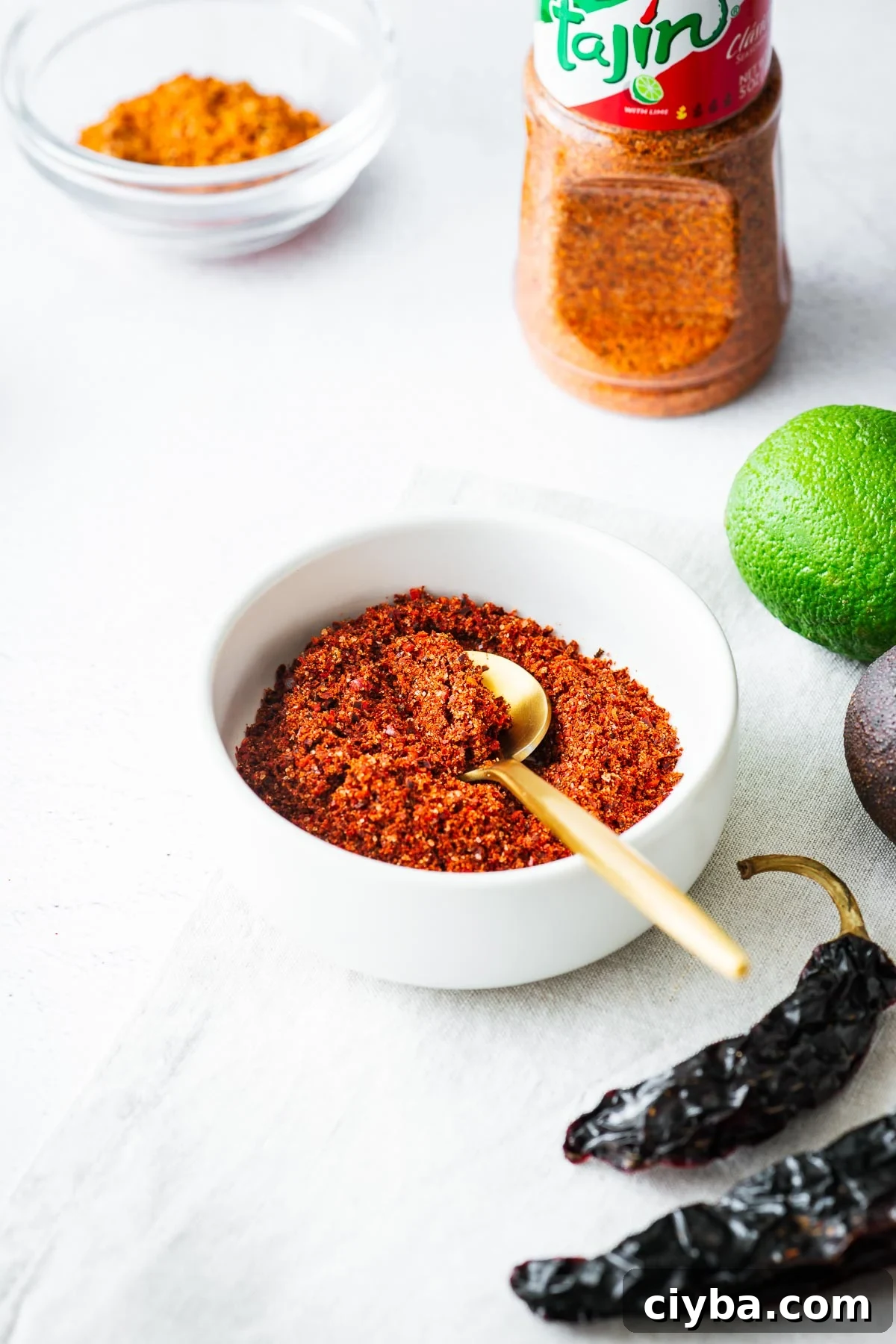
Tajín is versatile. Use it to season vegetables, fruits, snacks and drinks, or as a rub for proteins. Popular uses include:
- Sprinkled over cucumber slices for a refreshing snack,
- On fresh fruits such as mango and pineapple for a spicy-sour contrast,
- On grilled corn brushed with butter,
- As a cocktail or glass rim seasoning for margaritas or Bloody Marys.
It also works well as a dry rub for meats, a seasoning for roasted sweet potatoes, or a boost for vegetable dishes and guacamole. A little Tajín can revive day-old or frozen guacamole, too.
Frequently asked questions
Is Tajín Seasoning gluten-free?
Yes. Tajín labels indicate the product is gluten-free, and the substitutes suggested here are also gluten-free when you use gluten-free ingredients.
Does Tajín Seasoning contain sugar?
No. Tajín Clásico contains no added sugar. The suggested alternatives above are also sugar-free unless you add a sweet ingredient intentionally.
Homemade Tajin Seasoning Substitute
Ingredients
- 1 tablespoon mild chili powder or fine flakes
- ¼ teaspoon smoked paprika (optional)
- ½ teaspoon ground sea salt
- ¼ teaspoon citric acid
- ¼ teaspoon ground black lime powder , lime zest, or dehydrated lime juice powder
Instructions
-
If your chili flakes are coarse, grind them in a spice grinder or mortar and pestle. Otherwise, combine all ingredients in a small bowl and mix until even. Store in an airtight container.
Notes
- Add smoked paprika only if your chili flakes lack smokiness.
- You can make ground black lime powder or dried lime zest at home from fresh limes.
- If you plan to use the seasoning in a dip or guacamole, fresh lime juice can replace powdered lime for immediate use.
Try more spice and seasoning substitutes:
- The Best Substitute for Old Bay Seasoning
- The Best Chinese Five-Spice Substitute
- The Best Gochugaru Substitute
- The Best Celery Salt Substitute
- The Best Italian Seasoning Substitute