
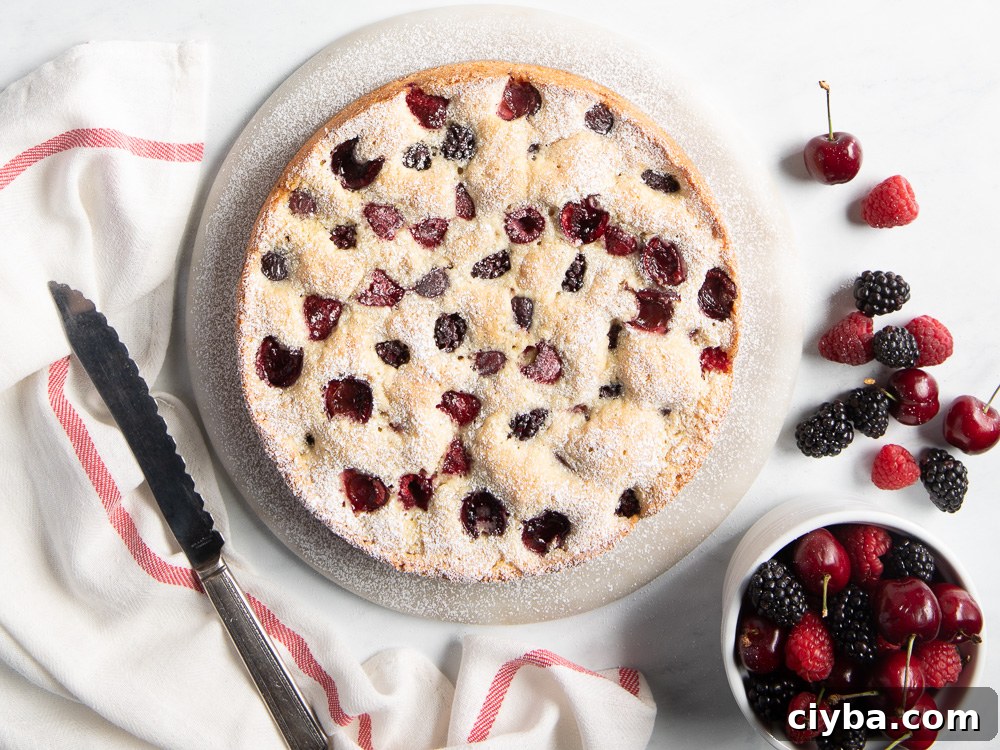
Bublanina, a Czech sponge cake with a texture similar to coffee cake and a nod to the French clafoutis, delights both the eye and the palate. Its light, airy batter is gently scented with lemon and vanilla, and traditional toppings—dark cherries, juicy blackberries, and tart raspberries—nestle into the batter as it rises. The name comes from the Czech word for “bubble,” a reference to how the cake puffs around the fruit. A final dusting of confectioners’ sugar completes this understated and irresistible summer cake.
Click here to download a printable PDF of this lesson, or continue reading the digital lesson below.
INGREDIENT BREAKDOWN
Great recipes start with great ingredients. Below is how each component contributes to making the best Bublanina.
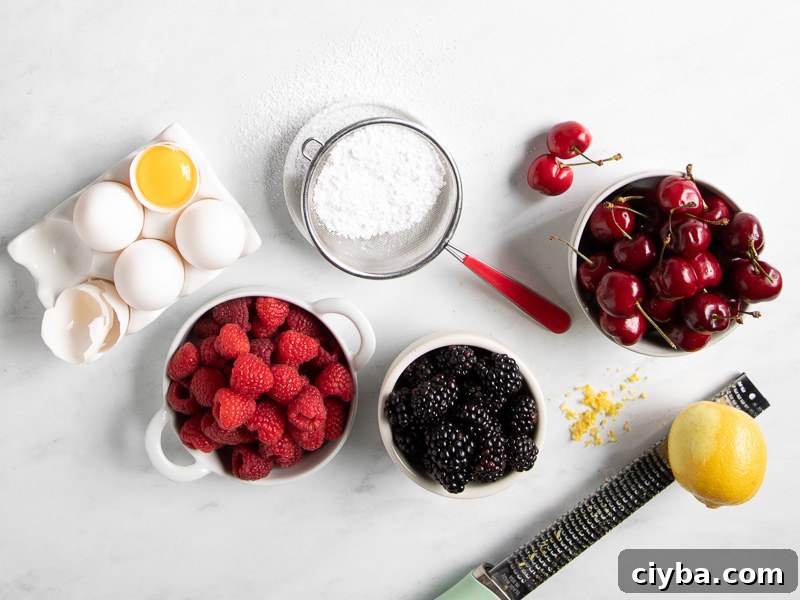
Unbleached cake flour: Cake flour is milled from soft wheat and has a lower protein content than all-purpose flour (about 5–8%). This produces a tender crumb and the right structure for a delicate sponge.
Baking powder: Most baking powders are double-acting, giving an initial rise when mixed with liquid and a second rise during baking. This helps the cake become light and airy.
Kosher salt: Kosher salt has a clean taste and a flake texture that distributes evenly through the batter without the metallic notes some iodized salts can impart.
Eggs: Eggs add lift, richness from the yolks, and moisture to the sponge. Separating whites and yolks lets you whip the whites for extra volume while still benefiting from the yolks’ richness.
Cream of tartar: A small amount stabilizes and strengthens whipped egg whites, helping them hold the air incorporated during whipping.
Granulated sugar: Sugar sweetens, helps stabilize whipped whites, and aerates when creamed with butter. It also draws in moisture, helping the cake stay tender after baking.
Unsalted butter: Butter provides flavor and tenderness. Using high-quality, higher-fat European-style butter improves texture. Unsalted butter lets you control salt precisely.
Vanilla extract: Vanilla adds depth and complexity to the cake’s flavor.
Lemon zest: A small amount of lemon zest brightens the batter with a fresh, citrus lift.
Fresh fruit: Cherries are traditional, but mixed berries or chopped stone fruit work beautifully. Choose ripe, flavorful fruit for the best results.
TOOLS OF THE TRADE
Here are recommended tools to make the technique easier and more reliable.
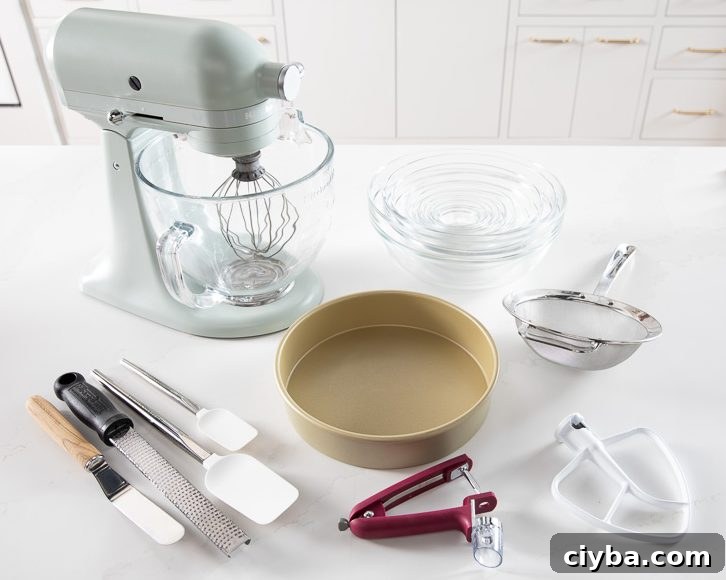
Stand mixer: A stand mixer speeds whipping egg whites and creaming butter and sugar, making these steps effortless.
Round cake pan: A 9-inch round pan bakes the Bublanina evenly. Line the bottom with parchment and grease the sides for easy release.
Sieve: Use a sieve to sift dry ingredients and to dust the finished cake with confectioners’ sugar.
Cherry pitter: A pitter makes quick work of removing pits from cherries without excessive mess.
Offset spatula: Helpful for spreading batter evenly in the pan.
Grater: A rasp grater is ideal for zesting lemon finely without taking the bitter pith.
Glass bowls and spatulas: Reliable basics for prepping and folding ingredients without deflating the batter.
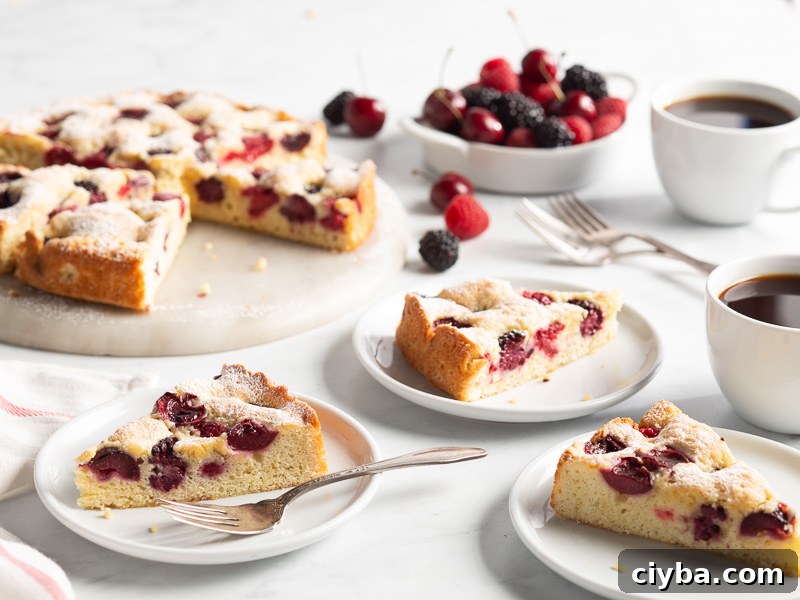
Bublanina
Ingredients
- 1 cup (125 grams) unbleached cake flour
- ½ teaspoon (2.5 grams) baking powder
- ½ teaspoon (1.5 grams) kosher salt
- 3 large eggs (150 grams), separated and room temperature
- ⅛ teaspoon cream of tartar
- ¾ cup (150 grams) granulated sugar, divided
- ⅓ cup (75 grams) unsalted butter, softened
- 2 teaspoons (6 grams) lemon zest
- 1½ teaspoons (6 grams) vanilla extract
- 1½ cups assorted fresh berries or ½-inch-chopped stone fruit (see Note)
- Garnish: confectioners’ sugar
Instructions
-
Preheat the oven to 350°F (180°C). Spray a 9-inch round cake pan with baking spray that includes flour and line the bottom with parchment paper.
-
In a medium bowl, sift together the flour, baking powder, and salt. Sifting ensures even distribution and removes lumps.
-
In the bowl of a stand mixer fitted with the whisk attachment, beat the egg whites and cream of tartar at medium-high speed until foamy. Reduce speed to medium-low and add ¼ cup (50 grams) of the granulated sugar in a slow, steady stream. Increase to medium-high and beat until medium-stiff peaks form. Transfer the whipped whites to a separate bowl.
-
Clean the mixer bowl and fit the paddle attachment. Beat the butter and remaining ½ cup (100 grams) granulated sugar at medium speed until fluffy, about 3–4 minutes, scraping the bowl as needed. Add the egg yolks one at a time, beating to combine after each addition. Increase to medium-high and beat until light and airy, about 2 minutes. Stir in the lemon zest and vanilla.
-
Fold the whipped egg whites into the butter mixture in three additions, alternating with the flour mixture and beginning and ending with the egg whites. Fold gently by hand until just combined after each addition to preserve air. Spread the batter into the prepared pan and arrange the fruit on top without pressing it into the batter.
-
Bake until the cake is golden and a wooden pick inserted into the center comes out clean, about 30–35 minutes. Cool in the pan on a wire rack for 10 minutes, then remove from the pan. Serve warm or at room temperature and dust with confectioners’ sugar just before serving, if desired. Store in an airtight container for up to 3 days.
Notes
TIME TO SIFT
Sifting flour and dry ingredients breaks up lumps and aerates the mixture, making it easier to incorporate into the batter for an even crumb.
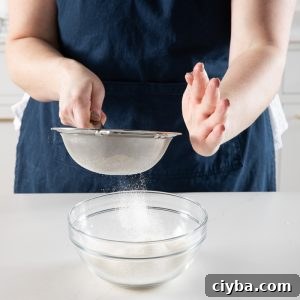
1. In a medium bowl, sift together the flour, baking powder, and salt so the dry ingredients are well combined and lump-free.
PERFECT PEAKS
Whipped egg whites stabilized with cream of tartar give the cake lift and a light texture.
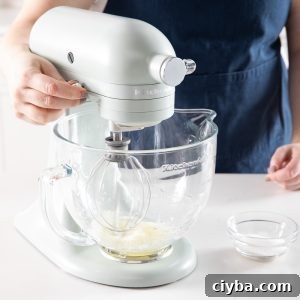
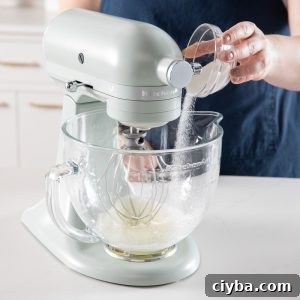
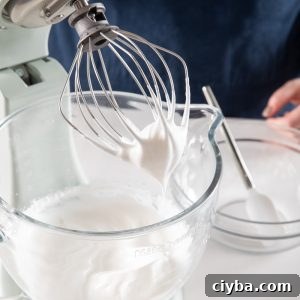
1. In a stand mixer fitted with the whisk attachment, beat egg whites and cream of tartar at medium-high speed until foamy. Reduce speed and add ¼ cup (50 grams) granulated sugar in a slow stream, then increase speed again and beat until medium-stiff peaks form. Transfer the whites to a bowl. Adding sugar slowly helps it dissolve fully and prevents a grainy texture while maintaining volume.
BEATING THE BATTER
Creamed butter and sugar combined with rich egg yolks create the cake’s tender crumb and flavor.
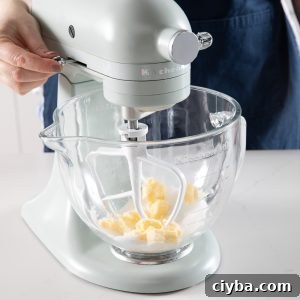
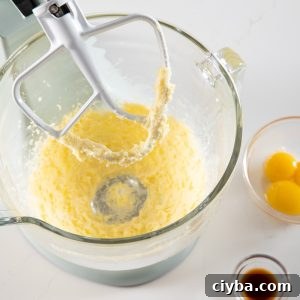
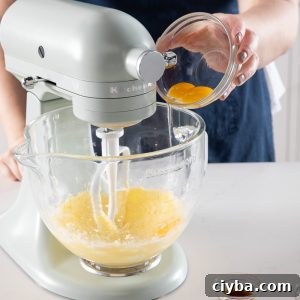
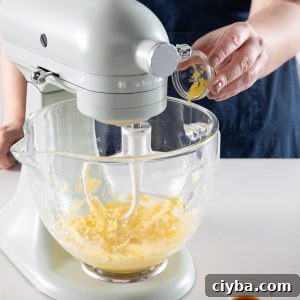
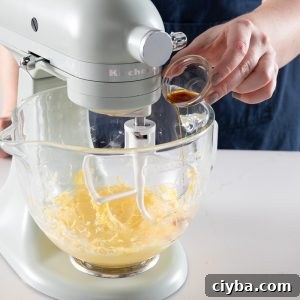
1. With the paddle attachment, beat softened butter and the remaining ½ cup (100 grams) granulated sugar at medium speed until light and fluffy, about 3–4 minutes, scraping the bowl as needed. Add egg yolks one at a time, mixing after each addition, then beat at medium-high until the mixture is pale and airy, about 2 minutes. Fold in lemon zest and vanilla. Properly softened butter traps air as it’s creamed with sugar, which contributes to the cake’s lift and fine crumb.
EASY DOES IT
Gently fold the whipped egg whites and dry ingredients into the butter mixture, then scatter jewel-toned fruit on top for a beautiful finish.
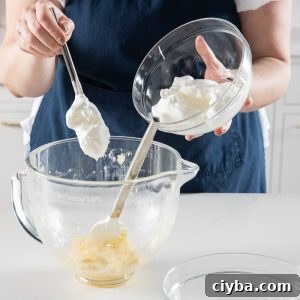
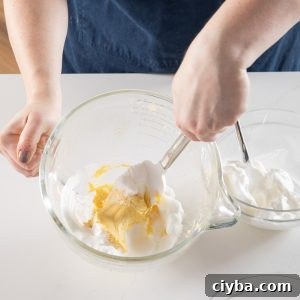
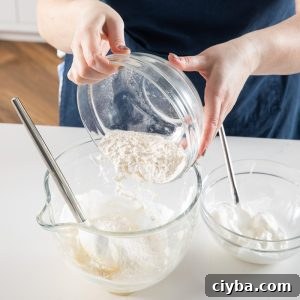
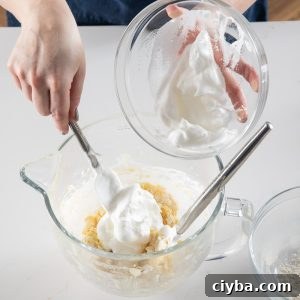
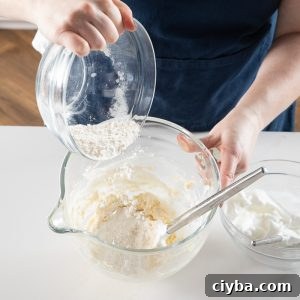
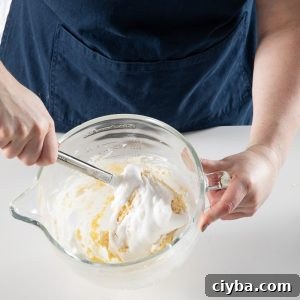
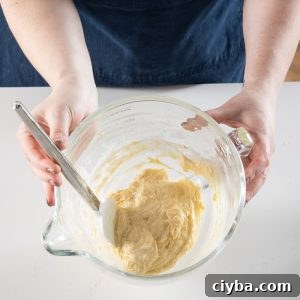
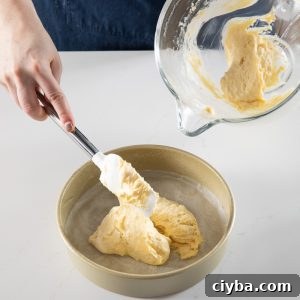
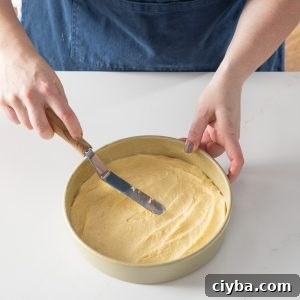
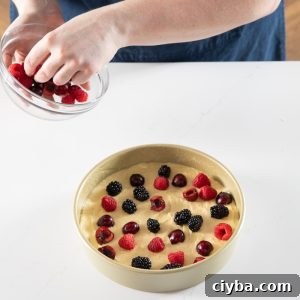
1. Fold the whipped egg whites into the butter mixture in three additions, alternating with the flour mixture and starting and finishing with the whites. Fold gently until just combined, then spread the batter into the prepared pan. Arrange the fruit on top—cherries, berries, or chopped stone fruit all make a lovely topping. Do not press the fruit into the batter. Gentle folding preserves the air that gives the cake its characteristic light texture.