
Food waste is a serious problem. Recent research shows Canada ranks among the highest in food waste — an outcome we should all be concerned about.
Canadians waste more food than they consume.
According to the 2019 report The Avoidable Crisis of Food Waste by food-waste expert Martin Gooch, roughly 58% of the food produced in Canada is wasted. If you remove inedible parts like bones and peels, the figure is about 32%. That represents roughly 11.2 million tonnes of usable food sent to landfills — a human and environmental disaster.
While the food industry contributes a large portion of that waste, households also play a role. Earlier studies suggested consumers were responsible for more than half of food waste in Canada, but more recent work by Second Harvest Food Rescue and the Value Chain Management Institute, which relies on industry data instead of estimates, paints a different picture.
- Canadians waste about $50 billion worth of usable food each year
- That figure excludes input costs such as water, energy, fertilizer, labour, disposal fees and environmental impacts
- Consumers account for about 21% of overall usable food waste
- The average household discards roughly $1,766 in food annually
The food industry clearly has work to do, but households do too. It’s time to take action at home to reduce food waste.
Reducing Food Waste at Home
Researchers with the Guelph Food Waste Project emphasize awareness as the first step: noticing habits and talking about food waste makes a difference. Start small — consider sharing or discussing the issue to build awareness in your circle. Thinking about food waste helped me change habits at home, and I still find ways to improve.
The more people think about food and waste, the less food they waste.
Here are practical, tested tips you can use at home to cut food waste.

1. Plan Ahead
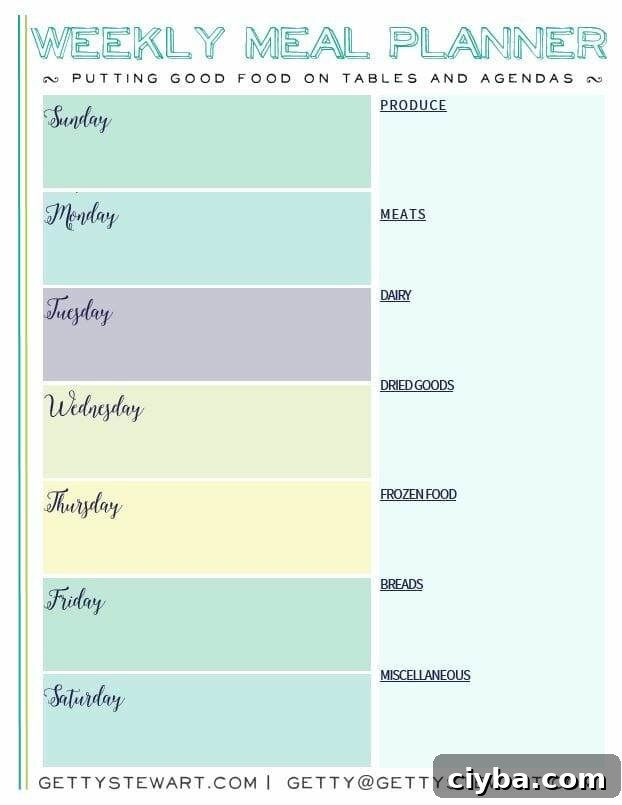
Make a simple meal plan. You don’t need to plan every night — five planned meals are often enough because you’ll likely have leftovers or dine out occasionally. Start your plan with what’s already in your pantry, fridge and freezer. With a plan, shopping, meal prep and mealtime decisions become easier, and you’ll waste less food.
If you want a tool, print a weekly meal planner and use it to track meals and ingredients so you buy only what you need.
2. Store Food Properly
Fresh fruits and vegetables are often wasted because they’re stored incorrectly or forgotten. According to the National Zero Waste Council (2017), the foods wasted most by weight in Canada are:
- Vegetables: 30%
- Fruit: 15%
- Leftovers: 13%
- Bread and bakery: 9%
- Dairy and eggs: 7%
On a daily basis this translates to large quantities of perfectly edible items being thrown out across the country. The reasons are varied: buying too much, not using produce quickly, improper storage, buying for a single recipe and confusion about date labels.
The University of Guelph Food Waste Research Project offers practical storage tips that help prolong freshness and reduce waste.

3. Be “Best Before” Savvy
“Best Before” dates indicate quality, not safety, and generally apply to unopened packaged foods. Once a product is opened, the best-before date no longer strictly applies — use sight, smell and judgement. Expiration dates, which have safety implications, are required only for specific products such as infant formula and certain nutritional supplements.
Best Before does not mean “toxic after.” Use judgement, not just dates.

4. Buy Less
Bulk bargains can be tempting, but only buy what you can realistically use. A low per-unit price doesn’t help if most of it goes bad. If bulk purchases are tempting, split them with friends or family so nothing goes to waste.

5. Reduce or Use Leftovers
Leftovers can be a boon or a problem. Think ahead: plan to use leftovers as part of your weekly meals, freeze portions immediately, or transform them into new dishes. For example, leftover mashed potatoes make great patties that freeze and reheat well.

Incorporate leftovers into meal planning: cook extra sauce and repurpose it later as chili, or make two loaves of meatloaf and freeze one for an easy meal another day.
Use leftovers to reduce food waste, not to add to it.
6. Make Soup
Soup is an ideal way to use up odds and ends. Start with aromatics, add heartier vegetables, then toss in leftover grains, proteins or sauces. Finish with herbs, greens or cream as available. Soups are flexible, forgiving, and a great way to stretch ingredients.

7. Preserve Food
Freezing is a simple, effective way to extend the life of produce and leftovers. If you won’t use an item before it spoils, freeze it and label portions with dates. For many vegetables, blanching before freezing preserves texture and flavor. You can even freeze onions, ginger and leftover wine for later use.

Make a habit of using frozen foods within a reasonable timeframe so they don’t get forgotten. The goal is to prevent waste, not simply delay it.
Finally, let’s stop prioritizing cosmetic perfection. Misshapen or unusually sized produce is still nutritious and tasty. Embrace imperfect fruits and vegetables and use them proudly.

There are many practical steps we can take at home to reduce food waste. Share your tips and what you find yourself throwing away most often — community ideas help us all improve.
Sources
The Avoidable Crisis of Food Waste, 2019 (Second Harvest & Value Chain Management Institute, Gooch)
University of Guelph Food Waste Research Project
Value Chain Management Report, 2014 (Gooch & Felfel) and related 2019 update
National Resources Defense Council, 2012
Hunger Count by Food Banks Canada
Canadian Food Inspection Agency
Original post October 2015; edited January 28, 2019.
Interested in learning more or hosting a workshop on reducing food waste? Getty Stewart offers practical sessions and hands-on workshops to help households and groups reduce food waste with simple, tasty strategies.