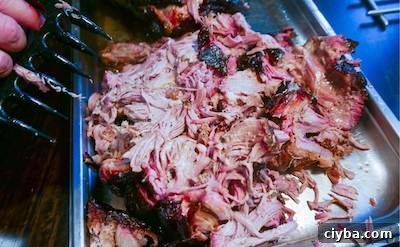
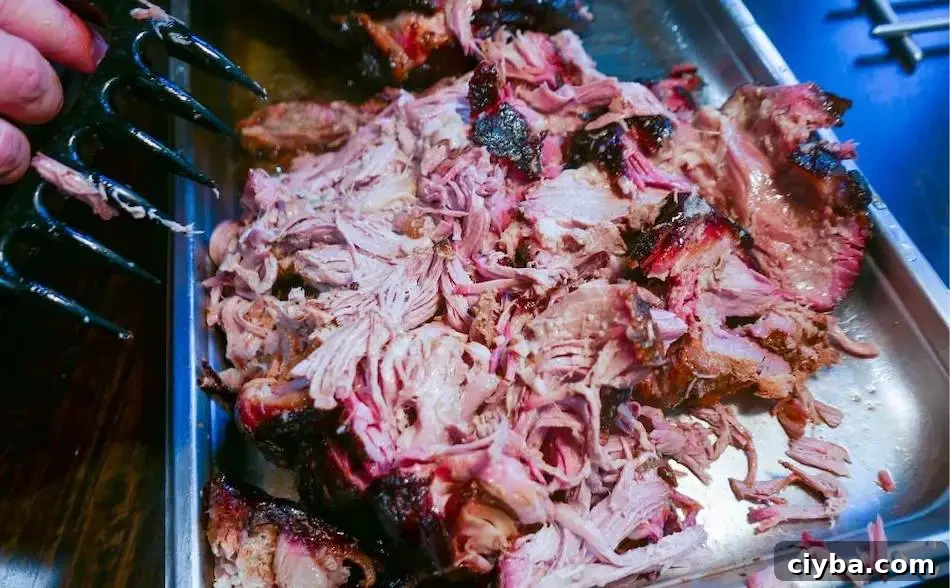
Smoking a pork butt can be challenging because many variables affect the final cook time and result. Size, smoker temperature, weather, and handling habits all influence how long the meat needs to reach tenderness. Below I break down the main factors and common timelines so you can plan a successful cook and produce juicy, flavorful pulled pork.
As a general guideline, smoking a pork butt at 220°F usually takes about 1.5 hours per pound. Most butts weigh between 6 and 10 pounds, so expect roughly 9 to 15 hours total. Increasing the smoker temperature to about 250°F will speed things up to roughly 1 hour per pound. Note that higher temperatures reduce cook time but can change texture and smoke absorption, so choose the method that matches your priorities.
Total Cook Times For Pork Butt
Key Points
- Cook time depends on meat size, smoker temperature, and other variables such as wrapping, spritzing, and weather.
- At 220°F expect roughly 1.5 hours per pound; a 6–10 lb butt will usually take 9–15 hours.
- Low-and-slow cooking helps collagen and connective tissue break down, producing tender, flavorful meat.
- Cooking between 250°F and 275°F shortens cook time but can slightly reduce smoke character and tenderness.
- Hot-and-fast methods (above 300°F) can finish a butt in 5–6 hours but may sacrifice depth of smoke and ultimate tenderness.
- Opening the smoker frequently to spritz or mop allows heat to escape and increases total cook time.
- Start spritzing after 3–4 hours and then every 30–40 minutes until wrapping for best balance.
- Using a water pan stabilizes temperature but can slow the cook.
- Weather—wind, rain, cold, humidity, and altitude—can all lengthen cook times by affecting smoker performance.
Factors That Can Impact Cook Time For Pork Butt
| Factor | Description |
|---|---|
| Size of meat | Larger pork butts require more time to reach proper tenderness and connective tissue breakdown. |
| Cooking temperature | Lower temps (220°F) take longer but yield tender results; moderate temps (250–275°F) shorten time with similar results if managed correctly; very high temps speed the process but risk a firmer texture. |
| Water pan | Helps regulate temperature and humidity but generally slows down the cook due to added thermal mass. |
| Weather | Cold, wind, or rain cools the smoker and increases cook time. High humidity and altitude also affect heat transfer and timing. |
| Spritzing/mopping | Opening the lid releases heat. Begin spritzing after a few hours and then every 30–40 minutes; avoid excessive lid openings early in the cook. |
Cooking Pork Butt At 220°F
Smoking at 220°F is a classic low-and-slow approach. This temperature allows collagen to render slowly and creates a deep smoke profile. Expect roughly 1.5 hours per pound, so a 6 lb butt will generally finish near 9 hours, while a 10 lb butt can require up to 15 hours. That longer time in the smoker increases smoke uptake and often creates a more developed bark and richer flavor.
If you raise the temperature to 250–275°F, you can shorten total time without dramatically sacrificing tenderness when handled properly. Hot-and-fast methods above 300°F can finish a shoulder in 5–6 hours, but this risks less smoke penetration and a different texture.
More Time, More Smoke
Cooking at 220°F keeps the meat in the smoker longer, producing stronger smoke flavor and a thicker bark. It also delays the point at which you typically wrap the meat (often near an internal temperature of 165°F). For example, a pork butt cooked at 220°F might reach the wrap stage around five hours in, while at 250°F it could reach that point closer to four hours.
Per Pound @ 220°F
A 10-pound pork butt at 220°F can take up to about 15 hours including wrap and resting time; a 6-pound butt generally finishes near nine hours. Foil wrapping and consistent spritzing will affect these totals. If time is tight, cooking a large butt at 250°F is a good compromise that preserves tenderness while saving several hours.
Cooking Pork Butt Between 250°F And 275°F
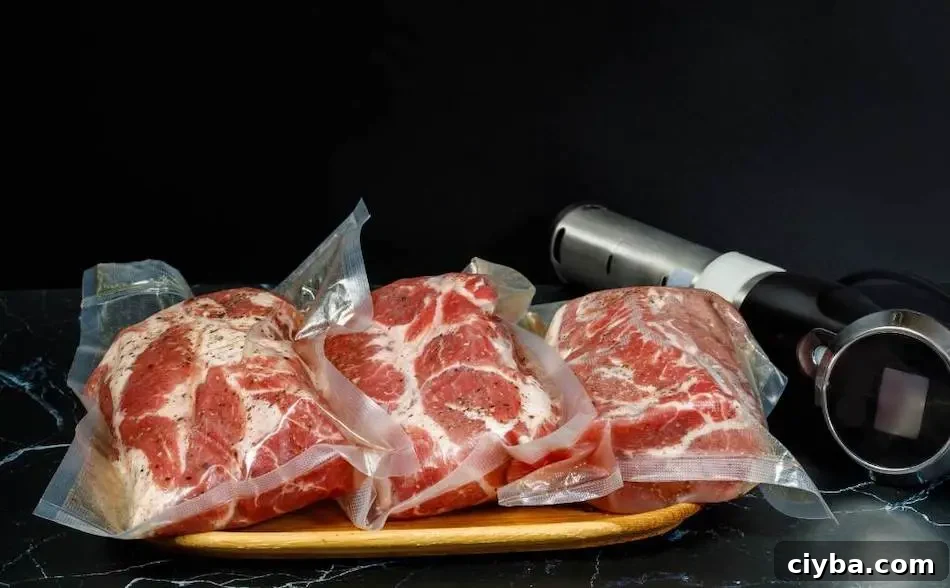
Temperatures in the 250–275°F range speed the cook while still allowing sufficient time for collagen to soften. A 10-pound butt may finish near 11 hours, while a 6-pound piece can finish in around 7 hours. These temps are especially useful for larger cuts when you want to shave hours off the schedule without dramatically impacting texture or smoke character.
Hot & Fast Pork Butt
Hot-and-fast cooks are popular for convenience. At higher temperatures you can finish a pork butt in 5–6 hours, but expect a different smoke intensity and a potentially firmer bite since collagen has less time to fully render. Choose this method when time is limited and you’re willing to trade some texture and smoke depth for speed.
Allow For Resting Time
Resting is essential. Let the pork butt rest at least an hour after cooking; longer is better. Resting redistributes juices and improves tenderness. To keep the meat warm, wrap it in foil and towels and place it in a dry cooler—this can hold temperature for several hours and gives you time to prepare sides or sauces.
Pork Butt Size
Butt size greatly influences timing. Typical butts range from 6 to 10 pounds. Larger butts require proportionally more time—often several hours more—so factor size into your plan and choose a cooking temperature that matches the time you have available.
How Wrapping Speeds The Cook
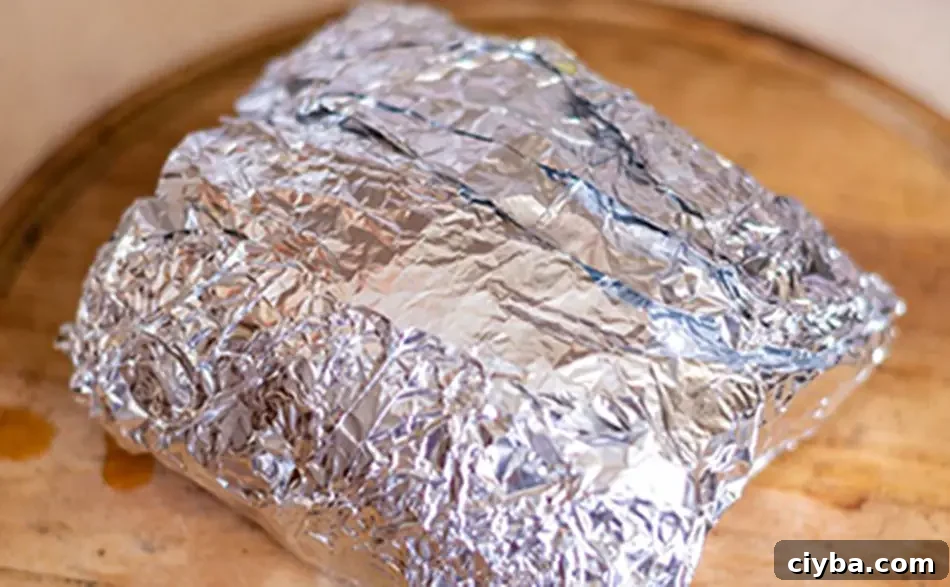
Wrapping in foil or butcher paper accelerates cooking by trapping heat and steam. Wrapped meat moves through the stall faster and usually reaches final tenderness sooner. Unwrapped butts take longer but develop a firmer, crisper bark; wrapped butts retain more moisture and finish faster.
Spritzing & Mopping Slows The Cook
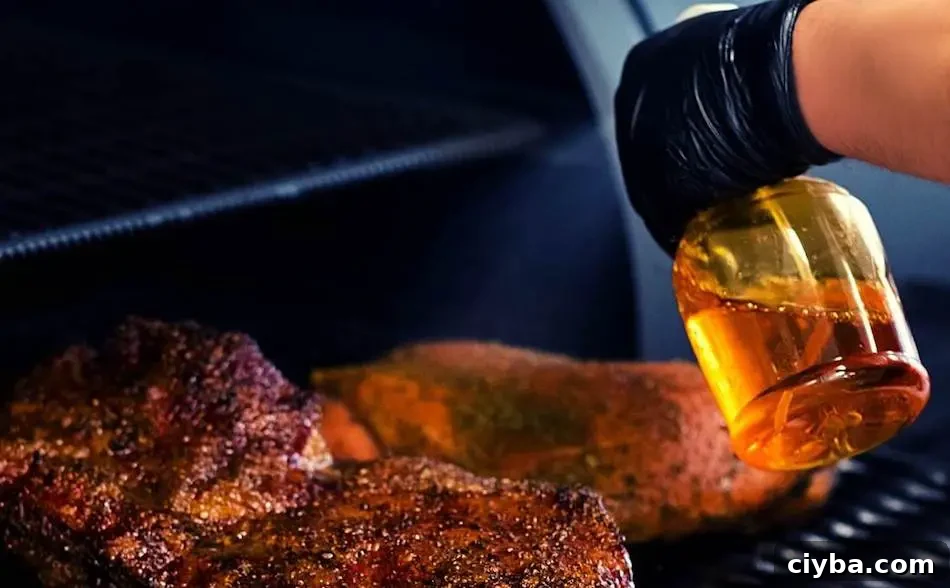
Spritzing adds flavor and helps bark formation, but each lid opening drops smoker temperature and extends total time. Best practice: leave the meat alone for the first 3–4 hours, then spritz every 30–40 minutes until wrapping to balance moisture and cook efficiency.
When To Spritz Pork Butt?
Start spritzing after 3–4 hours. Early in the cook, avoid frequent lid openings so the meat can absorb smoke and the smoker can maintain consistent heat. Once you begin, spritz at 30–40 minute intervals until you wrap the meat.
Other Factors That Will Slow Your Cook
A water pan stabilizes temperature and adds humidity but increases thermal mass, which can slow heating. Weather plays a major role: wind, rain, or cold will cool the smoker and add hours to the timeline. High humidity and altitude also alter cooking performance and should be considered when planning your cook.
Best Wood For Smoking Pork Butt
The most popular woods for pork butt are hickory, oak, and pecan for bold, savory smoke. Fruitwoods like apple and cherry provide a sweeter, milder smoke that complements pork nicely. Mesquite is strong and should be used sparingly or blended with milder woods. Experiment to find the flavor profile you prefer.