
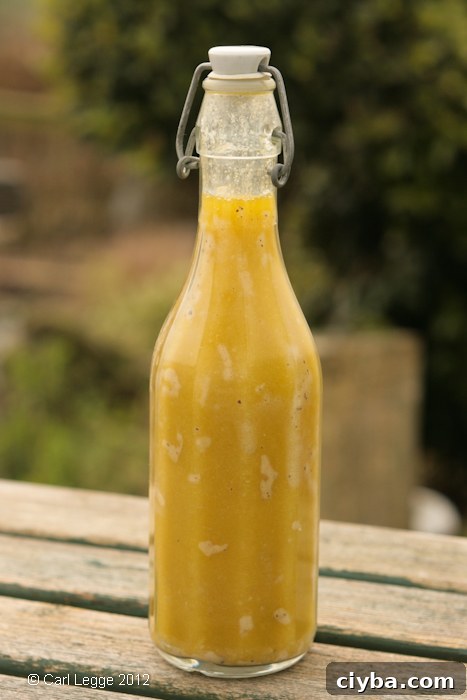
Writer and permaculture enthusiast Emma Cooper and her husband Pete visited us last year for a very pleasant lunch. The meal included roast chicken, roasted pumpkin sourdough and a foraged salad. Afterward Emma asked for the method I used for the dressing. It has taken a little time to write it up, but here is the basic vinaigrette I made that day.
 I am taking part in a 52 Week Salad Challenge, aiming to have home-grown or foraged salad every week of the year. Over the coming weeks I’ll share more dressings that work well with seasonal greens. A good dressing brings out the freshness of the salad and helps make the most of the harvest.
The name vinaigrette comes from the French for “sour wine” — vin aigre. At its heart a vinaigrette is simply an acidic component such as vinegar or citrus combined with oil so the flavour clings to the leaves. If you want the science behind it, read on; otherwise skip to the recipe below.
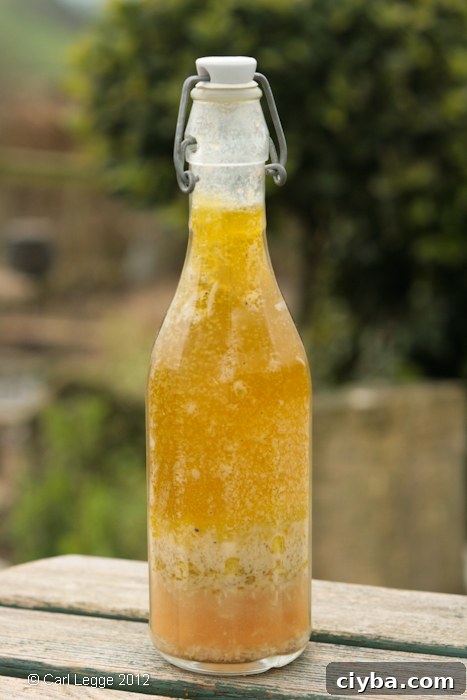
The practical idea is that vinegar or citrus juice flavours the ingredients and enhances their natural taste. Vinegar on its own is watery and won’t cling to leaves, while oil will coat dry leaves better. A vinaigrette is essentially a water-in-oil emulsion: small droplets of the acidic liquid suspended in oil so they stick to salad leaves. Shaking the mixture produces these fine droplets. Adding mustard, crushed garlic, or finely chopped herbs helps form and stabilise the emulsion so it lasts longer and resists separating.
Vinaigrette Recipe
The basic components are a vinegar or citrus juice and an oil. The quality and character of those ingredients will shape the final flavour, so it’s worth choosing them thoughtfully. Some people avoid strongly flavoured extra-virgin olive oil because it can dominate more delicate greens. Neutral oils such as sunflower or rapeseed (canola) work well if you want a lighter backdrop. Taste your oils straight or mix a teaspoon with vinegar to see how they pair with the salad you plan to use.
Different sources suggest various vinegar-to-oil ratios. I usually start with 1 part acid to 3 parts oil (1:3) and then adjust by taste. Other flavouring additions include fresh or dried herbs, crushed garlic, anchovies, and mustard. Choose the acid and flavourings to complement the salad ingredients—tarragon-infused white wine vinegar is excellent for salads served with fish or chicken, for example.
Ingredients
2 tablespoons vinegar (wine or cider, not malt)
6 tablespoons vegetable oil or olive oil
1 clove garlic, finely grated or mashed with a pinch of salt
1 teaspoon Dijon mustard (or another mustard you prefer)
Sea salt and freshly ground black pepper to taste
In the pictured bottle I used a basic olive oil and homemade apple cider vinegar. If you make larger batches, store extra in a sealed jar in the refrigerator and give it a good shake before using.
Method
Combine all ingredients in a screw-top jar or any container with a tight-fitting lid. Seal and shake vigorously until the mixture emulsifies and looks slightly thicker. Taste and adjust salt, pepper, or acid level, then shake again. The mustard and garlic help the dressing hold together, but if it separates in storage simply shake before use.
Dressing your salad
For the dressing to cling well, the salad leaves must be dry. After washing, drain leaves thoroughly, pat them with a clean tea towel, or spin them in a salad spinner. If you don’t have a spinner, place the leaves in a tea towel, gather the corners, and swing the bundle briskly to mimic the spinner action—best done outdoors or in a sink.
Place the salad in a bowl or on a plate and spoon or carefully tip a little dressing over the leaves. Toss gently with your hands or salad servers so each leaf gets a light coating. The aim is to dress, not drench. Add more dressing sparingly until all components are evenly coated.
This basic vinaigrette is flexible: scale quantities up or down, swap vinegars, try different oils, or add herbs and spices to suit the season. If you have favourite variations, feel free to share them in the comments.