Are you struggling to get your smoker up to and holding the target temperature? Consistent heat is the foundation of great barbecue, but many smokers—especially lightly insulated models—can be temperamental. This guide walks through practical, proven steps to help your smoker reach higher temperatures and stay there, with clear tips for setup, fuel selection, weather protection, and maintenance.
Start strong with a large, well-lit fire and good airflow. Use dry fuels, avoid unnecessary openings, and make small adjustments to retain heat when conditions are cold or windy. Insulating or upgrading your smoker and keeping the firebox clean will also improve temperature stability. Below are concise strategies and detailed explanations to help you maximize heat and control in your smoker.
Quick Tips To Make Your Smoker Hotter
| Tip | Description |
|---|---|
| Open the vents | Vents supply oxygen to the fire; open vents allow the fire to burn hotter. |
| Start with a big fire | More coals at startup provide the heat mass needed to bring the smoker up to temperature quickly. |
| Use dry, seasoned wood | Dry wood burns hotter and cleaner than wet or green wood. |
| Use a chimney starter | A chimney starter lights coals evenly and gives you a hot, ready bed of charcoal. |
| Use dry charcoal | Damp charcoal struggles to ignite and burns at a lower temperature. |
| Use lump charcoal | Lump charcoal typically burns hotter and responds faster to vent adjustments than briquettes. |
| Protect your smoker | Shield the smoker from wind and cold to reduce heat loss. |
| Use a fire starter | Fire starters speed ignition when conditions are damp or cold. |
| Add more fuel as needed | Top up charcoal or wood if the temp begins to fall. |
| Stop opening the lid | Every lid opening dumps heat—open only when necessary. |
| Limit spritzing | Frequent spritzing releases heat; do it sparingly. |
| Remove or manage the water pan | Water pans stabilize temps but can lower peak heat; use hot water if you must refill. |
| Don’t overload the smoker | Too much food absorbs heat and reduces internal temperature. |
| Use a dual-probe thermometer | Remote probes reduce the need to open the smoker to check meat and chamber temps. |
| Clear ash regularly | Excess ash chokes airflow—clean the fire basket before each cook. |
| Insulate in cold weather | Thermal jackets or DIY windbreaks help retain heat in cold conditions. |
| Invest in a better smoker | Well-sealed, insulated designs retain heat far better than cheap, thin-steel units. |
| Add thermal mass | A brick or other heat-absorbing item inside can smooth temperature swings. |
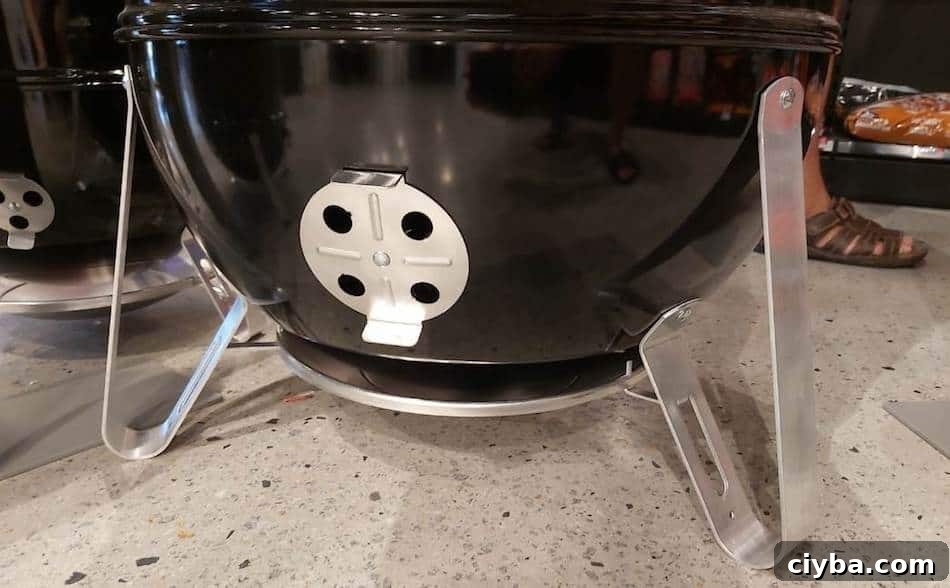
1. Open the vents to increase airflow
Vents control oxygen to the fire. Restricted vents starve the coals and limit heat; fully open vents increase oxygen flow and let the fire burn hotter. Once the smoker reaches the desired range, adjust vents gradually to fine-tune temperature without cutting airflow too abruptly.
2. Start with a big fire
A robust initial bed of coals creates the heat mass needed to warm the smoker and cooking grates. Small fires struggle to bring the chamber up to temperature and can prolong cook times or cause uneven cooking. Build a larger fire at startup, then regulate airflow to maintain the set point.
3. Use dry seasoned wood
Wood with low moisture content burns hotter and cleaner. Wet or green wood produces excess smoke and low heat, which can suppress internal temperature and impart bitter flavors. Store wood in a dry place and use properly seasoned pieces for best results.
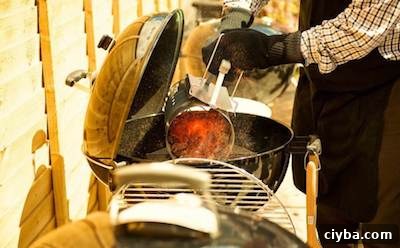
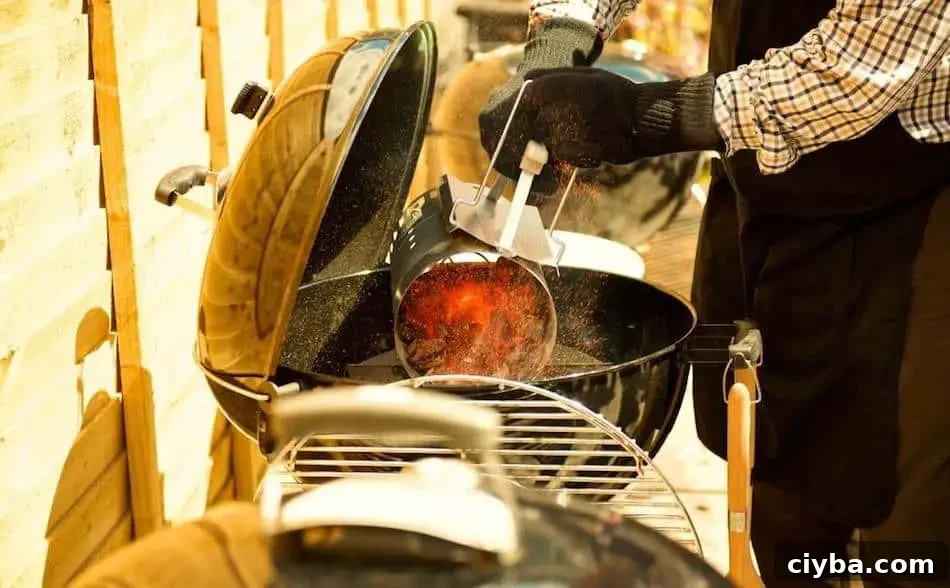
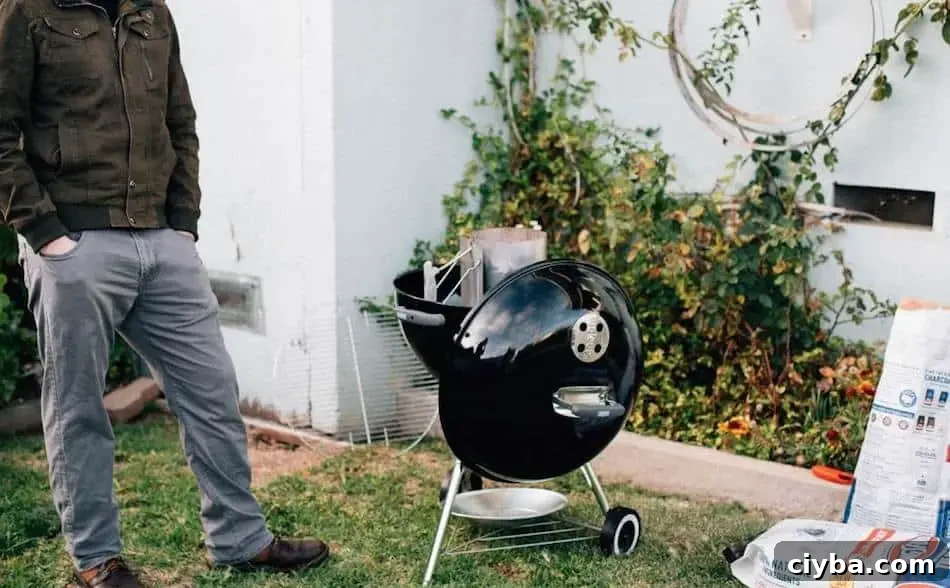
4. Use a charcoal starter
A chimney or charcoal starter ignites coals evenly and quickly. Lighting coals in a starter before adding them to the fire basket reduces cold spots and helps the smoker reach cooking temperature faster and more predictably.
5. Use dry charcoal
Keep charcoal sealed and dry. Damp briquettes or lump charcoal will not achieve optimal burn temperatures and can leave you struggling to maintain heat.
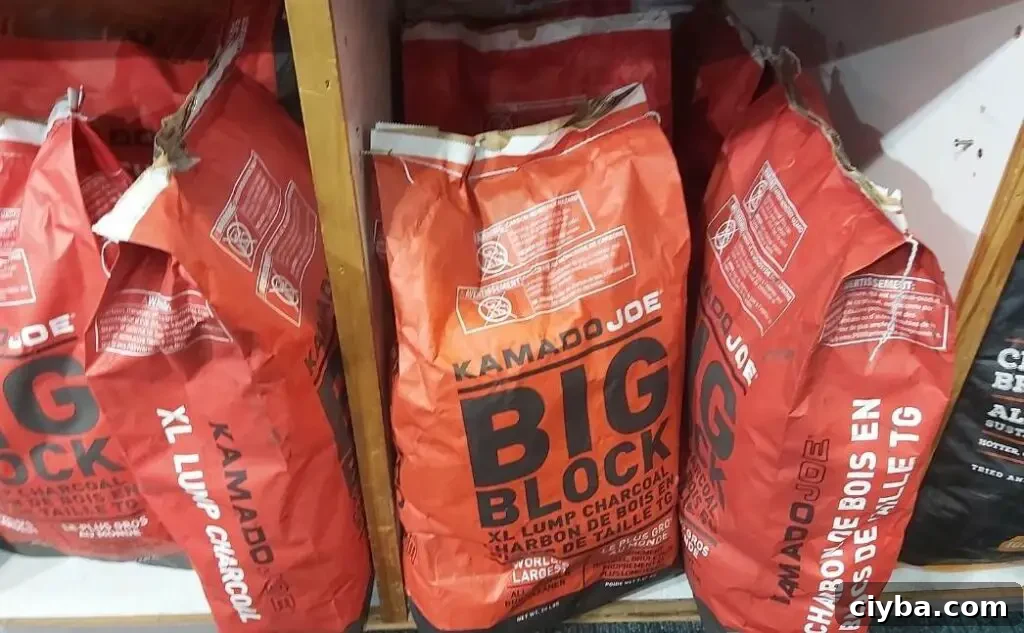
6. Using lump charcoal
Lump charcoal, made from hardwood, often burns hotter and responds faster to vent changes than briquettes. It’s a good choice when you need higher temps or faster recovery after opening the lid.
7. Keep your smoker protected from weather
Wind and cold sap heat quickly. Position your smoker in a sheltered spot, build a windbreak, or use a thermal jacket for the unit to reduce heat loss and stabilize cooking conditions.
8. Use fire starters to light your smoker
Fire starters help achieve reliable ignition in adverse conditions. They are particularly useful on damp or chilly days when getting coals fully lit can take longer than usual.
9. Add more charcoal if the temperature drops
Monitor chamber temperature and add fuel before the fire goes too low. Adding pre-heated coals or a few dry logs can restore heat quickly without major disruption to the cook.
10. Stop opening the lid of your smoker
Limit lid openings to avoid heat loss. Use remote or dual-probe thermometers to monitor meat and chamber temperature so you don’t need to open the smoker frequently.
11. Don’t spritz too often
Spritzing adds moisture and can help flavor, but every opening releases heat. Spritz sparingly and close the lid quickly to minimize drops in temperature.
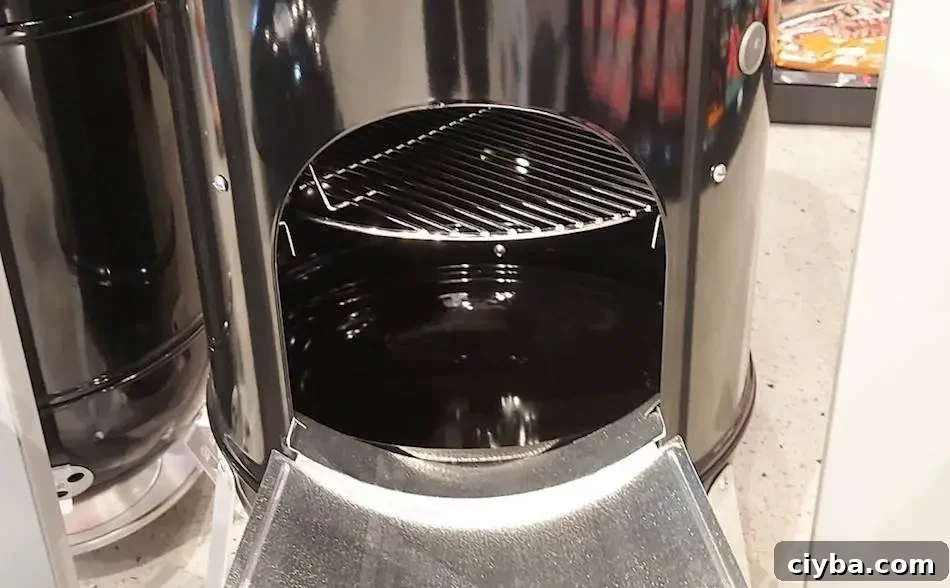
12. Remove or manage the water pan
Water pans stabilize humidity but can reduce peak temperatures. If maximum heat is the goal, remove the pan. If you need humidity, refill with hot water to avoid cooling the chamber when topping up.
13. Use hot water to refill the water pan
Hot water helps maintain chamber temperature when refilling the water pan. Cold water will temporarily lower internal temperature and slow recovery.
14. Don’t overload the smoker
Too much food absorbs heat and blocks circulation. Load with enough space for air to move around pieces so heat distribution remains even.
15. Remove ash from the charcoal basket
Ash buildup chokes airflow and starves the fire. Regular cleaning of the fire basket ensures consistent oxygen flow and better combustion.
16. Use a thermometer to monitor your smoker
A reliable dual-probe thermometer lets you watch both meat and chamber temperatures without lifting the lid. This reduces heat loss and helps you make precise adjustments to vents and fuel.
17. Don’t buy cheaply made, poorly sealed smokers
Low-quality smokers with thin metal and poor seals leak heat and struggle to hold steady temperatures. Investing in a better-built unit saves frustration and improves results.
18. Buy a well-insulated smoker
Smokers designed with insulation retain heat more effectively. If you frequently cook in cold or windy conditions, prioritize insulation and tight seals when choosing a smoker.
19. Add a brick to absorb heat
A clean, fire-safe brick placed in the firebox or on a lower grate acts as thermal mass, absorbing heat and reducing temperature swings during the cook.
20. Clean the fire basket to increase airflow
Regularly remove ash and debris from the fire basket. Good airflow is essential for efficient combustion and steady temperatures.
Recommended tools and accessories
Useful tools include a reliable dual-probe meat thermometer, an accurate instant-read thermometer, a chimney starter, quality lump charcoal or seasoned hardwood, and a sturdy fire poker or ash tool. These items help you light fuel faster, monitor temperatures remotely, and maintain clean airflow for consistent cooking.
Following these tips will help you reach and hold higher temperatures in your smoker, shorten recovery times after opening the lid, and produce more consistent, delicious results. Focus on good fuel, proper airflow, weather protection, and routine maintenance to get the most from every smoke session.