
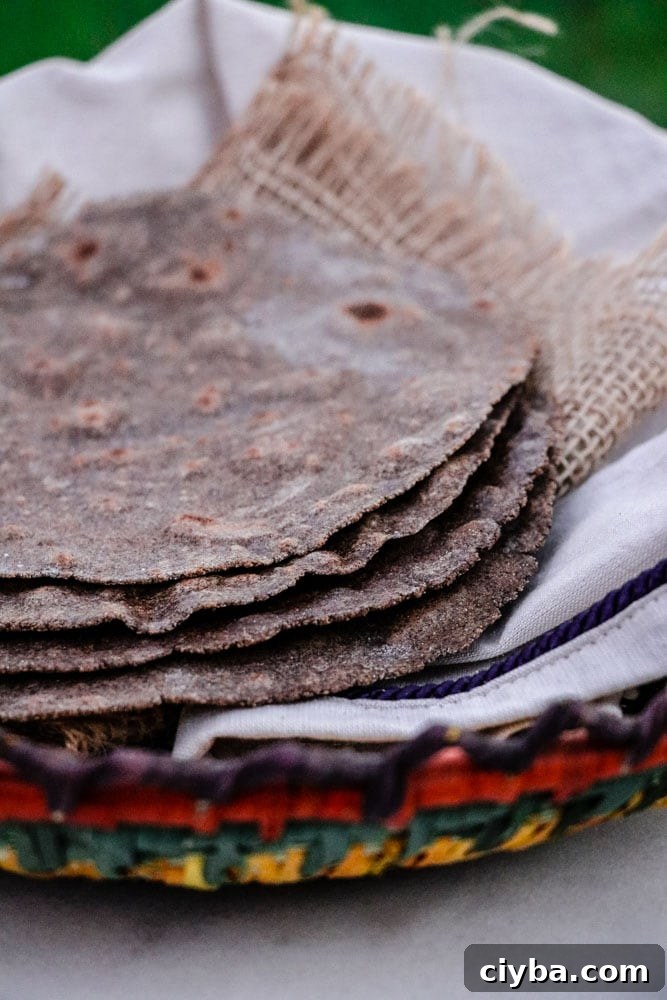
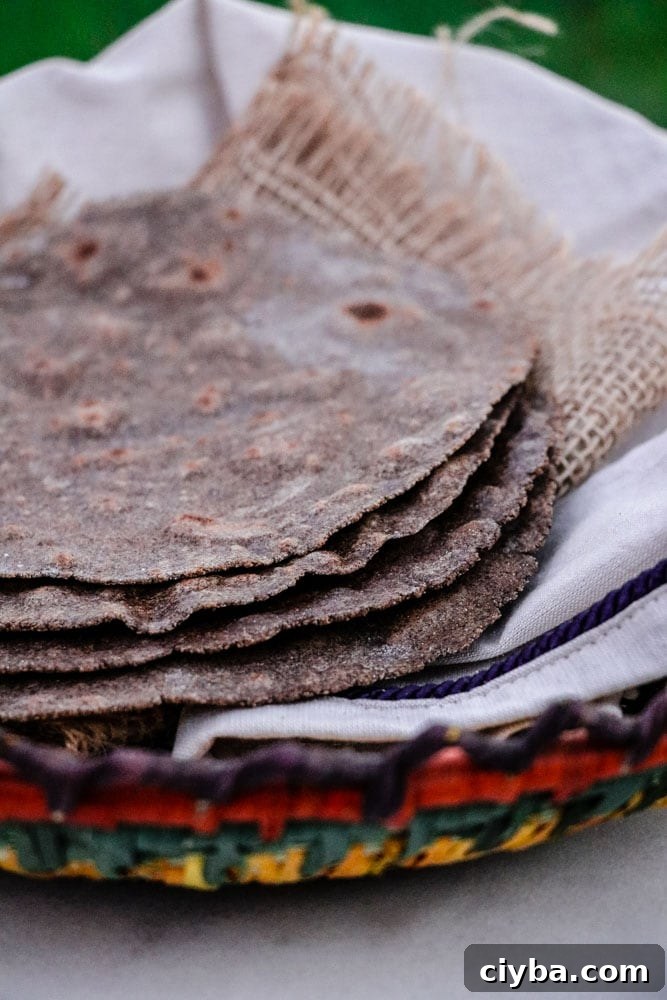
Buckwheat flour rotis (known as kuttu ki roti in Hindi/Urdu) are nutritious, naturally gluten-free, and surprisingly flexible. Their robust, earthy flavor pairs well with many Indian and South Asian curries, yet they also taste lovely on their own with jam, honey, or a smear of butter. These rotis are easy to prepare and require only a few ingredients.
“Thank you. This recipe was amazing. I’m GF and my hubby is off white carbs. Will definitely make these again.”
Theo
Buckwheat Roti
Roti, also called chapati, is an unleavened flatbread central to South Asian home cooking. While restaurant meals often feature naan as the accompanying bread for special dishes, rotis are the everyday staple eaten at home to scoop up curries and vegetables. Traditional rotis are made from whole wheat flour (atta) and cooked on a hot griddle (tava), sometimes finished over direct flame so they puff. Buckwheat rotis recreate that comforting routine without gluten and with a distinct flavor.
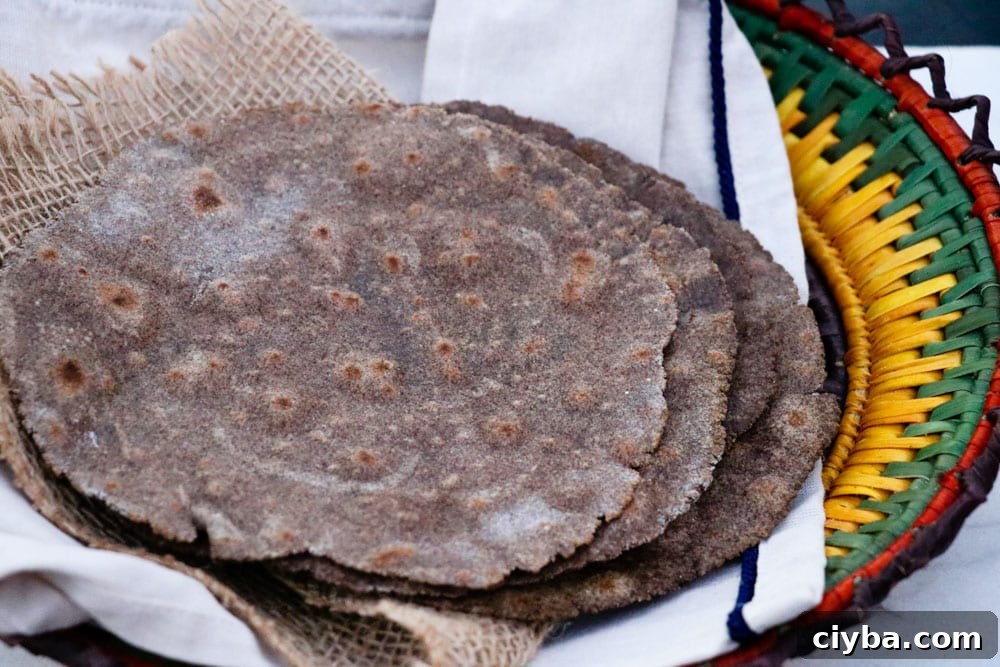
Buckwheat (Kuttu) Flour
Buckwheat is not actually a wheat but a seed used like a grain; its flour is nutrient-dense and often easier to handle than many other gluten-free flours. Buckwheat rotis are pliable if made correctly and bring a nutty, hearty taste that complements tomato-based, spiced, or smoky curries. They also work well rolled up as wraps or served simply with sweet spreads. Expect a different texture and shape than wheat rotis—these need gentler handling, but they are very satisfying.
Tips for making buckwheat rotis
- Measure the liquid carefully. Different brands of buckwheat flour absorb liquid differently. Add warm water or milk gradually until the dough holds together without becoming sticky.
- Gluten-containing atta is more forgiving when rolling and shaping; buckwheat lacks that elasticity, so don’t worry about perfectly round rotis. Aim for even thickness rather than perfect circles.
- Resting the dough can help with workability, but it’s not essential. If you prefer, let the dough rest 10–20 minutes covered to allow the flour to hydrate fully.
More gluten-free flatbread recipes
- Gluten-free cassava and sorghum roti
- Quinoa flour roti
- 30-minute no-yeast egg-free naan
Gluten-Free Buckwheat Flour Roti
Ingredients
- 1 cup buckwheat flour
- 1/2 cup warm water or milk, or less as needed
- 1/8 tsp salt (optional)
- Oil or butter, for brushing
- Rice flour or another gluten-free flour, for dusting the work surface
Instructions
- Combine the buckwheat flour and salt in a medium bowl. Add the warm water or milk a little at a time, mixing with your hands until the liquid is fully absorbed. Work the mixture into a soft, cohesive dough. It should be smooth and slightly elastic but not sticky. There is no need to knead extensively.
- Heat a tava, griddle, or a non-stick (preferably cast-iron) skillet over medium heat. You may need to reduce the heat slightly once you start cooking to avoid burning.
- Lightly dust your work surface with rice flour or another gluten-free flour. Divide the dough into small balls slightly larger than a golf ball. Using a rolling pin, roll each ball into a circle roughly 6 inches in diameter. Expect some irregular edges; aim for even thickness.
- Carefully transfer a rolled roti to the hot skillet. Cook for about 30 seconds, then flip. Brush the cooked side lightly with oil or butter. Cook another 15–20 seconds, then flip again and press gently with a spatula to encourage even cooking. Repeat flipping and brushing as needed until the roti is cooked through and has a few golden spots. If you have a gas stove, you can briefly finish the roti over direct flame to encourage puffing, but this step is optional.
- Keep cooked rotis wrapped in a clean kitchen towel to stay warm and soft. Serve immediately with curries, chutneys, or your favorite spreads.