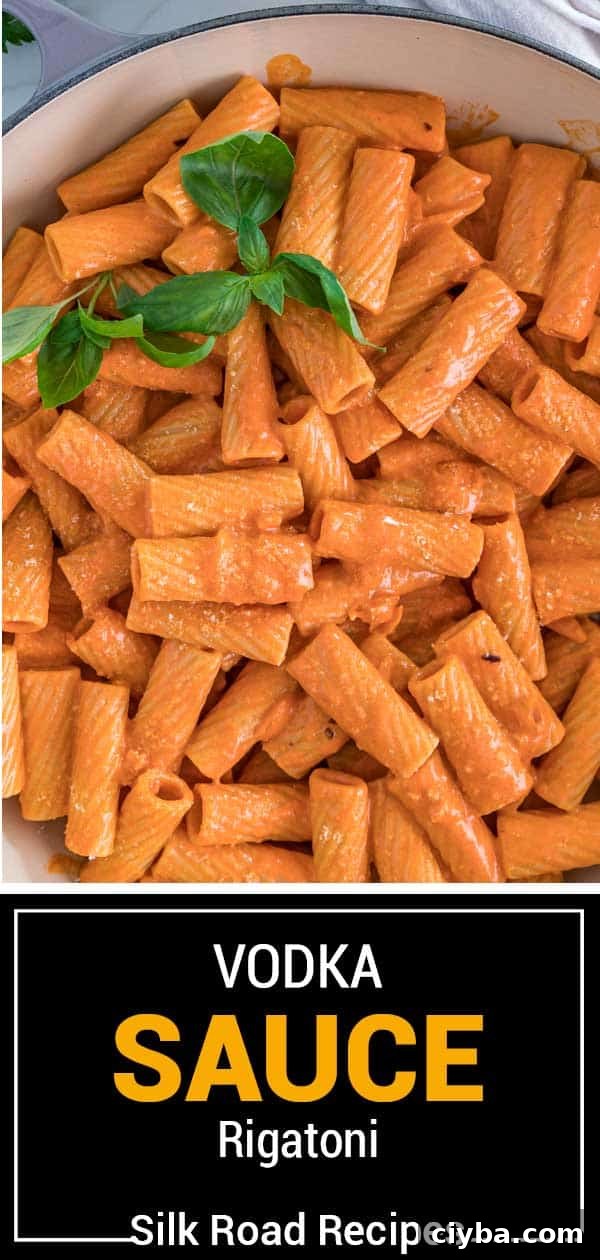
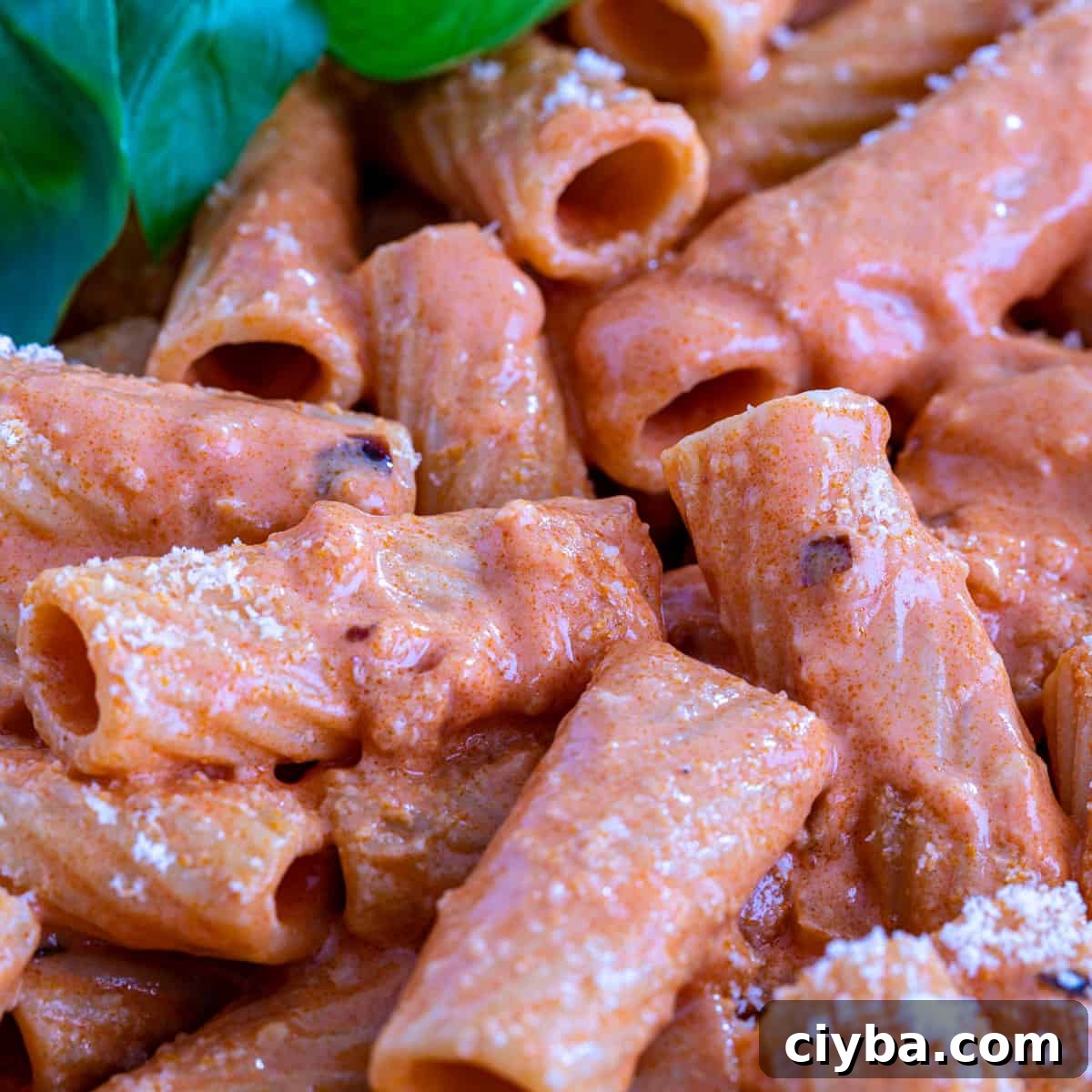
This vodka sauce recipe elevates creamy tomato sauce with bright basil, ripe tomatoes, a touch of red pepper flakes, and a surprising lift from vodka. It’s simple to make and perfect for pasta or baked Italian dishes.
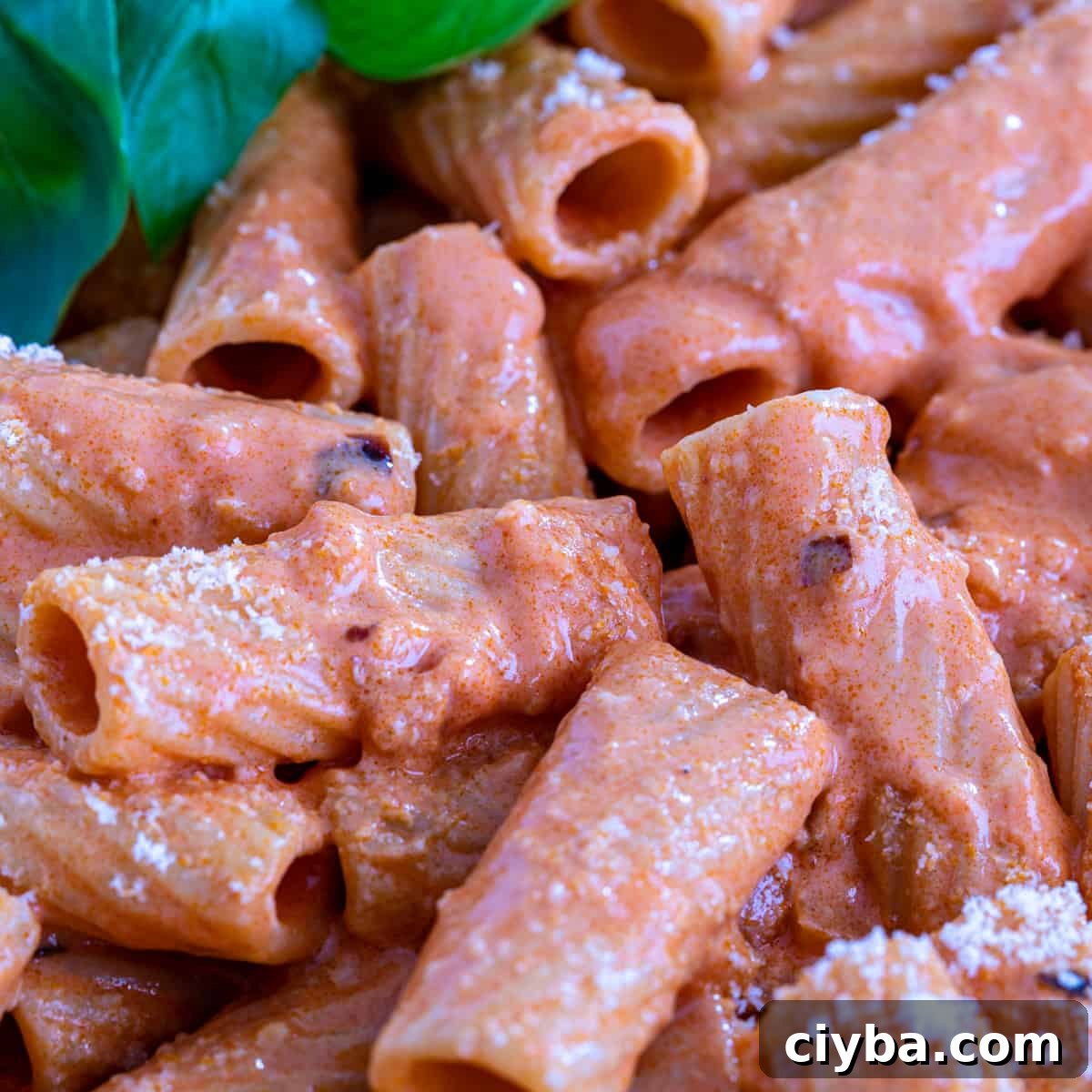
Vodka might seem like an odd ingredient, but it offers real benefits in the kitchen. Besides helping pie dough become flakier, vodka unlocks and intensifies flavors in tomato-based sauces. It doesn’t make the sauce taste alcoholic; instead it rounds acidity and highlights the aromatics of tomatoes and herbs.
The alcohol in the vodka acts like a flavor bridge, amplifying the scent and taste of the sauce so simple ingredients feel more complex and balanced. The result is a silky, slightly spicy sauce that pairs beautifully with many Italian staples. Use it anywhere you’d normally use a rich marinara or ragu.
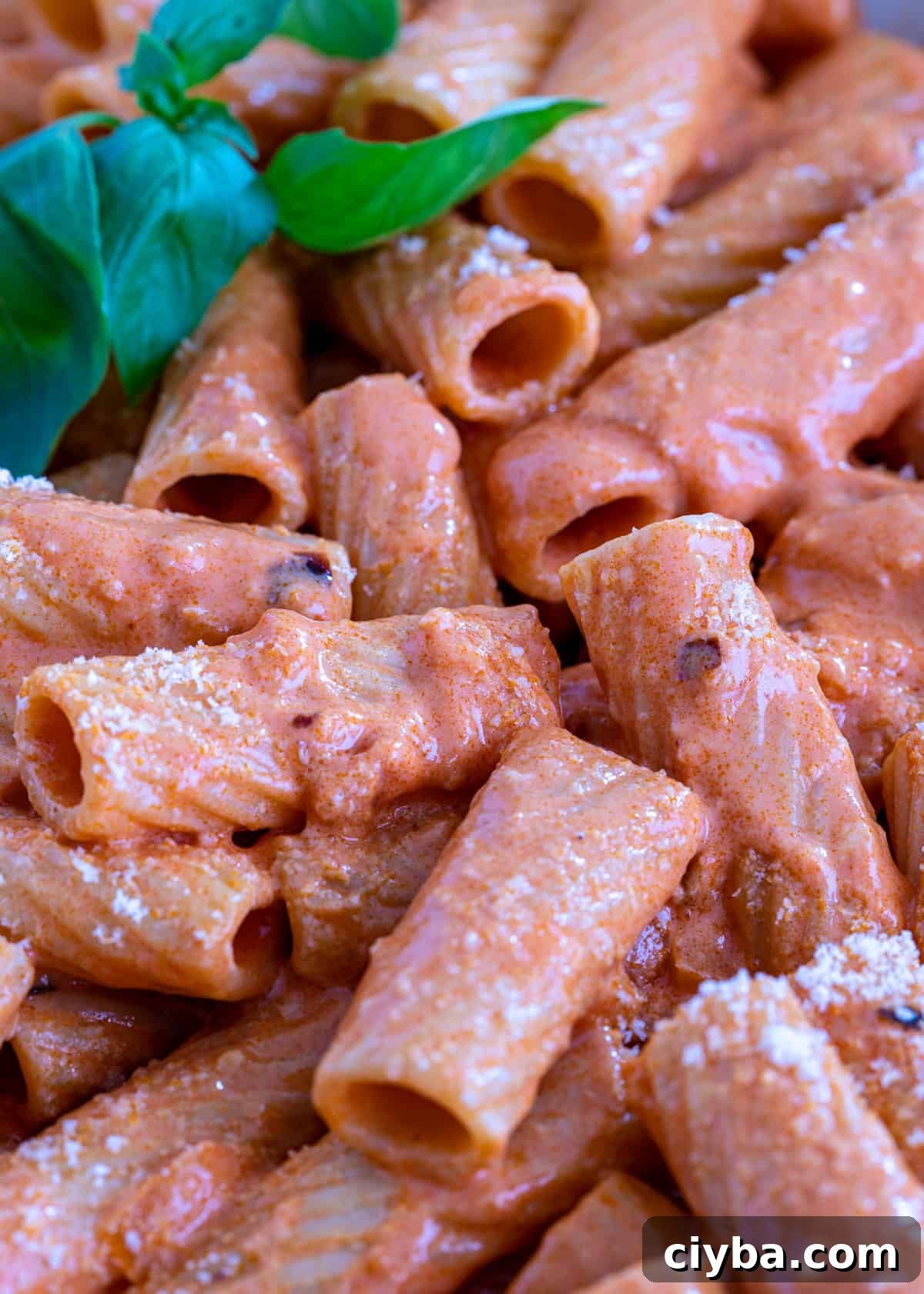
Table of Contents
- Ingredient Notes and Substitutions
- What does vodka do to pasta sauce?
- How to Make Vodka Sauce
- Recommended Tools
- Storing and Reheating
- Frequently Asked Questions
- Pasta with Vodka Sauce Recipe
This versatile sauce works as an alternative to classic marinara or ragu and is excellent with baked ziti, chicken parmesan, or pasta topped with Italian sausage.
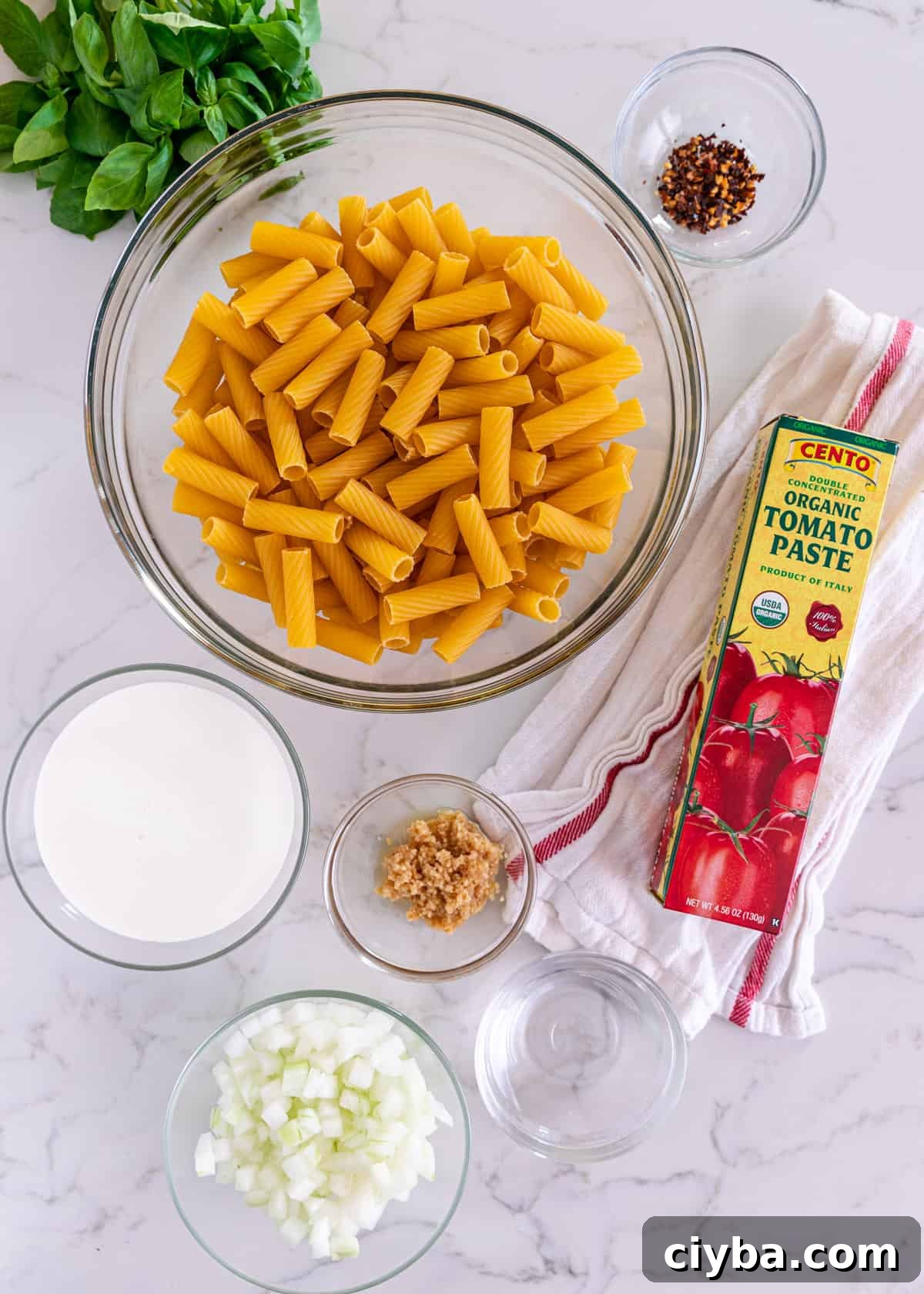
Ingredient Notes and Substitutions
- Pasta – Any shape works, though rigatoni or penne are ideal because they catch the sauce. Cook the pasta first and reserve one cup of the cooking water for the sauce.
- Vodka – Use a decent mid-range bottle; you don’t need premium vodka but avoid very low-quality brands that taste harsh.
- Tomato Paste – Tubed, double-concentrated tomato paste is preferred for brighter, fresher flavor and easier measuring.
- Heavy Cream – Heavy cream makes the sauce rich and silky. For a dairy-free option, unsweetened full-fat coconut milk gives a similar texture.
- Red Pepper Flakes – Adjust to taste for heat.
- Basil – Fresh basil is best. You can also use parsley, oregano, or thyme as alternatives or in combination.
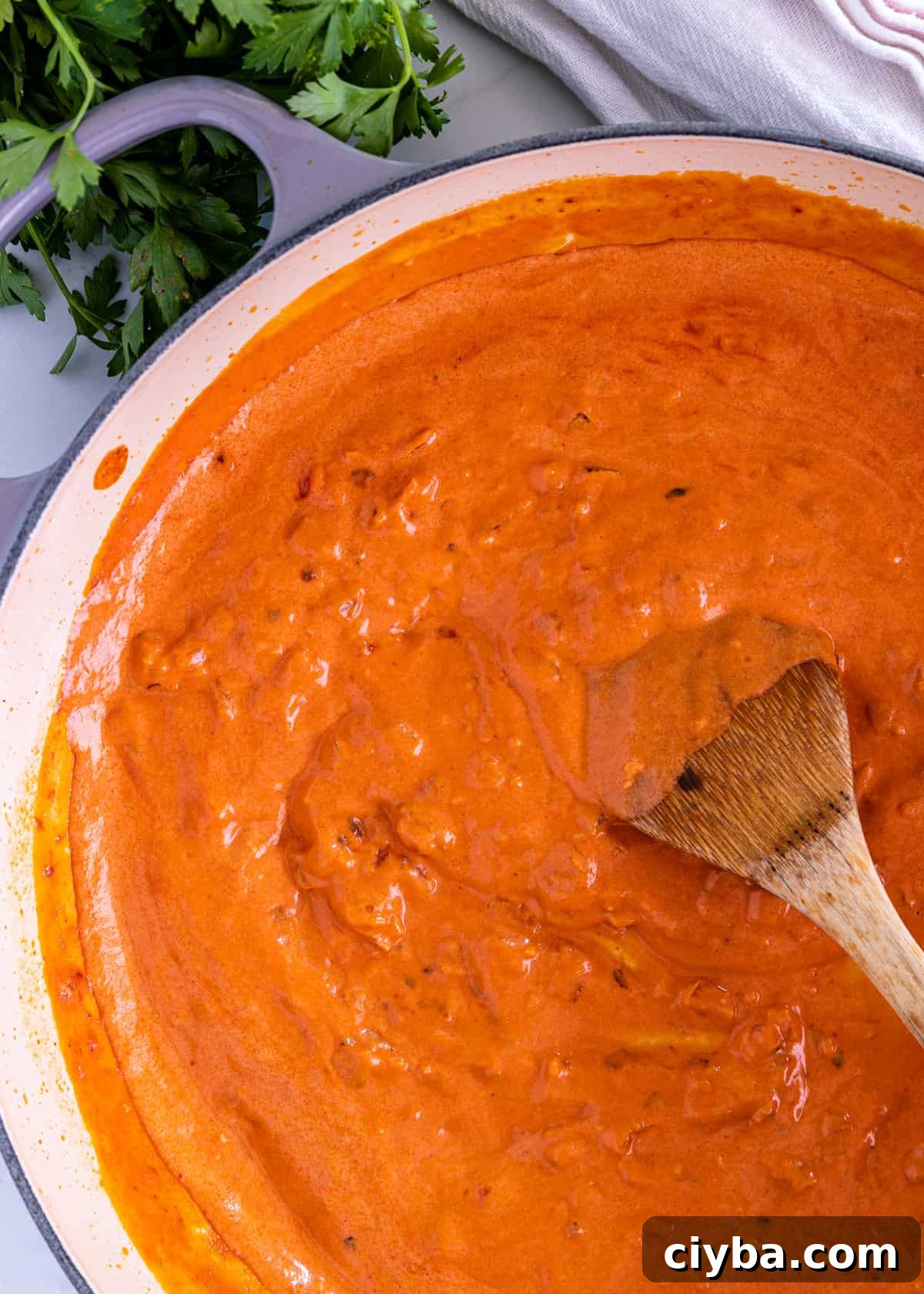
Tip From Kevin
What does vodka do to pasta sauce?
Vodka enhances pasta sauce by smoothing tomato acidity and unlocking flavor compounds that are less noticeable without alcohol. It blends and elevates aromatics, making the sauce taste rounder and more balanced.
Vodka sauce has roots in Italy and became widely popular in the mid-20th century. The classic combination of tomatoes, cream, vodka, and herbs creates a creamy, flavorful sauce that’s both simple and impressive.
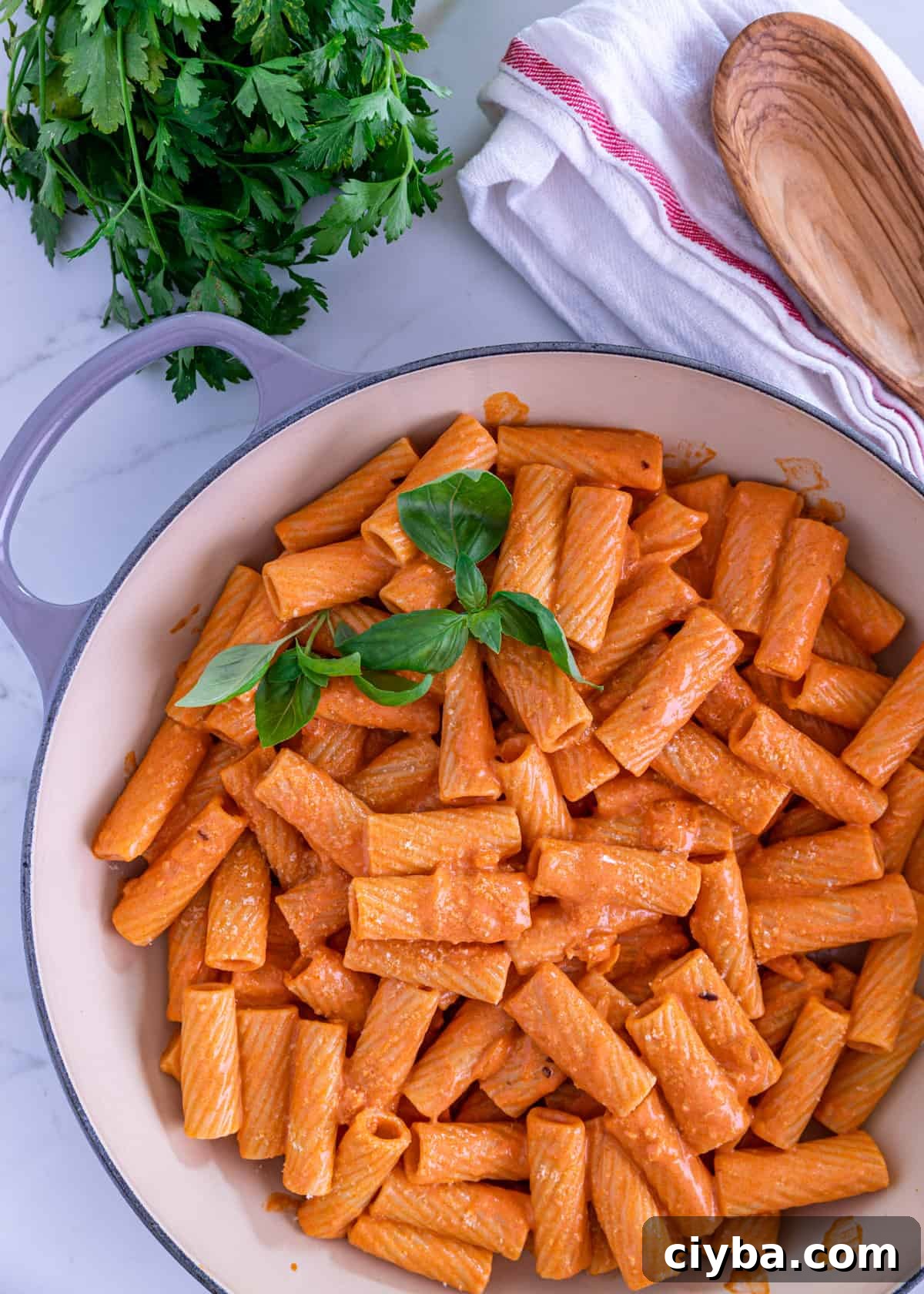
How to Make Vodka Sauce
- Prepare the pasta. Bring a large pot of heavily salted water to a boil and cook the pasta until al dente (about 11 minutes). Reserve 1 cup of the pasta water before draining.
- Sauté the aromatics. Heat olive oil over medium heat. Cook diced onion for about 5 minutes, then add minced garlic, salt, and red pepper flakes and cook another 2 minutes.
- Build the sauce. Stir in the tomato paste, scraping up browned bits from the pan, and simmer for 5 minutes. Pour in the vodka while stirring, then add the heavy cream and stir until the sauce becomes smooth and brightly colored.
- Combine with pasta. Return the drained pasta to the pot with the reserved pasta water. Add the sauce and stir to coat. Simmer a few minutes until the sauce thickens and becomes glossy and emulsified.
- Garnish and serve. Plate the pasta, top with fresh basil leaves, and add freshly grated Parmesan if desired. Serve immediately.
Recommended Tools
- Large pot – A roomy stainless steel pot makes boiling and mixing pasta easier.
- Cheese grater – Freshly grated parmesan melts better and tastes superior to pre-shredded cheeses.
Storing and Reheating
Store leftover sauce or sauced pasta in the refrigerator for up to five days. The flavors often improve after a day or two, making this sauce great for meal prep. To reheat, warm gently on the stovetop until heated through; this preserves the sauce’s texture better than microwaving.
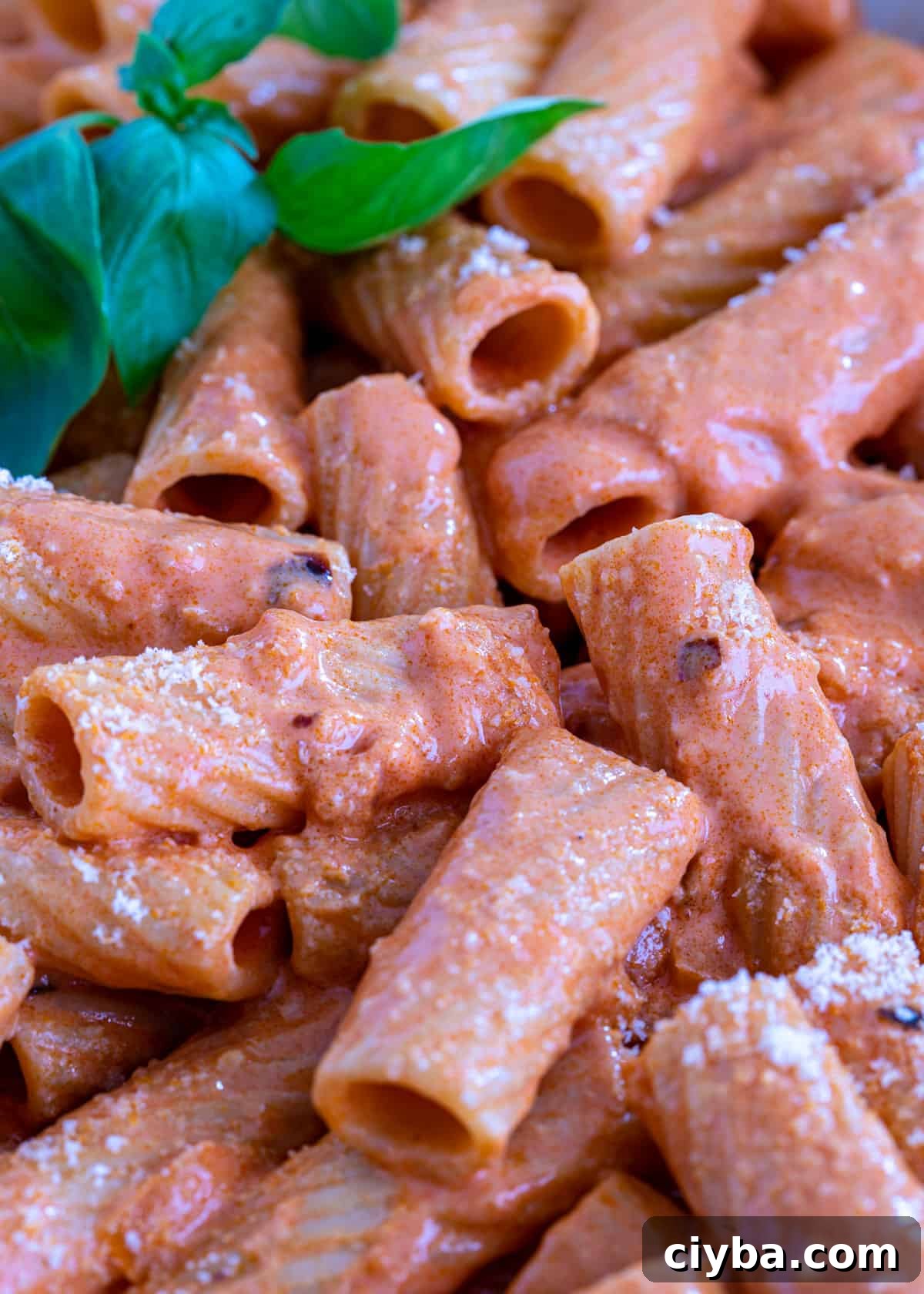
Frequently Asked Questions
Vodka sauce pairs well with a wide range of meats—beef, pork, lamb, chicken, and seafood all work nicely. Beef, such as meatballs or a roast, is a favorite pairing, but you can use whichever protein you prefer.
Yes. Cool the sauce, transfer it to a freezer bag, remove excess air, and freeze for up to three months. Thaw in the refrigerator overnight before reheating. Do not refreeze after thawing.
Tubed or ridged pastas like penne or rigatoni are ideal because they trap the sauce. Shells, ziti, farfalle, or linguine also work—choose your favorite.
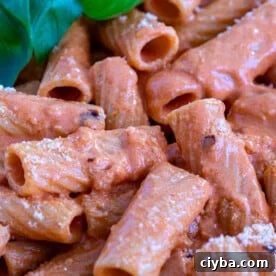
Pasta with Vodka Sauce
Ingredients
- 16 oz rigatoni or penne
- 2 tbsp olive oil
- 1 yellow onion, diced (about 1 1/2 cups)
- 4 cloves garlic, minced
- 4.5 oz tomato paste
- 2 oz vodka
- 1 cup heavy cream
- 1/2 tsp red pepper flakes
- salt, to taste
- fresh basil, for garnish
- freshly grated Parmesan, optional
Instructions
- Bring a large pot of heavily salted water to a boil. Cook the pasta for about 11 minutes until al dente. Reserve 1 cup of pasta water, then drain the pasta.
- Heat olive oil in a skillet over medium heat and sauté the diced onion for about 5 minutes. Add the minced garlic, a pinch of salt, and red pepper flakes; cook for another 2 minutes.
- Stir in the tomato paste and cook for 5 minutes, scraping up any browned bits. Pour in the vodka while stirring, then add the heavy cream and stir until the sauce is smooth and bright orange. Taste and season with salt as needed.
- Return the drained pasta to the large pot with the reserved cup of pasta water. Add the vodka sauce and toss to coat. Simmer a few minutes until the sauce thickens and becomes glossy and emulsified.
- Serve immediately garnished with fresh basil and freshly grated Parmesan, if desired.
Notes
- Use double-concentrated tomato paste from a tube for a brighter, fresher flavor compared with canned paste.
Nutrition
The nutrition information is an estimate from an online calculator and should not replace professional advice.