Creative ways to add protein to a gluten-free, plant-based diet help you stay nourished, satisfied, and energized. A frequent question is: Am I getting enough protein? With wheat-based products, seitan, and many processed snacks off the menu, keeping meals balanced takes a little more planning. The good news is that plenty of whole-food, naturally gluten-free protein sources are delicious and easy to work into everyday meals. Below are practical options, ideas, and simple meal suggestions to keep protein high and stress low.
Gluten-Free Vegan Protein Sources and Simple Meal Ideas for Busy Days
In this guide we’ll cover reliable gluten-free vegan protein sources, quick meal combinations, and grab-and-go snacks that fit a busy schedule. Whether you’re new to plant-based, gluten-free eating or just want more variety, these ideas make it easy to get enough protein from whole foods.
Top Naturally Gluten-Free Plant-Based Protein Sources
As we age, protein needs can increase. Fortunately, a gluten-free vegan diet can meet those needs when it includes a mix of the following nutrient-dense sources:
- Legumes: Lentils, chickpeas, black beans, and kidney beans are staples that provide substantial protein and fiber.
- Gluten-free grains: Quinoa, buckwheat, millet, and amaranth supply protein as well as minerals and fiber.
- Soy foods: Tofu, tempeh, and edamame are versatile, complete proteins that work in many dishes.
- Nuts and seeds: Almonds, walnuts, hemp hearts, chia, and flaxseeds boost protein, healthy fats, and texture.
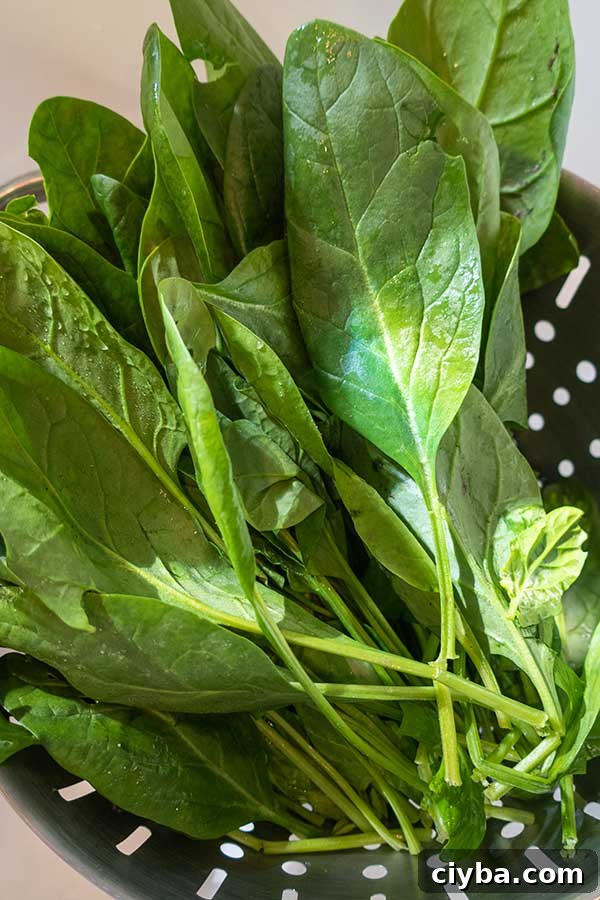
- Protein-rich vegetables: Spinach, broccoli, peas, and kale contribute meaningful protein for their calorie level and add volume to meals.
Top 10 High-Protein Vegetables (Excluding Legumes)
Per 100 grams — cooked unless noted
- Spinach – 5.3 g
- Kale – 4.3 g
- Artichokes – 3.3 g
- Mushrooms (raw varies by type) – about 2.2–3.3 g depending on variety
- Broccoli – 2.8 g
- Brussels sprouts – 2.6 g
- Asparagus – 2.4 g
- Mustard greens – 2.3 g
- Collard greens – 2.2 g
- Cauliflower – 1.9 g
Why Healthy Fats Matter on a Plant-Based Diet
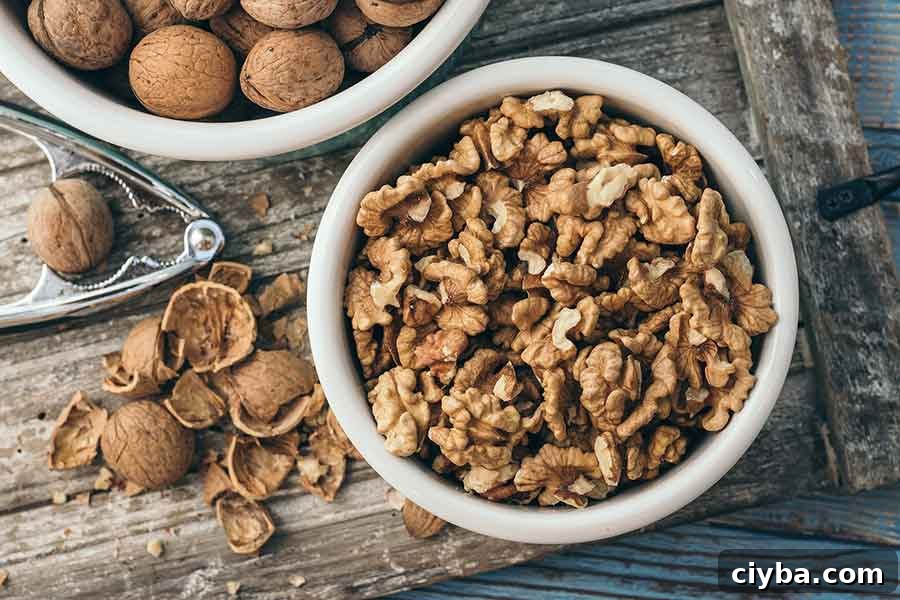
Healthy fats support essential body functions and make plant-based eating more satisfying. Key reasons to include them:
- Essential fatty acids — The body cannot make omega-3 and omega-6 fatty acids, so foods like flax, chia, and hemp seeds are important.
- Vitamin absorption — Fat-soluble vitamins A, D, E, and K require fat for proper absorption; including fats with leafy greens improves nutrient uptake.
- Hormone production — Dietary fats contribute to hormone synthesis and balance.
- Energy and satiety — Fats help meals keep you full longer, reducing constant snacking and cravings.
Healthy Plant-Based Fat Sources
| Food | Type of Healthy Fat | Bonus Nutrients |
| Avocados | Monounsaturated fats | Fiber, potassium, folate |
| Nuts (almonds, walnuts) | Mono & polyunsaturated fats | Vitamin E, protein |
| Seeds (chia, flax, hemp) | Omega-3 (ALA) | Fiber, magnesium, protein |
| Olives / Olive oil | Monounsaturated fats | Antioxidants |
| Tahini (sesame paste) | Monounsaturated fats | Calcium, iron |
| Coconut (in moderation) | Saturated fat (plant-based) | Lauric acid |
Creative High-Protein Gluten-Free Plant-Based Meal Ideas
How you combine foods matters. Pair protein sources with gluten-free grains, vegetables, and healthy fats for balanced, satisfying meals. Examples include:
- Breakfast: Quinoa porridge with almond butter and hemp seeds, or a tofu scramble loaded with vegetables.
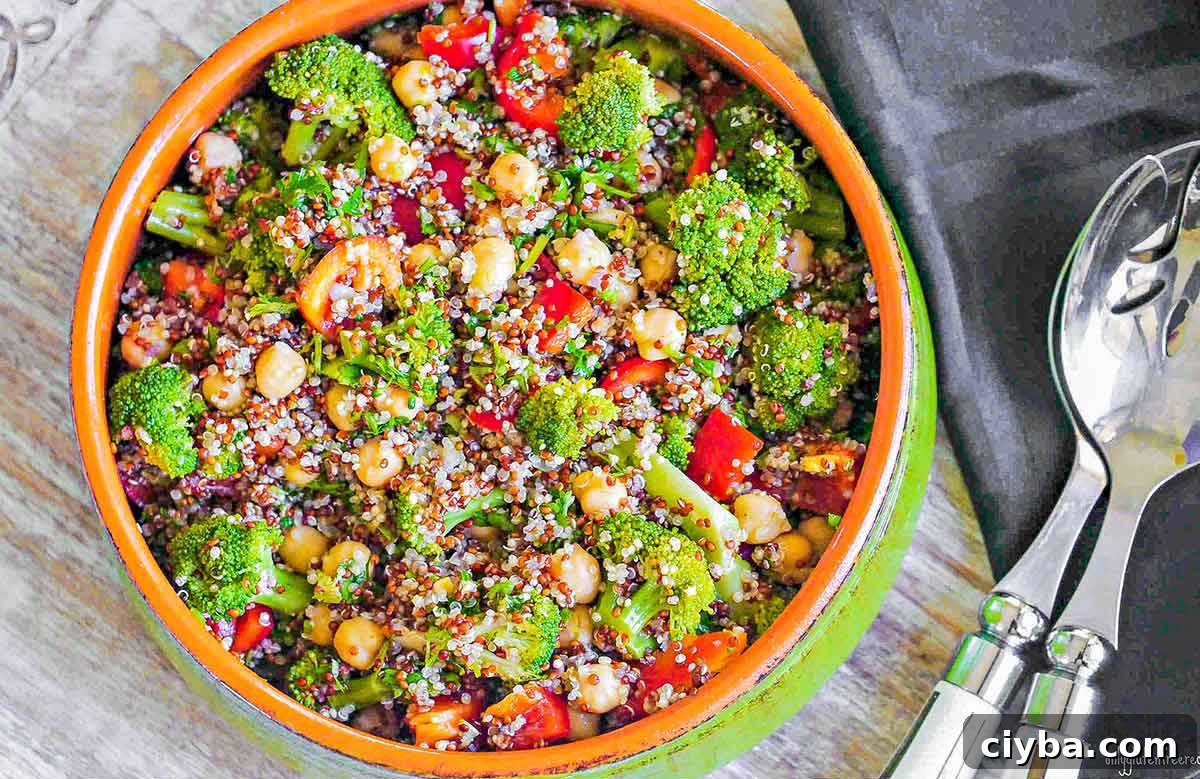
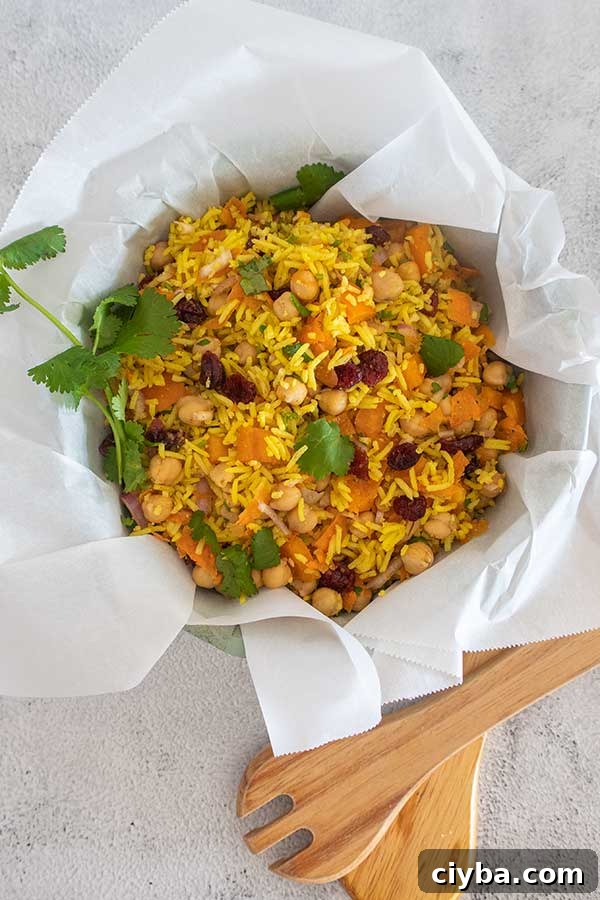
- Lunch: Lentil rice salad, a quinoa power bowl with roasted veggies and chickpeas, or chickpea rice salad wrapped in a gluten-free tortilla.
- Dinner: Crispy tofu with a ginger sauce and brown rice, or a hearty white bean and roasted vegetable salad served with gluten-free flatbread.
Gluten-Free Vegan Protein Snacks On the Go
Protein-rich snacks keep energy steady between meals. Portable options include:
- Roasted chickpeas
- Energy bites made with nuts, seeds, and dried fruit
- Steamed edamame pods
- No-bake seed and nut bars
Combining Plant Proteins for Complete Amino Acids (Gluten-Free)
Most plant foods don’t provide every essential amino acid on their own, but eating complementary proteins throughout the day creates a complete profile. Classic gluten-free pairings:
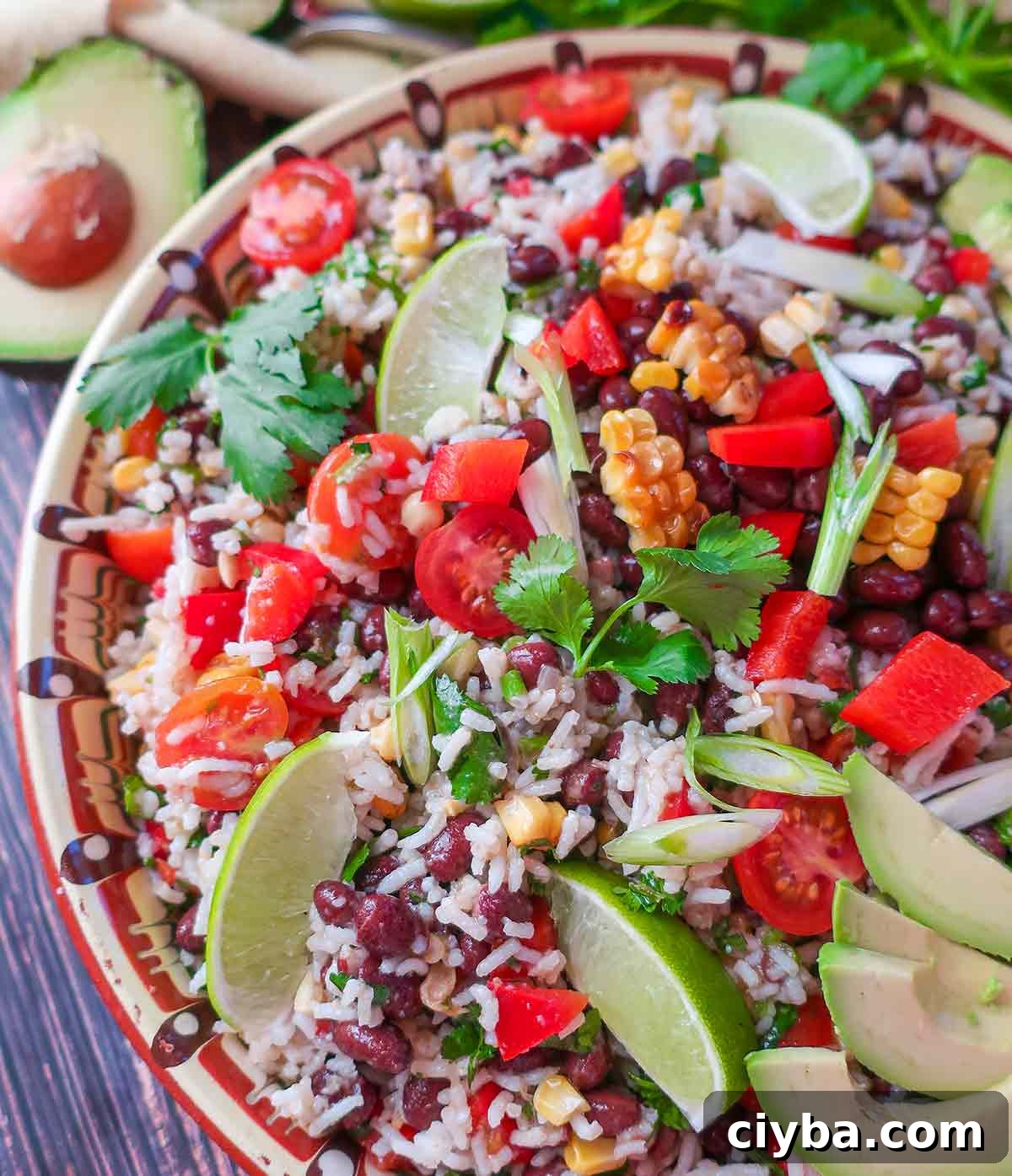
- Rice and beans
- Lentils with nuts or seeds
- Quinoa paired with legumes or vegetables
- Hummus with gluten-free pita or raw veggies and whole-grain sides
| Plant Protein 1 | Plant Protein 2 | Example Meal Idea |
|---|---|---|
| Rice | Beans | Rice & Beans Bowl with roasted vegetables and avocado |
| Lentils | Nuts or Seeds | Lentil salad with toasted almonds and a lemon-tahini dressing |
| Quinoa | Legumes | Quinoa and chickpea stew with greens |
| Hummus | Gluten-free pita or veggies | Hummus sandwich with avocado, tomato, and lettuce |
These combinations support muscle repair, steady energy, and overall health by ensuring a full range of amino acids across the day.
Gluten-Free Plant-Based Protein Powder Options
For convenience, gluten-free plant-based protein powders can be helpful. Look for powders made from peas, hemp, rice, or blended sources that are certified gluten free. They mix well into smoothies, oats, or baked goods. Always read the label to confirm gluten-free certification and avoid cross-contamination.
Sample Meal Plan: High-Protein Gluten-Free Vegan Day
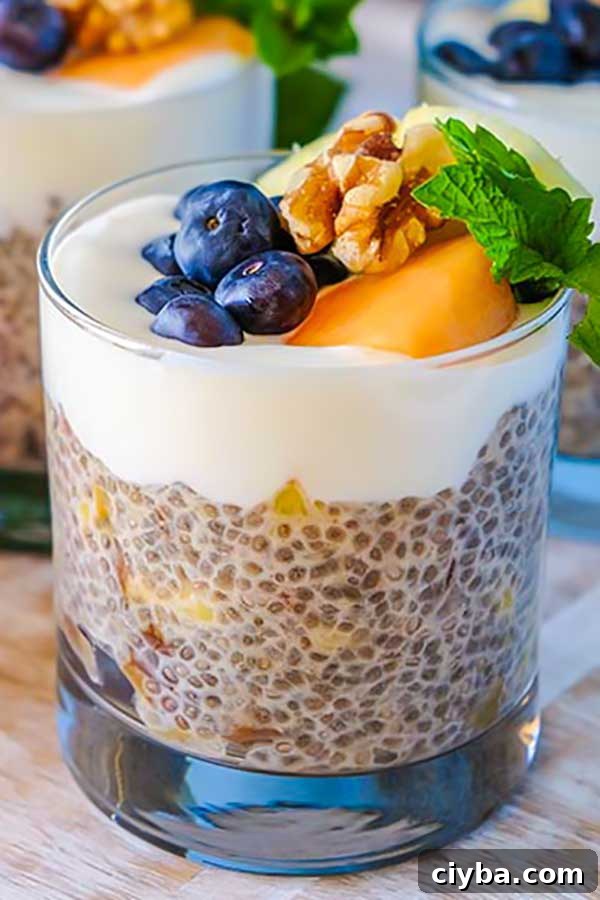
Meal planning makes it easier to meet protein goals while keeping meals interesting. A sample day might look like this:
- Breakfast: Overnight oats with flax and chia seeds and a spoonful of nut butter.
- Lunch: Broccoli and chickpea quinoa salad bowl with roasted vegetables.
- Snack: A handful of mixed nuts and fresh edamame.
- Dinner: Tofu stir-fry with broccoli and brown rice or quinoa; alternatively, a gluten-free, plant-based schnitzel served with a white bean and roasted pepper rice salad.
- Dessert: Chia pudding made with coconut milk and fresh berries.
Final Thoughts: Thriving on a Gluten-Free Plant-Based Diet
Getting enough protein on a gluten-free, plant-based diet is absolutely achievable and can be flavorful and satisfying. By focusing on whole foods like legumes, nuts, seeds, soy products, and gluten-free grains, you can assemble meals that support muscle health, energy, and long-term wellness.
Whether you batch-prep high-protein lunches, stock up on portable snacks, or keep a certified gluten-free protein powder on hand for busy mornings, there are many ways to make this style of eating practical and enjoyable. With a bit of creativity, a gluten-free plant-based diet becomes an empowering, nourishing way to eat.