When it comes to eating gluten-free and staying healthy, the best way to save money is to make food at home. Pre-made gluten-free products from stores are often expensive. Making more from scratch will reduce costs and give you control over ingredients.
If you’re aiming to eat healthy, gluten-free, and avoid overspending, you’ll need to prepare many foods from scratch.
Early on, I worried that eating gluten-free would be unaffordable. Store-bought gluten-free items can be pricey, and I remember considering buying regular bread just to save money despite the discomfort it caused. But you can eat gluten-free on a budget — I’ve done it and want to share what helped me.
If you’ve wondered whether you can afford a gluten-free diet, you can — and I’m rooting for you.
One of the biggest hurdles is the initial investment. When money is tight, buying extra equipment feels daunting. Still, spending a bit up front can save you a lot over time.
Start by preparing yourself mentally
Your health is worth the effort. Feeling better and feeding your family nourishing homemade meals is worth the time, energy, and occasional investment.
As a mom of a large family, most of my day centers around food. Because homemade meals are healthier and can be made gluten-free on a budget, I invest time in cooking and baking things I used to buy. At first it felt overwhelming — I remember crying over having to make sauces and bread — but learning to make these items saved money and eliminated hidden ingredients.
Making the switch takes time and patience. The first steps can be hard, but the payoff — better health, skill, and confidence in the kitchen — is worth it.
The tools of the trade
Disclaimer: This post contains affiliate links. I may earn a small commission if you make a purchase, but you will not be charged extra. I only recommend products I use or trust.
These kitchen essentials will help you save money and make gluten-free cooking practical and efficient.
1. Kitchen mixer
A stand mixer will change your gluten-free baking. It makes working with binders like xanthan or guar gum much easier because many recipes need vigorous mixing for a couple of minutes. A mixer saves time and effort and produces more consistent results for breads, muffins, and other baked goods.
What’s in my kitchen: Artisan KitchenAid Mixer
2. Silicone baking mats
Gluten-free baking tends to be stickier, so reusable silicone mats are invaluable. They replace parchment paper and save money over time while providing a reliable nonstick surface for cookies, biscuits, pizza crusts, and buns.
What’s in my kitchen: Amazon Basics Silicone Mats
3. Food processor
A food processor is a workhorse for pureeing vegetables, making nut butter, shredding cheese, and preparing energy bars or snacks. It speeds up prep and makes many homemade recipes doable, saving both time and money.
What’s in my kitchen: Hamilton Beach Food Processor
4. Storage containers (lots of them)
Buying gluten-free staples in bulk is more economical, so you’ll need airtight containers for flours, starches, and other pantry items. Also keep containers for prepped food, chopped vegetables, and portions to freeze — bulk baking and freezing extra loaves or casseroles save both time and money.
What’s in my kitchen: Durahome plastic containers, Anchor Hocking containers, 16 oz mason jars, half gallon mason jars, recycled protein powder canisters
5. Quality pans and baking dishes
Good cookware makes cooking easier and safer. Avoid low-quality nonstick pans that can chip and leach chemicals. Cast iron and glass are durable, safe choices that perform well when properly cared for. For a family, keep a mix of pots, skillets, and baking dishes on hand for daily cooking and baking.
My essential set includes one large pot, a couple of saucepans, cast iron wok and skillets, bread pans, 8×8 and 9×13 baking dishes, pie pans, and cookie sheets.
What’s in my kitchen: Tramontina cast iron skillets, Imusa cast iron wok, Pyrex bread and pie pans, Pyrex baking dishes
6. Really good knives
Sharp, well-made knives make prepping vegetables and other ingredients faster, safer, and more enjoyable. If a full set isn’t affordable, start with one high-quality chef’s or vegetable knife and add pieces as you can. Check local second-hand sites for good deals.
What’s in my kitchen: Cutco Knife set
7. Digital thermometer
Gluten-free breads can sink if underbaked, so checking internal temperature (often near 200°F) prevents gummy loaves. A digital thermometer is also useful for yogurt, cheese, and other temperature-sensitive recipes.
What’s in my kitchen: Digital waterproof thermometer
8. Silicone spatulas
Gluten-free batters and doughs are sticky, and durable one-piece silicone spatulas make scraping bowls and folding ingredients easy and hygienic. They’re simple to clean and long-lasting.
What’s in my kitchen: Allwin Silicone Spatula Set
9. Coffee grinder (for spices and seeds)
A dedicated small grinder is perfect for grinding flaxseed, spices, and small batches of grains. Freshly ground flaxseed tastes better and costs less than buying pre-ground, and a grinder keeps ingredients fresh and versatile for baking.
What’s in my kitchen: Mr. Coffee Coffee Bean Grinder
10. Blender
A reliable high-powered blender is essential for sauces, smoothies, soups, and batter-based recipes. Cheap blenders often fail quickly; investing in a durable model saves money and frustration over time.
What’s in my kitchen: VitaMix Drink Machine
Build your kitchen tool kit slowly
You don’t have to buy everything at once. Make a list of what you already own, what you need, and the cost of each item. Set aside a small amount each month and add one or two tools until your kitchen is stocked.
Look for second-hand items in good condition
Thrift stores, online marketplaces, and garage sales can be great places to find gently used appliances and cookware. Many people donate items they rarely use, and you can often find like-new gear at a fraction of the price.
Keep counters clear where possible
Store larger appliances when not in use to free up counter space for prep and baking. I keep my stand mixer on the counter because it’s heavy, but the blender and food processor live in a cupboard — it only takes a few seconds to pull them out.
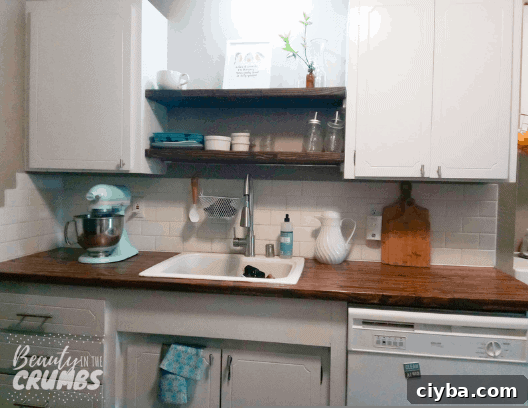
Decluttering counters makes cooking more pleasant. If kitchen clutter stresses you, create designated storage for appliances and remove non-kitchen items — papers, mail, and unrelated clutter should live elsewhere.
Extra tip: If you don’t need it in the kitchen, move it out. Keep surfaces focused on cooking and food prep.
I hope these suggestions help as you begin a healthier, budget-friendly gluten-free lifestyle. Preparing mentally, investing gradually in useful tools, and prioritizing quality where it matters will make cooking from scratch easier and more rewarding.