
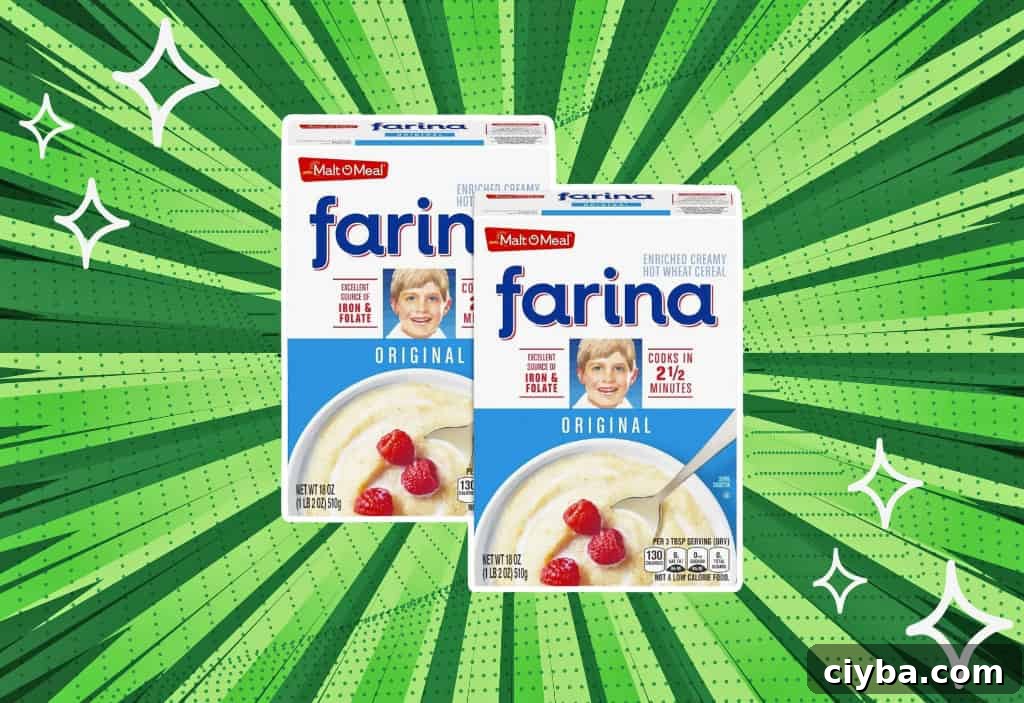
Farina’s off the menu tonight — that finely milled durum wheat cereal used for creamy porridges and puddings. Whether you planned a comforting breakfast or a silky dessert and discovered an empty box, there’s no need to panic.
We get creative in the kitchen. Simple pantry swaps can rescue a recipe and sometimes improve it. Below are five reliable substitutes for farina, each with practical tips on how to use them, what to expect in texture and flavor, and ideas to get the best results.
Table of Contents
What is Farina?
Farina is a wheat-based product made from milled endosperm, commonly used to make hot cereal similar to cream of wheat. It produces a smooth, creamy texture when cooked in milk or water and is a classic base for warm breakfast bowls and simple puddings. Because it’s mild in flavor, farina readily accepts sweet or savory additions — fruit, honey, spices, or butter — making it a versatile pantry staple.
5 Farina Substitutes for Baking and Cooking
Each of the following substitutes works well depending on the dish and the texture you want. Read the tips to choose the best match for your recipe.
1 – Cream of Wheat
Cream of Wheat is the closest commercial cousin to farina and usually the simplest one-to-one swap. It cooks quickly into a silky porridge that behaves just like farina in most recipes.
- Use the same cook time and liquid ratio called for farina; adjust slightly to reach desired thickness.
- Flavor is mild and adaptable — add cinnamon, nutmeg, brown sugar, fruit, or a splash of vanilla.
- Great for creamy breakfasts, puddings, and as a binder in certain baked goods.
2 – Oats
Oats (rolled or steel-cut) are a widely available and wholesome alternative. Rolled oats give a more porridge-like texture and quicker cook time, while steel-cut oats are chewier and need longer simmering.
- To mimic farina’s creaminess, blend rolled oats briefly in a food processor before cooking, or use more liquid.
- Oats add a nutty, slightly sweet flavor and pair well with fruit, nuts, and spices.
- They’re versatile — suitable for breakfast porridges, baking, and as a thickening element in some savory dishes.
3 – Polenta
Polenta is coarsely ground cornmeal and brings a different, slightly rustic character. Its texture is typically grainier than farina but becomes creamy when cooked longer, especially if you use a finer grind.
- Use a finer polenta for sweet porridge or puddings to approximate farina’s texture.
- Polenta shines in both sweet and savory applications; finish with butter, cheese, or sweeteners depending on the dish.
- Cook slowly and stir frequently to prevent lumps and achieve a smooth finish.
4 – Quinoa
Quinoa is a seed rather than a grain but makes an excellent, nutritious substitute. It cooks into fluffy, slightly springy grains with a pleasant nutty taste and a higher protein content.
- Rinse quinoa well before cooking to remove any natural bitterness.
- Use a 2:1 liquid-to-quinoa ratio and simmer until grains are tender and the germ ring is visible.
- Quinoa works great in warm breakfast bowls, added to soups, or as a base for sweet porridge when cooked in milk.
5 – Couscous
Couscous is small and quick-cooking, offering a light, fluffy texture that soaks up flavor well. It’s a fine option when you want a fast substitute with minimal fuss.
- Use near-boiling water or milk, cover, and let sit a few minutes for instant or fine couscous; fluff with a fork.
- Couscous pairs well with both sweet and savory toppings and can be finished with butter, honey, or herbs.
- Because it cooks fast, it’s a convenient choice for busy mornings.
Frequently Asked Questions
Farina is a milled wheat product used for hot cereals and puddings. You may need a substitute if you’re out of farina or want a different flavor, texture, or nutritional profile. Options like cream of wheat, oats, polenta, quinoa, and couscous can cover a range of textures and tastes.
Yes. Rolled oats or steel-cut oats can replace farina in porridge. Rolled oats cook faster and yield a creamier consistency if blended or cooked with slightly more liquid. Steel-cut oats require longer cooking and yield a chewier texture.
Polenta has a coarser texture and a corn flavor. For sweet puddings, choose a fine grind and cook longer to reach a smooth consistency. It works best in dishes where a slightly rustic texture is acceptable or desired.
Quinoa is a nutritious substitute that yields a fluffy, slightly nutty porridge when cooked in milk or water. It won’t be as creamy as farina, but it adds protein and a pleasant texture that stands up well to toppings.
Yes. Couscous absorbs flavors quickly and becomes soft and fluffy, making it a fine choice for sweet breakfasts and desserts. Adjust liquid and resting time to avoid sogginess.
Want to experiment? Try small test batches first to dial in liquid ratios and cook times. With these five substitutes in your pantry, you can recreate creamy breakfasts and comforting puddings even when farina is out of reach.