


Eating healthy doesn’t have to be expensive or time-consuming. Even on a tight budget you can make smarter choices that improve your nutrition and save money. Below are 25 practical, budget-friendly tips to help you eat better without stretching your finances.
1. Don’t Go Shopping on an Empty Stomach
Shopping while hungry makes you more likely to choose high-calorie, high-sugar foods. When your body needs quick energy, cravings for sweets and simple carbs increase. Eat a proper meal before you shop so you make calmer, healthier decisions and avoid impulse purchases driven by hunger.
2. Go Shopping Late
Shopping late in the day can save time and money. Stores are often less crowded, and many places mark down perishable items in the evening. If you buy marked-down meats, dairy, and produce, plan to use them within a few days, since they have shorter remaining shelf life.
3. Eat Seasonal Food

Seasonal produce is typically cheaper and more nutritious because it’s harvested at peak ripeness and often travels shorter distances. When a fruit or vegetable is abundant, prices fall, and farmers are motivated to sell quickly. Include seasonal items in your diet to get better flavor and value.
Examples by season:
Summer: strawberries, peaches, watermelon, cucumbers, tomatoes, peppers.
Autumn: apples, pears, cranberries, Brussels sprouts, pumpkin, mushrooms.
Winter: kiwi, tangerines, sweet potatoes, turnips, leeks, kale.
Spring: apricots, pineapple, broccoli, artichokes, asparagus, rhubarb.
4. Stock Up on Sales
Take advantage of sales on long-lasting staples like rice, oats, pasta, cooking oil, and canned goods. Buying in bulk when items are discounted can raise your spending this month but lower costs over time. Keep shelf-stable essentials on hand so you won’t pay full price later.
5. Buy Cheaper Cuts of Meat
Less expensive cuts of beef, pork, chicken, and lamb are perfect for stews, braises, and soups. They’re typically best when cooked low and slow. Choose leaner ground meat options when possible and trim visible fat to keep dishes healthier and more economical.
6. Cook at Home
Cooking at home gives you full control over ingredients, reducing added sugar, salt, and oil. Home-cooked meals are generally cheaper than dining out and allow you to stretch ingredients across multiple meals.
7. Buy Frozen Fruits and Vegetables
Frozen produce is often less expensive, nutritious, and lasts much longer than fresh. Many items are frozen at peak ripeness, making them a great option in off-seasons. Buy frozen in bulk when discounted and use what you need without waste.
8. Grow Your Own Vegetables and Fruits
Home gardening takes time but can significantly cut grocery costs. Even a small balcony or windowsill garden for herbs, tomatoes, or greens reduces your spending and provides fresher produce.
9. Meal Prep for Lunch
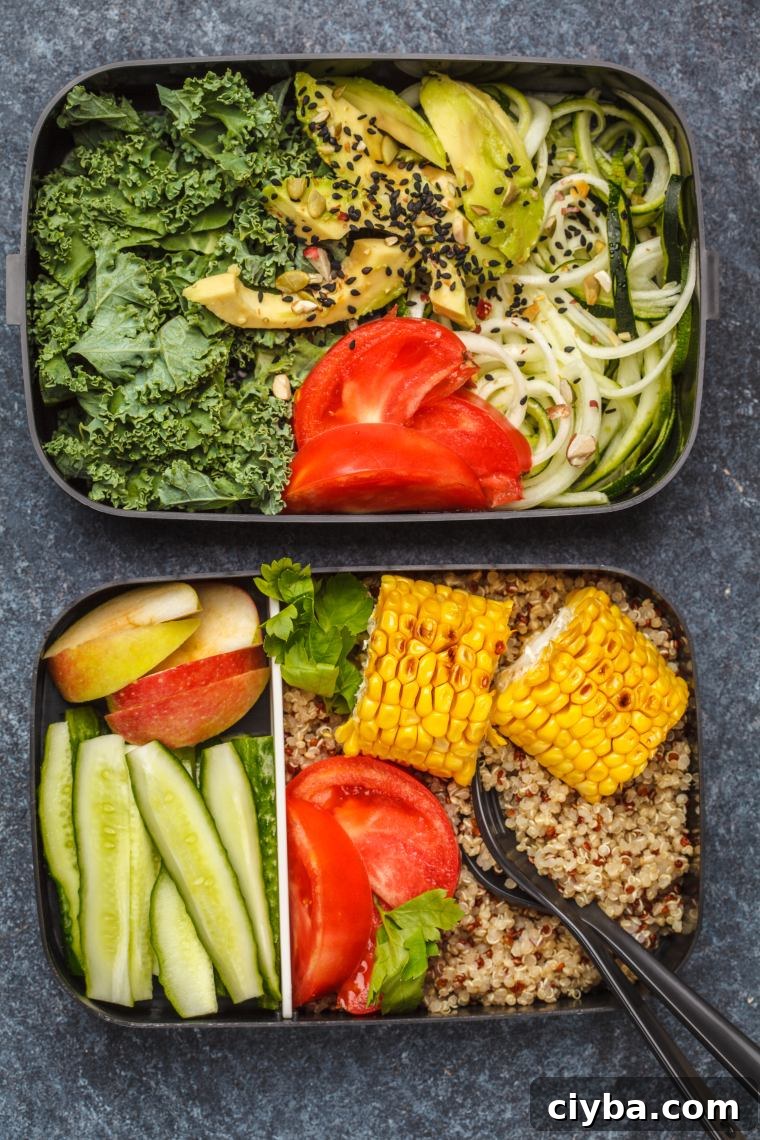
Preparing lunches at home saves money and helps you avoid fast-food temptations. Spend an hour cooking for several days and portion leftovers into containers for quick, healthy meals during the workweek.
10. Drink Water Instead of Sodas
Sodas are costly and add empty calories. Choose tap water or filtered water to save money and improve hydration. A simple water filter can reduce reliance on bottled water and lower ongoing expenses.
11. Start Incorporating Beans into Your Diet
Beans are inexpensive, versatile, and packed with protein and fiber. Canned or dried beans extend your meals and support digestion, making them an excellent budget-friendly staple.
12. Consider Buying from Online Retailers
Online grocery shopping can save on transportation costs and often highlights bulk discounts or promotional pricing. Shopping online helps you compare prices, stick to a list, and avoid impulse buys.
13. Don’t Forget the Leftovers
Wasted food is wasted money. Reuse leftovers by reheating them, turning them into new dishes, or incorporating them into soups and salads. Properly using leftovers reduces household food waste and stretches your grocery budget.
14. Make Grocery Lists

Plan your shopping with a written list to avoid impulse purchases. A list helps you buy only what you need and makes it easier to choose healthy options. Allowing a small treat occasionally keeps the plan sustainable.
15. Make Your Own Meal Plan for the Week
Weekly meal planning helps you estimate costs, combine ingredients across meals, and reduce waste. Once you get into the habit, planning saves time and money while improving diet quality.
16. Shop Once a Week
Frequent trips to the store increase the chance of extra purchases and snacking. A single weekly shopping trip, supplemented by small top-ups for fresh produce, limits impulse buys and keeps costs down.
17. Keep Your Fridge Organized
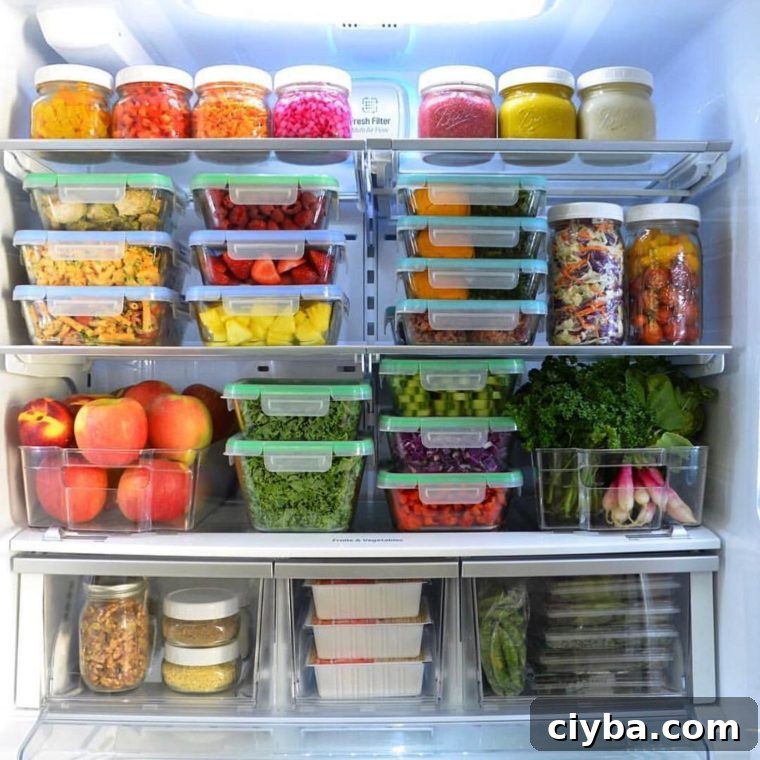
Organize your fridge by expiration date, placing newer items at the back and older ones in front. Use clear containers to see what you have and rotate stock to minimize spoilage and waste.
18. Incorporate More Spices into Your Dishes
Spices add flavor and make simple, budget ingredients more enjoyable. Buying spices in bulk and experimenting with blends can transform inexpensive meals into satisfying dishes without adding much cost.
19. Don’t Be Afraid of Eating the Same Breakfast
Repeating a healthy breakfast for several days saves time and prevents waste. Prepare oatmeal, smoothie packs, or batch-cooked options that freeze well, and rotate them to maintain variety without overspending.
20. Look for Bargains at Local Farmers Market
Farmers markets often offer seasonal produce at lower prices than supermarkets. Buying directly from growers can reduce cost, support local businesses, and allow you to negotiate better prices when purchasing in bulk.
21. Go for Store Brand Products
Store-brand items are usually much cheaper and often comparable in quality to name brands. Trying generic alternatives for staples can yield substantial savings over time.
22. Freeze Your Meats and Fish
Freezing allows you to buy proteins on sale and store them safely for later use. Typical freezer lifespans: steaks and roasts 4–12 months, chops 4–6 months, ground meat 3–4 months, poultry up to 9 months, lean fish up to 6 months, and fatty fish up to 2 months.
23. Use Scraps and Bones to Make Soups
Save vegetable trimmings and bones to make nutrient-rich broths and soups. Homemade stocks extract flavor and nutrients, stretch meals further, and reduce kitchen waste.
24. Buy a Slow Cooker
A slow cooker is a worthwhile investment for budget cooking. It tenderizes inexpensive cuts of meat with low energy use and allows you to prep meals ahead. Long, slow cooking turns affordable ingredients into flavorful, satisfying dishes.
25. Start Canning Foods

Canning seasonal produce preserves flavor and stretches your harvest into the off-season. Properly canned fruits, vegetables, and pickles let you enjoy home-preserved foods during winter while reducing waste. Learn safe canning techniques before you begin.
Conclusion
Small changes add up. Use these practical tips—plan meals, buy seasonal and on-sale items, cook at home, and reduce waste—to eat healthier while staying within your budget. Consistency and simple habits will make a noticeable difference in both your wallet and your well-being.